
 Save 15% on your 1st Autoship learn more

 Email us
 Live Chat
 FAQs





Introduction
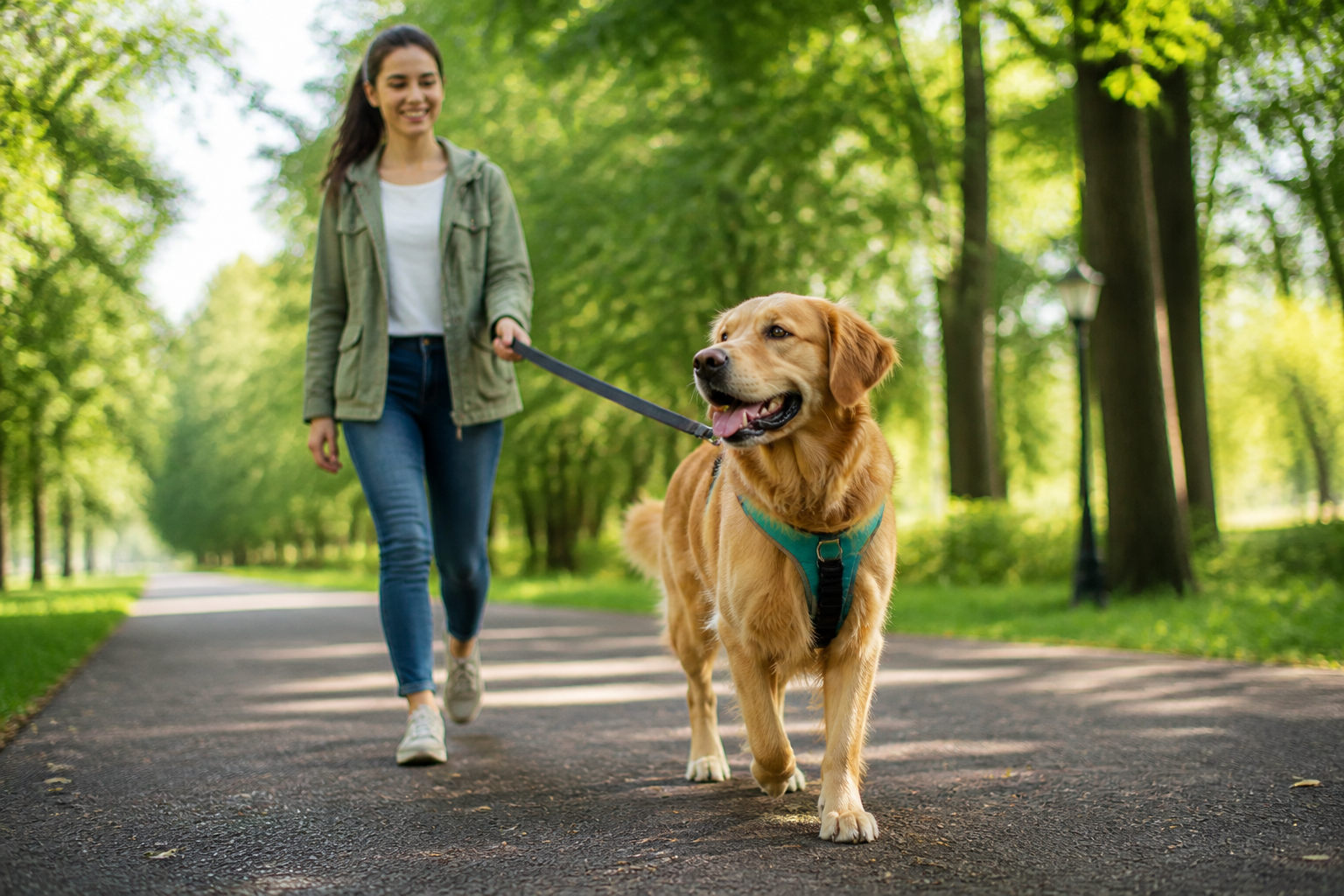
You are at the end of the leash while your dog lunges toward a squirrel or a neighbor's lawn. Your shoulder feels the strain and your wrist is sore from gripping the lead. This is a common frustration for many pet owners who find that standard collars or back-clip harnesses actually encourage their dogs to pull harder. At BaxterBoo, we know that a walk should be a bonding experience rather than a physical struggle. This post covers how no-pull technology works, the different styles available, and how to choose the right fit for your dog's specific body type. A dog no-pull harness uses simple physics to redirect your dog's forward momentum without causing pain or putting pressure on the neck. By choosing the right tool, you can transform your daily walks into a calm and controlled activity.
The Science Behind the Pull
Most dogs pull because of something called the opposition reflex. This is a natural instinct that tells an animal to lean into pressure. When you pull back on a leash attached to a collar or a back-clip harness, your dog instinctively pushes forward against that tension. This is the same principle that allows sled dogs to pull heavy loads across the snow.
A traditional harness with a clip between the shoulder blades gives your dog the perfect leverage to use their entire body weight against you. They can dig in with their hind legs and drive forward with their chest. This makes them feel more powerful and often leads to even more pulling behavior.
A no-pull design changes the leverage point entirely. By moving the leash attachment to the front of the chest, the harness disrupts the opposition reflex. When your dog lunges forward, the tension on the leash gently pivots their body back toward you. They cannot lean into the pressure because the pressure is coming from the front rather than the back.
Quick Answer: A dog no-pull harness works by using a front-clip attachment to redirect your dog’s forward momentum. When the dog pulls, the chest-level leash connection gently turns their body back toward the handler rather than allowing them to drive forward.
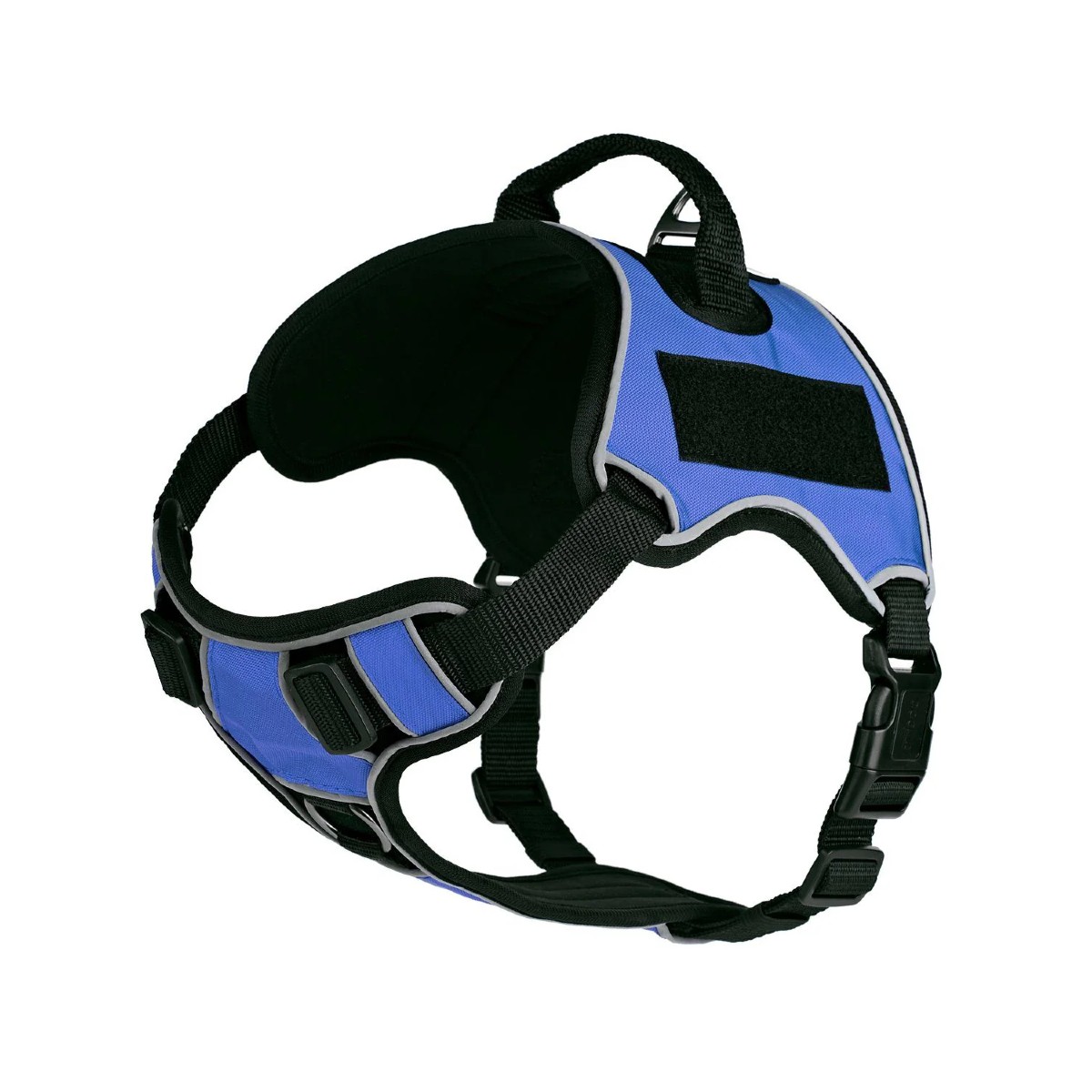
No Pull Dog Harness




Why a Front-Clip Design is Effective
The front-clip design is the most common feature in no-pull gear. It typically features a D-ring or a martingale loop located right at the center of the dog's chest. This placement is key for managing dogs that have a high prey drive or those that simply get over-excited during walks.
When the leash is attached in the front, any forward surge results in a sideways motion. Your dog quickly learns that pulling does not get them where they want to go any faster. In fact, it does the opposite by turning them away from their target. This makes the act of pulling less rewarding for the dog.
Many of these harnesses also include a back-clip option. This dual-attachment style is excellent for dogs in training. You can use the front clip during the parts of the walk where your dog is likely to pull, such as passing other dogs. Then you can switch to the back clip when you reach an open park area where they can explore on a looser lead. You can compare available styles in our dog harness selection.
Comparing Different No-Pull Styles
Not all no-pull tools are built the same way. Some use thin nylon straps for a minimalist feel, while others use padded vests for maximum comfort. Choosing between them depends on your dog's size, coat type, and pulling intensity.
The Martingale Chest Loop
The PetSafe Easy Walk is a classic example of this style. It features a special loop on the chest strap that tightens slightly when the dog pulls. This tightening applies gentle pressure across the shoulders rather than the throat. It is an excellent choice for dogs with short coats because the straps are lightweight and do not trap a lot of heat. The Pet Safe Easy Walk Comfort Dog Harness has a front martingale loop and a rear leash attachment.
Padded Vest Harnesses
For dogs with sensitive skin or thin fur, a padded option like the Ruffwear Front Range is often better. These designs use foam or mesh panels to distribute pressure across a larger surface area. This reduces the risk of chafing under the armpits. These are generally more durable for hiking and long-distance walking.
The Escape-Artist Design
Some dogs are experts at backing out of their gear. If you have a dog with a narrow head and a thick neck, like a Greyhound or a Whippet, look for a harness with a martingale loop at the back. The 2 Hounds Design Freedom harness uses this feature to ensure the straps tighten evenly if the dog tries to slip away. This provides extra security for nervous dogs or those prone to bolting.
Key Takeaway: Front-clip harnesses redirect energy through physics, while padded designs prioritize comfort for long walks. Match the harness style to your dog's coat type and activity level to ensure a successful transition.
Measuring Your Dog for a Perfect Fit
A no-pull harness only works if it fits correctly. If it is too loose, it will shift and chafe the skin. If it is too tight, it can restrict your dog's natural gait and cause discomfort. You need two main measurements before you start shopping. For more fitting guidance, read our article about measuring and fitting a dog harness.
- Chest Girth: This is the most important measurement. Wrap a flexible tape measure around the widest part of your dog's ribcage. This is usually right behind the front legs.
- Neck Circumference: Measure around the base of the neck where a collar would naturally sit.
- Weight: While girth is more accurate, many brands use weight ranges as a secondary guide.
When you receive the harness, use the two-finger rule. You should be able to fit two fingers flat between the straps and your dog's body. If you can fit three or four fingers, the harness is too loose and might allow your dog to slip out. If you can barely fit one finger, it is likely too tight.
Steps for a Successful Fitting
Step 1: Adjust the shoulder straps first. Place the harness on your dog and tighten the shoulder straps so the chest D-ring sits right on the breastbone.
Step 2: Tighten the belly strap. The belly strap should be snug but comfortable. It should sit far enough back that it does not rub against the sensitive skin in the armpits.
Step 3: Test the movement. Encourage your dog to walk or jog a few steps while wearing the harness. Watch for any gaping or sagging in the front strap.
Vet Tip: Always check for signs of rubbing or hair loss after the first few walks in a new harness. If your dog has a history of skin allergies or irritation, our pharmacy carries soothing topical treatments and medications through our partnership with Pet's Choice to help manage skin health.
Safety Benefits for the Trachea and Neck
One of the biggest reasons veterinarians recommend harnesses over collars for pullers is neck safety. When a dog lunges while wearing a flat collar, all that force is concentrated on the windpipe and the cervical spine. This can lead to chronic coughing, collapsed tracheas, or even eye issues due to increased intraocular pressure.
A no-pull harness moves all that pressure away from the neck and onto the sturdy structure of the chest and shoulders. This is especially vital for small breeds like Pugs, Yorkies, and Pomeranians, who are biologically prone to tracheal collapse. Even for large dogs, protecting the neck ensures they do not develop long-term mobility issues or spinal pain.
If your dog already has a medical condition, a no-pull harness is often a requirement for safe exercise. We offer a wide range of medical and mobility aids to support pets with existing health challenges. Always consult your veterinarian if your dog is showing signs of respiratory distress or neck pain before starting a new exercise routine.
Integrating Training with the Harness
It is important to remember that a harness is a management tool, not a magical cure. While a dog no-pull harness will make walks significantly easier from day one, it should be paired with positive reinforcement training. The goal is to teach your dog that walking by your side is more rewarding than pulling ahead. For related tips, see our dog leash training section.
Keep a handful of small, high-value treats in your pocket. Whenever the leash goes slack and your dog looks back at you, give them a treat and plenty of praise. If they start to pull, stop walking immediately. Wait for them to turn back toward you or for the leash to go loose before moving forward again.
The harness makes this process much faster because it prevents the dog from gaining ground when they pull. They no longer get the reward of moving forward during a lunge. Over time, the combination of the physical redirection and the tasty rewards will create a dog that chooses to walk politely on a loose lead.
- Start in a low-distraction environment like your hallway or backyard.
- Keep training sessions short, usually five to ten minutes at a time.
- Use a fixed-length leash rather than a retractable one for better control.
- Reward the behavior you want to see, even if it only lasts for a few seconds.
Key Takeaway: Consistency is the most important part of leash training. Use the harness to manage the physical act of pulling while using treats to build the mental habit of staying close.
Common Mistakes to Avoid
Many pet owners struggle with no-pull gear because of a few simple errors in usage. One of the most common mistakes is using the harness with a retractable leash. These leashes actually teach dogs to pull because there is constant tension on the line. To get more length, the dog has to pull against the internal spring. This completely contradicts the message the no-pull harness is trying to send.
Another mistake is leaving the harness on all day. These tools are designed for active use. When left on an unsupervised dog, the straps can get caught on furniture or crate wires. Some dogs may also decide to chew on the straps if they are bored. This can lead to a destroyed harness or, worse, an intestinal blockage if they swallow the nylon.
Finally, make sure you are not putting the harness on upside down or backward. Most no-pull designs use different colored straps for the belly and the shoulders to help you tell them apart. If the D-ring is resting on your dog's back, it will not stop the pulling. Always double-check that the main attachment point is on the chest.
Bottom line: Avoid retractable leashes and remove the harness after every walk to ensure safety and prolong the life of your gear.
Senior Dogs and Joint Health
As dogs age, they may develop arthritis or joint stiffness. A senior dog that pulls can aggravate these conditions by putting uneven pressure on their front legs. A no-pull harness can help stabilize a senior dog during walks by keeping them closer to your center of gravity. You can explore more ideas in our article on mobility solutions for senior dogs.
If your senior dog is struggling with mobility, look for a harness with a handle on the back. This allows you to give them a gentle lift over curbs or into the car. Keeping them from lunging also prevents sudden jars to their joints, which can cause pain or inflammation the next day.
Vet Tip: If your senior dog is slowing down or showing signs of stiffness, consult your veterinarian about joint supplements or prescription diets. Our pharmacy through Pet's Choice provides a variety of FDA-approved options and prescription foods designed to support joint health and overall mobility in aging pets.
Conclusion
Finding the right dog no-pull harness can completely change the way you experience the outdoors with your pet. By shifting the leverage from the back to the chest, these harnesses provide a humane and effective way to manage pulling without hurting your dog's neck. Whether you choose a lightweight martingale style for a quick neighborhood stroll or a rugged padded vest for weekend hikes, the right fit is the foundation of success. At BaxterBoo, we are committed to helping you find gear that makes life with your pet easier and more enjoyable.
- Select a front-clip design to naturally redirect pulling momentum.
- Measure your dog's chest girth accurately to ensure a secure fit.
- Use the two-finger rule to check for comfort and prevent chafing.
- Combine the harness with positive reinforcement treats for long-term results.
Bottom line: A no-pull harness is a practical investment in your dog's safety and your own walking comfort, especially when paired with consistent training.
Ready to start your journey toward better walks? Check out our selection of collars and leashes to find the perfect match for your new harness.
FAQ
Can a no-pull harness hurt my dog's shoulders?
When fitted correctly, a no-pull harness should not restrict your dog's natural movement or cause pain. It is important to ensure the chest strap sits across the breastbone rather than directly over the shoulder joints. If you notice your dog's gait changing significantly or they seem reluctant to walk, you may need to adjust the strap height or try a different style that offers more shoulder clearance.
Is a front-clip harness better than a head halter?
Both tools are effective, but they work in different ways. A front-clip harness is generally easier for most dogs to get used to and requires very little acclimation time. A head halter provides more control for extremely powerful pullers but requires a longer period of training to ensure the dog is comfortable having something on their snout. For most casual walkers and moderate pullers, a front-clip harness is the preferred choice.
What should I do if my dog still pulls while wearing the harness?
If your dog continues to pull, first verify the fit to ensure the harness isn't shifting or sagging when tension is applied. If the fit is correct, you may need to increase the value of your training rewards. Remember that the harness is a tool to help you manage the dog, but you still need to actively teach them to stay by your side. If your dog shows extreme reactivity or lunging, consulting a professional trainer or your veterinarian is a great next step.
Can I leave the harness on while my dog is in their crate?
No, it is not safe to leave any harness on a dog while they are in a crate or left unsupervised. The straps and buckles can easily snag on the metal wires of the crate or other household objects, which poses a strangulation risk. Additionally, many dogs will chew on the straps if they are bored or frustrated while confined. For safety, always remove the harness as soon as you return from your walk.




- Site & Contents BaxterBoo.com. BaxterBoo is located in the United States.
- Privacy & Security
- Terms of Use
- Accessibility Statement
