
 Save 15% on your 1st Autoship learn more

 Email us
 Live Chat
 FAQs





Introduction
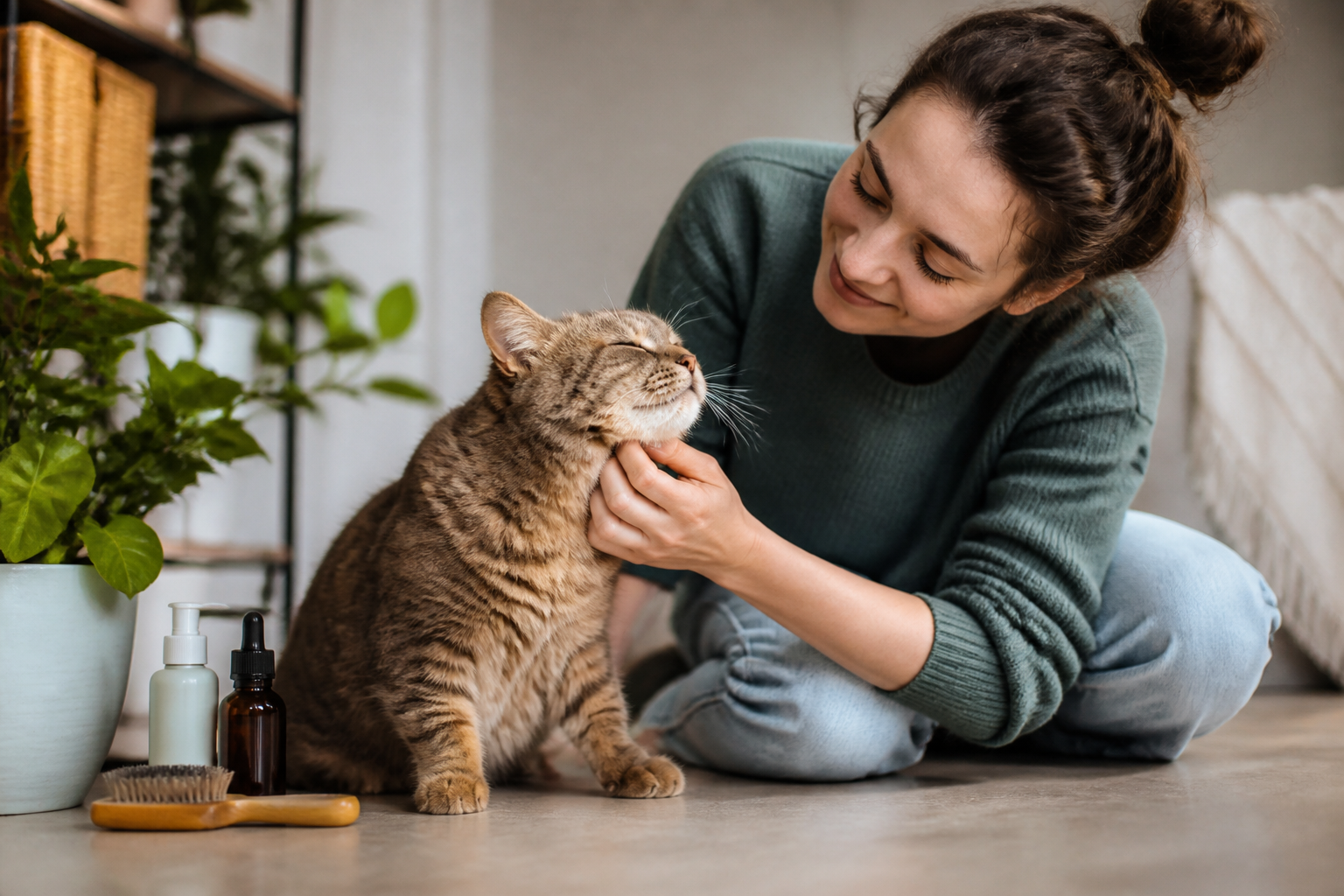
You are sitting on the sofa with your cat and notice a dusting of white flakes along their lower back as you reach down to pet them. While a few stray flakes might not seem like a major concern, seeing a persistent coating of "snow" on your cat’s fur usually signals that something is slightly off with their skin health or grooming routine. At BaxterBoo, we talk to cat owners every day who are surprised to learn that feline skin is actually quite sensitive to changes in the environment, diet, and internal health. This article covers the most common reasons for cat dandruff, from simple dry air to more complex medical conditions. Understanding why these flakes appear is the first step toward restoring your cat’s glossy, comfortable coat.
Quick Answer: Cat dandruff is caused by an accumulation of dead skin cells that fail to shed properly. Common triggers include low humidity, nutritional deficiencies, obesity, or underlying health issues like arthritis that prevent a cat from grooming effectively.
Understanding the Difference Between Dandruff and Dander
It is easy to get these two terms confused, but they mean very different things for your cat’s health. Dander is a completely normal part of being a cat. It consists of microscopic skin cells that shed naturally as part of a healthy skin renewal cycle. You cannot see dander with the naked eye, though it is the primary culprit behind human allergies to pets.
Dandruff is different because it is visible. These are larger clumps of skin cells that have bonded together, often appearing as white or gray flakes. While dander is a sign of a healthy body at work, dandruff is often a signal that the skin’s natural balance has been disrupted. All cats produce dander, but healthy cats should not have noticeable dandruff.
Key Takeaway: If you can see the flakes on the fur, it is dandruff, not dander. This indicates the skin is shedding too quickly or the cat is unable to remove the dead cells through normal grooming.
Cat Skin & Coat Care













Environmental Factors and Low Humidity
One of the most common reasons for cat dandruff is the air inside your home. During the winter months, heating systems strip moisture from the air. This dry environment pulls hydration directly from your cat's skin. Since cats often seek out the warmest spots in the house, such as radiator covers or sunny windowsills, they are frequently exposed to the driest air possible.
Low humidity causes the skin to lose its elasticity and become brittle. When the skin is dry, it cracks and flakes off in larger pieces. You might notice that the dandruff is more prominent during the colder months and seems to resolve once the windows are opened in the spring. Using a humidifier in the rooms where your cat spends the most time can provide significant relief for their skin.
Grooming Challenges and Physical Limitations
Cats are famous for their cleanliness, spending up to half of their waking hours grooming. This process does more than just clean the fur. The rough texture of a cat’s tongue acts like a natural hairbrush, removing loose hair and dead skin cells while distributing natural oils across the coat. When a cat stops grooming effectively, dandruff is one of the first signs. Explore our cat grooming supplies for brushes, combs, wipes, and other routine-care essentials.
The Impact of Obesity
If a cat carries extra weight, they often lose the flexibility needed to reach certain parts of their body. The lower back and the base of the tail are the most common "blind spots" for overweight cats. If you see flakes concentrated in these specific areas, it may be because your cat simply cannot reach them. Helping your cat reach a healthy weight through portion control and specialized food can restore their ability to care for their own coat.
For additional guidance on feline weight concerns, read how to help an indoor cat lose weight.
Mobility and Senior Cats
Senior cats often develop arthritis or general joint stiffness. Bending and twisting to groom the spine or hindquarters can become painful. If a cat associates grooming with discomfort, they will stop doing it. This leads to a buildup of the undercoat and a visible accumulation of skin flakes.
Vet Tip: If your older cat has dandruff and seems less active, consult your veterinarian to check for signs of arthritis. Managing joint pain through supplements or medication is often the key to getting their grooming habits back on track.
Nutritional Deficiencies and Skin Health
Skin is the largest organ of the body, and it requires a significant amount of protein and specific fats to remain healthy. If a cat's diet is lacking in high-quality nutrients, the body will prioritize internal organs over the skin and coat. This often results in a dull, dry, and flaky appearance. Browse our cat food selection when evaluating options for your cat’s daily nutrition.
The Role of Omega Fatty Acids
Omega-3 and Omega-6 fatty acids are essential for maintaining the skin's moisture barrier. These fats help "glue" skin cells together and keep moisture locked in. Many standard cat foods may not provide enough of these delicate fats, which can break down during the cooking process. Adding a high-quality fish oil supplement or switching to a premium food brand like Farmina or Stella and Chewy's can make a visible difference in skin texture.
For an example of a food featuring omega-3 fatty acids, consider Wellness Complete Health Grain-Free Turkey & Salmon Pate Canned Cat Food.
Protein Quality
Since fur and skin are primarily made of protein, a diet low in animal-based protein will quickly show up as coat issues. We recommend looking for foods that list specific animal proteins as the first several ingredients. Brands like Orijen or Acana focus on high-meat inclusions that support skin cell turnover.
- Check for "Complete and Balanced" on the label.
- Look for specific fat sources like salmon oil or flaxseed.
- Avoid foods with excessive fillers that offer little nutritional value for the skin.
If your cat also experiences digestive upset or suspected food sensitivities, our guide to sensitive stomach food choices for cats offers another related topic to discuss with your veterinarian.
When Dandruff Indicates a Medical Condition
While dry air and grooming issues are common, dandruff can also be a secondary symptom of a more serious internal health problem. The skin often acts as a mirror for what is happening inside the body. If your cat has dandruff along with changes in thirst, appetite, or energy levels, a vet visit is necessary.
Diabetes and Kidney Disease
Both diabetes and kidney disease can lead to dehydration and changes in metabolism. When a cat is systemically dehydrated, their skin is the first place to show it. These conditions also make cats feel generally unwell, which leads to a decrease in self-grooming.
Hyperthyroidism
An overactive thyroid is common in middle-aged and senior cats. It speeds up the body's metabolism, which can cause the skin to produce cells much faster than normal. This rapid turnover results in excessive flaking and an unkempt, greasy coat appearance.
Our Pharmacy Partnership
For cats diagnosed with chronic conditions like diabetes or hyperthyroidism, consistent medication is vital. Our pharmacy offers a wide range of FDA-approved medications and prescription pet foods through our partnership with Pet's Choice. This allows you to manage your cat's ongoing health needs conveniently from home. If your vet prescribes a specific therapeutic diet to help manage skin issues or internal health, our pet pharmacy can help you get those essential supplies delivered to your door.
Bottom line: Persistent dandruff that does not improve with brushing or diet changes should be evaluated by a vet to rule out underlying systemic diseases.
External Parasites and "Walking Dandruff"
Sometimes, what looks like dandruff is actually alive. External parasites can cause significant skin irritation, leading to flaking and itching.
Fleas and Ticks
Flea bites cause inflammation and can trigger an allergic reaction known as flea allergy dermatitis. This condition causes the skin to become red, crusty, and very flaky. Even if you do not see fleas, "flea dirt" (which looks like small black pepper flakes) is a sign of an infestation. Keeping your cat on a year-round preventive is the best way to avoid these issues.
Cheyletiella Mites
There is a specific mite called Cheyletiella that is often called "walking dandruff." These microscopic mites live on the surface of the skin and under the hair. As they move around, they carry small flakes of skin with them, making it look like the dandruff is moving. This condition is highly contagious between pets and requires specific medical treatment from a veterinarian.
Vet Tip: If your cat is scratching intensely or you see the "dandruff" moving, separate them from other pets and schedule a vet appointment immediately. You will likely need prescription-strength parasite control from a pharmacy to clear the infestation.
Allergies and Skin Irritations
Cats can suffer from allergies just like humans do. These sensitivities often manifest as skin problems rather than sneezing or watery eyes. When a cat has an allergic reaction, their skin becomes inflamed, leading to overproduction of oils or rapid cell turnover.
Food Sensitivities
Many cats are sensitive to specific proteins or additives in their food. This inflammation can cause the skin to become itchy and flaky. Switching to a limited-ingredient diet or a novel protein source like rabbit or duck can often clear up these issues. We carry several brands, such as Ziwipeak and Koha, that specialize in limited-ingredient recipes for sensitive cats.
Environmental Allergens
Dust, pollen, and even the scent of certain cleaning products or laundry detergents can irritate a cat’s skin. If your cat spends a lot of time laying on a specific rug or blanket and has dandruff concentrated on their belly or chest, an environmental allergy might be the cause.
Practical Steps to Manage Cat Dandruff at Home
If your vet has ruled out serious medical issues, you can take several practical steps to improve your cat’s coat at home. Consistency is key when it comes to skin health.
Step 1: Increase grooming frequency. Even if your cat is a good self-groomer, daily brushing helps. It removes the dead cells that have already detached and spreads natural oils that protect the skin. Use a soft bristle brush or a grooming glove to make the experience pleasant.
Step 2: Improve hydration. Cats have a low thirst drive. Providing a water fountain or adding a small amount of water to their wet food can improve overall skin hydration. Dehydrated skin is much more prone to flaking.
Step 3: Evaluate the diet. Ensure your cat is eating high-quality protein. If you are using a dry kibble, consider incorporating more wet food to provide moisture and essential fats. Our Autoship program is a great way to ensure you never run out of the premium food your cat needs to maintain a healthy coat.
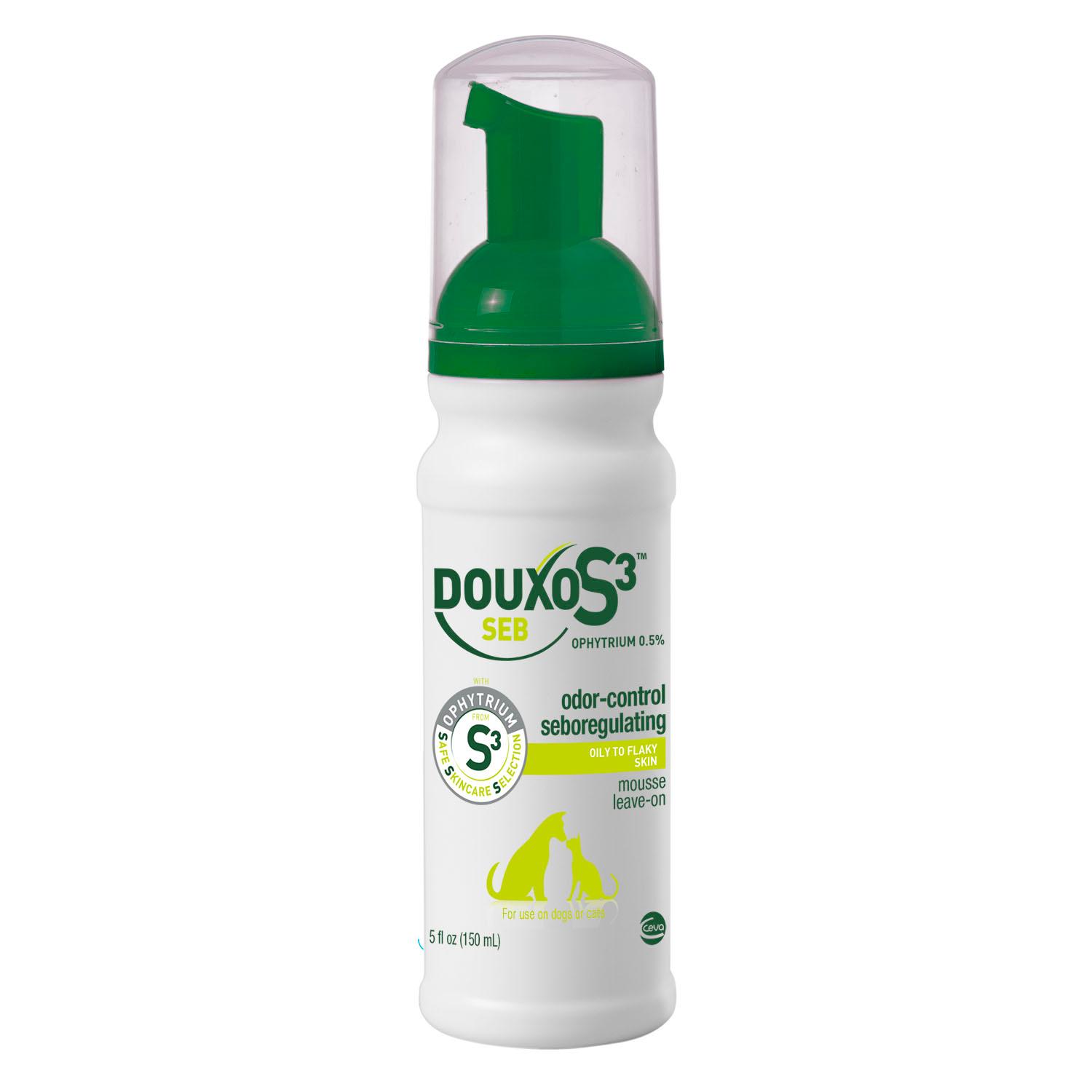
Step 4: Use specialized topical treatments. There are waterless foams and wipes designed specifically for cats with dry skin. Avoid using human shampoos or products, as the pH balance of a cat’s skin is very different from ours. Products containing aloe or oatmeal can help soothe irritation on contact. You can also explore waterless grooming options for convenient at-home care.
The Importance of Regular Veterinary Care
While we can provide the tools and nutrition to support your cat's skin, your veterinarian is your best resource for diagnosis. Skin issues can be frustrating because many different causes look exactly the same on the surface. A vet can perform skin scrapings, blood work, or allergy testing to find the root cause.
If your cat's dandruff is accompanied by any of these signs, please call your vet:
- Red, inflamed, or bleeding skin
- Patches of hair loss
- A foul odor coming from the skin or ears
- Extreme lethargy or loss of appetite
- Constant scratching or biting at the skin
Helping Your Cat Stay Flake-Free
Dealing with cat dandruff is often a marathon, not a sprint. It takes time for the skin to heal and for a new, healthy coat to grow in. By addressing environmental factors, focusing on high-quality nutrition, and staying on top of grooming, you can help your cat feel much more comfortable in their own skin.
Key Takeaway: Most cat dandruff is manageable with a combination of better nutrition, regular brushing, and a moisture-rich environment. For chronic issues, our pharmacy and premium food selections provide the support your cat needs to thrive.
Our goal at BaxterBoo is to provide you with the products and knowledge to keep your pets happy and healthy. Whether you need a new grooming tool, a bag of omega-rich treats, or help managing a prescription diet through our pharmacy partnership, we are here to help. Our MVP Rewards program can also help you earn points on these everyday essentials, making it easier to provide the best care for your feline friend.
FAQ
Is it normal for my cat to have a little bit of dandruff?
A few occasional flakes are usually not a cause for concern, especially during dry winter months. However, if the dandruff is persistent, covers large areas of the body, or is accompanied by itching, it usually indicates an underlying issue that needs attention. Healthy cats with a good grooming routine and proper nutrition typically have very little visible dandruff.
Can I use human dandruff shampoo on my cat?
No, you should never use human dandruff shampoos or any human skin products on a cat. Human skin has a different pH level than cat skin, and many ingredients in human shampoos (like zinc or salicylic acid) can be toxic if your cat licks them off their fur. Always use products specifically formulated for felines and consult your vet before starting any topical treatment.
Why does my cat only have dandruff near the base of their tail?
Dandruff concentrated at the base of the tail or lower back is often a sign of a mobility issue. This is a common spot for overweight cats or those with arthritis to struggle with, as it requires a lot of flexibility to reach and groom. It can also be a common area for flea activity, so check for signs of parasites if you notice flakes in this specific location.
Does a cat's diet really affect their dandruff?
Yes, diet is one of the most significant factors in skin health. The skin requires high-quality animal proteins and essential fatty acids like Omega-3s to maintain its moisture barrier and grow healthy fur. If a cat is eating low-quality food with many fillers, their skin is often the first place to show signs of nutritional deficiency through dryness and flaking.




- Site & Contents BaxterBoo.com. BaxterBoo is located in the United States.
- Privacy & Security
- Terms of Use
- Accessibility Statement
