Save 15% on your 1st Autoship learn more

 Email us
 Live Chat
 FAQs
FAQs





Introduction
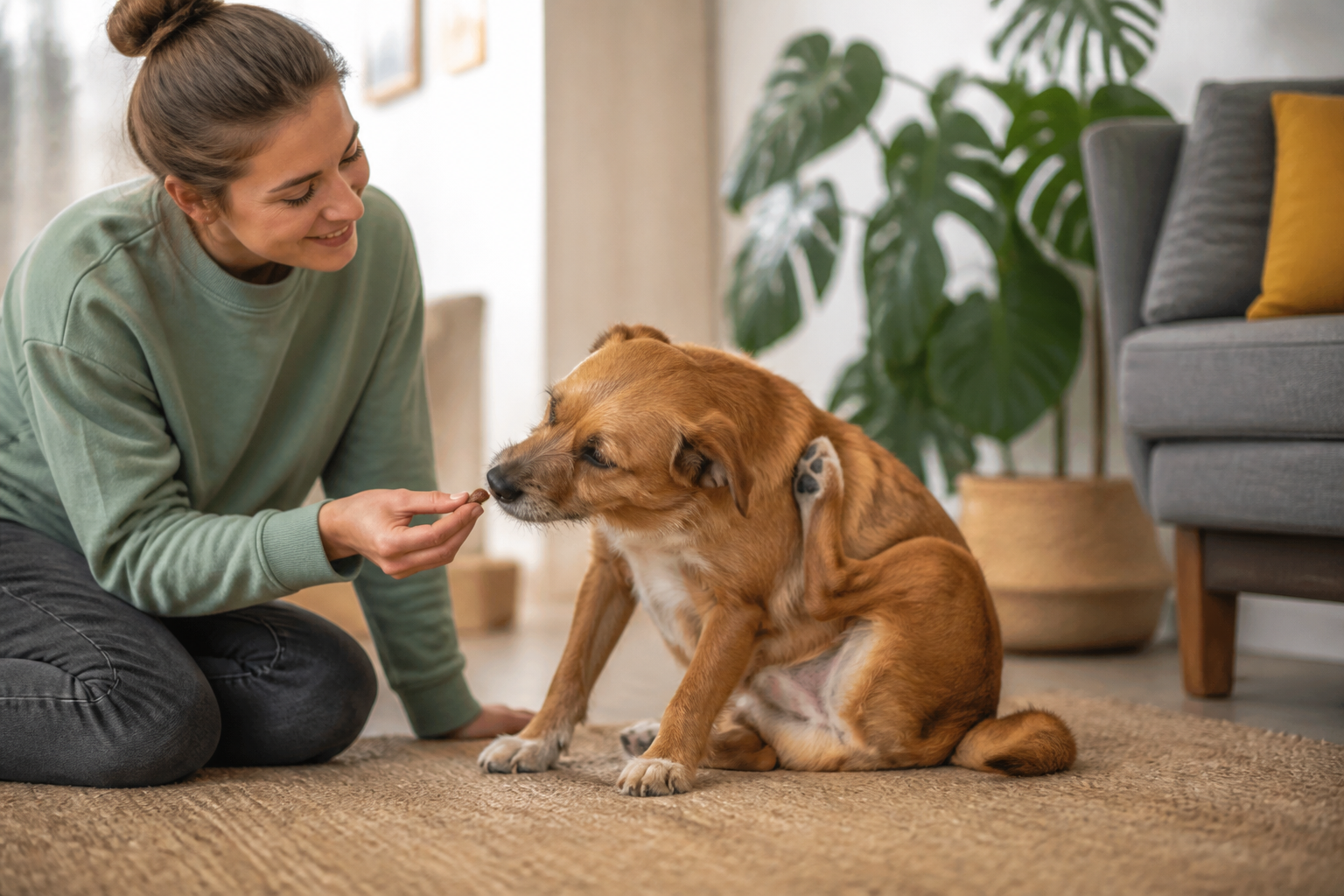
The sound of a dog scratching in the middle of the night is a noise most pet owners know too well. The rhythmic thump of a leg against the floor or the constant slurping sound of a dog licking its paws can be stressful for everyone in the house. When your dog is uncomfortable, you want a solution that works from the inside out. While many people first reach for medicated shampoos or topical sprays, more owners are looking toward the gut to find relief. At BaxterBoo, we have seen a significant shift in how people approach skin health by focusing on the microbiome. This post explores whether beneficial bacteria can actually stop the cycle of scratching and how you can support your dog's skin barrier naturally. Understanding the connection between the digestive system and the skin is the first step toward a more comfortable pet.
Quick Answer: Yes, probiotics can help reduce dog itching by balancing the gut microbiome and regulating the immune system. Because a large portion of a dog's immune cells live in the digestive tract, healthy bacteria can lower the inflammatory response that causes skin redness and irritation.
The Connection Between Gut Health and Itchy Skin
It might seem strange to treat a skin problem by looking at the stomach. However, the skin and the gut are deeply connected through what experts call the gut-skin axis. In dogs, about 70 to 80 percent of the immune system is located within the gastrointestinal tract. When the gut is out of balance, the immune system can become overactive. This overactivity often manifests as systemic inflammation. For many dogs, that inflammation shows up on the skin.
When a dog has a healthy balance of bacteria, their immune system is better at distinguishing between actual threats and harmless environmental factors like pollen or dust. If the gut flora is depleted, the body may overreact to these triggers. This leads to the release of histamines and other inflammatory markers that cause the skin to become red, hot, and intensely itchy. By introducing specific strains of beneficial bacteria, you are essentially training the immune system to stay calm.
Research into canine atopic dermatitis shows that dogs with chronic skin issues often have less diversity in their gut bacteria compared to healthy dogs. This lack of diversity can lead to a weakened skin barrier. A weak barrier allows allergens and irritants to penetrate the skin more easily, which creates a cycle of itching and infection. Supporting the gut helps fortify that barrier from the inside.
Key Takeaway: The gut-skin axis means that an unbalanced digestive system directly contributes to skin inflammation. Probiotics help regulate the immune system's response to allergens, which can lead to less scratching over time.
Identifying the Source of the Scratching
Before starting any new supplement routine, it is important to understand why your dog is itching. Probiotics are powerful, but they work best when you know what they are fighting. Itching is usually categorized into three main areas:
- Environmental Allergies: These are reactions to things like grass, mold, or pollen. This is often called atopic dermatitis.
- Food Sensitivities: These occur when a dog's immune system reacts to a specific protein or ingredient in their food.
- Flea Allergy Dermatitis: Some dogs are incredibly sensitive to flea saliva. A single bite can cause a massive reaction across their entire body.
If your dog is losing hair, has open sores, or is scratching so hard they are bleeding, you must see a professional. These signs often point to secondary bacterial or fungal infections that require medical intervention. Our dog pharmacy provides access to FDA-approved medications through our partnership with Pet's Choice. This is a vital resource for owners whose dogs need more than just over the counter support to get their skin back under control.
Vet Tip: Always consult your veterinarian to rule out parasites or deep-seated skin infections before relying solely on supplements. Probiotics are an excellent supportive tool, but they cannot replace a prescription for an active infection.
How Probiotics Actually Work for the Skin
Probiotics do more than just sit in the stomach. They are active participants in your dog's biology. When you give your dog a high quality probiotic, several things happen. First, the beneficial bacteria compete with harmful bacteria for space and resources. This process is called competitive exclusion. By crowding out the "bad" microbes, the "good" microbes prevent toxins from leaking into the bloodstream.
Second, probiotics produce short chain fatty acids. These compounds have natural anti-inflammatory properties. They help seal the lining of the gut, which is often referred to as preventing leaky gut. When the gut lining is strong, fewer allergens can pass through into the body. This directly reduces the amount of work the immune system has to do, which results in calmer skin.
Finally, probiotics can help manage yeast overgrowth. Many itchy dogs suffer from an overabundance of Malassezia, a type of yeast that lives on the skin. This yeast thrives when the immune system is compromised. By balancing the gut, you help the body keep yeast levels in check. This can reduce that "corn chip" smell that often accompanies itchy, irritated skin.
Key Probiotic Strains to Look For
Not all bacteria are created equal. When you are looking at labels for brands like Zesty Paws, Honest Paws, or NutriSource, you want to see specific strains that have been studied for skin health. You can browse our digestive health supplements to compare available options.
Lactobacillus rhamnosus
This is one of the most well-researched strains for canine skin health. It has been shown to help reduce the severity of atopic dermatitis symptoms, especially when started early in a dog's life. It helps modulate the IgE response, which is the part of the immune system responsible for allergic reactions.
Bifidobacterium animalis
This strain is excellent for general immune support. It helps strengthen the intestinal barrier and has been linked to faster recovery from digestive upset. For an itchy dog, a stronger barrier means fewer systemic triggers.
Enterococcus faecium
This strain is a powerhouse for balancing the microbiome quickly. It is often used to help dogs recover after a round of antibiotics. Since many itchy dogs end up on antibiotics for skin infections, this strain is essential for restoring the "good" bacteria that the medication may have wiped out.
Bacillus coagulans
This is a spore-forming bacterium. It is incredibly hardy and can survive the harsh, acidic environment of a dog's stomach to reach the intestines where it is needed most. It is excellent for long term maintenance of a healthy gut.
The Role of Prebiotics and Postbiotics
You will often see the word "prebiotic" on supplement packaging. Think of prebiotics as the fuel for the probiotics. They are usually types of fiber, like inulin or chicory root, that humans and dogs cannot digest, but the beneficial bacteria love to eat. Providing prebiotics ensures that the probiotics you are giving your dog actually have the energy to colonize and do their job.
Postbiotics are a newer area of pet health. These are the beneficial byproducts left behind by the bacteria. For example, certain yeast-derived postbiotics have been shown to support seasonal allergy relief and immune function. Using a product that includes all three—prebiotics, probiotics, and postbiotics—provides a more complete approach to managing the gut-skin axis.
Checklist for Choosing a Probiotic:
- Includes at least 1 billion CFUs (Colony Forming Units) per serving.
- Lists specific strains like L. rhamnosus or B. animalis.
- Comes in a form your dog enjoys, like soft chews or powders.
- Includes prebiotics to feed the live bacteria.
- Is from a trusted brand with quality control standards.
Diet and Itch Management
A probiotic supplement can only do so much if the underlying diet is causing irritation. At BaxterBoo, we carry a wide variety of foods designed for sensitive systems, including brands like Farmina, The Honest Kitchen, and Stella and Chewy's. For many dogs, a transition to a limited ingredient diet or a novel protein source can make a world of difference. Explore our dog food selection when reviewing your dog's current diet.
When you combine a high quality diet with probiotics, you are attacking the itch from two angles. The food reduces the number of triggers coming in, while the probiotics help the body handle the triggers that remain. Some prescription diets, such as those from Farmina Vet Life, are specifically formulated to manage skin and food sensitivities. These are available through our pharmacy partnership and often require a vet's authorization.
If you are dealing with a suspected food allergy, the process takes patience. It can take six to eight weeks for a dog's system to fully clear out old allergens. During this time, staying consistent with both the diet and the probiotic is vital. Avoid giving high calorie treats with a lot of fillers during this period, as they can interfere with your results.
Key Takeaway: Probiotics work best when paired with a clean, high quality diet. Use limited ingredient foods to reduce the total number of allergens your dog's immune system has to manage.
Managing Itching with the BaxterBoo Pharmacy
Sometimes, a natural supplement is just one piece of the puzzle. If your dog is in a "flare-up," they might be in significant pain or discomfort. In these cases, your veterinarian might prescribe specific medications to stop the itch immediately while the probiotics work on the long term balance.
Through our partnership with Pet's Choice, BaxterBoo offers a streamlined way to get these medications. We carry FDA-approved flea and tick preventives, which are the first line of defense against itching. Many owners do not realize that a single flea can cause weeks of misery for a sensitive dog. Keeping your pet on a strict preventive schedule is non-negotiable for skin health.
We also facilitate access to prescription diets and medications for chronic conditions like atopic dermatitis. This hybrid model allows you to get your dog's favorite toys, premium food, and necessary medical treatments all in one place. Whether you are visiting our warehouse in Vernon Hills or ordering online for home delivery, we aim to make managing your dog's health as simple as possible.
How to Introduce Probiotics to Your Dog
When you start a probiotic, do not be surprised if things seem a little different for a few days. As the microbiome shifts, some dogs may experience mild gas or a change in stool consistency. This is usually a sign that the bacteria are working to rebalance the system.
Step 1: Consult your vet. Ensure the itching is not caused by something that needs immediate medical attention, like mange or a deep infection.
Step 2: Choose your format. If your dog is picky, a flavored soft chew like those from Zesty Paws might be the easiest option. If they eat anything, a powder can be mixed directly into their kibble.
Step 3: Start slow. Give a half dose for the first few days to let their digestive system adjust.
Step 4: Be consistent. Probiotics are not a one-time fix. They need to be given daily to maintain the bacterial colonies in the gut.
Step 5: Monitor the skin. It can take three to four weeks to see a noticeable change in skin redness and scratching frequency.
Bottom line: Success with probiotics requires patience and daily consistency to allow the gut flora to fully stabilize.
Complementary Steps for Itch Relief
While the probiotics work from the inside, you can take steps to help your dog feel better on the outside. This multi-pronged approach is usually the fastest way to get results.
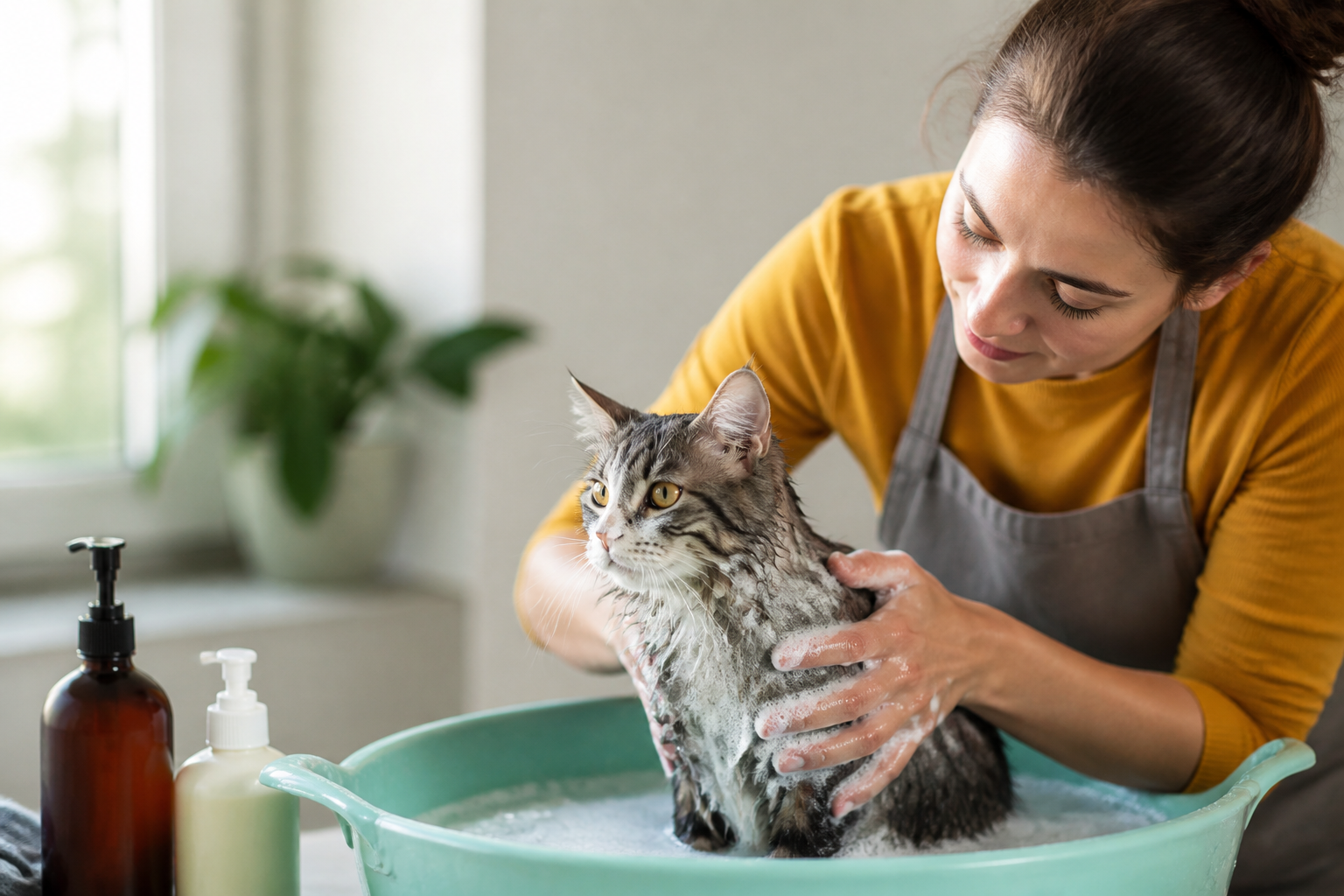
- Regular Bathing: Use a gentle, soap-free shampoo with ingredients like oatmeal or aloe. For more bathing guidance, read these dos and don'ts for bathing your dog.
- Omega-3 Fatty Acids: Supplements like fish oil provide essential fatty acids that strengthen the skin barrier and reduce inflammation. We carry several high quality oils and chews that pair perfectly with a probiotic routine.
- Foot Soaks: If your dog mostly licks their paws, a quick soak after walks can remove allergens.
- Clean Bedding: Wash your dog's bed frequently in hypoallergenic detergent to reduce dust mites and trapped pollen.
Real Expectations for Probiotic Use
It is important to have realistic expectations. Probiotics are not a "reset button" that will stop all itching overnight. They are a long term wellness tool. For a dog with mild seasonal allergies, they might be enough to prevent the need for harsher medications. For a dog with severe, year-round atopic dermatitis, probiotics are likely one part of a larger plan that includes prescription meds and specialized diets.
We see the best results in dogs whose owners take a holistic view of their health. This means looking at their environment, their food, and their gut health all at once. By supporting the body's natural defenses, you are giving your dog a better quality of life and potentially reducing the need for more invasive treatments later on.
Our team at BaxterBoo is always here to help you navigate these choices. We handpick the brands we carry because we believe in their quality. Whether you are earning points through our MVP Rewards programme or saving time with our Autoship programme, we want to make it easy for you to provide the best care for your pet.
Bottom line: Probiotics are a safe, effective, and natural way to manage the underlying causes of itching by supporting the immune system from within the gut.
FAQ
How long does it take for probiotics to stop a dog from itching?
You will usually not see immediate results with probiotics. It typically takes about three to four weeks of daily use to see a reduction in scratching and skin redness. This is because the bacteria need time to colonize the gut and begin modulating the immune system.
Can I give my dog human probiotics for their skin?
While human probiotics are generally not toxic to dogs, they are not the best choice. Dogs have a different gut microbiome than humans, and their stomach acid is much stronger. Canine-specific supplements are formulated to survive the dog's digestive process and contain the strains most beneficial to pet health.
Are there any side effects when starting a probiotic?
Some dogs may experience minor digestive changes like gas or loose stools when first starting a probiotic. This is usually temporary and happens as the gut bacteria balance shifts. Starting with a smaller dose and gradually increasing it can help minimize these issues.
Do probiotics work for all types of dog itching?
Probiotics are most effective for itching caused by immune system overreactions, such as environmental or food allergies. They will not stop itching caused by active flea infestations, mange, or fungal infections. Always ensure your dog is on a regular flea preventive and consult a vet for severe or sudden skin changes.
Conclusion
Managing a dog with itchy skin is a journey that requires patience and the right tools. By focusing on the gut-skin axis, you can address the root cause of many allergic reactions rather than just masking the symptoms. Probiotics offer a gentle but powerful way to calm an overactive immune system and strengthen the skin barrier from the inside out. Remember that every dog is unique, and what works for one may take longer for another.
- Probiotics help balance the immune system through the gut-skin axis.
- Look for specific strains like Lactobacillus rhamnosus for the best skin results.
- Consistency is key, as it takes several weeks to see a difference.
- Severe cases may require prescription support from our pharmacy.
The most effective next step for an itchy dog is to look at their total wellness plan. Consider starting a high quality probiotic supplement and checking if their current diet is meeting their needs. For those managing chronic conditions, our pharmacy partnership with Pet's Choice is here to provide the FDA-approved medications and prescription diets your vet recommends. Taking care of your dog's gut today can lead to a much more comfortable, itch-free tomorrow.