
 Save 15% on your 1st Autoship learn more

 Email us
 Live Chat
 FAQs
FAQs





Introduction
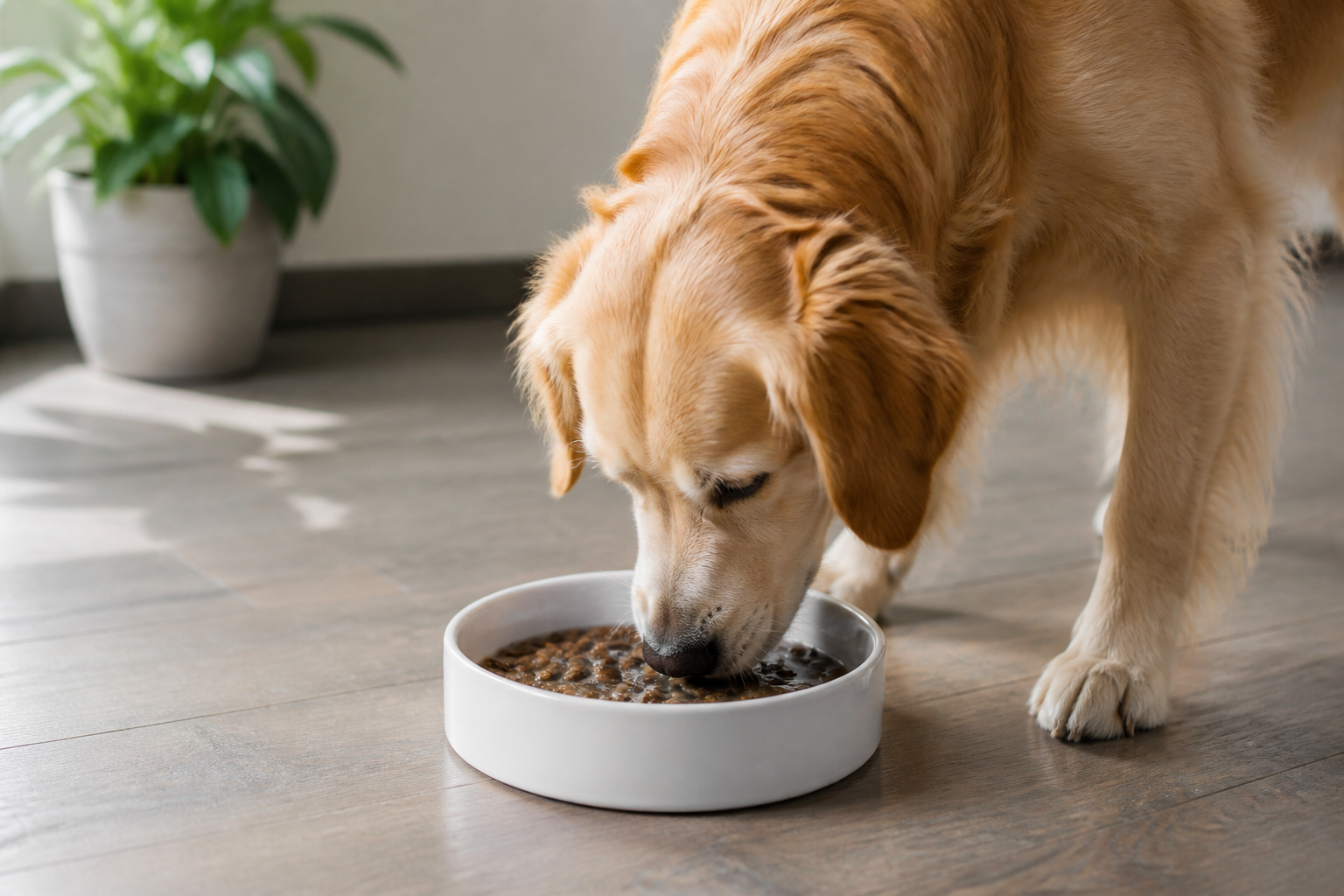
You are standing at the kitchen counter with a pitcher of water in one hand and your dog's food bowl in the other. Perhaps your senior dog is struggling to chew those hard nuggets, or your picky eater needs a little more motivation to finish a meal. Adding a splash of water seems like a simple way to help, but then you wonder if a change in texture will lead to an upset stomach. It is a common concern for many of us who want to support our pets without causing a mess on the living room rug.
At BaxterBoo, we have helped pet owners navigate nutrition and wellness questions since 2006. While moistening kibble is generally a safe and healthy practice, there are specific reasons why it might lead to loose stools in some dogs. This post covers the science of how water affects digestion, the hidden risks of leaving wet food out, and the best ways to transition your dog to a hydrated diet safely. Adding water can be a great tool for hydration, provided you follow a few basic rules of hygiene and patience.
Understanding the Relationship Between Water and Kibble
Dry dog food is a highly concentrated source of nutrition. Most kibble is processed to contain only about 10 percent moisture. This low water content makes it shelf stable and easy to store, but it also means your dog's body has to work harder to break it down. When your dog eats dry nuggets, their stomach must provide the fluids necessary to turn that hard material into a digestible slurry.
Adding water to the bowl before your dog eats can actually jumpstart the digestive process. It allows the starches in the food to begin breaking down before they even reach the stomach. This can lead to better nutrient absorption and less strain on the digestive tract. However, the sudden introduction of extra moisture can sometimes surprise a sensitive gut.
Quick Answer: Adding clean water to kibble does not typically cause diarrhea on its own. Digestive upset is usually caused by using contaminated water, leaving moistened food out too long for bacteria to grow, or changing the food's consistency too abruptly for a sensitive stomach.
Why Adding Water Might Lead to Loose Stools
If your dog develops diarrhea after you start adding water to their meals, it is usually not the water itself that is the problem. Instead, it is often a side effect of how the water interacts with the food or the environment.
The Bacterial Growth Factor
Dry food is safe to leave in a bowl for a few hours because it lacks the moisture bacteria need to thrive. The moment you add water, you "activate" the food. Moisture combined with the proteins and fats in kibble creates a perfect breeding ground for bacteria like Salmonella or Listeria. If your dog is a "grazer" who takes several hours to finish a meal, the wet food can start to spoil before they even finish it. This bacterial bloom is a leading cause of sudden digestive upset.
Sudden Changes in Gut Osmolarity
The gut is a finely tuned machine that relies on a specific balance of fluids and solids. If your dog has only ever eaten bone-dry kibble, their gut microbiome and digestive enzymes are adjusted to that specific texture. A sudden switch to "kibble soup" can change the speed at which food moves through the intestines. If the food moves too quickly, the colon does not have enough time to absorb excess water, resulting in loose stools.
Water Quality and Temperature
The quality of the water you use matters just as much as the quality of the food. If you are using unfiltered tap water that contains high levels of minerals or chlorine, it could irritate a sensitive dog's stomach. Furthermore, the temperature plays a role. Very cold water can cause the stomach to contract or cramp, while very hot water can actually destroy the heat-sensitive vitamins and probiotics that are often sprayed onto the outside of the kibble.
Vet Tip: If your dog has chronic diarrhea or a very sensitive stomach, they may require a specialized diet. Our pet pharmacy offers prescription options through our partnership with Pet's Choice, which can help manage long-term digestive health under a veterinarian's guidance.
The Many Benefits of Hydrating Dry Food
Despite the small risk of loose stools during the transition, most veterinarians and nutrition experts agree that adding moisture to dry food is beneficial for the long term. It is a simple way to improve your dog's overall wellness without changing their primary diet.
- Better Hydration: Many dogs do not drink enough standing water from a bowl. Adding water to food provides "stealth hydration" that supports kidney and bladder health.
- Weight Management: Water adds volume to the meal without adding calories. This helps hungry dogs feel fuller, which is a great strategy for weight loss.
- Aroma and Flavor: Moisture releases the fats and aromas trapped inside the kibble, making it much more enticing for picky eaters or senior dogs with a declining sense of smell.
- Easier Chewing: For puppies with small teeth or seniors with dental issues, softened kibble is much more comfortable to eat.
A well-hydrated dog often has more energy and better skin health. When the body has enough fluids, it can easily flush out toxins and move nutrients to the cells that need them most.
Key Takeaway: Adding water to dry food is a proactive way to support kidney health and improve palatability, as long as you maintain strict bowl hygiene.
How to Transition to Moistened Kibble Safely
If you want to start adding water to your dog's food, the key is to be consistent and slow. You want to give the digestive system time to adjust to the new moisture levels.
Step 1: Start with a Small Ratio
Do not start by drowning the kibble in a cup of water. For the first few days, add just a tablespoon or two of room-temperature water. This lightly coats the kibble without changing the texture significantly.
Step 2: Use Filtered, Room-Temperature Water
Avoid using water that is boiling or ice-cold. Use the same filtered water you would drink yourself. This ensures that no contaminants are being introduced into your dog's digestive tract.
Step 3: Let it Soak
Allow the food to sit for about five to ten minutes before serving. This gives the water time to penetrate the hard outer shell of the kibble. This prevents the "chug and burp" reaction where a dog swallows the water quickly and then eats the dry nuggets, which can lead to gas.
Step 4: Monitor the Results
Keep an eye on your dog's bathroom habits for the first week. A slightly softer stool is normal during a transition, but liquid diarrhea is a sign that you should slow down or consult a professional.
Step 5: Clean the Bowl Immediately
This is the most important step for preventing diarrhea. Once your dog is finished eating, pick up the bowl and wash it with hot, soapy water. Never leave a bowl with wet kibble residue on the floor, as this is where harmful bacteria grow.
Bottom line: A slow introduction and a clean bowl are the two best defenses against digestive upset when hydrating dry food.
Choosing the Right Additives for Extra Support
Sometimes water alone isn't enough for a very picky dog or a pet with specific health needs. There are several safe alternatives that can add moisture while also providing a nutritional boost.
Low-Sodium Broths
You can use chicken or beef broth, but it must be specifically made for pets or be human-grade with zero added salt, onions, or garlic. Onions and garlic are toxic to dogs, and excessive salt can lead to dehydration or kidney strain.
Goat Milk or Kefir
For dogs that can tolerate dairy, a splash of goat milk can provide extra moisture along with natural probiotics. This can actually help settle a stomach that is prone to loose stools by strengthening the gut microbiome.
Wet Food Mixers
Mixing a spoonful of high-quality canned food with the dry kibble and a little water can create a "gravy" that most dogs find irresistible. Our dog food category includes dry, wet, and topper options that can be used for this purpose.
Special Considerations for Senior Dogs and Puppies
The two life stages that benefit most from adding water to dry food are also the stages most susceptible to diarrhea. Puppies have developing immune systems, and senior dogs often have more sensitive digestive tracts or underlying health conditions.
For Puppies
When weaning a puppy or transitioning them to a new dry food, adding water is essential for making the nuggets manageable for their small mouths. However, because puppies are prone to parasites and infections, you must be extra vigilant about cleaning their bowls. Even a small amount of bacterial growth can lead to severe dehydration in a young puppy.
For Seniors
Older dogs often suffer from chronic dehydration or kidney issues. Adding water to their food is one of the best ways to support their organ function. If your senior dog has lost teeth, softening the food is a matter of comfort. If a senior dog develops diarrhea, it can be more taxing on their system than it would be for a younger adult, so always monitor them closely.
Managing Chronic Sensitivity
If your dog seems to get diarrhea every time you change anything in their diet, they may have an underlying allergy or inflammatory bowel issue. In these cases, simply adding water might not be the issue, but it could highlight a problem that is already there.
Vet Tip: For dogs with persistent digestive issues, your vet might recommend a prescription supplement or a specific medication to help firm up the stool. Our dog pharmacy can fulfill these prescriptions through our Pet's Choice partnership, ensuring your dog gets the exact support they need.
The Role of Food Storage and Freshness
We often forget that the state of the dry food itself impacts how it reacts to water. Dry food contains fats and oils that can go rancid over time when exposed to air and light. When you add water to stale or rancid kibble, it can amplify the smell and taste of those spoiled fats, which might lead to your dog refusing the food or developing an upset stomach.
Always store your dog's food in its original bag, placed inside an airtight container. The bags are designed to provide a moisture and oxygen barrier. When you add water to fresh, properly stored kibble, the risk of digestive irritation is significantly lower. For additional guidance, read how long dry dog food stays fresh.
When Diarrhea Becomes a Concern
While a single instance of soft stool is usually not a reason to panic, you should know when a digestive issue requires a trip to the vet. Diarrhea can lead to rapid dehydration, which is a serious medical emergency for dogs.
Watch for these red flags:
- The diarrhea persists for more than 48 hours.
- You see blood or excessive mucus in the stool.
- Your dog is also vomiting or refuses to drink water.
- Your dog appears lethargic or weak.
- The stool has a particularly foul, sweet, or metallic odor.
If you notice these symptoms, the cause is likely something other than a splash of water in the food bowl. It could be a parasite, a viral infection, or an ingestion of something toxic. A veterinarian can perform a fecal test to find the root cause and provide the right treatment.
Common Myths About Wetting Kibble
There are several pieces of misinformation floating around the internet regarding moistening dog food. Let's clear up a few of them.
Myth: Adding water causes bloat (GDV).
Fact: There is no scientific evidence that simply adding water to kibble causes bloat. In fact, some experts suggest that softening the food can prevent a dog from eating too fast and swallowing air, which is a known risk factor for bloat. However, if your dog is a breed prone to bloat, always talk to your vet about the best feeding practices.
Myth: Adding water ruins the dental benefits of kibble.
Fact: While the "crunch" of dry kibble can help scrape a tiny bit of plaque from the teeth, it is not a substitute for regular brushing or dental chews. The benefit of hydration for the kidneys and digestion usually far outweighs the minimal dental cleaning provided by dry nuggets.
Myth: You should soak kibble overnight.
Fact: Never soak kibble for more than 20 to 30 minutes at room temperature. Leaving it out longer invites bacterial growth. If you must prep food in advance, it needs to be stored in the refrigerator, and even then, it should be used within 24 hours.
Summary of Best Practices
If you follow a few simple steps, you can enjoy all the benefits of hydrating your dog's food without the worry of a messy cleanup. Consistency and cleanliness are the most important factors.
- Always use fresh, filtered water.
- Clean the bowl thoroughly after every single meal.
- Start with a small amount of water and increase it slowly.
- Never leave moistened food out for more than 30 minutes.
- Use warm or room-temperature water rather than boiling or freezing.
By making these small adjustments, you can help your dog stay hydrated, improve their digestion, and make mealtime the highlight of their day.
Conclusion
Adding water to dry dog food is a simple, effective way to support your pet's health, especially as they age or if they are prone to dehydration. While it is rare for water to be the direct cause of diarrhea, paying attention to hygiene and the speed of the transition will ensure your dog's gut stays happy. Remember that a clean bowl and fresh water are your best tools for success.
If your dog continues to have a sensitive stomach despite your best efforts, it may be time to look at specialized nutrition or medical support. At BaxterBoo, we provide everything from premium GI-friendly foods to a full-service pharmacy for your pet's ongoing health needs. Whether you are managing a temporary upset or a lifelong condition, we are here to help you provide the best care possible. Explore digestive support supplements or talk to your vet about a prescription diet plan today. For regularly purchased food and supplements, you can also explore our Autoship programme.
FAQ
Does adding water to dry dog food make it spoil faster?
Yes, adding water "activates" the food and provides the moisture necessary for bacteria to grow. While dry kibble can sit out for hours, moistened kibble should be discarded if it is not eaten within 30 minutes. Always wash the bowl with soap and water after a wet meal to prevent the buildup of harmful microbes.
Can I use chicken broth instead of water for my dog's kibble?
You can use chicken broth, but it must be low-sodium and free of onions, garlic, and other spices that are toxic to dogs. Many commercial broths for humans contain far too much salt for a dog's kidneys. It is often safest to use a broth specifically formulated for pets or stick to plain, filtered water.
Why does my dog have diarrhea even though I only added a little water?
If a small amount of water causes diarrhea, your dog may have a very sensitive digestive tract that reacted to the change in texture or moisture levels. It is also possible that the water temperature was too extreme or that there were contaminants in the water. If the diarrhea persists after you stop adding water, consult your veterinarian to rule out other issues like parasites or infection.
Is it better to use warm or cold water when wetting dog food?
Room-temperature or slightly lukewarm water is the best choice for most dogs. Warm water helps release the aromas of the food and softens the kibble faster, which is great for picky eaters. Avoid boiling water, which can destroy nutrients, and ice-cold water, which can cause stomach cramps or digestive shock in some sensitive dogs.






