
 Save 15% on your 1st Autoship learn more

 Email us
 Live Chat
 FAQs
FAQs





Introduction
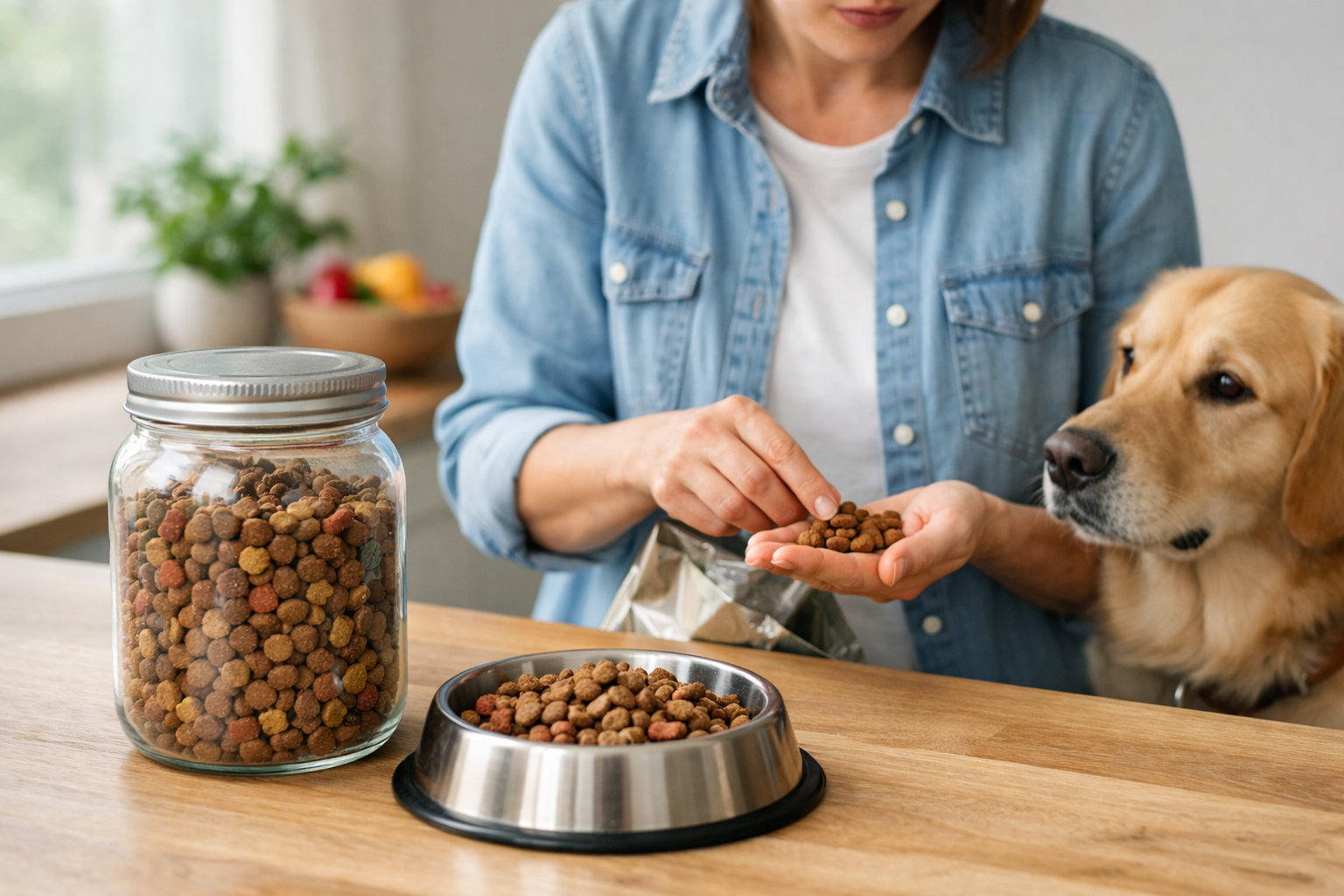
You reach into the pantry to scoop dinner and notice the bag of kibble has been sitting there for a while. Maybe the clip was a little loose or you cannot remember exactly when you bought it. It is a common moment for many of us. We want to ensure our dogs are getting peak nutrition without any risk of upset stomachs. At BaxterBoo, we have helped pet owners navigate these daily care questions since 2006. Understanding how long dry dog food stays good for is about more than just checking a date on the bag. It involves knowing how fats break down, how humidity affects crunch, and why the bag itself is a piece of technology. This guide explains the real shelf life of kibble and how to keep it fresh from the first scoop to the last.
Understanding the Difference Between Dates and Freshness
Every bag of dog food comes with a date stamped somewhere on the packaging. You might see it labeled as "Best By," "Use By," or "Expiration." It is important to know that these dates primarily apply to unopened bags. Most manufacturers design their packaging to keep out oxygen and moisture for 12 to 18 months from the date of production.
The "Best By" date is the manufacturer's estimate of how long the food maintains its full nutritional profile. Over time, vitamins and minerals can naturally degrade. Manufacturers like NutriSource or Stella and Chewy’s often include slightly higher levels of these nutrients to ensure the food remains balanced until that date. However, once you break the seal, that date becomes much less relevant.
Quick Answer: Most dry dog food stays fresh for 4 to 6 weeks once the bag is opened. Unopened bags generally last 12 to 18 months if stored in a cool, dry place.
How Long Does an Opened Bag Last?
Once you open a bag of kibble, the clock starts ticking much faster. Oxygen enters the bag and begins a process called oxidation. This is particularly impactful for the fats and oils in the food. Most experts and manufacturers recommend finishing a bag within 4 to 6 weeks of opening it.
If you have a small dog but prefer buying large, 30 pound bags to save money, you might be feeding stale food by the time you reach the bottom. Stale food is not just a matter of taste. It can actually lose its nutritional value. The fats can become rancid, which can lead to digestive issues or long term health concerns.
We carry a variety of bag sizes from our dry dog food category and brands like Acana so you can choose a size that fits your dog's eating habits. If you cannot finish a large bag in about six weeks, it is often better to buy smaller bags more frequently. This ensures every bowl is as fresh as the first one.
Signs That Your Dry Dog Food Has Gone Bad
Your dog has a much more sensitive nose than you do. Sometimes they will be the first to tell you that something is wrong. If your typically hungry dog suddenly snubs their bowl, take a closer look at the food.
The Smell Test
Fresh kibble should have a mild, grainy, or meaty scent. If you notice a sour, metallic, or "old paint" smell, the fats have likely gone rancid. This is the most common sign of spoilage in dry food.
Visual Changes
Look for any signs of mold or fuzzy growth. This usually happens if moisture gets into the bag. You should also check for "clumping," where the kibble pieces stick together. This indicates high humidity has compromised the food.
Texture and Consistency
Dry food should be crunchy. If the kibble feels soft, damp, or crumbles too easily in your hand, it has absorbed too much moisture. This makes it a breeding ground for bacteria or mold.
Key Takeaway: Always trust your dog’s nose. If they refuse to eat a brand they usually love, check the food for a rancid smell or signs of moisture.
The Role of Oxidation and Rancid Fats
To understand why dry food goes bad, you have to look at the ingredients. High quality dog foods from brands like Open Farm or Orijen often use healthy fats and Omega fatty acids. While these are great for your dog's coat and brain health, they are also very sensitive to oxygen.
When oxygen hits these fats, they begin to break down. This process creates free radicals and off flavors. Rancid fats do not just taste bad. They can cause internal inflammation or vitamin deficiencies over time if fed consistently. This is why keeping air out of the bag is the most important part of storage.
Best Practices for Storing Dry Dog Food
Many pet owners make the mistake of pouring the kibble out of the bag and into a plastic bin. While this looks neat in the pantry, it can actually cause the food to spoil faster.
Keep It in the Original Bag
The bags used by premium brands are engineered to protect the food. They often have specialized liners that act as an oil and oxygen barrier. When you pour food directly into a plastic bin, the oils can leach into the plastic and become rancid. This contaminates the next batch of food you pour in.
Use an Airtight Secondary Container
The best way to store food is to keep the kibble in its original bag, roll the top down tightly, and then place that entire bag into an airtight container. This provides a double layer of protection against oxygen, moisture, and pests.
Location Matters
Store your dog food in a cool, dry place. The temperature should ideally stay below 80 degrees Fahrenheit.
- Avoid the garage: Temperature swings and humidity can ruin kibble quickly.
- Avoid the laundry room: High humidity from the dryer can cause mold.
- Avoid sunlight: UV rays and heat can accelerate the breakdown of nutrients.
If you want a deeper dive into storage basics, our blog post on how long dry dog food lasts is a helpful next step.
Common Storage Mistakes to Avoid
It is easy to fall into habits that seem helpful but actually compromise the food.
- Topping off the bin: Never pour new food on top of old food. The crumbs and oils at the bottom of the container are the oldest. They can become rancid and contaminate the fresh bag immediately.
- Leaving the scoop in the bag: Our hands and the scoop itself can introduce moisture and bacteria. Keep the scoop clean and store it outside the bag if possible.
- Washing the bowl infrequently: Saliva and food oils left in the bowl can grow bacteria. Wash your dog's food bowl with hot, soapy water every day.
If your dog seems picky or loses interest in dry food, our blog post on is air-dried dog food good for your dog can help you compare other feeding options.
Vet Tip: If your dog develops sudden vomiting or diarrhea after starting a new bag of food or reaching the bottom of an old one, consult your veterinarian. These can be signs of food borne illness or rancid fat consumption.
When Health Issues Require Specific Diets
Sometimes, a dog's health needs change, and they require a prescription diet. These formulas are specifically created to manage conditions like kidney disease, urinary crystals, or severe allergies. Because these foods often have unique ingredient profiles, keeping them fresh is even more vital.
Our pet pharmacy carries FDA approved prescription pet foods through our partnership with Pet's Choice. If your vet has prescribed a specific diet from Farmina Vet Life or Royal Canin, you can manage those orders through us. These specialized diets often come in smaller bags or specific packaging to ensure the active ingredients stay stable.
The Risks of Feeding Expired or Spoiled Food
Feeding a bowl of expired food might not cause an immediate emergency, but it is not worth the risk. Spoiled food can lead to several problems:
- Nutritional Deficiencies: If the vitamins have degraded, your dog is not getting what they need to stay healthy.
- Bacterial Contamination: Moisture can lead to the growth of Salmonella or E. coli.
- Mycotoxins: This is a fancy word for toxins produced by mold. Some molds that grow on grain based kibble can be very dangerous for pets.
- Digestive Upset: Rancid fats are hard on the stomach and can cause loose stools or gas.
If you are ever in doubt about the safety of a bag of food, it is better to be safe and replace it.
Managing Your Food Supply with Ease
Buying the right amount of food at the right time is the best way to ensure freshness. At BaxterBoo, we offer several ways to make this easier for you.
Our Autoship program is a great tool for freshness management. You can calculate how long a bag should last based on your dog's daily feeding amount. Then, set your deliveries to arrive just as you are finishing the previous bag. This prevents you from having bags sit in the pantry for months.
Plus, as a member of the MVP Rewards programme, you earn points on every bag of food you buy. This helps you get the best value on premium brands like Zesty Paws or The Honest Kitchen without having to buy "bulk" sizes that might go stale before you can use them.
Signs Your Dog Food Storage Needs an Upgrade
If you notice any of these issues, it might be time to change how you handle your dog's meals:
- The pantry has a strong "dog food" smell.
- You find pantry moths or other insects near the food.
- The kibble feels greasy to the touch.
- The bag is ripped or cannot be closed tightly.
For more on managing portions and timing, see our blog post on how much dry food to feed a dog.
Freshness Checklist
- Check the "Best By" date before purchasing.
- Write the date of opening on the bag with a marker.
- Squeeze out excess air before sealing the bag.
- Clean your storage bin every time you finish a bag.
- Store food off the floor to prevent temperature transfers and pest access.
If you are comparing feeding styles, our blog post on should you feed your dog wet and dry food is a useful companion read.
Bottom line: Freshness is the foundation of good nutrition, and 4 to 6 weeks is the magic window for an opened bag of dry dog food.
Conclusion
Keeping your dog's dry food fresh is one of the simplest ways to support their long term health. By focusing on the 4 to 6 week window after opening and prioritizing proper storage in the original bag, you ensure every meal is safe and nutritious. Remember to keep the food in a cool, dark place and avoid the temptation to pour kibble directly into plastic bins.
If you are managing a senior dog or a pet with chronic health needs, the quality of their food is even more critical. Our pharmacy and partnership with Pet's Choice are here to support you with prescription diets and health management tools. For everyone else, our expertly curated selection of premium dry foods and our Autoship program make it easy to keep the freshest food on hand.
FAQ
Does the expiration date matter if the bag is unopened?
Yes, the "Best By" date indicates when the nutrients like vitamins and fats may begin to degrade. While the food might not be immediately dangerous the day after that date, it will no longer provide the complete and balanced nutrition promised on the label. For the best results, use unopened bags before they reach this date.
Can I store dry dog food in the garage?
It is not recommended to store dog food in a garage. Garages are subject to extreme temperature changes and high humidity, both of which accelerate spoilage and the growth of mold. Heat can also cause the fats in the food to turn rancid much faster than they would in a climate controlled pantry.
Is it okay to pour new kibble on top of old kibble in a bin?
You should never pour new food on top of old food. The crumbs and fats at the bottom of the bin can become rancid and will immediately contaminate the fresh food you pour in. Always finish the old bag, wash and dry the container thoroughly, and then place the new bag inside.
Can I freeze dry dog food to make it last longer?
While freezing can prevent fats from going rancid, it often introduces moisture through condensation when you take the food out to thaw. This moisture can lead to mold growth. Instead of freezing, it is better to buy bag sizes that your dog can finish within 4 to 6 weeks.






