
 Save 15% on your 1st Autoship learn more

 Email us
 Live Chat
 FAQs
FAQs





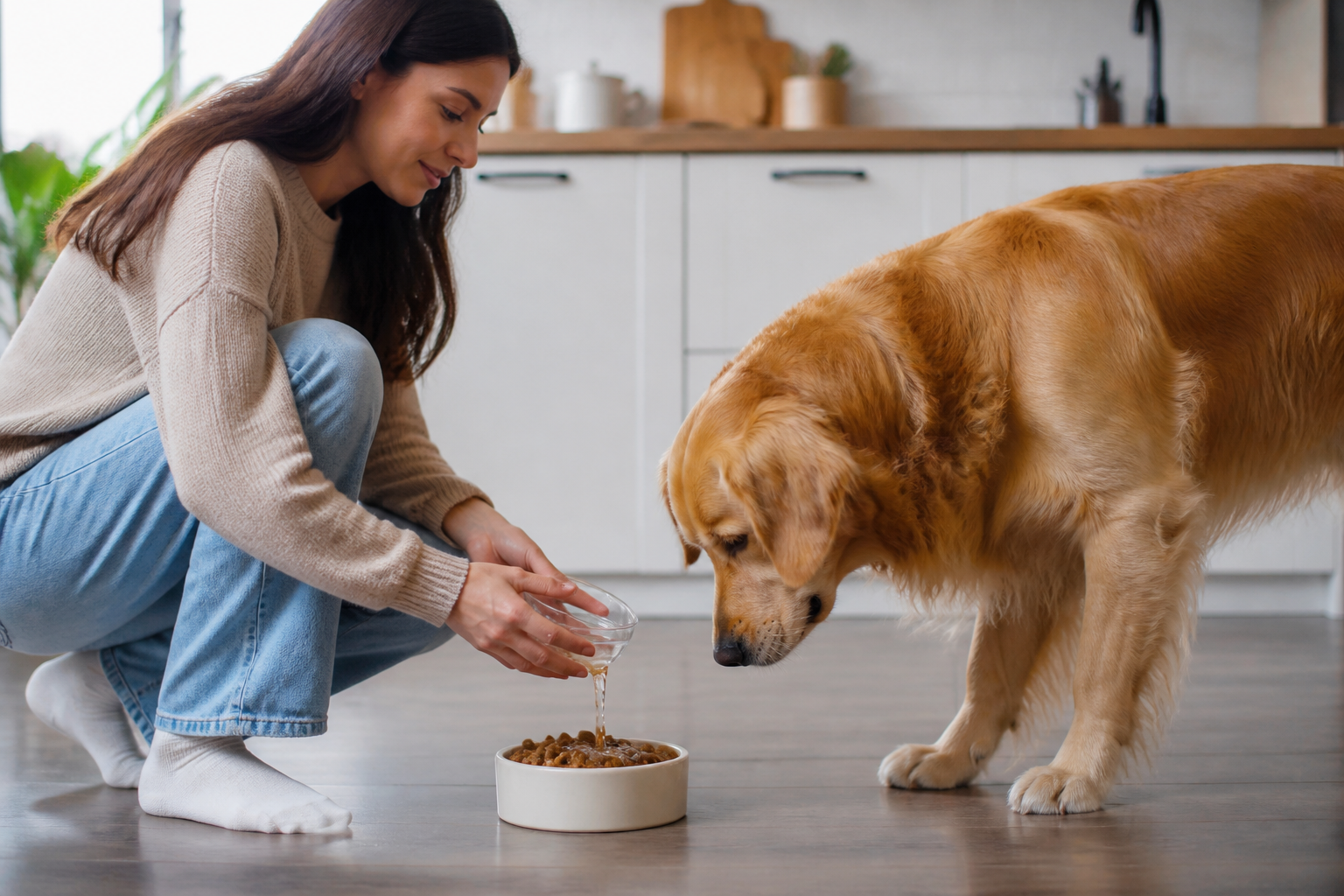
Introduction
You just pulled a fresh bag of freeze dried nuggets from the pantry and your dog is already spinning in circles. You notice the texture is light, porous, and very dry to the touch. It feels more like a cracker than a piece of steak. While these meals are incredibly convenient, you might wonder if you can just pour them into the bowl or if you need to add water first. At BaxterBoo, we hear this question frequently from owners who are moving away from traditional kibble toward raw or whole food diets. This post covers the science of moisture in a dog's diet and why rehydration is usually the best choice for a full meal. We will also look at the rare times when feeding it dry is perfectly fine. Adding water is more than just a texture preference: it is a health decision.
The Science Behind Freeze-Drying
To understand why moisture is so important, you have to look at how the food is made. Freeze-drying is a unique preservation process that is very different from standard dehydration. Dehydration uses low heat to evaporate water over many hours. This heat can sometimes change the texture or slightly reduce the nutrient profile of the ingredients.
Freeze-drying uses a process called sublimation. The raw ingredients are frozen at extremely low temperatures. They are then placed in a vacuum chamber. The ice in the food turns directly into water vapor without ever becoming a liquid. This removes about 98 percent of the moisture while keeping the cellular structure of the meat and vegetables intact.
This process preserves the enzymes and vitamins that high heat can destroy. Brands like Stella & Chewy's or Open Farm use this method to provide a shelf stable product that mimics a raw diet. The result is a food that is very nutrient dense but also very thirsty. Because the water is gone, the food is waiting to soak up any liquid it touches.
Do You Have to Rehydrate Every Meal?
The short answer is that for a complete meal, yes, you should rehydrate it. While most dogs will happily crunch on dry nuggets, their bodies are not designed to process such a concentrated form of food without assistance.
Quick Answer: While you can technically feed freeze dried dog food dry, we recommend rehydrating it for every full meal. Adding water or broth helps with digestion, prevents dehydration, and ensures your dog gets the moisture they need for kidney and urinary health.
If you are only using the food as a small topper or a training reward, rehydration is not mandatory. The small amount of dry food will not significantly impact your dog's hydration levels. However, if that bag represents their entire breakfast or dinner, you must add liquid.
Why Moisture Matters for Dogs
Dogs have a relatively low thirst drive compared to humans. In the wild, their ancestors obtained most of their hydration directly from the prey they ate. Fresh meat is roughly 70 to 75 percent water. When a dog eats a diet of fresh or raw food, they naturally stay hydrated through their meals.
Digestion and Nutrient Absorption
When a dog eats freeze dried food dry, the food must pull moisture from the dog's digestive tract to break down. This can lead to a slight state of dehydration every time they eat. If the food does not have enough moisture, it can sit in the stomach longer. This makes the digestive system work much harder than it should. Rehydrating the food before it hits the bowl allows the stomach to begin the work of nutrient absorption immediately.
Kidney and Urinary Health
Consistent hydration is the best way to support your dog's kidneys and bladder. Water helps flush out toxins and prevents the formation of urinary crystals or stones. Many dogs who eat a strictly dry diet live in a state of mild, chronic dehydration. By adding water back into their freeze dried nuggets, you are giving their internal organs a break.
Vet Tip: If your dog has a history of kidney issues or urinary stones, hydration is your primary tool for management. Our pet pharmacy carries prescription diets for these conditions through our partnership with Pet's Choice, but always consult your veterinarian before switching foods if your dog is managing a chronic illness.
When It Is Safe to Feed Dry
There are specific scenarios where feeding freeze dried food without water is fine. You do not need to carry a water bottle and a bowl to the park just because you are using freeze dried treats.
- Training Rewards: Because freeze dried meat is so flavorful, it makes an excellent high value treat. Using small crumbles during a training session is perfectly safe.
- Meal Toppers: If you sprinkle a small amount over regular kibble to encourage a picky eater, you do not necessarily need to soak it. The kibble already requires the dog to drink water separately.
- Travel and Convenience: If you are on a hike and want to give your dog a quick snack, feeding a few nuggets dry is acceptable. Just ensure you offer plenty of fresh water immediately after.
Step-by-Step: How to Rehydrate Properly
Rehydrating is not as simple as drowning the food in a bowl of water. You want to make sure the moisture actually gets into the center of the nuggets.
Step 1: Crumble the nuggets. / Use your hands or a fork to break the nuggets into smaller pieces. This increases the surface area and allows the water to soak in much faster.
Step 2: Add your liquid. / Follow the manufacturer's instructions on the bag. Most brands recommend a ratio of one part liquid to two parts food.
Step 3: Stir and wait. / Give the mixture a quick stir to ensure all the pieces are coated. Let it sit for at least three to five minutes. You will see the food expand and soften. For another look at the process, read our guide to feeding freeze dried dog food.
Step 4: Check the temperature. / If you used warm water, make sure it is not too hot for your dog's mouth. The food should feel like a soft, chunky pate.
Choosing Your Liquid
You are not limited to just plain tap water. Adding different liquids can provide an extra nutritional boost and make the meal even more appealing to your dog.
Water vs. Bone Broth
Warm water is the most common choice. It is free and easy to access. However, many owners prefer to use bone broth. Ensure you use a broth specifically formulated for pets, like those from Caru or The Honest Kitchen. Human bone broths often contain onions, garlic, and high levels of salt, which are dangerous for dogs. Pet safe bone broth adds collagen for joint health and glycine for liver support.
The Role of Raw Goat Milk
Raw goat milk is often called universal milk because it is so easy for most mammals to digest. It is packed with probiotics and electrolytes. If you have a dog with a sensitive stomach, rehydrating their freeze dried food with goat milk can help settle their digestion. It adds a creamy texture that many dogs find irresistible.
Using Nutritional Liquids
You can also use liquids from fermented vegetables or unsweetened coconut water for a splash of electrolytes. If your dog is a picky eater, changing the liquid can keep them interested in their food without changing the protein source.
Key Takeaway: Rehydrating with bone broth or goat milk turns a standard meal into a functional superfood bowl. These liquids provide extra nutrients that water alone cannot offer.
Managing Picky Eaters
Some dogs are suspicious of "mushy" food. If your dog has spent years eating crunchy kibble, the texture of rehydrated freeze dried food might be a shock. You can handle this by gradually changing the consistency.
Start by just spraying the nuggets with a little bit of water from a spray bottle. This keeps the crunch but adds a tiny bit of moisture. Over a week, gradually add more water until the food is fully soft. You can also try using warm broth, as the aroma of warm meat is often enough to convince a picky eater to dive in.
If your dog still refuses wet food, you can try "half and half" feeding. Rehydrate half of the meal and leave the other half dry as a topper. This provides some of the hydration benefits while satisfying their craving for texture. You can also compare this approach with our guide to mixing dry dog food with wet food.
Safety and Handling Tips
Even though freeze dried food is shelf stable, it is often made from raw ingredients. This means you must practice good food safety.
- Wash the Bowl: Once you add water to freeze dried food, it is no longer shelf stable. Any leftovers should be treated like fresh meat. If your dog does not finish the meal within 30 minutes, pick it up and throw it away.
- Clean Your Hands: Always wash your hands after handling the nuggets or the rehydrated mixture. Bacteria can still exist in the dry state, and moisture provides a breeding ground for them to grow.
- Store Properly: Keep the bag tightly sealed in a cool, dry place. If moisture gets into the bag, it can cause mold to grow.
- Check the Bag: Most freeze dried foods have a shelf life of about 18 to 24 months when unopened. Once opened, try to use the bag within 30 days for maximum freshness.
Transitioning Your Dog
If you are moving from kibble to freeze dried food, do not make the switch overnight. A sudden change in protein and fat levels can cause an upset stomach.
Start by replacing 25 percent of their old food with rehydrated freeze dried food. Do this for three days. If their stools remain firm, move to a 50 percent split for another three days. Continue this until they are eating 100 percent of the new diet. This slow transition gives the digestive enzymes time to adjust to the new nutrient density.
We carry a wide variety of freeze dried brands to help with this transition. If you find a brand your dog loves, consider using our Autoship programme. This ensures you never run out of their favorite protein and saves you money on every recurring order. Our MVP Rewards program also allows you to earn points on every bag you buy.
Specific Benefits for Senior Dogs
Senior dogs often struggle with dental issues or a decreased appetite. Rehydrating their food makes it much easier to chew and swallow. The intense smell of rehydrated meat also helps stimulate the appetite of older dogs who may be losing their sense of smell.
Furthermore, senior dogs are more prone to dehydration. Their kidneys often function less efficiently as they age. Providing a moisture-rich meal is one of the simplest things you can do to support their longevity. If your senior dog needs extra support, you can look for freeze dried formulas that include added glucosamine or chondroitin for joint health.
Bottom line: Rehydrating freeze dried food is the most effective way to turn a convenient, shelf stable product into a biologically appropriate, hydrating meal.
Summary of Best Practices
- Always rehydrate for full meals: Use water, broth, or goat milk to support digestion.
- Use dry nuggets as treats only: Small amounts of dry food are fine for training.
- Wait for the soak: Give the food three to five minutes to fully absorb the liquid.
- Practice safety: Wash bowls after every meal to prevent bacterial growth.
- Support the kidneys: High moisture diets are essential for long term organ health.
For all your dog's nutritional needs, you can explore our full collection of freeze dried dog food. Whether you need a high protein meal or a specific formula for a sensitive stomach, we have the selection and expertise to help you make the right choice.
FAQ
Can I use hot water to rehydrate the food?
You should use warm water rather than boiling water. Boiling water can cook the raw ingredients and potentially destroy some of the delicate vitamins and enzymes the freeze-drying process worked so hard to preserve. Warm water is perfect because it helps release the aroma and speeds up the rehydration process. Always test the temperature with your finger before serving it to your dog.
How long can rehydrated freeze dried food stay in the bowl?
Once you add moisture, the food is no longer shelf stable and should be treated like any other fresh or wet food. You should not leave it out for more than 30 to 60 minutes. If your dog has not finished their meal by then, you should discard the leftovers and wash the bowl thoroughly. Leaving wet food out can attract insects and allow harmful bacteria to multiply.
Will feeding it dry cause my dog to bloat?
While freeze dried food does expand when moisture is added, it does not typically cause the same type of "kibble bloat" that some large breeds experience. However, eating a large amount of dry, concentrated nuggets can lead to stomach discomfort as the food expands inside the digestive tract. Rehydrating the food before feeding ensures that the expansion happens in the bowl rather than in your dog's stomach.
Does feeding freeze dried food dry help clean my dog's teeth?
The idea that dry food cleans teeth is largely a myth for most modern pet foods. Because freeze dried food is porous and crumbles easily, it does not provide the mechanical scraping action needed to remove plaque. In fact, dry food can sometimes get stuck in the gum line. For dental health, it is much better to rely on specific dental chews, toys, or regular brushing rather than relying on the texture of the food.






