
 Save 15% on your 1st Autoship learn more

 Email us
 Live Chat
 FAQs
FAQs





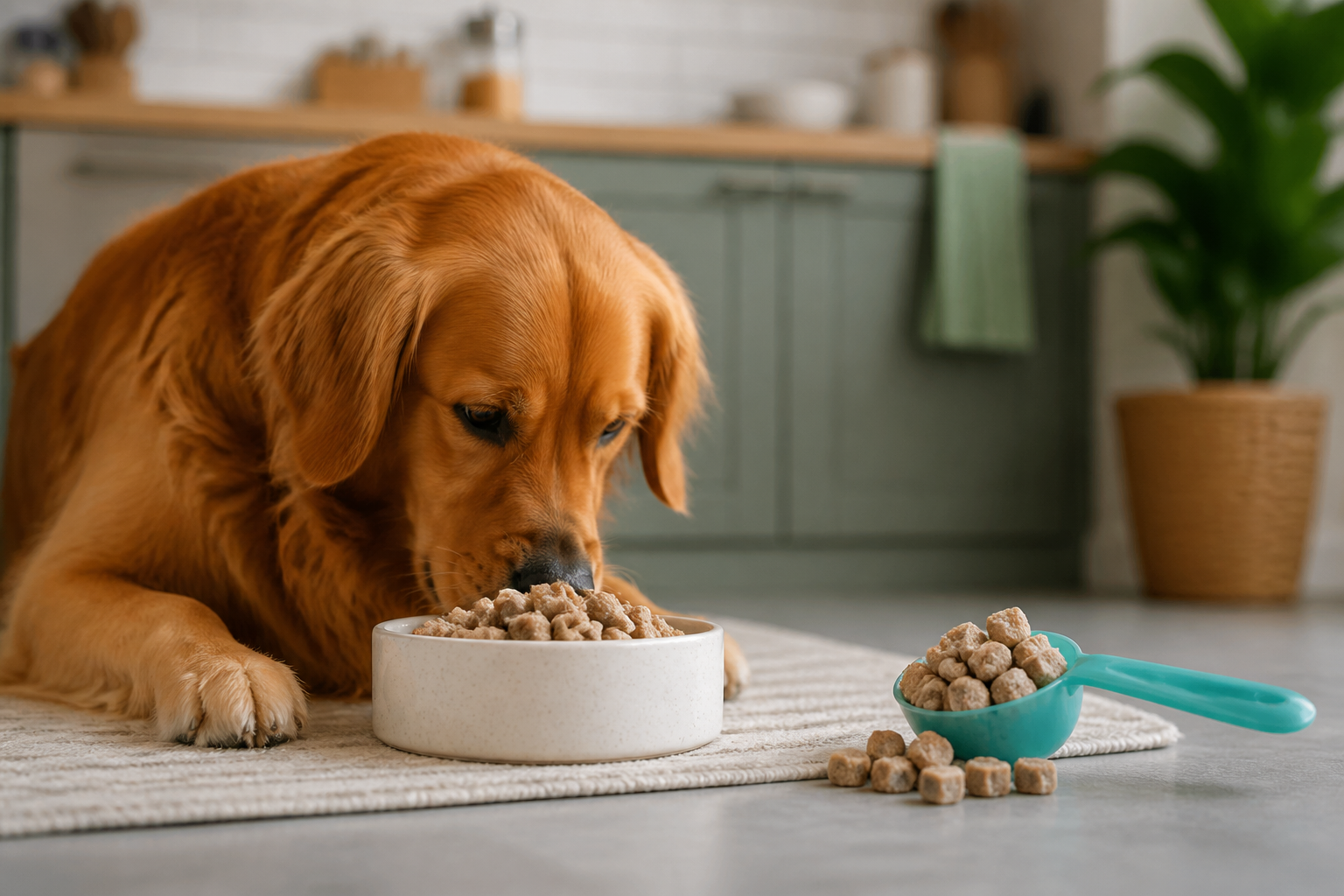
Introduction
You are standing in the pet food aisle or browsing online and see those lightweight, nutrient-dense nuggets. They look like a great way to give your dog the benefits of a raw diet without the messy thaw of frozen patties. However, as you hold the bag, a question might cross your mind: since this is technically raw meat, is it actually safe? At BaxterBoo, we hear this concern frequently from pet owners who want to upgrade their dog’s nutrition while keeping their household healthy. This article explains how the freeze-drying process works and why bacteria can sometimes survive it. We will cover the safety measures manufacturers take and how you can handle these products safely at home. Understanding the bacterial reality of these diets helps you make the best decision for your dog’s unique needs.
What is Freeze-Dried Raw Dog Food?
Freeze-dried dog food is a type of raw meat-based diet that has had nearly all its moisture removed. This process is called sublimation. It involves freezing the food and then placing it in a vacuum chamber. In this environment, the ice in the food turns directly into vapor without becoming liquid first. This method is different from traditional dehydration or air-drying. Dehydration typically uses low levels of heat to evaporate water. While effective, that heat can slightly change the texture and some of the delicate nutrients in the meat.
Freeze-drying is often considered the gold standard for preserving nutrition. It keeps the enzymes, proteins, and vitamins in their natural state. This results in a product that is shelf-stable and very lightweight. It does not require refrigeration or a freezer like traditional raw diets. Most brands we carry, such as Stella and Chewy’s or Vital Essentials, formulate these recipes to be highly palatable for picky eaters. Browse our freeze-dried pet food collection to compare available options.
Quick Answer: Yes, freeze-dried raw dog food can contain bacteria. The freeze-drying process removes moisture to stop bacterial growth, but it does not consistently kill existing pathogens like Salmonella or Listeria.
Does the Freeze-Drying Process Kill Bacteria?
There is a common misconception that freeze-drying is a sterilization step. It is not. In many scientific settings, researchers actually use freeze-drying to preserve bacteria for later study. When you remove the water from a piece of meat, you are removing the resource that bacteria need to multiply. This makes the food shelf-stable. However, the bacteria often enter a dormant state rather than dying off.
If those dormant bacteria are rehydrated with water or enter a warm, moist environment like a dog’s stomach, they can become active again. A study by the FDA and research from institutions like Cornell University have shown that pathogens can be cultured from many raw pet foods. This includes freeze-dried options. While the risk might be lower than a piece of fresh raw chicken sitting on a counter, the potential for contamination exists. For additional guidance about preparing these foods, read our freeze-dried dog food feeding guide.
Common Pathogens Found in Raw Diets
- Salmonella: This is the most frequently cited concern for both pets and humans.
- Listeria monocytogenes: These bacteria can survive in cold and dry environments.
- Escherichia coli (E. coli): Specific strains can cause severe gastrointestinal distress.
- Campylobacter: This is a common cause of food poisoning that can hide in poultry-based diets.
Key Takeaway: Freeze-drying makes food shelf-stable by stopping bacterial growth, but it does not act as a "kill step" for pathogens already present in the raw ingredients.
How Manufacturers Mitigate Bacterial Risks
Because of the inherent risks of raw meat, many reputable brands use a safety process called High-Pressure Pasteurization (HPP). This is a cold-water pressure process. It subjects the food to incredibly high levels of pressure to neutralize harmful pathogens. It does this without using heat, which protects the nutritional integrity of the raw ingredients.
HPP is currently one of the most effective ways to make raw diets safer for home use. When you are shopping at BaxterBoo, look for brands that specify their safety testing protocols. Many high-quality companies test every batch for pathogens before the food ever leaves their facility. This level of transparency is vital for pet owners who are concerned about household safety. You can explore our selection of Stella and Chewy’s products when comparing freeze-dried choices.
Shopping Checklist for Safer Raw Food
- Check for a statement about High-Pressure Pasteurization (HPP).
- Look for a "Complete and Balanced" AAFCO statement on the bag.
- Research the brand's history of safety testing and recalls.
- Ensure the packaging is airtight and has no punctures.
The Role of Your Dog's Digestive System
Many advocates for raw feeding argue that a dog’s digestive system is designed to handle bacteria. It is true that dogs have shorter digestive tracts and highly acidic stomach environments. This can often prevent them from getting sick from bacteria that would harm a human. However, dogs are not immune to food poisoning.
Even if your dog shows no symptoms, they can become "subclinical shedders." This means they carry the bacteria in their gut and pass it through their stool. This is where the risk to human family members becomes a major factor. If you have young children, elderly family members, or anyone with a compromised immune system in the house, the presence of these bacteria in the environment is a serious consideration.
Vet Tip: If your dog develops sudden diarrhea, vomiting, or lethargy after starting a raw diet, consult your veterinarian immediately. Our pet pharmacy for dogs provides access to prescription diets and medications that can help manage gastrointestinal issues or nutritional deficiencies.
Practical Steps for Safe Handling at Home
If you decide that the nutritional benefits of a freeze-dried raw diet are right for your dog, safety starts in your kitchen. You should treat freeze-dried nuggets with the same caution you would use for a raw steak. Even though the food is dry and doesn't feel messy, the microscopic risk is still there.
Step 1: Wash your hands. Always scrub with soap and warm water for at least 20 seconds after touching the food or the bag.
Step 2: Use dedicated bowls. Stainless steel or ceramic bowls are best because they are non-porous. Avoid plastic bowls that can develop tiny scratches where bacteria can hide.
Step 3: Clean surfaces immediately. Wipe down your counters and any areas where the food was handled with a pet-safe disinfectant.
Step 4: Practice safe storage. Keep the bag tightly sealed in a cool, dry place. If you rehydrate the food with water, do not leave it sitting out for more than 30 minutes. Toss any leftovers that your dog does not finish. For more feeding and rehydration tips, see our guide on how to feed freeze-dried dog food.
When to Choose a Different Diet
While many dogs thrive on freeze-dried raw food, it is not the best choice for every household. For example, if you are managing a senior dog with a weakened immune system, a cooked diet might be safer. Brands like Royal Canin or Farmina offer high-quality cooked options that provide excellent nutrition without the raw bacterial risk.
Additionally, dogs with certain health conditions like chronic kidney disease or pancreatitis may need specific protein and fat levels that raw diets might not satisfy. This is where a prescription diet from our pharmacy can be life-changing. We carry FDA-approved prescription foods for a variety of conditions through our partnership with Pet's Choice.
Bottom line: While raw diets offer great protein levels, homes with high-risk individuals or pets with specific medical needs may be better served by high-quality cooked diets.
The Benefits of High-Quality Nutrition
Despite the concerns about bacteria, many owners see visible improvements when they switch to freeze-dried raw food. Because the ingredients are minimally processed, the nutrients are highly bioavailable. This often leads to smaller, firmer stools and a shinier coat. Brands like Stella and Chewy's are often a favorite for dogs with food sensitivities because they use limited, high-quality ingredients.
If you are looking for a middle ground, consider using freeze-dried raw as a "topper." You can sprinkle a small amount over high-quality kibble. This adds a boost of raw enzymes and flavor without making it the sole source of nutrition. This can also help keep costs down while still providing your dog with premium ingredients.
Managing Your Dog’s Long-Term Health
Nutrition is only one piece of the puzzle. Managing your pet’s health often involves a combination of high-quality food, regular vet visits, and supplements. If you are feeding a raw diet specifically to help with joint health or skin allergies, you might also consider targeted supplements like Cosequin or Zesty Paws.
If your veterinarian prescribes a specific treatment plan for allergies or chronic conditions, our pharmacy is a convenient resource. We provide a wide range of medications and prescription foods that can be delivered right to your door. This is especially helpful for owners who use our Autoship programme to save time and money on their regular pet care supplies.
Key Takeaway: Combining a nutrient-dense diet with the right supplements and veterinary guidance is the most effective way to support your dog’s wellness through all life stages.
Conclusion
Freeze-dried raw dog food offers a convenient way to provide high-protein, minimally processed nutrition. However, it is essential to remember that freeze-drying is not a sterilization process. Bacteria can and do survive in these products. By choosing reputable brands that use High-Pressure Pasteurization and practicing strict hygiene at home, you can significantly reduce the risks. Always talk to your vet before making a major change to your pet's diet, especially if they have underlying health concerns.
- Choose brands that use HPP for safety.
- Practice thorough hand-washing and bowl sanitization.
- Monitor your dog for any signs of digestive upset.
- Consider a vet-approved cooked diet if your household includes high-risk individuals.
Ready to find the right food for your dog? Explore our full collection of freeze-dried raw dog food and treats and visit the MVP Rewards programme for ways to make regular pet purchases more rewarding.
FAQ
Is freeze-dried dog food safer than frozen raw food?
Freeze-dried food is generally more convenient because it is shelf-stable, but both carry similar bacterial risks because the meat is raw. Some freeze-dried brands are safer if they utilize High-Pressure Pasteurization (HPP) to neutralize pathogens before the drying process begins. Always check the label for safety testing information regardless of the format.
Can I get sick from handling my dog's freeze-dried food?
Yes, humans can contract Salmonella or E. coli from handling raw pet food if proper hygiene is not followed. It is vital to wash your hands with soap and water after every feeding and to sanitize any surfaces the food touches. Households with young children or immunocompromised individuals should be especially cautious.
Does freeze-drying remove the nutrients in raw meat?
Unlike high-heat cooking, freeze-drying preserves almost all the natural vitamins, minerals, and enzymes found in raw meat. It removes only the water content through a process called sublimation. This results in a very nutrient-dense and shelf-stable product that stays fresh without artificial preservatives.
Should I rehydrate freeze-dried raw food before feeding?
While many dogs enjoy the crunch of dry nuggets, rehydrating the food with warm water is often recommended to help with digestion and hydration. Adding water also brings out the natural aromas of the meat, which can be helpful for picky eaters. If you do rehydrate the food, make sure to discard any leftovers that sit out for more than a short period.






