
 Save 15% on your 1st Autoship learn more

 Email us
 Live Chat
 FAQs





Introduction
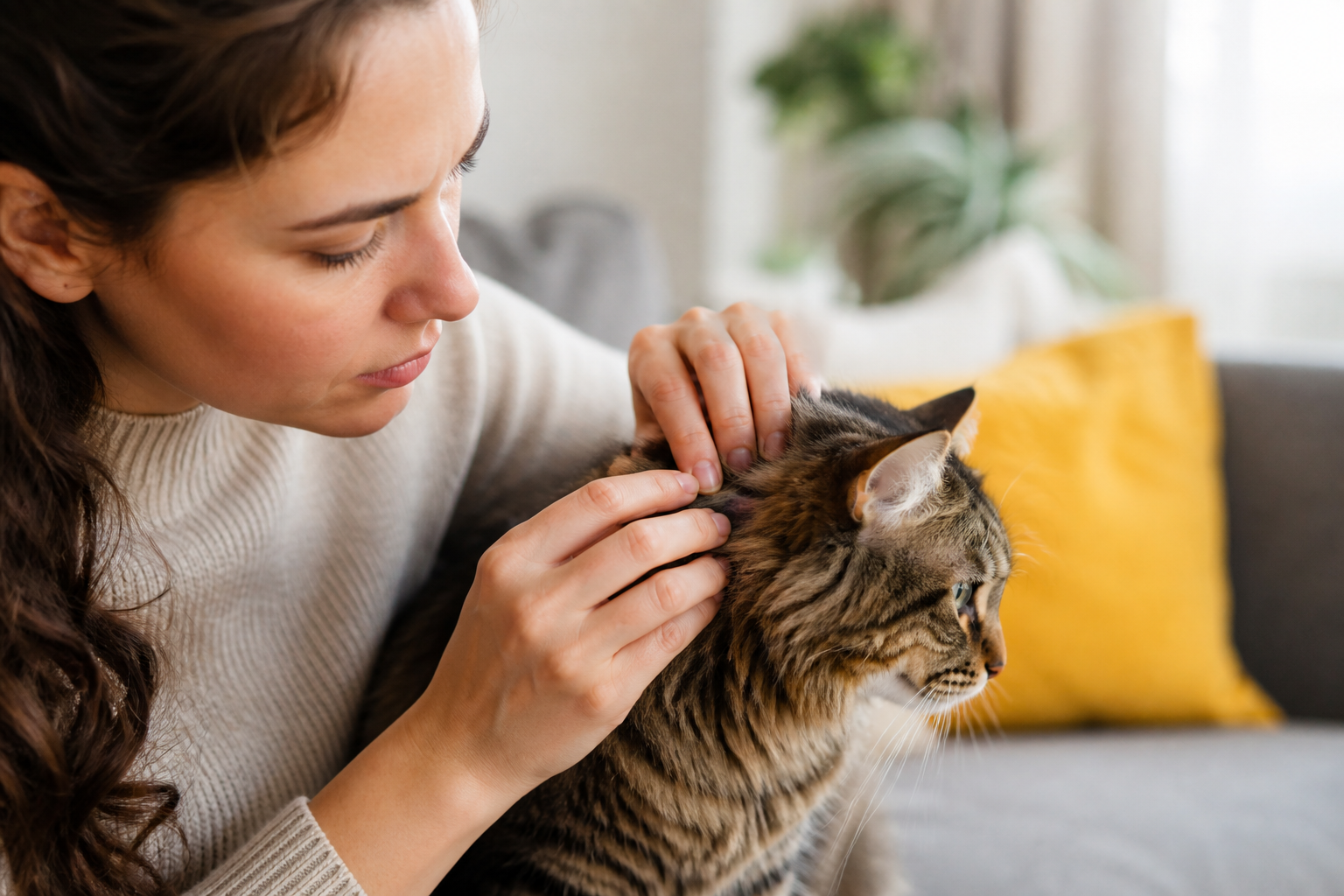
You are relaxing on the sofa with your cat when you notice small white specks scattered across their dark fur. You try to brush them away, but more appear near the base of the tail. This is a common moment for many pet owners that leads to one specific question: does my cat have dandruff? While a few flakes might seem like a minor cosmetic issue, they are often a signal from the body about skin health or grooming habits. At BaxterBoo, we see this frequently and know that understanding the root cause is the first step toward a sleek, shiny coat. This post covers the difference between normal shedding and dandruff, common environmental triggers, and when a vet visit is necessary. We want to help you identify why those flakes are appearing and how to restore your cat's skin health.
Quick Answer: Cat dandruff consists of visible white or gray flakes of dead skin that stay trapped in the fur. It is usually a symptom of an underlying issue like low humidity, poor nutrition, or a medical condition that prevents your cat from grooming properly.
Understanding the Difference Between Dandruff and Dander
It is easy to use the terms dandruff and dander interchangeably, but they refer to different things. Dander is a normal and healthy part of a cat's biology. It consists of microscopic skin cells that shed naturally as the skin renews itself. Because these cells are so small, you generally cannot see them with the naked eye. Dander is also the primary carrier of the proteins that cause allergies in humans, but it does not indicate a health problem for the cat.
Dandruff is different because the flakes are large enough to see. When skin cells die and clump together prematurely, they create the visible white or gray specks you notice during a petting session. While dander is inevitable, dandruff is an indicator that the skin is either too dry, too oily, or irritated. If you can see the flakes, your cat is experiencing more than just normal shedding.
Cat Skin & Coat Care













Why Your Cat Might Have Flaky Skin
There is rarely just one reason for feline skin flakes. Identifying the cause requires looking at your cat's environment, age, and daily habits.
Low Humidity and Seasonal Changes
Just like humans, cats often experience dry skin during the winter months. When the heater runs constantly, it strips moisture from the air. This dry environment causes the skin to lose its natural elasticity and flake off. You might notice that the dandruff improves in the spring and summer when the air is naturally more humid.
Nutritional Deficiencies
The skin is the largest organ of the body, and it requires significant resources to stay healthy. If a cat's diet is low in essential fatty acids, the skin barrier becomes weak. Omega-3 and Omega-6 fatty acids are crucial for maintaining moisture. We carry premium brands like Stella and Chewy’s or Open Farm that prioritize these nutrients, but even high-quality food might not be enough if a cat is not absorbing nutrients correctly. Explore our cat food selection when reviewing your cat’s current diet.
Dehydration
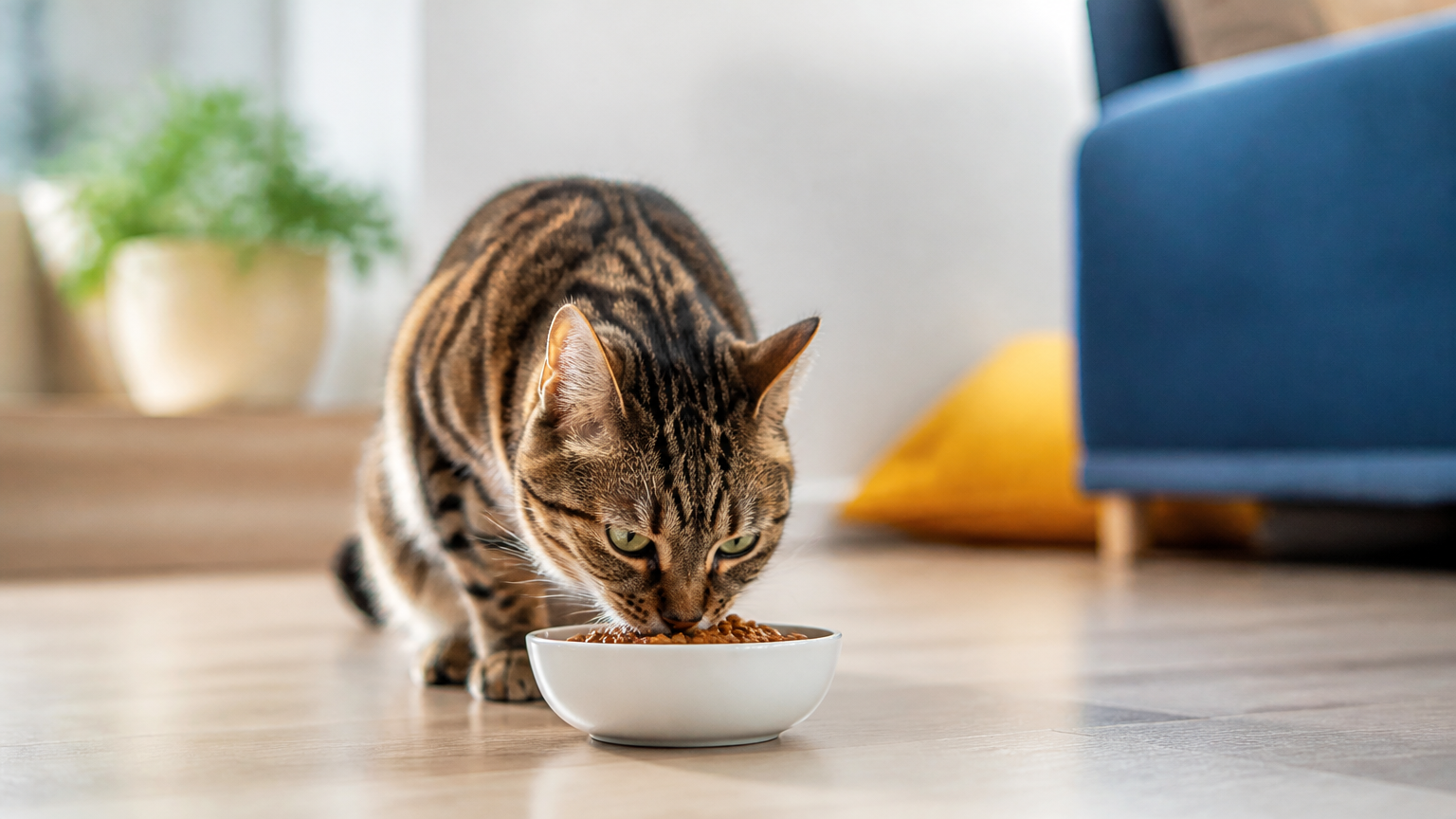
Cats have a low thirst drive. If they eat a diet consisting only of dry kibble, they may live in a state of mild, chronic dehydration. This lack of internal moisture eventually shows up on the outside as dull fur and flaky skin. Encouraging more water intake through a fountain or adding wet food can often make a visible difference. For additional feeding ideas, read our guide to sensitive-stomach cat food choices.
Key Takeaway: Dandruff is a visible symptom of skin irritation or a disrupted skin barrier, whereas dander is a microscopic, normal part of a healthy cat's life cycle.
Mobility Issues and Grooming Habits
One of the most common reasons for dandruff in older cats is a decrease in grooming. Cats are naturally fastidious, but certain physical conditions can make it impossible for them to reach every spot.
Obesity
If a cat is carrying extra weight, they simply cannot reach their middle and lower back. This is why dandruff is often most prominent at the base of the tail. When a cat cannot groom an area, dead skin cells and natural oils build up until they begin to flake off in large clumps. Helping your cat reach a healthy weight is often the best "cure" for this type of dandruff.
Arthritis and Joint Pain
Senior cats often suffer from osteoarthritis. The twisting and reaching required for a full-body groom can be painful for stiff joints. If you notice your cat has stopped cleaning their back or hindquarters, it might be due to discomfort rather than laziness. In these cases, the dandruff is a secondary symptom of a mobility issue.
Vet Tip: If your cat has suddenly stopped grooming or seems stiff when moving, consult your veterinarian to check for arthritis. Managing joint pain through the pharmacy can often lead to improved grooming and better skin health.
Potential Medical Causes
Sometimes, dandruff is a sign of something more than just dry air or a missed grooming session. Several medical conditions can cause the skin to flake excessively.
Parasites and "Walking Dandruff"
Fleas and mites are major causes of skin irritation. One specific parasite, the Cheyletiella mite, is actually nicknamed "walking dandruff." These mites are large enough to be seen with the naked eye and look like moving white flakes. This condition is highly contagious between pets and requires specific treatment. Regular flea and tick prevention is the best way to keep these pests away. You can also review this guide to flea and tick prevention products.
Fungal and Bacterial Infections
Ringworm is a common fungal infection that can cause circular patches of hair loss and flaky skin. Bacterial infections can also lead to crusting and scaling. Both of these require a professional diagnosis and prescription treatment to resolve.
Systemic Health Conditions
Issues like hyperthyroidism, diabetes, or kidney disease can affect the quality of a cat's coat. When the body is focused on managing a chronic illness, skin and fur health are often the first things to decline. If dandruff is accompanied by changes in thirst, appetite, or litter box habits, a full veterinary checkup is essential.
How to Manage Cat Dandruff at Home
If your vet has ruled out serious medical issues, you can take several steps to improve your cat's skin health. Consistency is the key to seeing results.
Step 1: Increase Brushing Frequency / Brushing your cat daily helps distribute natural oils across the skin. Use a soft-bristled brush or a grooming glove to gently remove dead skin cells and loose fur. Our cat grooming supplies include brushes, combs, shampoos, and other coat-care tools.
Step 2: Add Moisture to the Air / Use a humidifier in the rooms where your cat spends the most time. This is especially helpful during the winter when indoor air is very dry.
Step 3: Enhance the Diet / Consider adding a fish oil supplement to your cat's food. Essential fatty acids support the skin barrier from the inside out and can help reduce inflammation.
Step 4: Improve Hydration / Offer wet food or a hydration supplement. More moisture in the diet helps keep the skin hydrated and less prone to flaking. For more information about moisture-rich diets, read this guide to sensitive stomach cat food.
Bottom line: Regular grooming and environmental adjustments like humidifiers can significantly reduce non-medical dandruff in most cats.
Using the BaxterBoo Pharmacy for Skin Support
When dandruff is caused by parasites, infections, or chronic health conditions, home grooming is not enough. Through our partnership with Pet's Choice, we offer a fully stocked pharmacy that carries FDA-approved medications. This includes prescription flea and tick preventives that can eliminate "walking dandruff" and other parasites. Visit our cat pharmacy for prescription medication options.
If your veterinarian diagnoses an underlying condition like hyperthyroidism or a bacterial skin infection, you can have those prescriptions filled through us. We also carry prescription-strength shampoos and topical treatments that are formulated to soothe irritated skin and remove excess oil. Having access to a pharmacy alongside your regular pet supplies makes it easier to stay consistent with your cat's health regimen.
Selecting the Right Grooming Tools
The tools you use at home can make a big difference in how well you manage your cat's skin. Since we have been operating since 2006, we have curated a selection of grooming gear that works for various coat types.
- Slicker Brushes: These are excellent for removing loose undercoat fur that can trap dead skin.
- Grooming Gloves: These are ideal for cats that are sensitive to traditional brushes. They mimic the feeling of petting while removing flakes.
- Boar Bristle Brushes: These help distribute natural oils without irritating the skin surface.
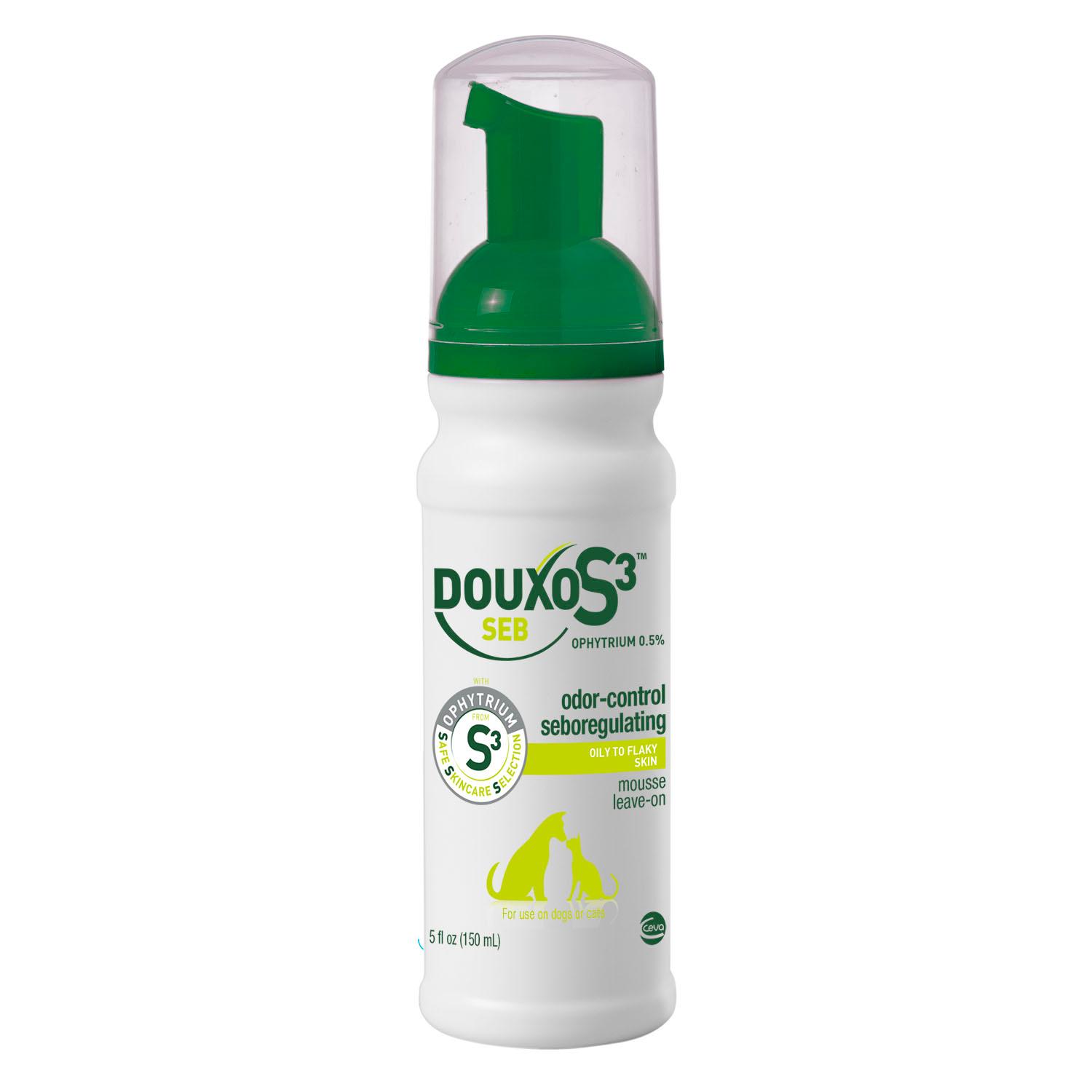
- Waterless Shampoos: If your cat hates baths, a waterless foam can help clean the coat and moisturize the skin without the stress of a tub.
For an all-purpose option, the U-Groom Combo Brush for Dogs and Cats features stainless-steel pins and boar bristles for home grooming.
Our team at BaxterBoo handpicks every product to ensure it meets the needs of real pet owners. Whether you are dealing with a long-haired Persian or a short-haired tabby, the right brush will help keep that dandruff under control.
When to Seek Veterinary Care
While most dandruff is benign, you should never ignore it if it is accompanied by other symptoms. Early intervention can prevent a small skin issue from becoming a painful infection.
Contact your veterinarian if you notice:
- Red, inflamed, or bleeding skin beneath the flakes
- Patches of hair loss or thinning fur
- Excessive scratching or biting at the skin
- A foul odor coming from the coat
- Changes in weight, energy levels, or water consumption
- The flakes appear to be moving (potential mites)
Vet Tip: Never use human dandruff shampoos on your cat. Many of these products contain ingredients like zinc pyrithione or salicylic acid that can be toxic if your cat licks them off their fur. Always use products specifically formulated for felines.
Conclusion
Seeing flakes on your cat can be worrying, but in many cases, it is a manageable condition. Whether the cause is a dry winter house, a need for better nutrition, or a mobility issue that makes grooming difficult, there are practical solutions available. By combining regular brushing with high-quality nutrition and environmental changes, you can help your cat feel more comfortable. For cases that require medical intervention, our pharmacy is here to provide the medications and prescription diets your vet recommends. We want every pet to have a healthy, itch-free life. Explore our collection of skin and coat care products or visit the pharmacy section to find the specialized care your cat needs to stay flake-free.
FAQ
Is cat dandruff the same as human dandruff?
While both involve visible skin flakes, the causes are often different. Human dandruff is frequently linked to a yeast-like fungus, whereas cat dandruff is more often caused by environmental factors like low humidity, poor diet, or a cat's inability to groom themselves. You should never use human dandruff treatments on a cat because the ingredients can be toxic to them.
Can I get rid of cat dandruff by giving my cat a bath?
Bathing a cat too frequently can actually make dandruff worse by stripping away the natural oils that protect their skin. If you do need to bathe your cat, use a moisturizing shampoo specifically designed for felines and ensure you rinse it out completely. Most cases of dandruff are better managed through daily brushing and improved nutrition rather than frequent bathing.
Are there specific foods that help with cat dandruff?
Yes, diets rich in Omega-3 and Omega-6 fatty acids are excellent for skin health. Look for foods that list high-quality animal proteins and added fish oils or flaxseed. Switching some of your cat's meals to wet food can also help by increasing their overall hydration, which keeps the skin from becoming dry and brittle.
Is "walking dandruff" dangerous for humans?
The mites that cause walking dandruff can occasionally bite humans, leading to small, itchy red bumps on the skin. However, these mites cannot complete their life cycle on a human host, so the "infestation" in people is temporary. The primary goal is to treat all the pets in your home using a veterinarian-prescribed parasite treatment from a pharmacy to stop the spread.





- Site & Contents BaxterBoo.com. BaxterBoo is located in the United States.
- Privacy & Security
- Terms of Use
- Accessibility Statement
