
 Save 15% on your 1st Autoship learn more

 Email us
 Live Chat
 FAQs
FAQs





Introduction
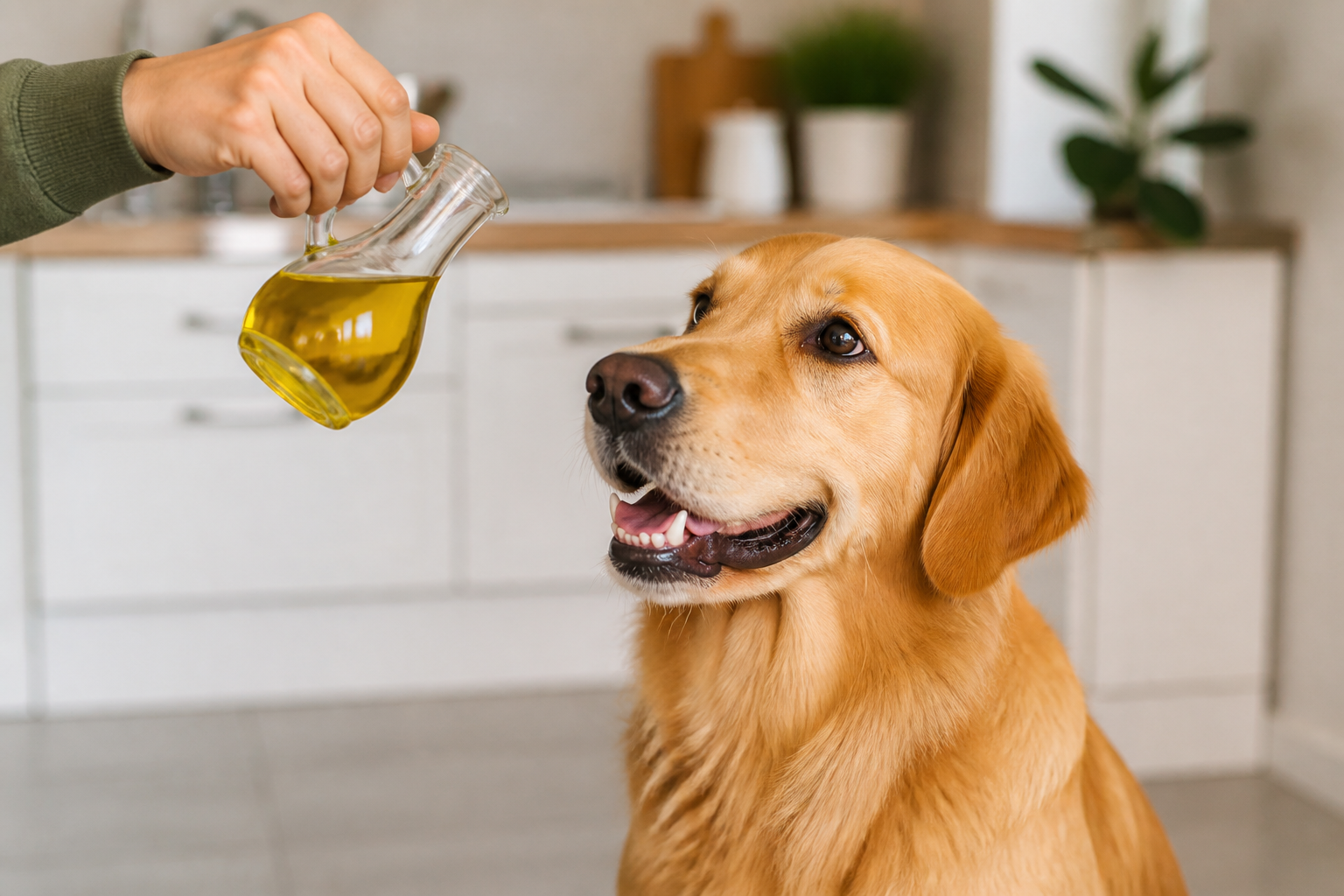
You are sitting on the rug with your dog when they let out a big yawn, and the scent that hits you is anything but fresh. It is a common moment for many pet owners. You might have heard that a splash of olive oil in the food bowl can fix almost anything, from a dull coat to itchy skin. Some online forums even suggest it might help keep those pearly whites clean. At BaxterBoo, we have spent years helping pet parents navigate the world of canine wellness, and we know how tempting it is to look for a quick fix in the kitchen pantry. While olive oil is a fantastic supplement for certain health needs, it is not a magic eraser for plaque or tartar. This article explains why olive oil falls short as a dental cleaner, what it actually does for your dog, and the proven ways to keep their breath fresh and gums healthy.
Quick Answer: No, plain olive oil does not clean a dog's teeth or remove tartar. While it offers healthy fats for skin and coat health, it lacks the mechanical action needed to break down plaque. For effective dental care, we recommend daily brushing with pet-safe toothpaste and using VOHC-approved dental chews.
Why Olive Oil Is Not a Dental Cleaner
The idea that olive oil can clean teeth often comes from a misunderstanding of how plaque works. Plaque is a sticky film of bacteria that constantly forms on the teeth. If it is not physically removed, it reacts with minerals in your dog's saliva and hardens into tartar within 24 to 36 hours. Once plaque becomes tartar, it is like concrete. No amount of oil or liquid can simply dissolve it away.
Cleaning a dog's teeth requires mechanical action. This means something needs to rub against the tooth and the gumline to scrub the bacteria away. A liquid like olive oil just slides over the surface. It does not have the abrasive texture needed to lift off biofilm. While some niche research suggests that ozonated olive oil might have antibacterial properties that support gum health, standard kitchen olive oil does not provide these benefits in a way that replaces a toothbrush.
If you rely solely on oil to manage your dog's oral hygiene, you may allow dental disease to progress unnoticed. Bacteria in the mouth can eventually enter the bloodstream, potentially leading to issues with the heart, liver, or kidneys. This is why a proactive approach involving actual cleaning tools is much more effective than pantry remedies. For more warning signs, read our guide to recognizing bad teeth in dogs.
The Real Health Benefits of Olive Oil for Dogs
Even though it will not help with dental hygiene, olive oil is still a "superfood" in the canine world when used correctly. We often suggest it to pet owners who want to support their dog's overall vitality. It is packed with monounsaturated fats, antioxidants, and vitamins that provide several systemic benefits.
Skin and Coat Support
Olive oil is rich in Vitamin E and omega-3 fatty acids. These nutrients act as internal moisturizers. If your dog struggles with dry, flaky skin or a coat that has lost its luster, adding a small amount of extra virgin olive oil to their meals can make a visible difference. Most owners see a shinier, softer coat within about 30 days of consistent use.
Anti-Inflammatory Properties
The polyphenols and oleic acid found in high-quality olive oil have natural anti-inflammatory effects. This can be especially helpful for senior dogs managing joint stiffness. While it is not a replacement for medical-grade joint supplements or medications from our dog healthcare category, it can be a helpful part of a wellness-focused diet.
Digestive Aid
In very small amounts, olive oil can act as a mild natural laxative. If your dog is experiencing minor constipation, a drizzle of oil might help move things along. However, this should only be done for occasional, mild issues. If your dog is consistently struggling to go, a visit to the veterinarian is necessary to rule out more serious blockages.
Key Takeaway: Olive oil is an excellent supplement for skin, coat, and joint inflammation, but it serves a nutritional purpose rather than a mechanical cleaning purpose for the mouth.
Risks and Considerations for Feeding Oil
Before you start pouring oil over every meal, you must consider the calorie count and the fat content. Olive oil is incredibly energy-dense. One tablespoon contains roughly 120 calories and 14 grams of fat. For a small dog, that single tablespoon could represent a significant portion of their daily caloric needs.
The Danger of Pancreatitis
High-fat additions to a diet can trigger a serious condition called pancreatitis. This is an inflammation of the pancreas that causes severe pain, vomiting, and lethargy. Some dogs are more sensitive to dietary fat than others. If your dog has a history of digestive issues or belongs to a breed prone to pancreatitis, like Miniature Schnauzers, you should be extremely cautious with any oil supplements.
Weight Management
Obesity is a major health crisis for pets in the US. Extra calories from oils can lead to weight gain, which puts unnecessary stress on a dog's joints and heart. If your dog is already carrying extra weight, it is better to look for low-calorie ways to support their health. We carry several weight management formulas and prescription diets through our partnership with Pet's Choice that can help keep your dog at a healthy size while still providing essential nutrients.
Serving Guidelines
If your veterinarian gives you the green light to use olive oil, follow these general rules:
- Use Extra Virgin Olive Oil (EVOO) for the highest nutrient content.
- Start with a very small amount to avoid upsetting their stomach.
- A common guideline is 1 teaspoon per 20 pounds of body weight.
- Always mix it thoroughly into their food rather than serving it alone.
Debunking the Kibble and Dental Myth
For a long time, the common wisdom was that feeding dry kibble would keep a dog's teeth clean. The thought was that the hard pieces would scrape the teeth as the dog chewed. We now know this is largely a myth. Most dogs swallow their kibble whole or break it into only a couple of pieces. Even when they do crunch it, the kibble often crumbles before it can provide any real cleaning action at the gumline.
Furthermore, many commercial kibbles are high in starches and sugars. These ingredients can actually create a sticky residue on the teeth, providing a food source for the very bacteria that cause plaque. Starch can also shift the pH balance in your dog's mouth, making it a more hospitable environment for harmful microorganisms. While some specific prescription dental diets are engineered to scrub the teeth, standard kibble is not a substitute for active dental care.
Effective Ways to Clean Your Dog's Teeth Naturally
If olive oil and standard kibble are not the answer, how do you keep your dog's mouth healthy? The most effective methods involve a combination of mechanical cleaning and biologically appropriate foods. Explore our dog dental and breath care collection for products designed to support an at-home routine.
Daily Brushing
This is the gold standard of pet care. Brushing your dog's teeth daily is the only way to consistently disrupt the formation of plaque before it turns into tartar. You must use a toothpaste specifically formulated for dogs. Human toothpaste often contains xylitol, which is highly toxic to dogs, and foaming agents that can upset their stomachs. Our pet dental care tips can help you introduce brushing gradually.
Raw or Air-Dried Bones
Natural chewing is one of the best ways a dog can clean their own teeth. Raw or air-dried bones act like a natural toothbrush. As the dog gnaws on the bone, it scrapes against the surface of the teeth and massages the gums.
Vet Tip: Always supervise your dog with bones and never give them cooked bones. Cooked bones become brittle and can splinter, causing life-threatening injuries to the throat or digestive tract. Consult your vet to see if bones are appropriate for your dog's specific dental health and chewing style.
Fresh Food and Enzymes
Minimally processed foods often contain natural enzymes that help resist bacterial plaque. Some pet owners find that incorporating fresh, whole foods or specialized dental treats helps keep breath fresher. We offer a variety of dental chews and dog treats that are designed to support oral care through chewing and other cleaning actions.
How to Start a Dental Routine at Home
If your dog is not used to having their mouth handled, you cannot expect them to sit still for a full brushing on day one. It takes patience and positive reinforcement. We recommend a gradual approach to make the process stress-free for both you and your pup.
Step 1: Get them comfortable with touch. / Spend a few days just gently lifting your dog's lips and touching their teeth with your finger. Reward them with praise or a small, healthy treat.
Step 2: Introduce the taste. / Put a small amount of dog-safe toothpaste on your finger and let them lick it off. Most pet toothpastes come in flavors like poultry or beef to make them more appealing.
Step 3: Use a finger brush or soft toothbrush. / Once they like the toothpaste, try rubbing a small amount onto one or two teeth using a finger brush. Keep the session very short and positive.
Step 4: Build up to a full cleaning. / Gradually increase the number of teeth you brush each session. Focus on the outside surfaces of the teeth, especially the large back molars where tartar builds up the fastest.
Step 5: Establish a schedule. / Aim for once a day. Consistency is more important than a long, deep clean. Even thirty seconds of brushing daily is better than a ten-minute session once a month.
Signs Your Dog Needs Professional Dental Help
Sometimes, home care is not enough. If your dog already has significant tartar buildup, brushing will not remove it. Tartar requires a professional cleaning under anesthesia, where a veterinarian can scale the teeth and check for disease below the gumline.
Watch for these warning signs that indicate a visit to the vet is necessary:
- Extremely foul breath that persists after brushing
- Red, swollen, or bleeding gums
- Yellow or brown crust (tartar) on the teeth
- Pawing at the mouth or face
- Dropping food or refusing to eat hard kibble
- Loose or broken teeth
If you notice these symptoms, do not try to scrape the teeth yourself. You could accidentally damage the enamel or push bacteria deeper into the gums. Our pet pharmacy carries prescription medications and specialized diets that your vet might recommend after a dental procedure to help manage inflammation or infection.
Conclusion
While olive oil is a wonderful addition to a dog's diet for skin and coat health, it is not an effective way to clean their teeth. Maintaining a healthy mouth requires the mechanical action of brushing and the use of products specifically designed to combat plaque. By combining a high-quality diet, safe chewing options, and a regular brushing routine, you can help your dog avoid the pain and health risks of dental disease. Our team at BaxterBoo is here to provide the tools you need, from soft-bristled brushes to enzymatic treats that make oral care easier.
Bottom line: Skip the olive oil for dental cleaning and stick to daily brushing and vet-approved chews to ensure your dog’s smile stays healthy for years to come.
Take the next step in your pet's health by exploring our dog dental and breath care collection or speaking with your veterinarian about our Autoship programme for recurring oral care products.
FAQ
Can I use olive oil as a base for homemade dog toothpaste?
It is not recommended to use olive oil as a primary toothpaste base because it is very high in calories and does not provide any abrasive cleaning action. Most homemade recipes using oils also lack the necessary enzymes to break down plaque. It is much safer and more effective to use a commercially prepared pet toothpaste that is formulated to be swallowed and contains active cleaning ingredients.
Will putting olive oil in my dog's water help their breath?
No, putting olive oil in water will not improve a dog's breath and will likely just make a mess in the bowl. Bad breath is usually caused by bacteria living on the teeth and gums or by underlying health issues. To freshen breath, look for specialized water additives that are designed to reduce oral bacteria or prioritize daily brushing.
Is extra virgin olive oil better for dogs than regular olive oil?
Yes, extra virgin olive oil is the preferred choice because it is the least processed. It is cold-pressed, which means the natural vitamins, antioxidants, and anti-inflammatory compounds are preserved. Regular or "light" olive oils often undergo heat or chemical processing that removes many of these beneficial nutrients, leaving behind mostly empty calories.
Does olive oil help remove existing tartar from a dog's teeth?
Olive oil cannot remove existing tartar. Tartar is a mineralized substance that is firmly bonded to the tooth enamel. Only professional dental scaling performed by a veterinarian can safely remove tartar buildup. Once the teeth are professionally cleaned, you can use home care methods like brushing to prevent new tartar from forming.






