Save 15% on your 1st Autoship learn more

 Email us
 Live Chat
 FAQs
FAQs





Introduction
You just filled a brand-new puzzle toy with high-value treats, hoping for twenty minutes of peace while you jump on a work call. Your Border Collie or clever mixed breed looks at the toy, flips it over with one paw, and clears the entire thing in under thirty seconds. It is a common frustration for owners of high-drive or highly intelligent dogs. When a standard puzzle becomes too easy, it no longer provides the mental exhaustion your dog needs to stay calm and happy.
At BaxterBoo, we see this often with the "super-sniffers" who visit our warehouse. This guide covers how to identify a truly difficult snuffle mat for dogs, why your smart pup needs the extra challenge, and how to use these tools to manage everything from boredom to fast eating. Finding the right level of difficulty ensures that mealtime remains a productive job for your dog rather than a minor speed bump.
The Problem with Standard Snuffle Mats
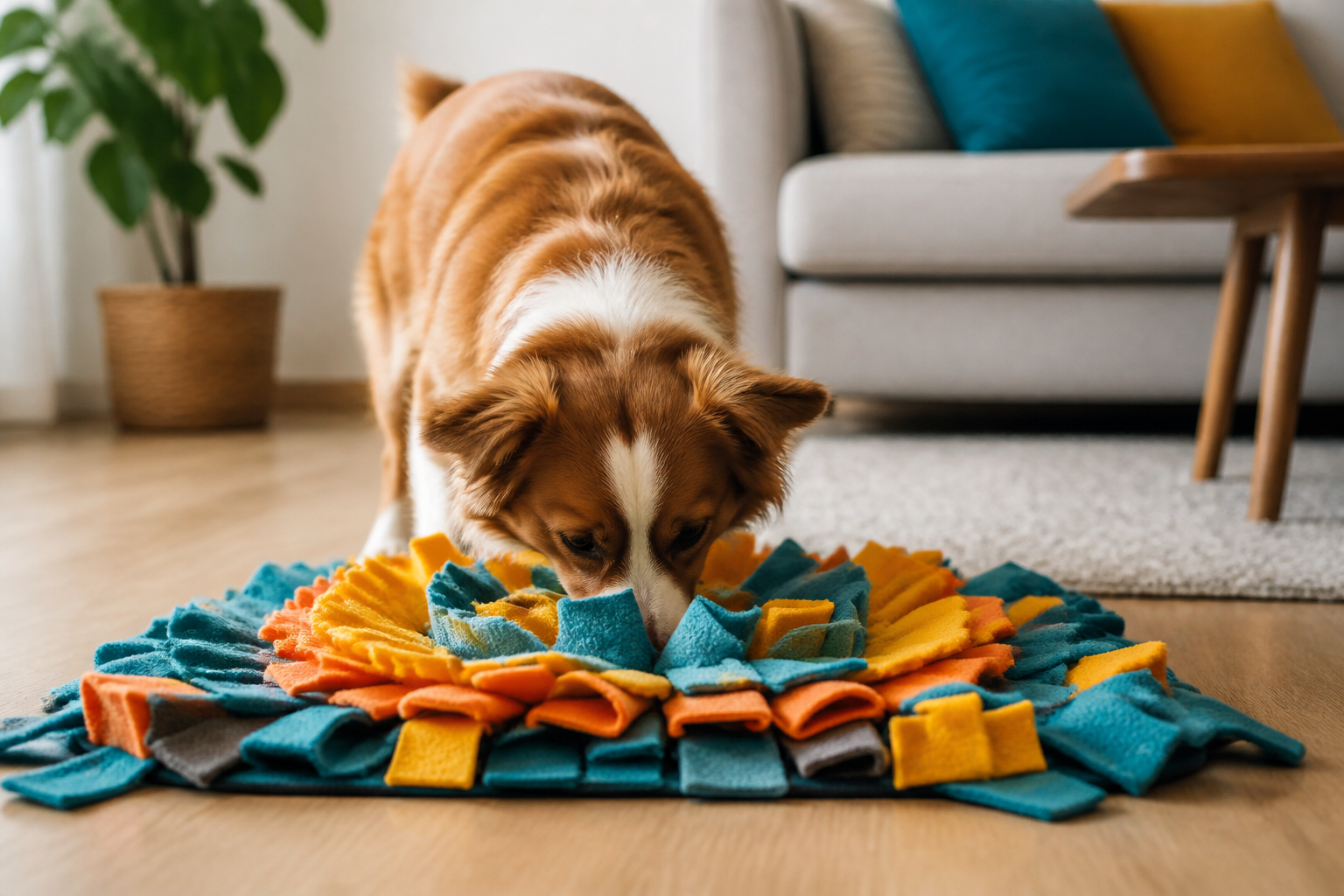
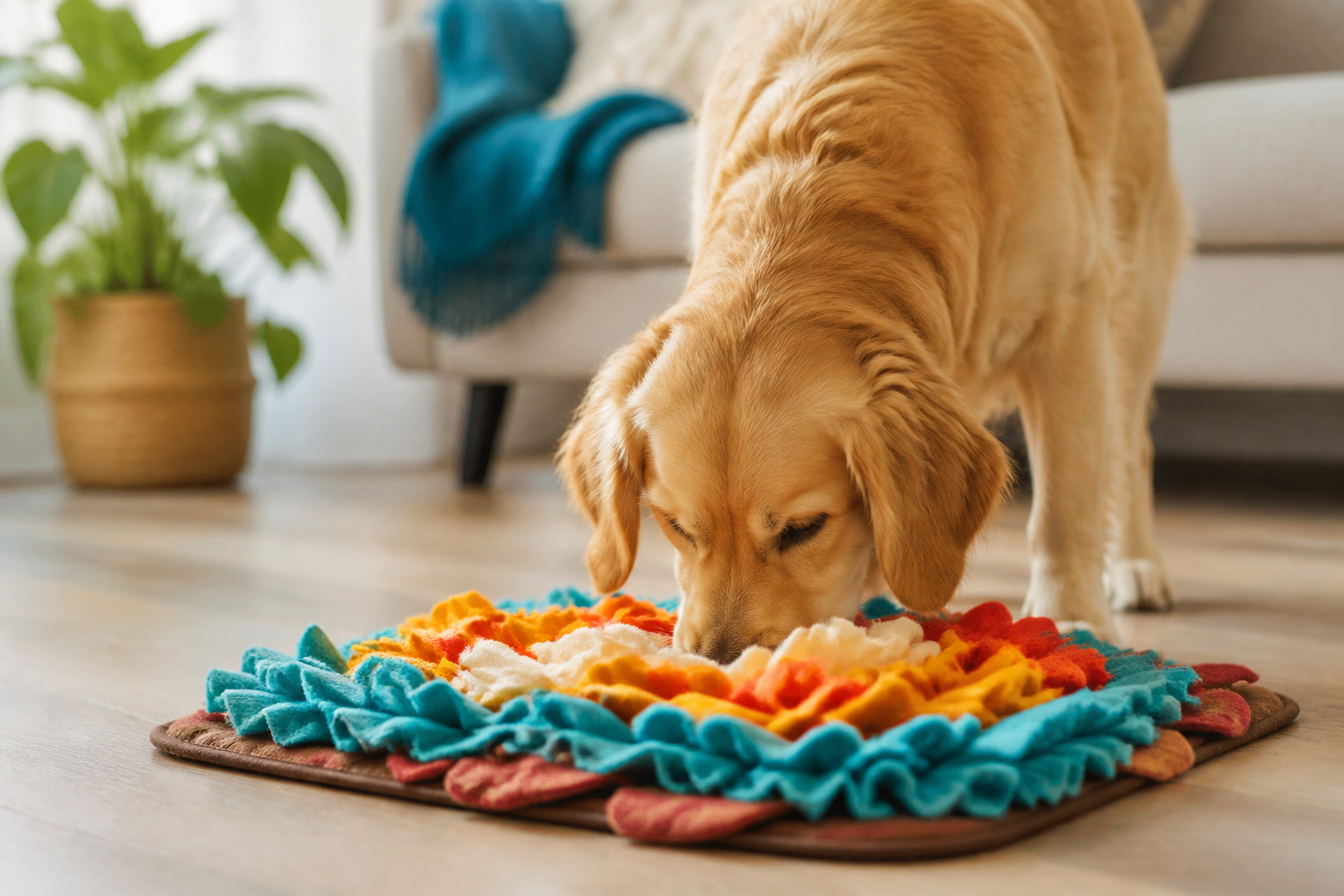
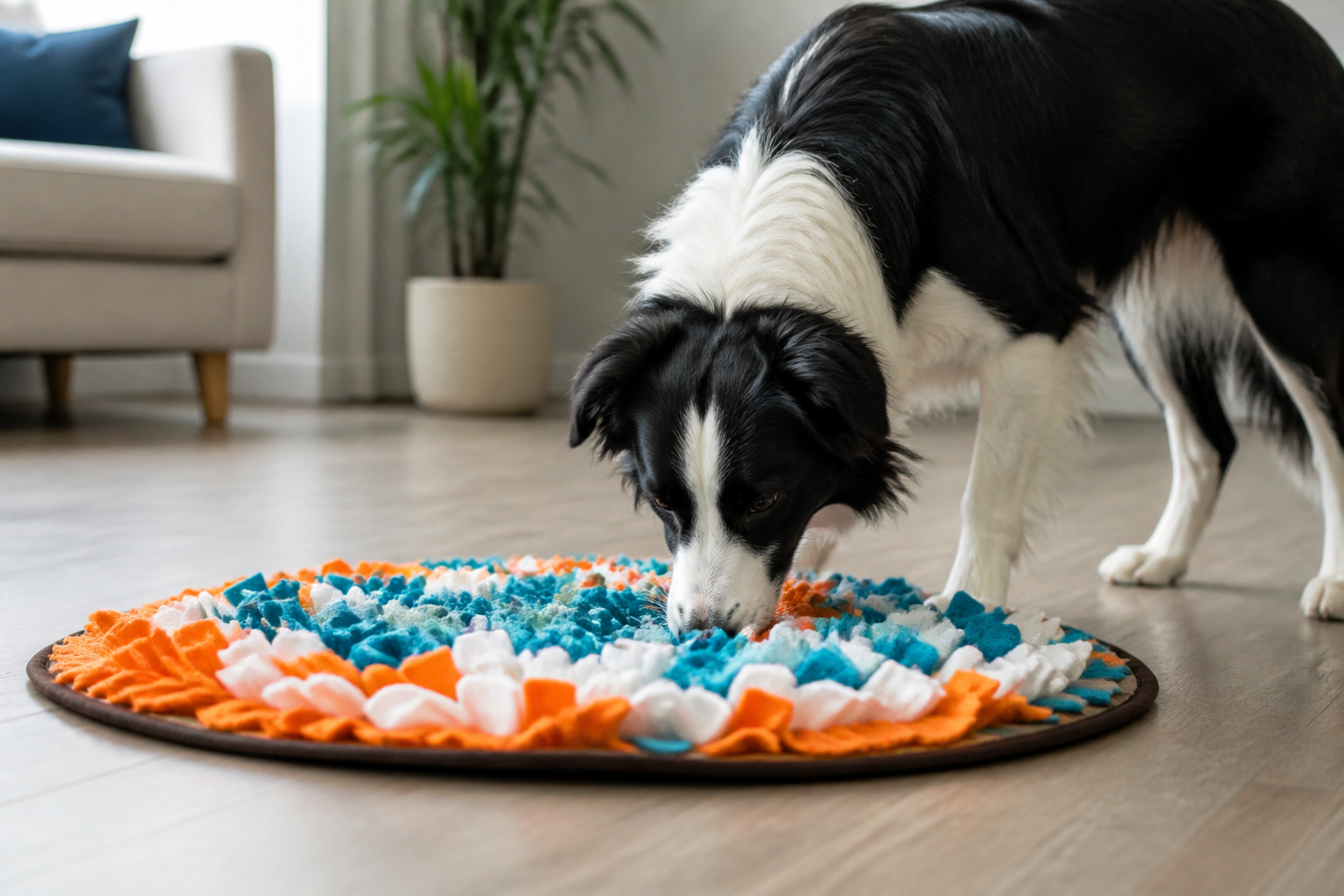
Most basic snuffle mats look like a shaggy rug. They are made of simple fleece strips tied to a plastic or fabric base. While these are excellent for puppies or dogs new to nose work, they rarely challenge a "pro" snuffer for long. A smart dog quickly learns that they can simply shake a loose mat or use their nose like a snowplow to move the fabric aside and reveal the goods.
A difficult mat requires more than just a deep pile of fabric. It needs varied obstacles that require different physical movements to solve. When the challenge is too low, the dog does not have to engage their brain. They just use their tongue. To get the true benefits of canine enrichment, the dog must stop, sniff, and think about how to reach the reward.
Quick Answer: A difficult snuffle mat uses multiple textures, closures like drawstrings or velcro, and deep pockets to hide food. Unlike simple shag mats, these require a dog to use their paws and nose in combination to solve the puzzle.
Anatomy of a Challenging Design
When you are shopping for a mat that will actually last more than a minute, look for specific design elements. Complexity is the goal. A high-quality, difficult mat will usually incorporate several of the following features:
- Varying Textures: Look for a mix of felt, heavy canvas, and soft fleece. Different materials hold scents differently and require different levels of force to move.
- Enclosed Compartments: These might be little "cups" with lids, pockets that velcro shut, or fabric tubes that the dog must reach inside.
- Drawstrings and Toggles: Some of the best difficult mats can be cinched into a bowl shape. This crowds the fabric together, making it much harder for the dog to reach the bottom layer of treats.
- Physical Obstacles: Look for mats that include 3D elements like fabric "grass," "flowers," or "books" where the "pages" must be turned to find the kibble.
If your dog is a "flipper" who likes to pick up the mat and shake it, look for a heavy-duty base. Some mats come with suction cups or weighted bottoms to keep the game on the floor. This forces the dog to use their nose and paws rather than gravity to get the food. Explore our interactive dog toys for additional puzzle-style options.
The Mental Load of Scent Work
We often focus on physical exercise to tire out a high-energy dog. However, mental stimulation is frequently more effective at creating a calm household. A dog's nose is their primary way of interacting with the world. The part of their brain dedicated to processing smells is significantly larger than ours. When a dog is "snuffling," they are doing the equivalent of a human solving a complex math problem.
Research suggests that fifteen minutes of intense sniffing can burn as many calories and as much mental energy as an hour-long walk. For owners in Vernon Hills or other areas where winter weather makes long walks difficult, a challenging snuffle mat is a primary tool for sanity. It provides a "job" for working breeds like Shepherds, Pointers, and Retrievers who might otherwise find less desirable jobs, like chewing your baseboards. For more indoor ideas, see these dog enrichment activities.
Key Takeaway: Difficulty is not just about hiding the food deeper. It is about forcing the dog to change their physical approach to find the reward, which increases the mental "load" of the task.
Slowing Down the Scarf and Barf
Many owners look for a difficult snuffle mat because their dog eats way too fast. If your dog inhales their kibble in seconds, they are at a higher risk for digestive upset, choking, and the much more serious condition known as bloat. Bloat, or GDV, is a life-threatening emergency where the stomach twists.
A difficult mat acts as a sophisticated slow feeder. By scattering a full meal across a complex mat, you turn a thirty-second meal into a fifteen-minute activity. This forced slowing down allows the stomach to process food more naturally and prevents the dog from swallowing excessive air. Other puzzle feeders and slow-mealtime ideas appear in our guide to dog boredom busters.
Vet Tip: If your dog is a chronic fast eater or shows signs of frequent digestive distress like gas or vomiting, please consult your veterinarian. Our pharmacy, through our partnership with Pet's Choice, carries prescription diets specifically formulated for sensitive stomachs and digestive support that can be used alongside enrichment tools.
Training for Success with a Hard Mat
You should not give a highly difficult mat to a dog who has never used one before. This can lead to frustration. If a dog cannot find the food, they might decide the best way to solve the puzzle is to rip the mat to shreds. We recommend a "graded" approach to difficulty.
Step 1: Start easy. Place treats right on top of the fabric so the dog understands the mat is a source of rewards. Step 2: Increase depth. Push the treats halfway down into the fleece strips or just inside the easy pockets. Step 3: Add the "difficulty" elements. Start using the velcro closures or cinching the drawstring slightly. Step 4: Full challenge. Work the treats deep into the folds and close all compartments.
If you see your dog starting to bite, tug, or growl at the mat, the challenge is likely too high. Calmly reset the mat to make it slightly easier so they can win. You want them to feel like a successful hunter, not a frustrated chewer.
Senior Dogs and Accessibility
Enrichment is not just for young, hyperactive pups. As dogs age, they may lose mobility due to arthritis or other joint issues. They cannot go for those three-mile hikes anymore, but their brains are still active. A difficult snuffle mat allows a senior dog to stay mentally sharp without putting stress on their joints.
Nose work is a low-impact activity. A senior dog can lie down on their orthopedic bed and work through a mat at their own pace. This helps combat "senior moments" or cognitive decline by keeping the brain engaged. If your senior dog is on joint supplements or medications for mobility, our dog healthcare selection carries a wide range of options to keep them comfortable enough to play.
Safety and Maintenance
Because snuffle mats involve food and fabric, they require regular maintenance. A difficult mat with many pockets can easily trap moisture from drool or small crumbs of food. This can lead to mold or bacteria growth if the mat is not cleaned.
Always check the care label on your mat. Most high-quality mats are machine washable. We recommend washing them on a gentle cycle inside a pillowcase or laundry bag to protect the various toggles and textures. Use a pet-safe, fragrance-free detergent.
- Supervision is mandatory: Never leave your dog alone with a snuffle mat, especially a difficult one. Smart dogs may try to chew through fabric to get to a hidden treat.
- Check for damage: Inspect the mat after every use for loose threads, missing toggles, or ripped pockets that could be swallowed.
- Remove when finished: Once the dog has found all the treats, take the mat away. This keeps the mat "special" and prevents the dog from using it as a chew toy or a bed.
- Small treats only: Use small, dry kibble or treats. Wet food or greasy treats will ruin the fabric and make the mat nearly impossible to clean.
Bottom line: A difficult snuffle mat is a tool for supervised engagement, not a babysitter or a durable chew toy.
Advanced Puzzles and Rotating Variety
Even the most difficult mat will eventually become easy once a dog "cracks the code." Dogs have excellent associative memories. They will remember that the treats are always in the blue pocket first or that the red flap always pulls left. To keep the challenge high, we recommend having a rotation of at least two or three different enrichment toys.
You can also change the "difficulty" by changing the reward. If you usually use dry kibble, try using a few pieces of freeze-dried liver or a treat with a different scent profile. This forces the dog to recalibrate their nose. We carry a massive variety of treats at BaxterBoo that are perfect for this, from crunchy biscuits to smelly, high-value training treats. Browse our dog treats for options to rotate into supervised enrichment sessions, and consider our Autoship programme for regularly purchased favorites.
Conclusion
A difficult snuffle mat for dogs is more than just a toy. It is a vital piece of equipment for managing the mental health and digestive safety of a smart, active pet. By choosing a design that offers physical obstacles, varied textures, and deep hiding spots, you provide your dog with a rewarding "job" that burns off excess energy. Whether you are looking to slow down a fast eater or keep a senior dog's mind sharp, the right level of challenge makes all the difference. Remember to supervise every session and keep the mat clean for long-term use. For dogs who need even more support for anxiety or digestion while they learn these games, visit our pet pharmacy to see how we can help your pet feel their best.
FAQ
Can a snuffle mat be too difficult for a dog?
Yes, if a dog is not introduced to the mat gradually, they may become frustrated and start to chew or rip the fabric instead of sniffing. It is important to start with treats on the surface and slowly increase the difficulty as your dog learns the mechanics of the specific mat. If your dog gives up or gets aggressive with the toy, you should make the next session much easier to rebuild their confidence.
How often should I wash a difficult snuffle mat?
You should wash the mat at least once every two weeks if you use it daily, or more often if your dog is a heavy drooller. Small crumbs and saliva can create a breeding ground for bacteria within the deep pockets and fabric folds of a complex mat. Always use a pet-safe detergent and ensure the mat is completely dry before using it again to prevent mold.
Are snuffle mats safe for heavy chewers?
Snuffle mats are generally made of fleece or felt, which are not designed to withstand aggressive chewing. If your dog tends to "destroy and consume" toys, you must supervise them very closely during use. If you see the dog starting to gnaw on the fabric rather than sniffing, immediately trade the mat for a durable rubber toy and try the snuffle mat again later when the dog is calmer.
Will a difficult snuffle mat help with my dog's anxiety?
Sniffing is a naturally self-soothing behavior for dogs that lowers their heart rate and releases "feel-good" hormones. While a snuffle mat is a great tool for distraction during stressful events like thunderstorms or fireworks, it is not a cure for severe clinical anxiety. For dogs with significant behavioral hurdles, we recommend consulting a veterinarian to discuss a combination of training and potential support from our pharmacy.