
 Save 15% on your 1st Autoship learn more

 Email us
 Live Chat
 FAQs
FAQs





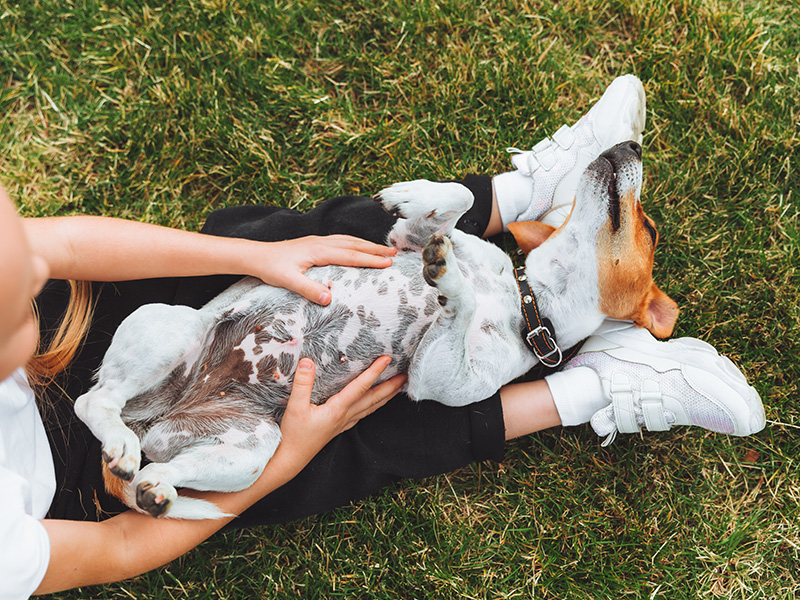
Inside your dog’s digestive system lives a busy community of microorganisms called the gut microbiome. These microbes help break down food, support the immune system, and influence your dog’s overall health, wellness, and day-to-day well-being.
But what does this actually mean for you and your pet, and what can you do to support your dog’s gut health and wellness? Here are answers to common questions about canine gut health.
What is gut health in dogs?
A healthy gut in dogs depends on a digestive system that works smoothly and a balanced gut microbiome. In addition to digesting food and absorbing nutrients, the digestive tract hosts the gut microbiome, a mix of gut bacteria and other microbes that live in the intestines and influence immune system function.
In a healthy gut, many types of beneficial bacteria help break down carbohydrates, fats, and proteins from your dog’s diet. They also help to make some of the vitamins your dog’s body needs to survive, as well as short-chain fatty acids, which feed intestinal cells and support the gut lining. When gut flora is out of balance, bad bacteria can take over, leading to a condition called dysbiosis.
How does gut health affect the rest of my dog’s body?
The intestines also host a large number of immune cells, so intestinal health is closely linked to the immune system. Research in veterinary medicine shows that dysbiosis is common in dogs with immune-mediated gastrointestinal diseases, such as inflammatory bowel disease (IBD).
Poor gut health can make it harder for dogs to fight off harmful pathogens and can fuel ongoing inflammation, increasing the risk of food allergies, skin problems, obesity, behavioral disorders, and other chronic health problems that affect quality of life.
What factors can affect a dog’s gut microbiome?
Diet is a significant contributor to gut and microbiome health. High-quality dog food that is complete and balanced for your dog’s life stage supplies good bacteria with important nutrients, including fermentable fibers. Frequent diet changes and feeding too many table scraps or treats can upset the microbiome’s balance.
Illness, stress, antibiotics, parasites, and gastrointestinal disease can also affect gut microbes, leading to dysbiosis. Age, genetics, health conditions, and overall pet health all influence the microbiome over time.
What are the signs of possible gut problems?
Signs that your dog could have a gut health issue include:
- Changes in your dog’s feces (e.g., diarrhea, mucus, blood, or straining)
- Frequent stomach gurgling or flatulence
- Bad breath
- Weight loss or gain
- Sporadic vomiting
- Food sensitivities
Many of these signs can indicate an underlying health problem, so it's important to see your vet if you notice concerning changes in your dog’s digestive patterns.
How does diet affect gut health?
A complete and balanced diet matched to your dog’s life stage, activity level, and health history can support or improve their gut health. Diets should include high-quality fiber, which good bacteria ferment to produce short-chain fatty acids that nourish the gut lining.
You can manipulate gut health by changing your dog’s diet, particularly the protein source, or the type and amount of fiber. Some therapeutic diets for gastrointestinal disease or food allergies use highly digestible or limited-ingredient formulations and specialized fiber blends to support dogs with specific nutritional and gut health needs.
Do probiotics and gut supplements help?
Probiotics are live microbes that can support the normal balance of gut bacteria. In dogs, probiotic supplements have been shown to help with occasional diarrhea and the management of chronic GI diseases. Prebiotics are fibers that feed beneficial bacteria. Some products combine probiotics and prebiotics in a single supplement called a synbiotic.
Other gut-focused supplements include digestive enzymes and omega-3 fatty acids from fish oil, which can support the intestinal barrier and may help manage inflammation in some chronic gut conditions. Always check with your veterinarian before starting a new supplement.
When should I worry about my dog’s GI health?
Occasional GI upset is probably not a cause for concern. However, if your dog has recurring gut issues, a bigger issue may be present. Signs you should call your vet include:
- Vomit or feces that contains blood
- Repeated vomiting or diarrhea
- Belly pain or bloating
- Weight loss or poor appetite
- Severe lethargy
Your veterinarian can check for parasites, endocrine disorders, and other health conditions affecting your dog’s digestive system. They can also help you choose appropriate dog foods, supplements, and other tools to support gut health and comfort.
BaxterBoo offers a range of gut-focused foods and supplements for dogs. After checking in with your vet to rule out serious health issues and get targeted advice about your pup’s health, visit our website to compare food, treats, and GI health products that support gut health and overall well-being.

Angela Beal is a veterinarian in Columbus, Ohio who loves using her writing to help veterinarians live more fulfilling lives by helping make practice life more efficient and less stressful. Angela has a background in private practice and academia, and since 2020, she has worked full-time with Rumpus Writing and Editing, a veterinary-specific writing and editing company. Rumpus’ clients include veterinary practices and industry partners, including marketing companies, national corporations, consultants, and several international businesses.
Website






