
 Save 15% on your 1st Autoship learn more

 Email us
 Live Chat
 FAQs
FAQs





Introduction
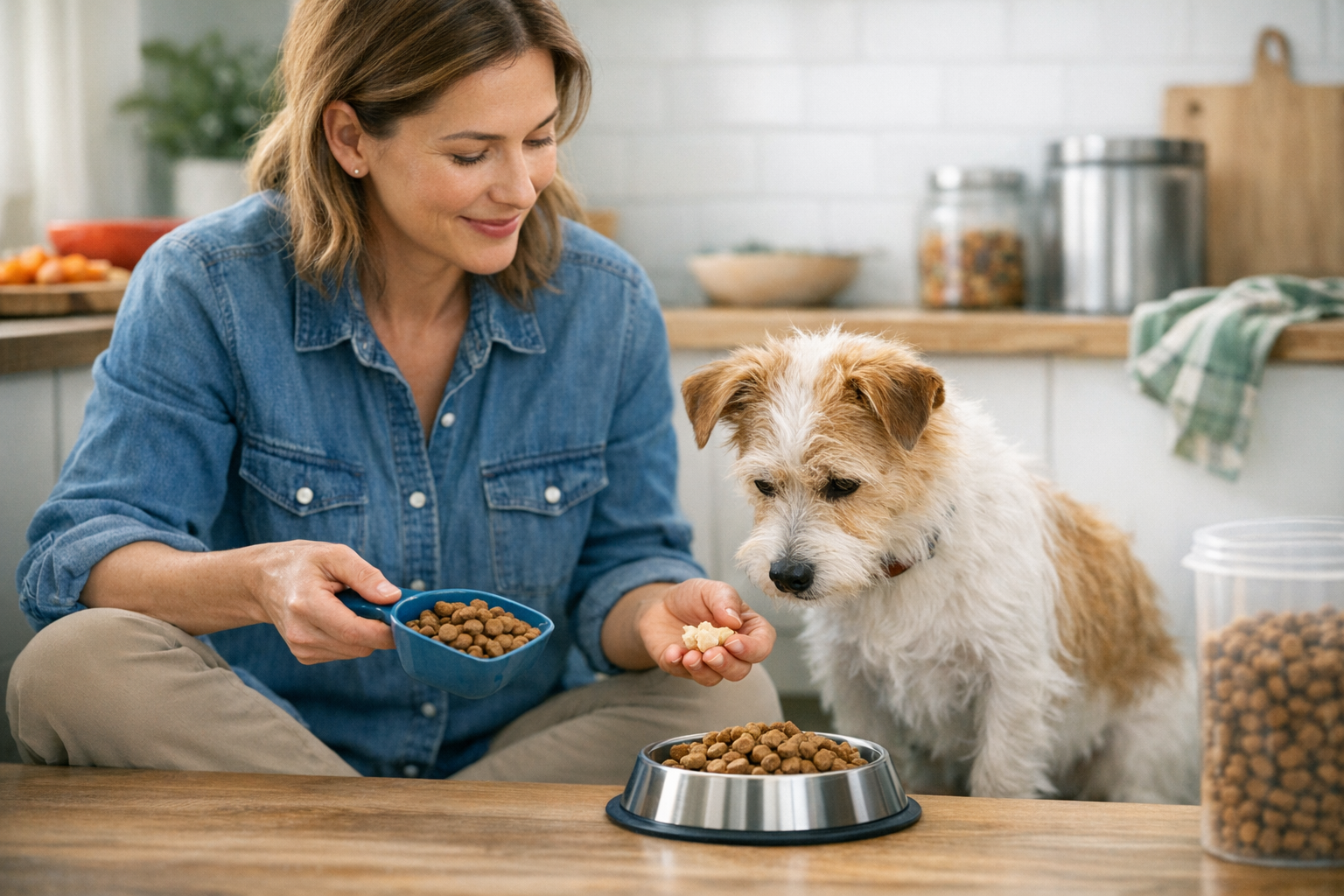
It is a familiar scene for many pet owners. You scoop a fresh serving of high quality kibble into the bowl, but your dog takes one sniff and walks away. You might feel a surge of worry or frustration, especially if they are usually excited for mealtime. In our dog food category, you can explore dry food options that may help you compare formulas if your current kibble has lost its appeal. This guide will help you understand why your dog has lost interest in their dry food and provide practical steps to rebuild their appetite. We will cover medical checks, behavioral tips, and simple ways to make kibble more enticing. With a little patience and the right strategy, you can get your dog back to enjoying their daily meals.
Quick Answer: To get your dog to eat dry food again, first rule out medical issues like dental pain. If they are healthy, try adding warm water or a topper to the kibble, stick to a strict feeding schedule, and limit treats to increase their hunger.
Rule Out Health Concerns First
Before you assume your dog is just being stubborn, you must consider their physical health. A sudden change in eating habits is often the first sign that something is wrong. Dogs are experts at hiding pain, but their appetite usually gives them away.
Dental Pain and Mouth Issues
If your dog wants to eat but drops the kibble or walks away after one bite, they might have a dental problem. Dry food is hard and crunchy. If a dog has a cracked tooth, swollen gums, or a mouth infection, chewing that hard kibble can be painful. You might notice them favoring one side of their mouth or see a small amount of blood on their toys.
The Impact of Aging
Senior dogs often experience a decline in their senses. A dog’s sense of smell is closely tied to their appetite. If they cannot smell their food as well as they used to, it becomes much less appealing. Cognitive changes in older pets can also lead to unusual eating behaviors. We carry Senilife Cognitive Brain Support for Elderly Dogs for aging dogs that may need extra support with brain health.
Digestive Upsets and Allergies
Sometimes a dog stops eating dry food because it makes them feel unwell. They may have developed a new food sensitivity or a digestive issue like inflammatory bowel disease. If your dog is also experiencing vomiting, diarrhea, or gas, their refusal to eat kibble is likely a medical response.
Vet Tip: If your dog refuses food for more than 48 hours or shows signs of lethargy, consult your veterinarian immediately. Our pet pharmacy offers prescription diets and medications through our partnership with Pet's Choice to manage chronic health conditions and digestive needs.
Understanding Behavioral Pickiness
If your vet gives your dog a clean bill of health, the issue is likely behavioral. Many dogs learn that if they hold out long enough, their owners will offer something better. This is especially common if you frequently share table scraps or give high value treats.
The Waiting Game
Dogs are highly observant. They quickly figure out that refusing a bowl of plain kibble might lead to a topping of chicken, cheese, or wet food. By holding out, they are essentially training you to provide a more exciting meal. To fix this, you must be more patient than your dog.
Treat Overload
It is easy to overdo it with treats, especially when training or showing affection. However, treats should only make up about 10 percent of your dog's daily calories. If your dog gets too many biscuits or jerky strips throughout the day, they simply will not be hungry when dinner time rolls around. They are holding out for the "dessert" they know is coming.
Stress and Environmental Changes
Dogs thrive on routine. A move to a new house, a new baby, or even a change in your work schedule can cause stress. Some dogs respond to anxiety by losing their appetite. If your dog is feeling unsettled, they may need extra encouragement to feel safe enough to eat.
Bottom line: Rule out medical pain first, but be prepared to address learned behaviors if your dog is holding out for human food.
Simple Ways to Make Kibble More Appetizing
You do not always need to switch brands to get your dog eating again. Often, small adjustments to the existing food can make it much more interesting to a picky eater. These methods focus on enhancing the smell and texture of the dry food.
The Power of Warm Water
Adding a small amount of warm water to dry kibble is one of the easiest tricks. The warmth helps release the fats and aromas in the food, making it smell much stronger to your dog. It also creates a light gravy and softens the texture, which can be helpful for dogs with minor mouth sensitivity.
Using High Quality Toppers
Toppers are a great way to bridge the gap between plain kibble and a full meal. You can use a few spoonfuls of canned food or a specialized topper like Wellness Ninety-Five Percent Chicken Grain-Free Dog Food Mixer and Topper. These are freeze dried raw pieces that add a burst of flavor and nutrition. The key is to mix the topper thoroughly with the kibble so your dog cannot just pick out the "good stuff" and leave the rest.
Healthy Kitchen Additions
You likely have items in your pantry that can help. A splash of low sodium chicken or beef broth can make a world of difference. Plain, unsweetened pumpkin puree is another excellent choice. It adds fiber and a pleasant taste that many dogs love. Just ensure any broth you use does not contain onions or garlic, as these are toxic to dogs.
Kibble Texture and Topper Comparison
| Addition | Primary Benefit | Best For |
|---|---|---|
| Warm Water | Enhances aroma and softens texture | Senior dogs or minor pickiness |
| Low Sodium Broth | Adds savory flavor and hydration | Dogs who need extra moisture |
| Freeze Dried Raw | High protein and intense flavor | Very stubborn picky eaters |
| Plain Pumpkin | Supports digestion and adds bulk | Dogs with sensitive stomachs |
Establishing a Strict Feeding Routine
If your dog is healthy but picky, you need to rebuild their discipline around mealtimes. Free feeding, where food is left out all day, often contributes to pickiness because the dog never feels a strong sense of hunger.
The 15 Minute Rule
Set a schedule and stick to it. Put the bowl down and give your dog exactly 15 minutes to eat. If they have not finished or have not touched the food after that time, pick the bowl up and put it away. Do not offer any treats or scraps until the next scheduled mealtime. This teaches your dog that food is only available at specific times.
Exercise Before Meals
A tired dog is a hungry dog. Try to schedule your longest walk or a vigorous play session right before dinner. The physical activity stimulates their metabolism and creates a natural sense of hunger. When they come inside from a workout, the plain kibble will look much more appealing.
Changing the Feeding Environment
Sometimes the bowl itself is the problem. Some dogs do not like the sound of their collar tags clinking against a metal bowl. Try switching to a ceramic or plastic dish. You can also try feeding them in a quiet, low traffic area where they do not feel distracted by the rest of the family.
Key Takeaway: Consistency is the most important factor when retraining a picky eater to accept their daily kibble.
Evaluating the Quality of the Dry Food
Sometimes, a dog refuses dry food because the food itself is not high quality or has gone stale. At BaxterBoo, we carefully curate the brands we carry to ensure they meet high nutritional standards. If you are feeding a budget brand with a lot of fillers, your dog might genuinely find the taste unappealing.
Check for Freshness
Dry food can go rancid, especially if it is not stored properly. Once a bag of kibble is opened, it should ideally be consumed within 30 to 45 days. If the food smells "off" or like old paint, it has likely spoiled. Always store kibble in its original bag inside an airtight container to keep it fresh and prevent pests.
Consider a Protein Switch
If your dog has been eating chicken based kibble for years, they might simply be bored. Try switching to a different protein like lamb, beef, or fish. Our selection of NutriSource products and our selection of Acana products includes a variety of protein sources that can provide a new flavor profile for your pet.
Rotational Feeding
Some owners find success with rotational feeding. This involves switching between different flavors or formulas within the same brand every few months. It provides variety for the dog and ensures they are getting a wider range of nutrients. Just remember to transition slowly to avoid stomach upset.
Transitioning to a New Food
Step 1: Mix the new food with the old. Start with 25 percent new food and 75 percent old food.
Step 2: Observe your dog's reaction. Watch for any changes in their stool or energy levels over two days.
Step 3: Increase the ratio. Gradually move to a 50/50 mix, then 75/25, over the course of about a week.
Step 4: Complete the switch. By day 10, your dog should be eating 100 percent of the new dry food.
Bottom line: High quality ingredients often lead to better palatability, so consider if your current brand meets your dog's taste and nutritional needs.
Using Toys and Enrichment for Mealtime
If your dog finds the bowl boring, try making them work for their food. Many dogs have a natural "contrafreeloading" instinct, which means they actually prefer to earn their meals through problem solving.
Puzzle Feeders and Slow Bowls
Instead of a standard bowl, use a slow feeder with ridges and valleys. This turns mealtime into a game and slows down dogs who might otherwise gulp their food and feel sick. You can also use a Kong toy stuffed with kibble and a little bit of wet food or peanut butter to seal the end.
Snuffle Mats
A snuffle mat is a fabric mat with many strips of felt that hide kibble. Your dog must use their nose to find the pieces of food. This engages their brain and makes the dry food feel like a reward. If you want a feeding option built for that kind of engagement, our slow feed dog bowls can be a helpful place to start. It is a fantastic way to provide mental enrichment while ensuring they eat their dinner.
Training with Kibble
If your dog is highly motivated by interaction, use their meal as training rewards. Instead of giving treats during a training session, use their daily portion of kibble. They will associate the food with positive praise and your attention, making it much more valuable in their eyes.
Managing Picky Eating in Senior Dogs
Senior dogs require a different approach because their lack of appetite is often linked to physical changes rather than just "attitude." Maintaining their weight is crucial for their muscle mass and joint health.
Supplements for Appetite
If your senior dog is losing interest in food, supplements might help. Zesty Paws offers various options that support digestion and general wellness. Sometimes, a dog who feels better overall will have a more consistent appetite. If your vet identifies a specific deficiency, they may recommend a targeted supplement.
Softening the Kibble
As dogs age, their jaws might get tired or their teeth might become slightly loose. Even if they do not have a major infection, chewing hard kibble can be a chore. Soaking the kibble in warm water for 20 minutes before serving can make it much easier for them to consume.
Prescription Diets
In some cases, a senior dog might need a prescription diet formulated for kidney health, heart health, or mobility. These diets are specifically designed to be highly palatable because the manufacturers know that sick or aging dogs can be picky. We carry Farmina Vet Life and Royal Canin prescription options through our pharmacy and Pet's Choice partnership.
Key Takeaway: Senior dogs need a gentle approach that combines scent enhancement, texture softened kibble, and regular veterinary checkups. If you want a broader comparison of food styles for older pets, our guide on whether senior dogs should eat wet or dry food is a helpful next step.
Shopping for the Right Gear at BaxterBoo
We carry over 500 trusted brands to help you find exactly what your dog needs. Whether it is a new brand of premium kibble like Orijen or Acana, or a puzzle toy from Kong, we have the selection to support your dog’s health.
Our MVP Rewards programme allows you to earn up to 5 percent back on your purchases, which is a great way to save on high quality food and treats. If you find a food your dog finally loves, you can set up our Autoship programme. This ensures you never run out and gives you additional savings on your orders. We have been operating since 2006, and our warehouse in Vernon Hills is always stocked with the products your pets deserve.
Quick Tip: New customers can take advantage of a 10 dollar reward on their first order of 39 dollars or more when they are signed in at checkout.
When to Stop the "Tough Love" Approach
While the 15 minute rule works for most healthy, picky dogs, there are times when you should stop and re-evaluate. You should never try to "starve" a dog into eating if they are showing signs of actual illness.
If your dog is losing weight, has a dull coat, or seems lethargic, the issue is not just pickiness. Small breed dogs and puppies can also suffer from low blood sugar if they skip too many meals. In these cases, you should abandon the strict routine and focus on getting any nutrition into them while waiting for a vet appointment.
Our pharmacy is a resource for those more difficult cases. Through our partnership with Pet's Choice, we provide access to medications that can stimulate appetite or treat the underlying nausea that might be keeping your dog away from the bowl. If you are trying to keep mealtime simple while still managing a tight budget, our guide to discounted dog food offers another useful angle.
Final Thoughts on Picky Eaters
Dealing with a dog who refuses dry food requires a mix of detective work and discipline. Start by ruling out health problems, especially dental pain or digestive issues. Once you know your dog is healthy, use scent and texture to your advantage. Adding warm water or a small amount of a high quality topper can make a world of difference.
Stay consistent with your feeding schedule and limit extra treats that spoil their appetite. Remember that every dog is an individual, and it may take a few tries to find the right combination of food and routine that works for your household.
Key Takeaway: By combining medical oversight with a consistent feeding routine and high quality food choices, you can successfully get your dog to eat dry food again.
FAQ
Why did my dog suddenly stop eating their dry food?
A sudden refusal to eat is often linked to dental pain, a change in the food's freshness, or a stressful event in the home. It can also be a sign of an underlying medical issue like a stomach upset or an infection. If the behavior is sudden and accompanied by other symptoms, a vet visit is the best first step.
Can I mix wet food with dry food every day?
Yes, many owners find that mixing wet food with kibble is a healthy and sustainable way to keep their dog interested in meals. Just be sure to adjust the total calorie count so your dog does not gain excess weight. Thoroughly mixing the two textures ensures your dog gets the dental benefits of the kibble while enjoying the flavor of the wet food.
How long can a healthy dog go without eating?
A healthy adult dog can typically go for 24 to 48 hours without eating without serious harm, though it is not ideal. However, they must always have access to fresh water to stay hydrated. If your dog goes longer than two days without a meal, or if they are a puppy or senior, you should contact your veterinarian.
Does the size of the kibble matter for picky dogs?
Kibble size can make a big difference, especially for small breed dogs who may find large chunks difficult to chew. Conversely, some large dogs prefer a bigger crunch and might ignore tiny kibble. Choosing a life stage and breed size specific formula from brands like Royal Canin or NutriSource can help ensure the texture is right for your pet.






