Save 15% on your 1st Autoship learn more

 Email us
 Live Chat
 FAQs
FAQs





Introduction
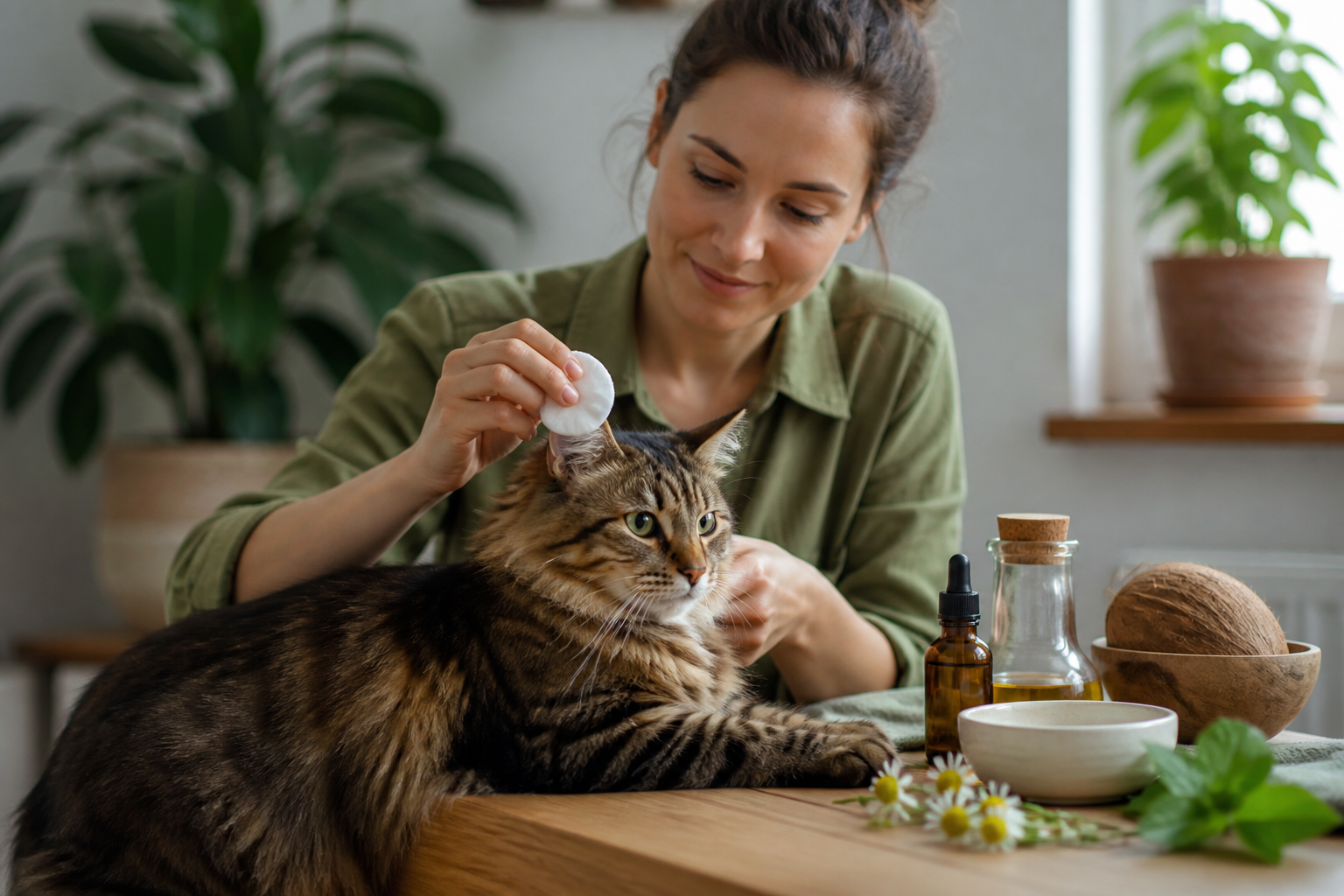
You are petting your cat and notice small white flakes across their lower back. It looks a bit like salt or snow against their fur. While a few flakes are normal skin shedding, a sudden buildup usually means your cat needs a little help with their skin health. At BaxterBoo, we know that a glossy, flake-free coat is a sign of a happy cat. This guide covers how to identify the cause of those flakes and the best home remedies for cat dandruff. We will look at grooming tips, dietary changes, and environmental fixes you can start today. Understanding these simple steps helps you restore your cat's soft, shiny fur and overall comfort. Our goal is to provide practical advice you can use immediately to help your pet feel their best.
Quick Answer: Cat dandruff is often caused by dry air, a lack of fatty acids in the diet, or an inability to groom. Effective home remedies include daily brushing, increasing humidity with a humidifier, and adding Omega-3 supplements to their meals.
Understanding the Difference Between Dander and Dandruff
It is common to confuse cat dander with cat dandruff. However, they are two different things. Every cat has dander. Dander consists of microscopic skin cells that shed naturally. You cannot see dander with the naked eye. It is the protein in this dander that often triggers allergies in humans.
Dandruff is different. These are larger, visible flakes of dead skin. They often clump together and sit on top of the fur. If you can see white specks when your cat walks by, that is dandruff. While dander is a healthy sign of skin renewal, dandruff usually signals an imbalance. The skin may be too dry or too oily.
Sometimes, owners mistake other things for dandruff. Flea eggs are small and white, but they are oval and uniform. Flea dirt looks like black pepper. If you see white flakes that seem to move, your cat might have Cheyletiella mites. This is often called walking dandruff. This condition requires a specific treatment from a veterinarian.
Key Takeaway: Dander is invisible and normal, while dandruff is visible and indicates a skin or health issue that needs attention.
Common Causes of Flaky Skin in Cats
Before starting home remedies, it helps to know why the flakes are appearing. Several factors contribute to skin issues in felines.
Environmental Factors
Dry air is a leading cause of feline dandruff. This is especially true during the winter months. When you turn on the heater, the humidity in your home drops. This saps moisture from your cat's skin. Over time, the skin becomes brittle and flakes off.
Nutritional Deficiencies
A cat's skin and coat require specific nutrients to stay healthy. If a diet is too low in fat, the skin barrier weakens. Omega-3 and Omega-6 fatty acids are essential. Without them, the skin cannot retain moisture. Some lower-quality foods may lack the bioavailable fats your cat needs for a shiny coat.
Grooming Struggles
Cats are usually expert groomers. If a cat stops grooming, skin cells build up. This is common in senior cats with arthritis. They may find it painful to reach their lower back or the base of their tail. Overweight cats also struggle to reach certain spots. This leads to grease and flake buildup in hard-to-reach areas. For more information about mobility-related grooming changes, read our guide to arthritis care for cats.
Underlying Health Issues
Sometimes dandruff is a secondary symptom. Conditions like diabetes, hyperthyroidism, or kidney disease can affect skin quality. Skin allergies to pollen or certain proteins in food can also cause inflammation and flaking.
Vet Tip: If your cat's dandruff is accompanied by weight loss, increased thirst, or lethargy, consult your veterinarian. These can be signs of internal health issues that require a professional diagnosis and prescription medication.
Home Remedy 1: The Power of Brushing
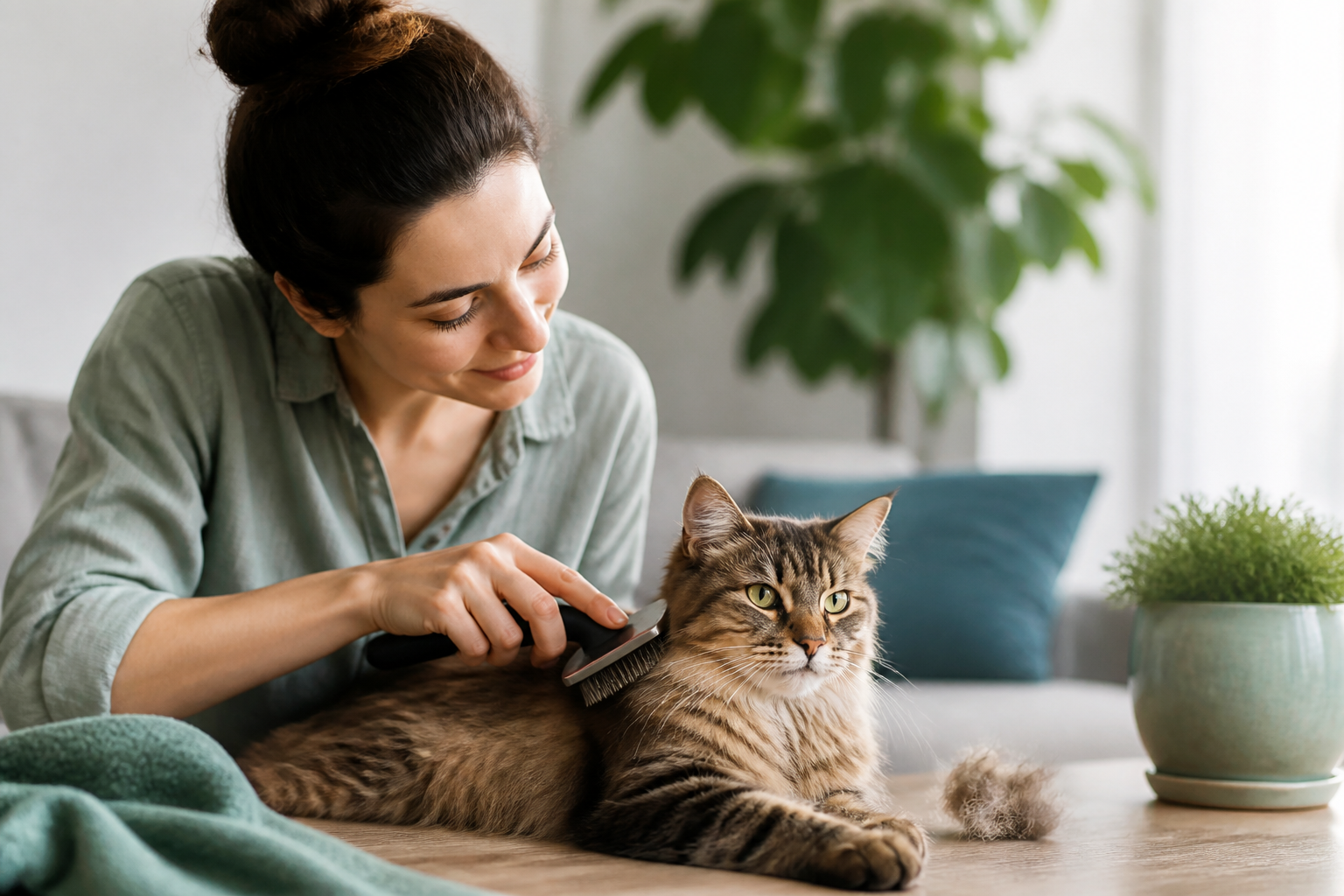
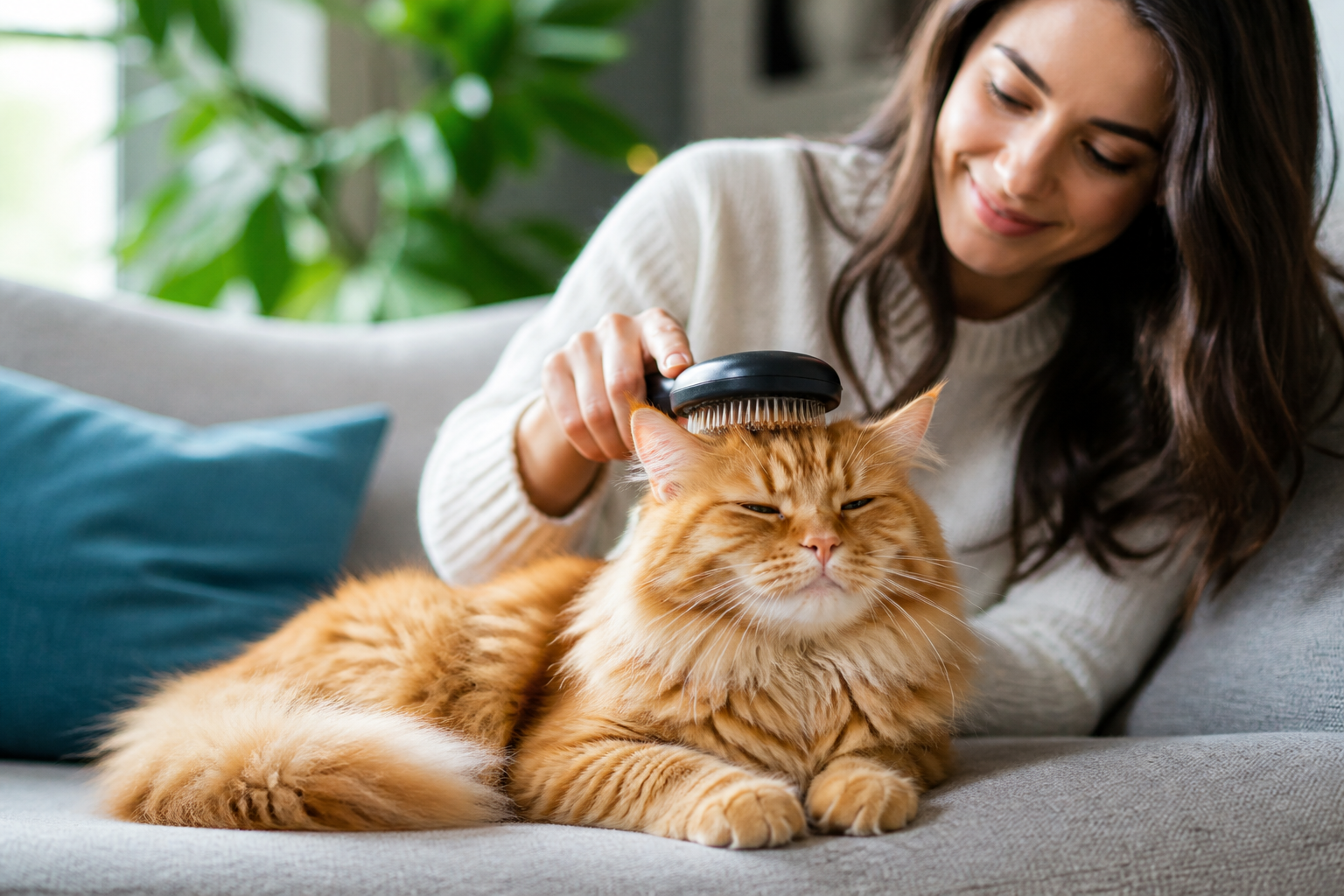
Brushing is the simplest and most effective home remedy for cat dandruff. It does more than just remove the flakes you see. It stimulates the skin and improves blood circulation.
When you brush your cat, you distribute natural oils. These oils are produced by the sebaceous glands. They act as a natural moisturizer for the fur and skin. If your cat is not grooming well, these oils stay trapped at the skin surface. Brushing moves them down the hair shaft.
How to Brush for Better Skin
Step 1: Choose the right tool. / Use a soft bristle brush for short-haired cats or a slicker brush for long-haired cats. Our cat grooming supplies include brushes, combs, shampoos, and other grooming tools.
Step 2: Start with gentle strokes. / Always brush in the direction of hair growth to avoid irritating the skin.
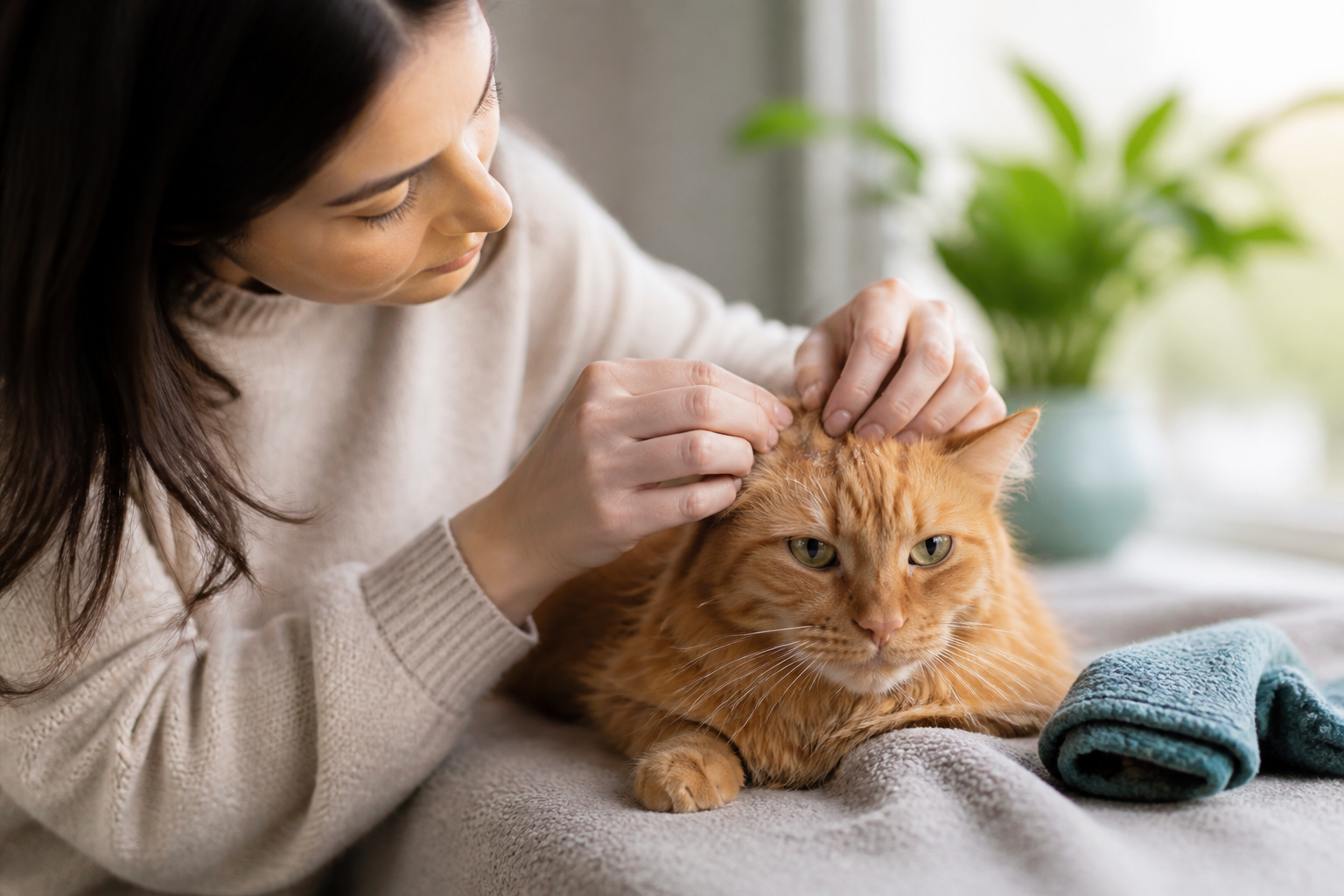
Step 3: Focus on the problem areas. / Spend extra time on the lower back and base of the tail where flakes accumulate.
Step 4: Keep sessions short. / Five to ten minutes a day is enough to see a difference without stressing your cat.
Regular grooming also allows you to check for parasites. If you notice any redness or sores during your brushing routine, it may be time for a medical checkup. A tool such as the U-Groom Combo Brush for Dogs and Cats can help remove tangles while distributing natural oils.
Home Remedy 2: Managing Humidity and Air Quality
If you live in a dry climate or use indoor heating, the air is likely stealing moisture from your cat. This is a very common cause of winter dandruff.
Using a humidifier is a direct way to solve this. Place a humidifier in the room where your cat spends the most time. Ideally, this is near their favorite sleeping spot. Aim for a humidity level between 40% and 50%. This helps keep the skin supple.
You should also watch where your cat sleeps. Many cats love to nap on or near heating vents. The direct flow of hot, dry air can quickly dry out their skin. If possible, move their bed away from direct heat sources.
Bottom line: Adding moisture to the air is a simple environmental fix that benefits both your cat's skin and your own.
Home Remedy 3: Improving Hydration and Diet
What goes into your cat's body shows up on their skin. Cats are notorious for having a low thirst drive. In the wild, they get most of their moisture from their prey. Many domestic cats live on dry kibble alone, which can lead to mild dehydration. You can compare wet and dry options in our cat food collection.
Switch to Wet Food
One of the best home remedies is increasing wet food intake. Wet food contains significantly more moisture than dry kibble. This extra hydration helps keep the skin cells plump and healthy. If your cat is a picky eater, try adding a little warm water or plain bone broth to their meals. Our guide to veterinary diet food also discusses how wet food can support hydration.
Check the Label
Look for high-quality proteins and healthy fats. Brands like Farmina, Orijen, and Acana focus on nutrient-dense ingredients. Avoid foods with excessive fillers that do not provide nutritional value. If your cat has a suspected food allergy, your vet might recommend a prescription diet. Our pharmacy carries a variety of prescription pet foods through our partnership with Pet's Choice. These diets are specifically formulated to manage skin sensitivities.
Home Remedy 4: Omega Fatty Acid Supplements
If a diet change is not enough, supplements can provide a concentrated boost. Omega-3 fatty acids, specifically EPA and DHA, are excellent for skin health. They act as natural anti-inflammatories.
Fish oil is the most common source of these fats. Salmon oil or pollock oil can be drizzled directly over your cat's food. Most cats enjoy the taste, making it an easy remedy to implement. You can also find chewable supplements from brands like Zesty Paws or Honest Paws. The Zesty Paws Wild Alaskan Salmon Oil Skin & Coat Supplement is available through our skin and coat health selection.
- Omega-3: Reduces skin inflammation and itching.
- Omega-6: Helps maintain the skin's water-holding barrier.
- Biotin: Supports keratin production for a stronger coat.
It takes time for supplements to work. You will likely not see a change overnight. Most owners notice an improvement in coat shine and a reduction in flakes after three to four weeks of consistent use.
Vet Tip: Always consult your vet before starting a new supplement. They can help you determine the correct amount for your cat's weight and ensure it does not interfere with any existing medications.
Home Remedy 5: Pet-Safe Topical Solutions
In some cases, a topical treatment can provide relief. However, you must be very careful with what you put on a cat's skin. Cats groom themselves constantly and will lick off any product you apply.
Avoid Human Products
Never use human dandruff shampoos on a cat. Human skin has a different pH level than feline skin. These products can be far too harsh and may cause chemical burns or severe irritation.
Use Specialized Cat Shampoos
If your cat will tolerate a bath, use a moisturizing shampoo made specifically for felines. Look for ingredients like oatmeal, aloe vera, or honey. These soothe the skin without stripping away natural oils. Brands like TropiClean or Burt's Bees offer gentle options. Our cat grooming collection includes feline shampoos and conditioners.
Waterless Shampoos and Wipes
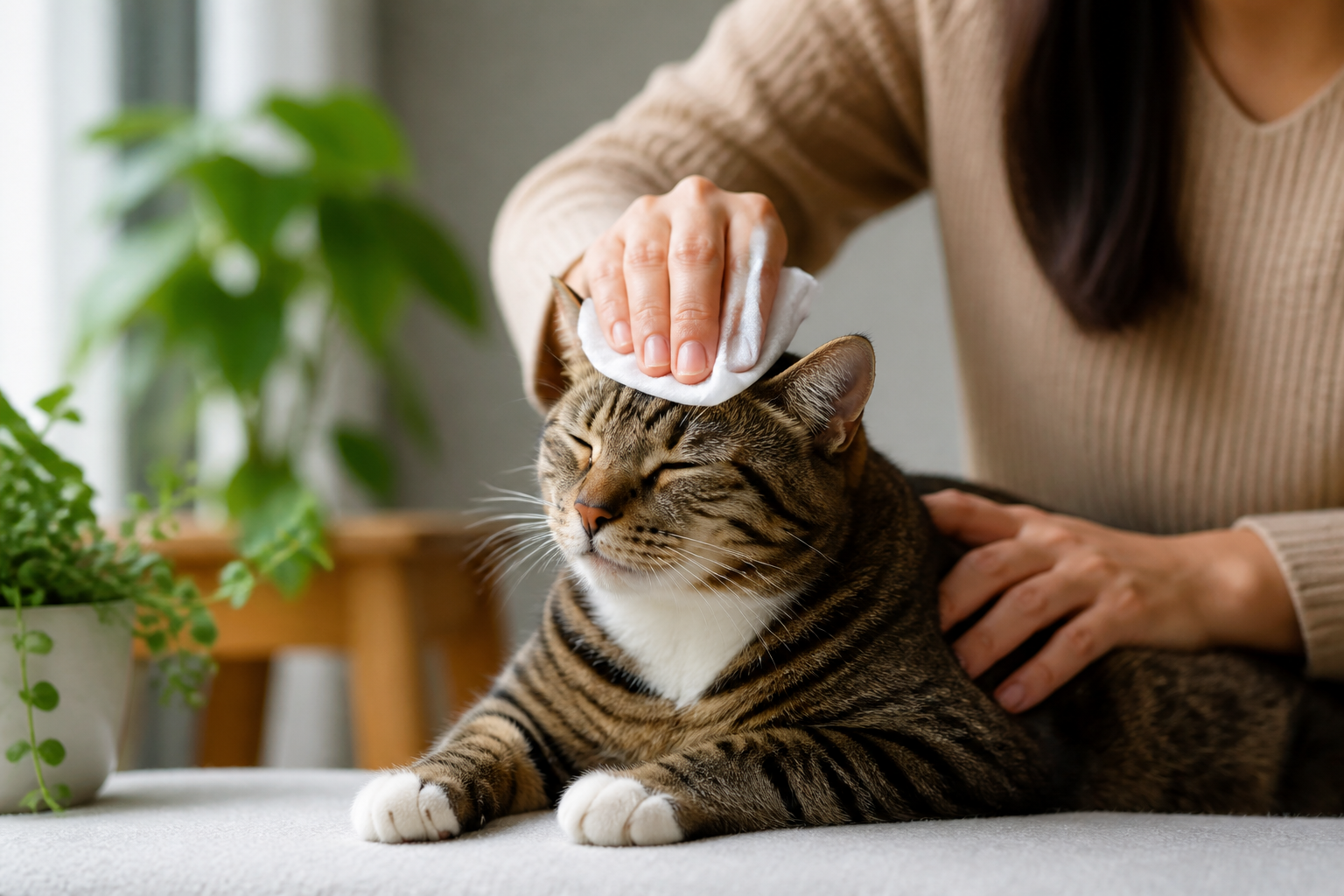
For cats that hate water, waterless shampoos or grooming wipes are a great alternative. These allow you to clean the fur and moisturize the skin without the stress of a tub. Simply wipe the cat down to remove surface flakes and dander.
When Home Remedies Are Not Enough
While home remedies work for many cats, they are not a substitute for veterinary care. If the dandruff is caused by an infection or a parasite, a humidifier will not solve the problem.
You should seek veterinary advice if you see:
- Patches of hair loss or thinning fur.
- Red, inflamed, or bleeding skin.
- Excessive scratching or biting at the skin.
- A foul odor coming from the fur.
- Large "sheets" of skin flaking off rather than small specks.
For issues like flea infestations or mites, your vet will prescribe FDA-approved medications. Our cat pharmacy offers a convenient way to get these medications delivered to your door. We work with Pet's Choice to provide a wide range of flea and tick preventives and skin treatments. Using a prescription-strength preventive is often the only way to fully eliminate parasites that cause dandruff.
Helping Overweight or Senior Cats
If your cat has dandruff because they cannot reach their back, the remedy is a mix of grooming and lifestyle changes. You will need to take over the grooming duties that they can no longer perform.
Weight Management
If your cat is overweight, reducing their calorie intake is a long-term fix for dandruff. Once they lose weight, they will regain the flexibility needed to groom themselves. We carry weight management formulas from brands like Royal Canin and Farmina Vet Life to help support this journey.
Joint Support
For senior cats with arthritis, joint supplements like Cosequin can help. When a cat feels less stiff, they are more likely to stay clean. Providing a low-sided litter box and easy access to high perches also reduces the stress on their joints. For additional mobility guidance, explore this cat arthritis care resource.
Key Takeaway: For cats with mobility issues, your physical help with grooming is the most important home remedy you can provide.
Creating a Stress-Free Environment
Believe it or not, stress can manifest as skin issues in cats. When a cat is stressed, their immune system can weaken, leading to poor skin condition. Some cats also over-groom or under-groom when they feel anxious.
Try to identify any changes in the home that might be upsetting your cat. This could be a new pet, a recent move, or even a change in your work schedule. Using pheromone diffusers, like those from Feliway, can help create a sense of calm. A calm cat is a cat that is more likely to maintain a healthy grooming routine.
Summary of Home Care for Cat Dandruff
Managing your cat's skin health at home involves a combination of physical care, environmental changes, and nutritional support.
- Daily Brushing: The most effective way to distribute oils and remove flakes.
- Increase Humidity: Use a humidifier to combat dry indoor air.
- Boost Hydration: Add wet food and fresh water sources to their diet.
- Supplement Fats: Use fish oils or skin-specific supplements to strengthen the skin barrier.
- Consult a Professional: Always rule out underlying medical conditions with your vet.
Bottom line: Most cases of cat dandruff respond well to improved grooming and better hydration within a few weeks.
Conclusion
Cat dandruff is a common issue that many owners face, especially during seasonal changes. By implementing simple home remedies like daily brushing, adding Omega supplements, and using a humidifier, you can significantly improve your cat's skin health. We are committed to helping you find the right tools for the job, from high-quality brushes to premium food. If these steps do not clear up the flakes, remember to consult your veterinarian to check for underlying conditions. Our pharmacy is always available to help with any prescription needs your vet may recommend. Taking a proactive approach to your cat's skin care ensures they stay comfortable, itchy-free, and ready for more cuddles.
Key Takeaway: A healthy coat starts from the inside out with proper hydration, but it requires the outside support of regular grooming and a humid environment.
Explore our cat healthcare collection for more ways to support your cat's ongoing health and wellness needs.
FAQ
Can I use coconut oil on my cat for dandruff?
You can use a small amount of organic, cold-pressed coconut oil as a topical moisturizer or a food topper. If applied topically, use a very small amount, as your cat will likely lick it off, and too much can cause an upset stomach. Always check with your vet before adding any oils to your cat's diet to ensure it is appropriate for their specific health profile.
Is cat dandruff contagious to humans or other pets?
Standard dandruff caused by dry skin or diet is not contagious. However, if the "dandruff" is actually caused by parasites like Cheyletiella mites (walking dandruff) or a fungal infection like ringworm, it can spread to other animals and humans. If you notice other pets itching or see red rings on your own skin, seek medical and veterinary advice immediately.
Why does my cat only have dandruff on their lower back?
The lower back and the base of the tail are the hardest areas for a cat to reach during grooming. If a cat has even slight mobility issues from age, weight, or arthritis, they will often neglect these spots first. This leads to a buildup of dead skin and natural oils in that specific area.
How often should I bathe a cat with dandruff?
Most cats do not need frequent baths, and over-bathing can actually make dandruff worse by stripping away essential oils. Unless your cat is extremely oily or has a specific medical condition, a bath once every few months with a gentle feline shampoo is usually plenty. Focus on daily brushing and dietary improvements instead of frequent bathing for better long-term results.