
 Save 15% on your 1st Autoship learn more

 Email us
 Live Chat
 FAQs
FAQs





Introduction
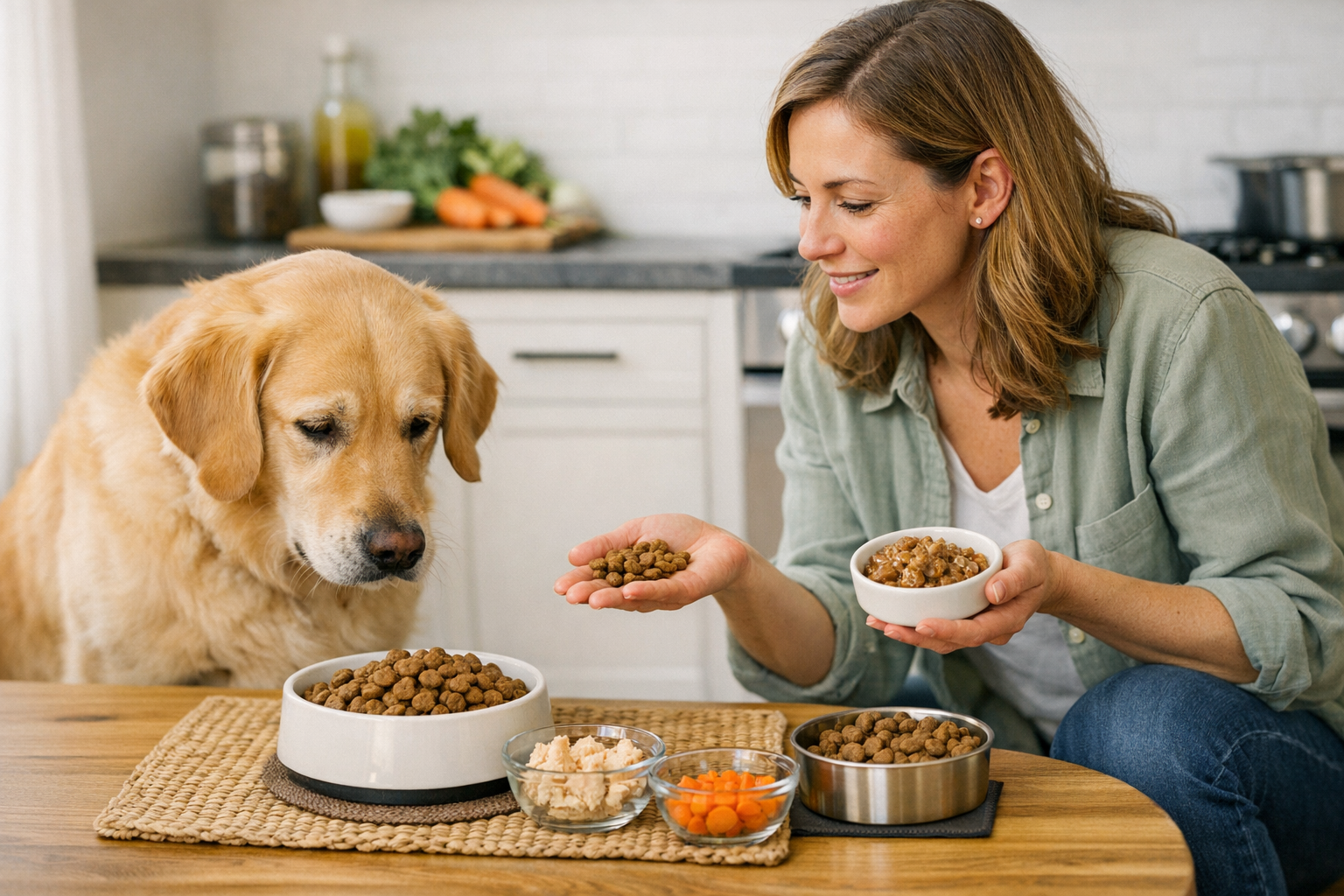
You fill the bowl with high quality kibble and set it down with a smile. Your dog walks over, takes one sniff, and looks up at you with those heartbreaking "is this all?" eyes. Maybe they walk away entirely or sit by the counter hoping for a piece of your chicken sandwich instead. It is a frustrating moment that many of us at BaxterBoo have experienced with our own pets. Whether you are dealing with a naturally picky eater or a dog that has suddenly gone on a hunger strike, getting them back to their dry food is a common challenge. If you are looking for a place to start, our dog food category is a helpful hub for exploring different formulas and textures.
This guide will walk you through the reasons behind this behavior and provide twelve actionable tricks to encourage your dog to eat. We will cover everything from simple kitchen additions to behavioral shifts and when it is time to look at medical causes. Our goal is to help you build a stress free mealtime routine that ensures your pet gets the balanced nutrition they need.
Identifying the Cause of the Refusal
Before you start adding toppers or changing brands, you need to understand why the refusal is happening. Dogs are generally motivated by food, so a total lack of interest usually points to one of three categories: medical issues, behavioral habits, or environmental stress.
Potential Medical Concerns
If a dog that normally loves their kibble suddenly stops eating, it is often a sign of physical discomfort. Dental pain is a primary culprit. Dry kibble is hard and requires significant crunching. If your dog has a cracked tooth, inflamed gums, or periodontal disease, those hard nuggets feel like eating sharp rocks.
Gastrointestinal issues or allergies can also play a role. If a certain food makes your dog feel nauseated or bloated, they will quickly learn to avoid the bowl. In senior dogs, a declining sense of smell can make dry food seem bland and unappealing. Since smell is the primary driver of appetite for dogs, a nose that is not working well leads to a mouth that will not open.
Behavioral and Habitual Factors
Often, we accidentally train our dogs to be picky. If your dog refuses kibble and you immediately offer a piece of cheese or a scoop of wet food to "make sure they eat," the dog learns a lesson. They learn that holding out results in a better reward. This is especially common with highly intelligent breeds that are experts at training their humans.
Overfeeding is another common factor. If your dog gets several high calorie treats throughout the day or picks up table scraps from the kids, they simply might not be hungry by dinner time. A dog that is only 90 percent full is much more likely to be picky than a dog with a truly empty stomach.
Quick Answer: To get your dog to eat dry food, try adding warm water or low sodium broth to enhance the aroma. You can also implement a strict 30 minute feeding window and eliminate all table scraps to increase their natural hunger drive.
Practical Tricks to Encourage Eating
Once you have ruled out any immediate health crises, you can begin using specific strategies to make the dry food more inviting. You do not always need to buy a new bag of food. Often, it is about how you present the meal.
1. The Warm Water Method
Dry food is processed to be shelf stable, which means the fats and aromas are locked inside the hard nuggets. Adding a small amount of warm water does two things. First, it softens the texture for dogs with sensitive mouths. Second, the heat releases the scent of the fats and proteins.
Let the food sit for about five to ten minutes after adding the water. It will create a light gravy that coats the kibble. This is often enough to entice a dog that was previously bored by the dry texture.
2. Use Low Sodium Bone Broth
If water is not enough, bone broth is a fantastic alternative. At BaxterBoo, we carry several brands of dog safe broths and pour overs in our food topper collection, which are made for pets and are a simple way to add aroma and moisture without turning mealtime into a guessing game.
The intense meaty smell of bone broth is hard for most dogs to resist. It provides a boost of hydration and collagen while making the kibble taste like a gourmet meal. Just a few tablespoons are usually sufficient to change the flavor profile of the entire bowl.
3. Implement the 30 Minute Rule
Dogs thrive on structure. If you leave the food bowl out all day, the food loses its appeal. It becomes a stale part of the furniture. Instead, put the bowl down and give your dog exactly 30 minutes to eat.
If they have not touched it after 30 minutes, pick the bowl up and put it away. Do not offer any treats or scraps until the next scheduled mealtime. This teaches your dog that food is a limited resource and that they need to eat when it is offered. Most healthy dogs will not starve themselves and will be much more interested in the next meal.
4. Eliminate Table Scraps and Excess Treats
It is hard to say no to those puppy eyes, but table scraps are the enemy of a balanced diet. Human food is much more flavorful and fat heavy than dry kibble. If your dog knows there is a chance of getting a piece of bacon or a crust of pizza, they will have no interest in their nutritionally balanced nuggets.
Key Takeaway: Consistency is the most important factor in fixing picky eating. If you vary your response every time your dog refuses a meal, they will continue to hold out for better options.
Strategic Food Enhancements
If simple hydration does not work, you may need to look at nutritional additions. These can bridge the gap between "boring" kibble and the "exciting" food your dog craves.
Mixing Wet and Dry Food
One of the most effective ways to transition a dog back to dry food is by mixing in a small amount of high quality wet food. Our selection of Stella & Chewy's products includes palatable options that can help add interest without making the switch feel abrupt.
Start with a ratio of 25 percent wet food to 75 percent dry food. Thoroughly stir it so the wet food coats every piece of kibble. This prevents your dog from simply picking out the "good stuff" and leaving the dry pieces behind. Over time, you can slowly reduce the amount of wet food until they are back to eating mostly dry kibble.
Utilizing High Value Meal Toppers
Meal toppers are designed specifically for picky eaters. These come in various forms, including freeze dried raw crumbles, powders, and savory liquids.
- Freeze Dried Raw: Crushing a few freeze dried nuggets over the kibble adds a massive burst of protein and scent.
- Salmon Oil: A pump of salmon oil adds healthy Omega-3 fatty acids for skin and coat health while providing a fishy aroma that many dogs love.
- Dehydrated Veggies: Some dogs enjoy the crunch and sweetness of carrots or green beans mixed into their food.
The Role of Fresh Additions
You can also use safe items from your fridge in moderation. A spoonful of plain, xylitol free Greek yogurt or a bit of canned pumpkin (not pie filling) can settle a sensitive stomach and add interest to the bowl. For more ideas on picky eating, our guide to dry dog food for picky eaters covers the same challenge from a dry-food-first angle. Just ensure these additions do not exceed 10 percent of the total daily calorie intake to keep the diet balanced.
Vet Tip: If your dog is refusing dry food but acting lethargic, vomiting, or showing signs of pain, skip the toppers and call your veterinarian immediately. Picky eating is one thing, but a sudden loss of appetite combined with physical symptoms requires a professional diagnosis.
Adjusting the Environment and Hardware
Sometimes the problem is not the food itself, but how and where it is served. Small changes to the environment can lower a dog's anxiety and increase their focus on the meal.
Change the Bowl
Some dogs are sensitive to the sound of their collar tags hitting a metal bowl. This clinking sound can be startling and cause them to associate the food bowl with fear. Try switching to a ceramic or BPA free plastic bowl to see if the silence makes them more comfortable.
Additionally, make sure the bowl is clean. Leftover oils from dry food can go rancid quickly. If the bowl smells like old, spoiled fat, your dog will not want to put their nose near it. Wash the bowl with mild soap and water after every single meal.
Move the Feeding Location
If you have a multi pet household, your dog might feel "resource guarding" stress. They may be so worried about the other dog or cat coming near their bowl that they cannot relax enough to eat. Try feeding your picky eater in a separate room or inside their crate. A quiet, safe environment allows them to focus on the food without distractions or competition.
Gamify the Meal
In the wild, canines spend significant energy looking for food. For some high drive dogs, a bowl full of kibble is just plain boring. They want to work for it.
Try using an interactive feeder or a puzzle toy from our dog toys collection. Instead of a bowl, put the dry kibble inside the toy. Rolling the toy around to get the food out engages their brain and taps into their natural foraging instincts. This often turns a "chore" into a rewarding game.
The Importance of Kibble Quality and Freshness
Not all dry food is created equal. If your dog is consistently refusing a specific brand, they might be telling you something about the ingredients or the freshness.
Checking for Spoilage
Once a bag of dry food is opened, the fats begin to oxidize. Most kibble stays truly fresh for only about two to three weeks after opening the seal. If you buy a massive 40 pound bag for a small dog, the food at the bottom of the bag may be stale or rancid by the time you reach it.
Store your food in its original bag, but place that bag inside an airtight container. This provides a double barrier against oxygen and pests. If the food has a sour or "paint like" smell, it has likely gone bad, and you should discard it. If you are shopping with value in mind, our article on discounted dog food is a useful companion read.
Evaluating Ingredient Profiles
Lower quality foods often rely heavily on fillers like corn and soy, which may not be as appetizing or digestible for your dog. Switching to a premium brand can make a significant difference.
We carry brands like Farmina that use high percentages of fresh animal proteins. These foods naturally have a stronger, meatier aroma that appeals to a dog's predatory nature. While premium food has a higher price point, the increased nutrient density often means you can feed smaller portions, which can actually be easier for a picky dog to finish.
Bottom line: Freshness and high quality protein sources are the foundation of a palatable dry food diet.
Managing Health Through Nutrition and Pharmacy
There are times when a dog refuses dry food because of an underlying health condition that requires a specific diet. If your dog has been diagnosed with kidney disease, urinary crystals, or severe food allergies, your veterinarian may prescribe a therapeutic diet.
Through our partnership with Pet's Choice, the BaxterBoo pharmacy offers a wide range of FDA approved prescription pet foods. Our pharmacy for dogs is where you can explore those specialized options, including targeted nutrition designed for specific health needs. If your dog is struggling with health issues, a prescription diet can often be the "reset" they need to start eating reliably again.
Our pharmacy also carries medications that can help with appetite stimulation or digestive support if your vet determines they are necessary. Having access to these professional resources ensures that you aren't just guessing about your dog's health needs.
Transitioning to New Foods
If you decide to switch brands to find a more appetizing kibble, do it slowly. A sudden change in diet can cause diarrhea or upset stomach, which will only make the picky eating worse.
- Days 1 to 3: 25 percent new food, 75 percent old food.
- Days 4 to 6: 50 percent new food, 50 percent old food.
- Days 7 to 9: 75 percent new food, 25 percent old food.
- Day 10: 100 percent new food.
This gradual transition allows your dog’s digestive enzymes to adjust and prevents the negative association of a tummy ache with the new food.
Conclusion
Getting a dog to eat dry food requires a mix of patience, routine, and a few clever kitchen hacks. Start by ruling out dental pain or illness with your veterinarian. Once you know your pet is healthy, focus on building a consistent schedule with the 30 minute rule. Use toppers like bone broth or warm water to enhance the aroma, and ensure the food you are serving is fresh and high quality.
At BaxterBoo, we are committed to helping you find the right combination of food and gear to keep your pet thriving. Whether you need a puzzle toy to make mealtime fun or a specialized prescription diet from our pharmacy, we have the expertise to guide you. Consider signing up for our Autoship programme to ensure your dog's favorite kibble always arrives fresh and on time, and you will even earn MVP Rewards on every purchase.
FAQ
Why did my dog suddenly stop eating dry food but will still eat treats?
This is usually a behavioral sign that your dog is holding out for higher value rewards. If they are physically able to chew crunchy treats but refuse kibble, they are likely being picky because they know something better might be offered. However, you should still check for broken teeth, as some treats may be softer or shaped differently than kibble.
Is it safe to add human food like chicken or eggs to my dog's kibble?
Yes, in small amounts. Plain, boiled chicken or a cooked egg can be a great protein boost for a picky eater. However, these additions should not make up more than 10 percent of their daily diet. Be sure to avoid any seasonings, especially salt, onion, and garlic, which are toxic to dogs.
How long can a healthy dog go without eating?
Most healthy dogs can go 24 to 48 hours without a meal without any long term harm, provided they are still drinking water. If your dog refuses food for more than two days, or if they stop drinking water, you must contact your veterinarian. Small breeds and puppies are more susceptible to blood sugar drops and should be seen sooner.
Can I mix water into my dog's dry food every day?
Absolutely. Adding water is a great way to increase hydration and make the food more palatable. Just remember that once dry food is moistened, it will spoil much faster. You should discard any uneaten moistened kibble after 30 minutes to prevent bacteria growth.






