
 Save 15% on your 1st Autoship learn more

 Email us
 Live Chat
 FAQs





Introduction
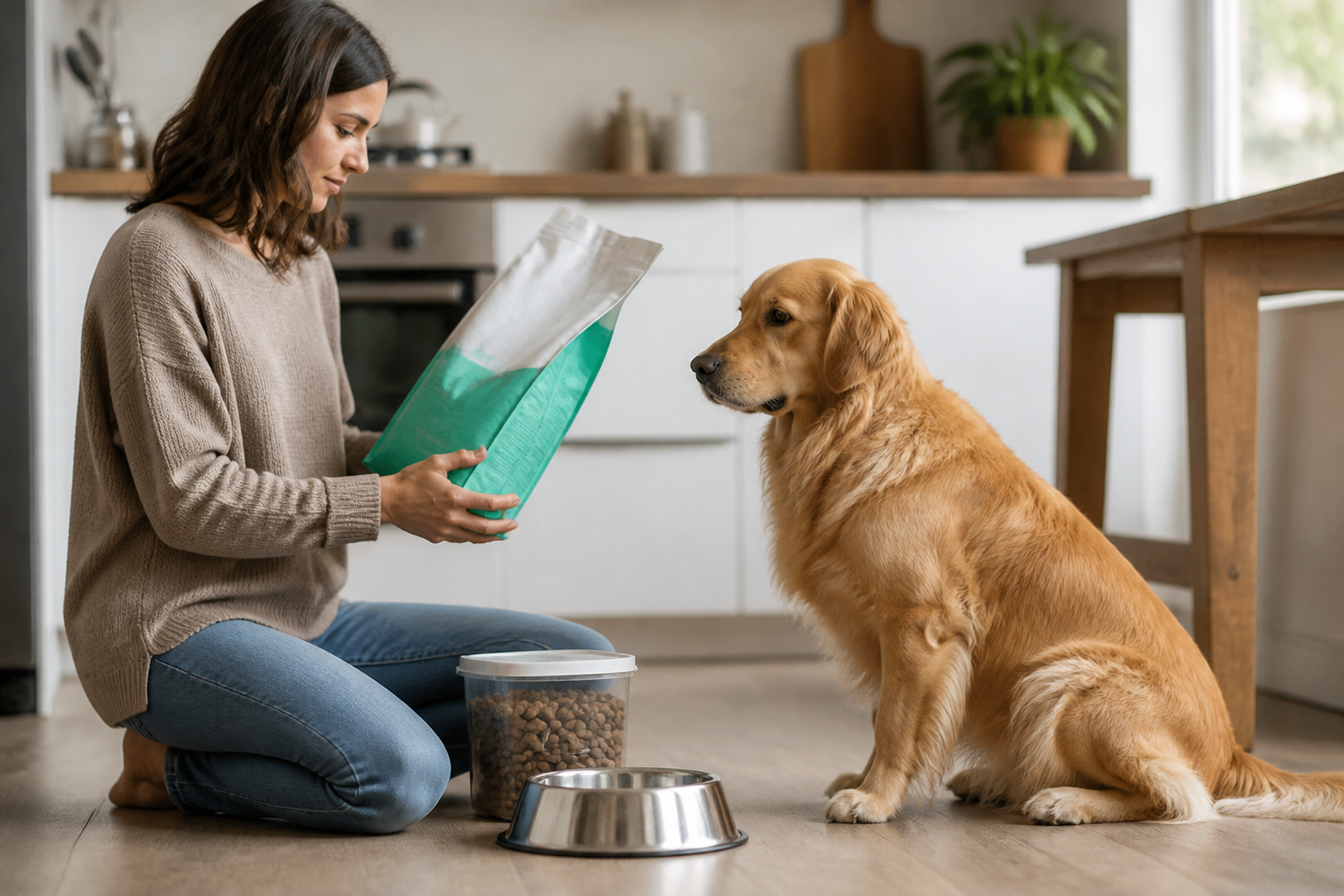
You fill your dog’s bowl, and they sniff the kibble before walking away. Before you buy another large bag, consider what might make a food a better fit. The best dry dog food for a picky eater is one your dog will eat that also provides complete and balanced nutrition for their life stage and suits their health needs.
There is no single kibble every dog prefers. At BaxterBoo, we suggest starting with an appropriate recipe in a manageable bag size, then considering the kibble’s size, texture and flavor. If your dog’s appetite has suddenly changed, call your veterinarian rather than assuming the problem is preference. A good choice starts with nutrition and a healthy dog, then makes room for personal taste.
Start With the Right Kind of Kibble
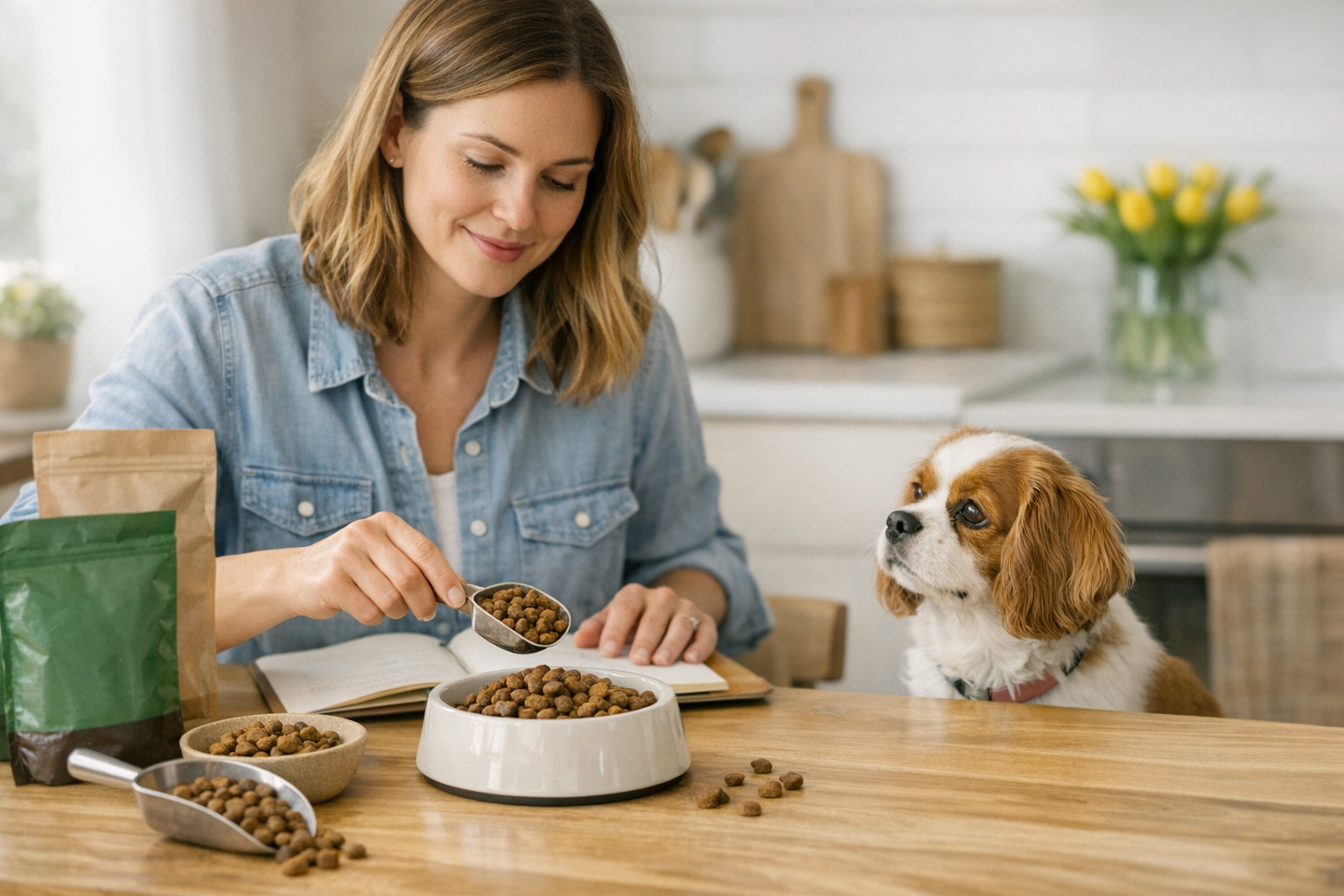
For a healthy adult dog, a practical first choice is an adult dry food labeled complete and balanced, with a flavor your dog has accepted before. Choose a kibble size they can comfortably pick up and chew. If you’re unsure which recipe to try, a smaller bag lets you test a suitable option without committing to a large supply.
Different dogs respond to different qualities. These options give you a starting point, not a promise that one will be your dog’s favorite.
| Option | When it may be worth trying | What to check |
|---|---|---|
| Small-size kibble | Your dog leaves larger pieces but readily eats smaller foods | The food still needs to be appropriate for your dog’s life stage. |
| A familiar flavor in a new recipe | Your dog has enjoyed chicken, beef or another flavor before | A familiar flavor does not guarantee acceptance. Read the full label if your dog has dietary restrictions. |
| Kibble with varied shapes or textures | Your dog seems interested in some pieces more than others | Make sure the whole food, not just the favored pieces, is suitable as a daily diet. |
| Regular kibble softened with warm water | Your dog prefers a softer texture or you want to try a change before buying another bag | New difficulty chewing deserves a veterinary check, even if softened food helps. |
| Kibble mixed with a little wet dog food | Your dog responds to a different texture or aroma | Account for the wet food in the daily portion and check with your vet if your dog is on a restricted diet. |
For example, if your healthy adult dog already likes chicken treats but ignores large kibble, a small-piece adult chicken recipe could be a reasonable trial. If they already eat their current food when it is softened, you might try adding warm water before changing recipes.
Dry Dog Food


Read the Label Before You Buy
A food can smell appealing and still be the wrong everyday choice for your dog. Start with the nutritional adequacy statement on the package. Look for a food described as complete and balanced for your dog’s life stage.
An adult maintenance food is intended for adult dogs. Puppies need food appropriate for growth, and large-breed puppies have specific growth needs, so check the statement carefully and ask your veterinarian if you’re uncertain. An all-life-stages food is a different choice from an adult maintenance recipe.
Next, consider your dog’s individual needs:
- Age and size: Choose a life-stage formula and a piece size your dog can manage.
- Health history: If your dog needs a veterinary diet or has a diagnosed food allergy, ask your vet before changing food or adding a topper.
- Portion and calories: Compare feeding directions and calories, not just the size of the bag. Two foods can require different serving amounts.
- Practicality: Choose a food you can reasonably keep feeding if your dog does well on it.
The ingredient list can help you identify ingredients your dog needs to avoid or flavors you want to try. It cannot tell you on its own which complete food your individual dog will prefer. A longer list or a higher protein number is not a guarantee of better taste.
Consider Why Your Dog Is Leaving Food
A dog who has always been selective is different from one who suddenly stops eating. Changes in appetite can be associated with illness, discomfort, stress or a problem with the food. Chewy’s veterinarian-reviewed guidance on picky eating recommends contacting a veterinarian when eating habits change suddenly or a dog consistently skips meals.
Watch what happens at the bowl. Does your dog approach eagerly but drop pieces, chew unusually or back away? Have they also become less energetic, lost weight, vomited or had diarrhea? Tell your veterinarian what you’ve noticed instead of trying to diagnose the cause at home.
Check the food, too. Look at the best-by date and package condition, and notice any unusual smell or appearance. If you suspect the food is spoiled, don’t serve it. Keep the packaging so you can identify the recipe and lot information.
Vet Tip: Contact your veterinarian promptly if your dog’s appetite changes suddenly or they have vomiting, diarrhea, low energy or weight loss. Puppies, senior dogs and dogs with ongoing health conditions may need attention sooner.
If your dog seems uncomfortable chewing, don’t assume smaller kibble has solved the problem. A vet can check whether discomfort is making meals difficult.
Make an Appropriate Food More Appealing
Once your veterinarian is comfortable that your dog is well, a few simple changes may help you find out what they prefer. Try one change at a time so you can tell what made a difference.
Add a Little Warm Water
Pour a small amount of warm, not hot, water over the kibble and let it soften before serving. This changes the texture and may make the food’s aroma easier to notice. Check the temperature before offering it, and provide fresh drinking water separately.
If your dog likes the food softened, you may not need a new recipe. Remove uneaten moistened food promptly rather than leaving it sitting out.
Mix In Some Wet Food
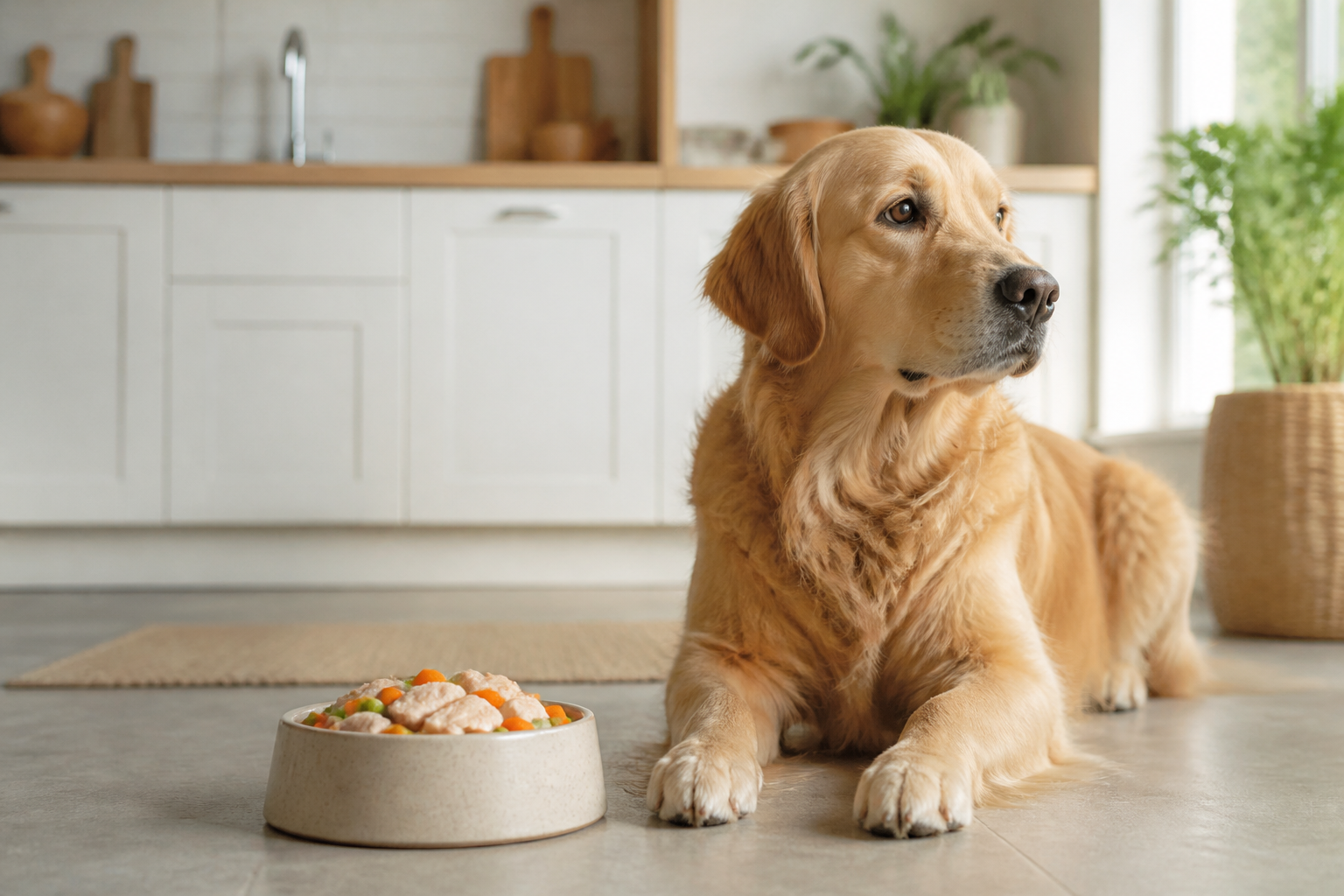
A small amount of wet dog food can change the smell and texture of a kibble meal. Mix it through the dry food rather than piling it on top if your dog tends to pick out only the extra.
Look for a wet food that fits your dog’s life stage and dietary needs. Count it as part of the meal, not as an unlimited addition. Your veterinarian can help you work out portions, particularly if your dog needs to gain or lose weight.
A product labeled as a topper may not be complete and balanced on its own. Use it as directed and sparingly, so it does not crowd out the nutrition your dog gets from their main food.
Keep Treats in Perspective
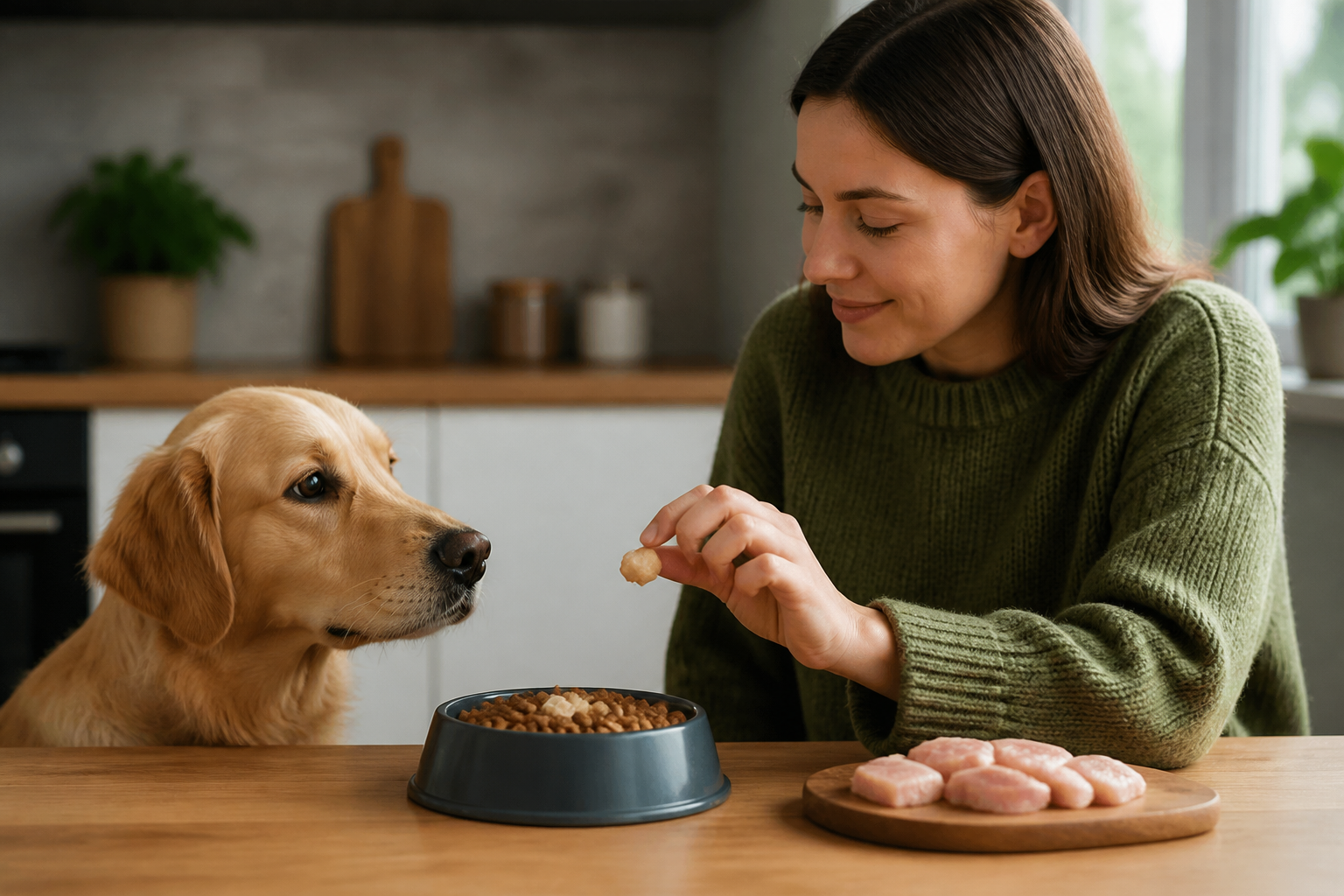
Treats, training rewards and table scraps can add up across the day. A dog who is full may have less interest in their regular meal. Keep track of what everyone in the household gives your dog, including small bites offered while cooking or training.
You can also set aside some of your dog’s measured daily kibble to use as rewards. This helps you see how much food they are getting without adding a separate pile of extras.
Key Takeaway: A small change in texture or moisture may be worth trying before you buy another food. Keep the main diet nutritionally appropriate, and include any extras when you consider your dog’s daily intake.
Change Foods Gradually
If you and your veterinarian decide a new food is appropriate, introduce it gradually rather than replacing the entire meal at once. A gradual change can reduce the chance of digestive upset. The pace may need to be slower for an individual dog.
Step 1: Choose the new food
Check that the recipe is complete and balanced for your dog’s life stage and fits any dietary instructions from your veterinarian. Compare its feeding directions with those on the current bag.
Step 2: Start with a small amount
Mix a little of the new food into the current food. Keep the overall portion appropriate for your dog rather than simply adding extra kibble.
Step 3: Increase the new food gradually
Over several days, increase the proportion of new food while decreasing the old food. Watch how much your dog eats and note any change in their stool or behavior.
Step 4: Pause and ask for help if needed
If your dog develops vomiting, diarrhea or a clear decline in appetite, contact your veterinarian. Don’t keep experimenting with new foods while trying to work out whether your dog is ill.
If your dog is already refusing the old food, ask your vet for advice instead of relying on a gradual mix to fix the problem. Keep the old bag until the transition is complete so you have its label information available.
Build a Calm, Consistent Mealtime
A predictable routine can make it easier to see what your dog is actually eating. Offer measured meals at regular times in a quiet spot. If another pet crowds the bowl, feed them separately so your dog has room to eat without competition.
For a healthy dog, you can offer the meal and remove what remains after a reasonable interval. Chewy’s feeding guidance suggests roughly 15 to 30 minutes. The goal is a clear routine, not forcing a dog who feels unwell to wait for food.
Try not to introduce a succession of new toppings as soon as your dog hesitates. Instead, note what was offered and how much was eaten. If your dog continues to skip meals, call your veterinarian rather than letting the pattern continue.
A short record can be useful for both shopping and a vet conversation:
- The food name, recipe and amount offered
- Any water, wet food, treats or other extras
- How much your dog appeared to eat
- Changes in weight, stool, energy or chewing
Get Better Value From Your Next Bag
For a picky eater, the lowest cost per pound is not always the best value. A large bag that goes uneaten can cost more overall than a smaller bag your dog finishes. Compare package sizes alongside feeding directions and calories per serving.
Before buying, check that the bag suits your storage space and that your dog can use it while it is fresh. Keep the original packaging for its feeding directions, best-by date and lot information. Follow the manufacturer’s storage instructions and keep the food protected from moisture.
At BaxterBoo, we know a good food choice has to work for your household as well as your dog. Once you find a suitable recipe your dog eats consistently, keeping it on hand may be more useful than chasing a new flavor every week.
Conclusion
The best dry food for your picky dog is a suitable complete and balanced recipe they can comfortably eat. Start with a manageable bag, pay attention to their preferences and make changes gradually.
- Match the food to your dog’s life stage and health needs.
- Try a small change in texture or moisture before switching repeatedly.
- Ask your veterinarian about a new or persistent change in appetite.
Vet Tip: Bring your food label and feeding notes to an appointment if your dog is consistently leaving meals.
Explore our dog food category when you’re ready to compare appropriate recipes and kibble sizes.
FAQ
What flavor of dry dog food do picky dogs like best?
There is no flavor that works for every dog. A recipe with a flavor your dog has accepted before is a reasonable place to start, provided it meets their nutritional and health needs.
Is wet food better than dry food for a picky dog?
Some dogs may find wet food more appealing because of its smell or texture. You can offer a suitable wet food as part of a measured meal, but make sure the overall diet is appropriate for your dog.
How long should I wait if my dog refuses food?
Don’t use food refusal as a test of stubbornness. Contact your veterinarian about a sudden appetite change or repeated missed meals, and call promptly if your dog also seems ill or has a health condition.
Should I switch foods if my dog only eats the toppers?
First, check how much topper you’re using and mix a small amount through the kibble rather than leaving it on top. If your dog continues to avoid the main food, ask your veterinarian for guidance before trying a series of new recipes.


- Site & Contents BaxterBoo.com. BaxterBoo is located in the United States.
- Privacy & Security
- Terms of Use
- Accessibility Statement
