
 Save 15% on your 1st Autoship learn more

 Email us
 Live Chat
 FAQs
FAQs





Introduction
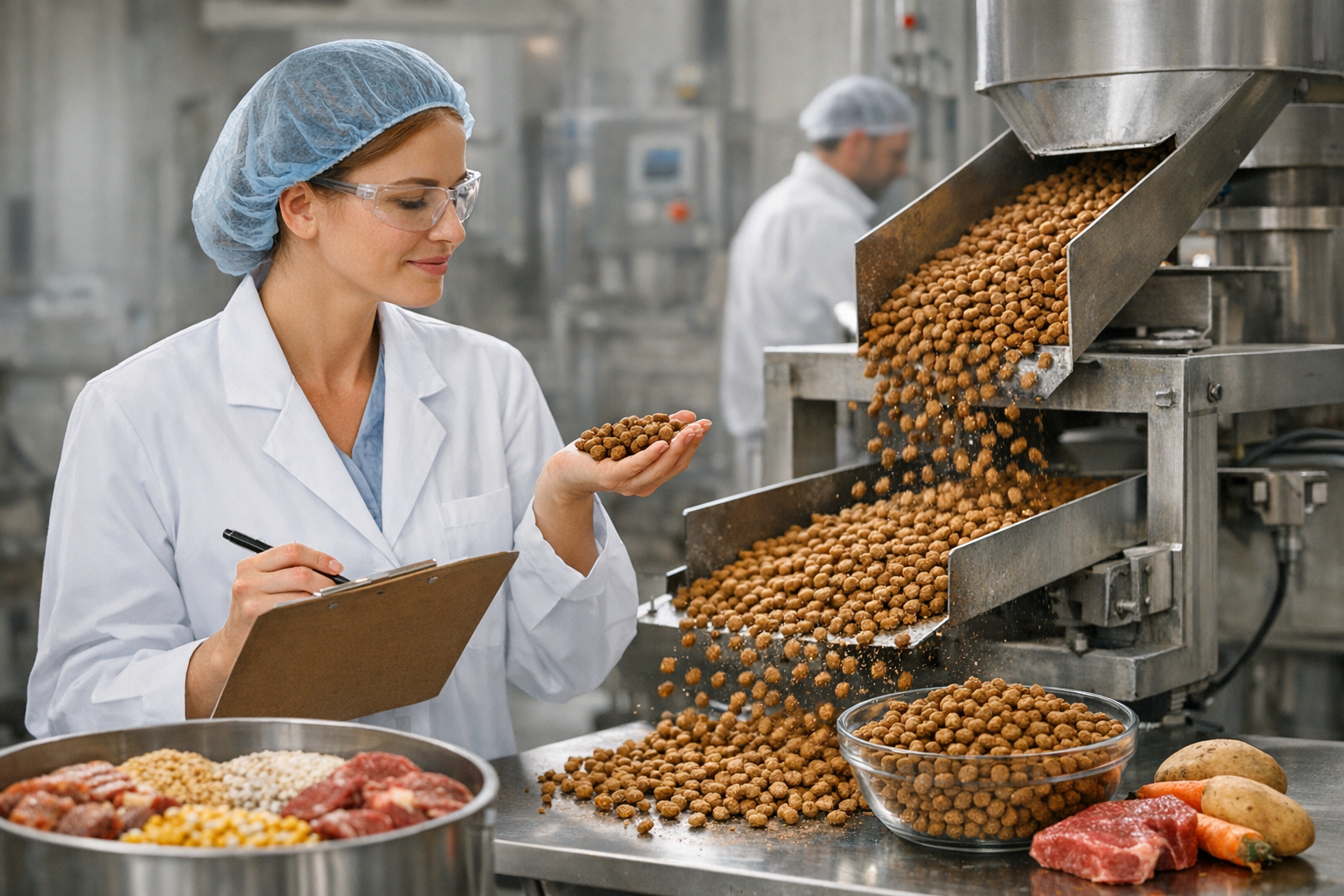
When you pour a scoop of kibble into your dog’s bowl, it is easy to see it as just a collection of crunchy brown nuggets. You might wonder how a mixture of meat, grains, and vegetables transforms into a shelf-stable product that stays fresh for months. Understanding this process helps you make better choices for your pet’s nutrition and health. At BaxterBoo, we believe that the more you know about what goes into the bag, the more confident you will feel about what goes into your dog. If you want to browse while you learn, start with our dog food category. This article covers the step-by-step journey of dry dog food from raw ingredients to the finished bag in your pantry. We will look at the science of extrusion, the role of safety regulations, and the different ways manufacturers preserve the nutrients your dog needs to thrive.
The Foundation: Selecting Ingredients
Every bag of dry dog food starts with a recipe designed to provide complete and balanced nutrition. This means the food contains every single nutrient a dog needs in the correct ratios for their life stage. Manufacturers select ingredients based on their nutrient profile, including proteins, fats, carbohydrates, fiber, vitamins, and minerals.
Protein is usually the first ingredient. This can come from fresh meat like chicken, beef, or lamb. It also frequently comes from meat meals. A meat meal is simply meat that has been cooked and dried to remove the water content. This creates a concentrated protein source that is very efficient for making dry kibble. Carbohydrates like brown rice, barley, peas, or potatoes provide energy and give the kibble its structure. Without starch, the kibble would not be able to hold its shape.
Quick Answer: Dry dog food is primarily made through a process called extrusion. This involves mixing wet and dry ingredients into a dough, cooking it under high pressure and heat, and then forcing it through a shaped mold before drying and coating it with fats.
Ingredient Preparation and Mixing
Once the ingredients arrive at the manufacturing plant, the preparation begins. This stage ensures that the final product is uniform and safe. Each ingredient is carefully weighed to match the specific formula of the brand.
Grinding and Sieving
Dry ingredients like grains, pulses, and dried meals are ground into a fine flour. This increases the surface area, which helps the food cook evenly. Manufacturers use large industrial sifters to remove any large particles or foreign objects. This ensures the texture of the dough remains consistent.
The Mixing Phase
The ground dry ingredients are moved into a massive industrial mixer. At this stage, liquid ingredients are added. This includes water, fats, and sometimes fresh meat slurries. The goal is to create a consistent, dough-like mixture. This dough is the base for the extrusion process. If the mix is too dry, it will not flow through the machines. If it is too wet, it will not hold its shape when it is cut into kibble.
Key Takeaway: The precision of the mixing phase determines the nutritional consistency of every single nugget of food in the bag.
The Extrusion Process: Turning Dough into Kibble
The vast majority of dry dog food is made using an extruder. This machine is the heart of the modern pet food factory. It was originally adapted from technology used to make puffed breakfast cereals. An extruder is essentially a long barrel with a large internal screw.
Pre-conditioning
Before entering the main extruder barrel, the dough often goes through a pre-conditioner. Here, steam and water are added to the mix. This starts the cooking process and hydrates the starches. Pre-conditioning helps the ingredients blend more thoroughly and begins to kill off any harmful bacteria.
Heat and Pressure
As the dough enters the extruder barrel, the internal screw turns and pushes the mixture forward. The friction from the screw combined with additional steam creates intense heat and pressure. This environment causes a process called starch gelatinization. The starches in the grains or vegetables expand and become digestible. This is what gives kibble its light, crunchy texture. If you want help choosing a bag that stays fresh at the right pace, our blog post on how long dry dog food stays fresh once opened is a helpful next read.
The Die Plate and Cutting
At the end of the extruder barrel, the pressurized dough is forced through a die plate. This is a metal plate with holes cut into specific shapes like circles, stars, or triangles. As the dough exits the holes, it enters the normal air pressure of the room. This causes the dough to puff up instantly. A fast-rotating blade then slices the "ribbons" of dough into the small, individual pieces we recognize as kibble.
Vet Tip: High-heat processing like extrusion can sometimes reduce the potency of certain vitamins. Check your dog food label for "guaranteed analysis" to ensure the levels of vitamins like A and E meet your pet’s needs. If your dog has a specific health condition, consult your veterinarian about whether a prescription diet is necessary.
Drying and Cooling for Shelf Stability
When the kibble first leaves the extruder, it is quite soft and contains about 25 to 30 percent moisture. If it were bagged this way, it would grow mold very quickly. To prevent spoilage, the food must be dried.
The Drying Tunnel
The wet kibble pieces travel on a conveyor belt through a large industrial dryer. This is often a long tunnel where hot air is circulated around the food. The goal is to bring the moisture content down to below 10 percent. At this level, the food is shelf-stable and can last for a year or more without refrigeration as long as the bag remains sealed.
The Cooling Phase
After leaving the dryer, the kibble is still very hot. It must be cooled down to room temperature before it can be coated or packaged. If hot kibble is put directly into a bag, it will create condensation. This moisture would lead to mold growth and spoilage. Large fans or cooling towers are used to bring the temperature down safely and steadily. If you buy kibble regularly, our Autoship programme can make reordering easier.
Bottom line: Proper drying is the most important step for ensuring that dry dog food remains safe to store in your pantry for long periods.
The Finishing Touch: Enrobing and Coating
If you have ever touched a piece of kibble and felt a slight oily residue, you have experienced the coating. This process is called enrobing. Plain, dried kibble is often not very appealing to a dog's nose or palate. It can also be low in the essential fats they need for a shiny coat and healthy skin.
Spraying Fats and Flavors
The cooled kibble enters a large revolving drum. As the drum turns, it is sprayed with a fine mist of liquid fats, oils, and sometimes flavor enhancers called "digests." These digests are usually made from high-quality animal tissues that have been broken down by enzymes to create a very concentrated, meaty scent.
Adding Heat-Sensitive Nutrients
The enrobing stage is also when manufacturers add back nutrients that might have been damaged by the high heat of the extruder. Vitamins, minerals, and probiotics are often included in the coating spray. This ensures that these delicate ingredients remain active and effective until they reach your dog’s stomach.
Alternative Methods: Baking and Air-Drying
While extrusion is the most common method, it is not the only way to make dry dog food. Some brands choose different paths to preserve more of the natural nutrients found in raw ingredients.
Oven-Baking
Baked dog food is made by rolling the dough out and cutting it into shapes, much like making cookies. These pieces are then baked in an oven at lower temperatures than an extruder uses. Because there is less pressure involved, baked kibble does not puff up. It is usually denser and more like a biscuit. Some owners prefer baked food because the lower temperatures may help preserve more of the natural flavor and nutrient profile of the ingredients.
Air-Drying
Air-dried food is becoming more popular among owners who want the benefits of raw food with the convenience of kibble. In this process, the ingredients are mixed and then placed in a chamber where air is circulated at very low temperatures for many hours. This slowly removes the moisture without "cooking" the proteins as aggressively as extrusion or baking. This method often results in a very nutrient-dense product that many dogs find highly palatable, especially when they explore our freeze-dried food hub.
Key Takeaway: Different manufacturing methods affect the texture, density, and nutrient retention of the food, so it is worth trying different types to see what your dog prefers.
Safety, Quality Control, and Regulations
The pet food industry in the United States is highly regulated. This ensures that the food you buy is safe and accurately labeled.
FDA Oversight
The U.S. Food and Drug Administration (FDA) has authority over pet food, much like it does for human food. They require that pet food be safe to eat, produced under sanitary conditions, and contain no harmful substances. They also mandate that labels are truthful and not misleading.
AAFCO Standards
The Association of American Feed Control Officials (AAFCO) provides the nutritional standards that most states adopt into law. When you see a statement on a bag saying the food is "formulated to meet the nutritional levels established by the AAFCO Dog Food Nutrient Profiles," it means the recipe has been checked to ensure it contains everything a dog needs to stay healthy.
Testing and Recalls
Reputable manufacturers perform constant testing throughout the production process. They test raw ingredients for toxins like mold (mycotoxins) and pathogens like Salmonella. They also test the finished product to ensure the nutrient levels match what is printed on the bag. If a problem is found, the system of batch codes allows companies to quickly identify and recall specific bags of food.
Vet Tip: If your dog develops sudden digestive upset or skin issues after starting a new bag of food, it may be a sign of a formula change or a sensitivity. Always keep the original packaging so you can provide the batch number and expiration date to your vet or the manufacturer.
Specialized Nutrition and Prescription Diets
Not all dry dog food is created for the average healthy pet. Some dogs have medical conditions that require very specific nutrient levels. For example, dogs with kidney disease need lower phosphorus, while dogs with severe allergies may need hydrolyzed proteins.
The Manufacturing of Prescription Food
Prescription diets are made with even more rigorous cleaning protocols. When a factory switched from a standard chicken recipe to a hypoallergenic recipe, the machines must be thoroughly sanitized to ensure no traces of chicken remain. This level of precision is why these foods often require a veterinarian's authorization.
Our pet pharmacy provides access to these prescription pet foods and medications through our partnership with Pet's Choice. If your veterinarian has recommended a specific diet for a chronic health condition or allergy management, our pharmacy can help you manage those ongoing needs conveniently.
Choosing the Right Dry Food for Your Dog
With so many options available, picking the right bag can feel overwhelming. The best place to start is by looking at your dog’s age, activity level, and current health status.
- Puppies: Need higher protein and fat levels, along with specific minerals like calcium, to support rapid growth and bone development.
- Adult Dogs: Benefit from a balanced maintenance formula that keeps them at a healthy weight while providing energy for daily activity.
- Seniors: Often need fewer calories but higher levels of joint-supporting ingredients like glucosamine and chondroitin.
- Active Dogs: Working dogs or canine athletes may need "performance" formulas with much higher fat content to fuel their high energy demands.
We carry over 500 trusted brands at BaxterBoo, ranging from premium extruded kibbles to air-dried and baked options. Whether you are looking for grain-free recipes from our selection of Stella & Chewy's products or specialized nutrition from our Farmina products, our selection is handpicked by people who genuinely care about animal health.
Maintaining Freshness at Home
Once you bring the bag home, the manufacturing process ends and the storage process begins. Even the best-made dry food will degrade if it is not handled correctly.
Step 1: Keep the food in the original bag. / The bags are designed with special liners to keep fats from oxidizing and turning rancid. Step 2: Seal it tightly. / Use a bag clip or place the entire bag inside an airtight plastic or metal container to keep out air and pests. Step 3: Store in a cool, dry place. / Heat and humidity are the enemies of kibble. Avoid storing food in a garage or near a hot appliance like a dishwasher. Step 4: Check the date. / Always use the food before the "Best By" date printed on the package to ensure your dog is getting the full nutritional value.
Bottom line: The way you store your dog's food at home is just as important as how it was manufactured for maintaining its safety and nutritional value.
Conclusion
The manufacturing of dry dog food is a complex blend of culinary art and industrial science. From the initial mixing of dough to the high-pressure world of the extruder and the final nutrient coating, every step serves a specific purpose. These processes ensure that the food is not only delicious for your dog but also safe, shelf-stable, and nutritionally complete. By understanding how your dog’s food is made, you can better navigate the options at BaxterBoo and choose a product that fits your pet's unique needs. Whether you choose a classic kibble or a slow-baked alternative, your goal is a happy, healthy dog with a wagging tail.
- Extrusion is the most common method, using heat and pressure to create crunchy kibble.
- Drying and cooling are essential steps to prevent mold and ensure shelf stability.
- Safety regulations from the FDA and AAFCO help maintain high standards for pet nutrition.
- Specialized health needs can be met through premium brands or prescription diets available via our pharmacy.
Key Takeaway: Knowledge of the manufacturing process helps you identify high-quality ingredients and production methods that support your dog's long-term wellness.
For your next bag of food, consider joining the MVP Rewards programme to earn points on every purchase and save on the brands your dog loves most.
FAQ
Is dry dog food actually cooked?
Yes, dry dog food is thoroughly cooked during the manufacturing process. In the extrusion process, the dough is subjected to high heat and steam, which kills harmful bacteria and gelatinizes starches to make them digestible for your dog. Even air-dried or baked foods go through a heating process to ensure they are safe and shelf-stable.
Why do some kibbles have a greasy feel or a strong smell?
The greasy feel and strong scent usually come from the enrobing process, where fats and flavor enhancers are sprayed onto the kibble after it has been dried. This step is necessary because the high heat of the extruder can reduce the natural aroma of the food. Adding these fats at the end makes the food more palatable and provides essential fatty acids for your dog's skin and coat.
What is the difference between meat and meat meal in dry food?
Fresh meat contains a high percentage of water, which is mostly removed during the cooking and drying process. Meat meal is meat that has already been cooked and dried into a concentrated powder before it is added to the dog food mix. Both can be high-quality protein sources, but meat meal allows a manufacturer to pack more protein into a smaller volume of kibble.
Does the shape of the kibble matter for my dog?
Kibble shape is often designed with a specific purpose in mind, such as dental health or ease of eating. Small, flat kibbles are easier for small breeds to chew, while larger, harder kibbles may help scrape plaque off the teeth of larger dogs. For dogs that eat too fast, certain shapes can even help slow down their chewing and improve digestion.






