Save 15% on your 1st Autoship learn more

 Email us
 Live Chat
 FAQs
FAQs





Introduction
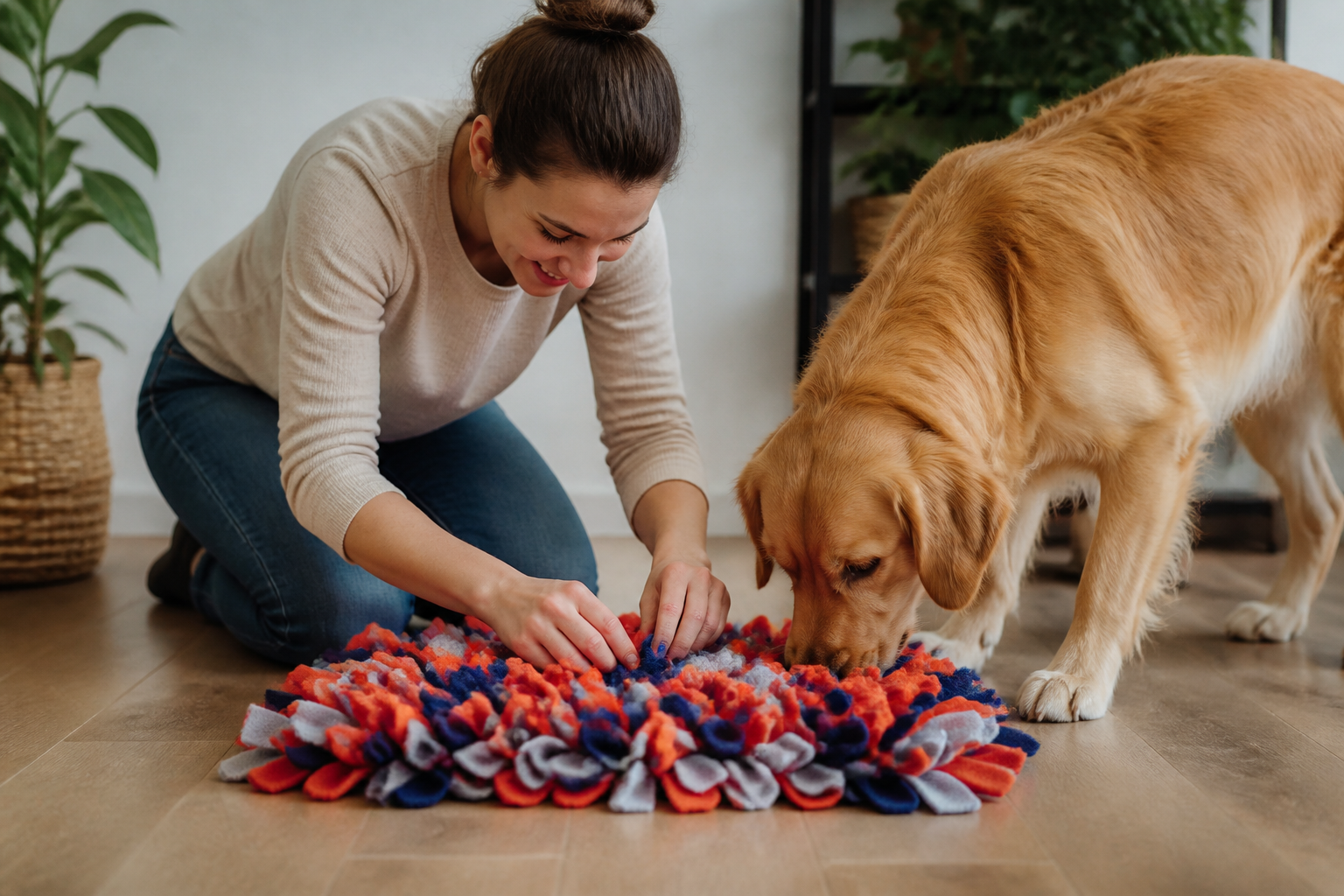
You just set the food bowl down and your dog has already inhaled every single kibble. Within seconds, the meal is gone, leaving your pet looking for more and you worrying about digestion or weight gain. This common scenario is why many pet owners are turning to scent work and slow feeding tools. At BaxterBoo, we see how much a little mental stimulation can change a dog's daily routine for the better. Learning how to make a snuffle mat is a simple, budget-friendly way to turn mealtime into a rewarding brain game. This guide covers the supplies you need, a clear step-by-step assembly process, and tips for using this tool to help with anxiety or fast eating. Making your own enrichment gear is a great way to support your dog's natural instincts.
Quick Answer: You make a snuffle mat by tying hundreds of fleece strips onto a heavy-duty rubber sink mat. The resulting "shag rug" allows you to hide kibble or treats deep within the fabric, forcing your dog to use their nose to find their food.
Understanding the Power of Sniffing
Dogs experience the world primarily through their noses. While humans rely on sight, a dog's sense of smell is significantly more powerful and occupies a much larger part of their brain. When a dog sniffs, they are not just identifying scents. They are processing information, solving puzzles, and engaging their minds. This is often called "nose work," and it is one of the most exhausting activities a dog can do.
In our Vernon Hills warehouse, we often talk to owners of high-energy breeds who struggle to keep their pets calm. You might take your dog for a three-mile run, only to find them ready to play again ten minutes later. Physical exercise is important, but mental exercise is what truly leads to a tired, satisfied pet. Ten minutes of focused sniffing can be just as tiring as a long walk. For more ideas, explore these dog brain games and enrichment activities.
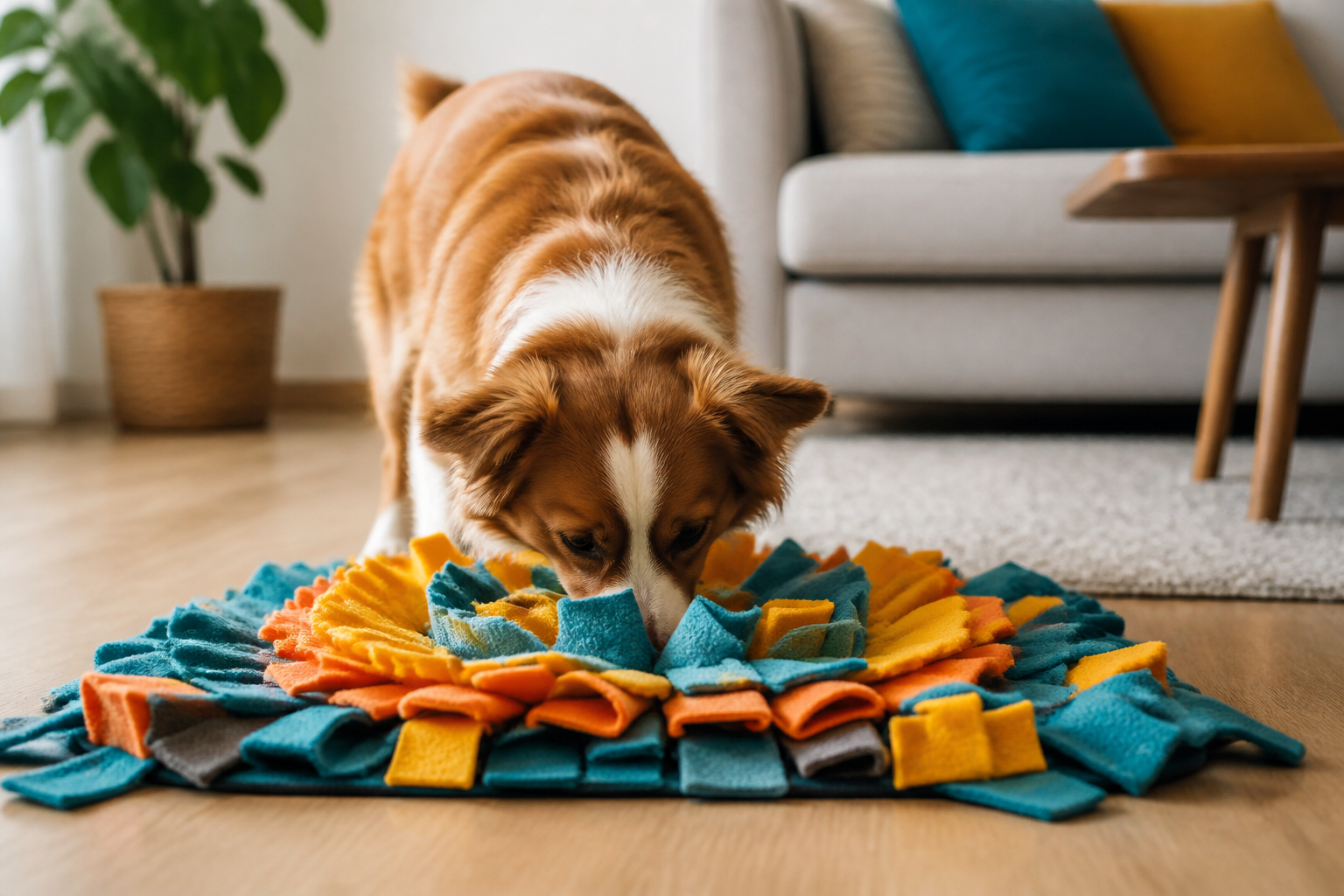
A snuffle mat mimics the experience of foraging in long grass. In the wild, animals spend a large portion of their day searching for food. Our domestic dogs usually have their food delivered in a bowl twice a day. This eliminates the "work" part of their survival instinct. By bringing back the forage, you provide a healthy outlet for their natural behavior.
Why Your Dog Needs a Snuffle Mat
There are several practical reasons to introduce a snuffle mat into your home. It is not just a toy. It is a functional tool that addresses specific health and behavioral concerns.
Managing Fast Eaters
Eating too quickly is a common problem that can lead to digestive upset or even dangerous conditions like bloat. When a dog gulps down their food, they also swallow a lot of air. A snuffle mat forces them to slow down. They have to find one or two pieces of kibble at a time. This pace allows their stomach to signal to their brain that they are getting full, which can help with weight management. You can also browse our dog puzzle toy collection for other interactive feeding options.
Anxiety and Stress Relief
Sniffing has a naturally calming effect on the canine nervous system. It lowers the heart rate and focuses the dog's attention on a single task. We recommend snuffle mats for dogs who deal with separation anxiety or noise phobias. If you know a thunderstorm is coming, starting a snuffle session early can help your dog stay grounded and distracted. Our guide to creating indoor enrichment for pets offers additional ideas.
Physical Limitations
For senior dogs or those recovering from surgery, high-impact exercise is not an option. These dogs still need engagement to prevent boredom and depression. A snuffle mat provides enrichment that can be done while standing still or even lying down. It keeps their minds sharp without putting stress on healing joints or tired muscles.
Supplies You Will Need
Creating this DIY project does not require advanced crafting skills or expensive tools. Most of these items can be found at a local hardware store or a craft shop.
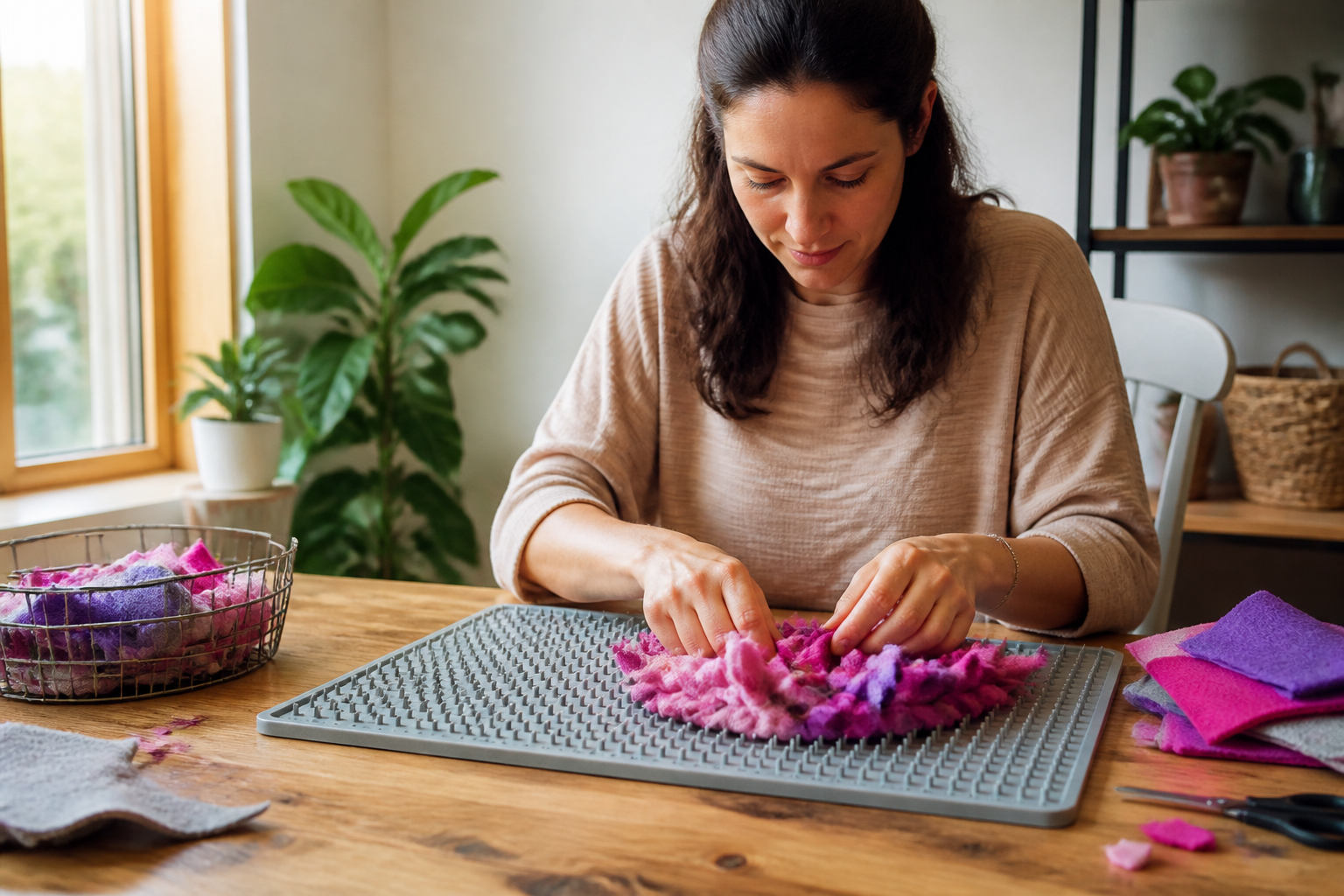
- A Rubber Sink Mat: Look for a heavy-duty mat with a grid of holes. These are usually found in the kitchen section. Avoid the solid plastic versions. You want the flexible rubber or silicone mats because they stay in place on the floor and are easier to tie fabric through.
- Fleece Fabric: You will need approximately 1.5 to 2 yards of fleece. Fleece is the best material because it does not fray when cut. You can use old blankets or buy remnants from a fabric store.
- Fabric Scissors or a Rotary Cutter: Sharp scissors are essential. Cutting through several yards of fleece can be tough on your hands, so make sure your tools are in good shape.
- A Ruler or Measuring Tape: You do not need to be perfect, but having a general guide helps keep the strips consistent.
Key Takeaway: Using a heavy rubber base ensures the mat stays on the floor while your dog roots around, preventing them from simply picking it up and shaking the treats out.
Choosing the Right Fleece
When selecting your fabric, consider the texture and thickness. Very thin fleece might not "stand up" as well, making the mat look flat. A medium to heavy-weight fleece provides the most "hiding spots" for the food.
You can use a single color for a clean look, or multiple colors to make a vibrant pattern. Your dog does not care about the color, as they see the world differently than we do. However, a bright mat can be a fun addition to your gear collection. If you have multiple dogs, using different colors can help you keep track of which mat belongs to which pet.
We suggest washing your fleece before you start. This removes any chemical residues from the manufacturing process. Since your dog will be putting their nose and mouth directly on this fabric, starting with clean material is a smart move.
Step-by-Step Assembly Guide
Once you have your supplies, clear a space on a table or floor. This project takes about one to two hours depending on the size of your mat and how fast you can tie knots.
Step 1: Prep Your Strips
Start by cutting your fleece into long strips. A good size is about 1 inch wide and 7 to 8 inches long. If you make them too short, they are hard to tie. If they are too long, they will flop over and fail to hide the food.
Step 2: Organize Your Workspace
Separate your strips into piles by color if you are using multiple shades. Having everything cut before you start tying will make the process much smoother. You will likely need between 200 and 300 strips to fill a standard 12x15 inch mat.
Step 3: Begin Tying the First Row
Take a strip and thread one end through a hole in the mat. Thread the other end through the hole immediately next to it. Pull both ends up so they are equal in length and tie a single overhand knot. There is no need to double knot fleece. It has a natural "grip" that stays tight on its own.
Step 4: Fill the Horizontal Rows
Work your way across the entire mat, tying a strip through every pair of holes in the row. Once you finish the first row, move to the second. Repeat this until the entire surface of the mat is covered in horizontal strips.
Step 5: Fill the Vertical Gaps
To make the mat truly dense, you now need to tie strips vertically. Thread a strip through the first hole of row one and the first hole of row two. Tie the knot. Continue this pattern across the entire mat, "bridging" the rows together. This crisscross pattern creates the thick, shag-pile look that is perfect for hiding small treats.
Bottom line: A dense mat with strips tied in both directions provides the best enrichment and keeps kibble from falling straight through to the floor.
Introducing the Mat to Your Dog
The first time you give your dog the snuffle mat, you want them to be successful. If you hide the food too well, they might get frustrated and try to chew or shake the mat instead of sniffing.
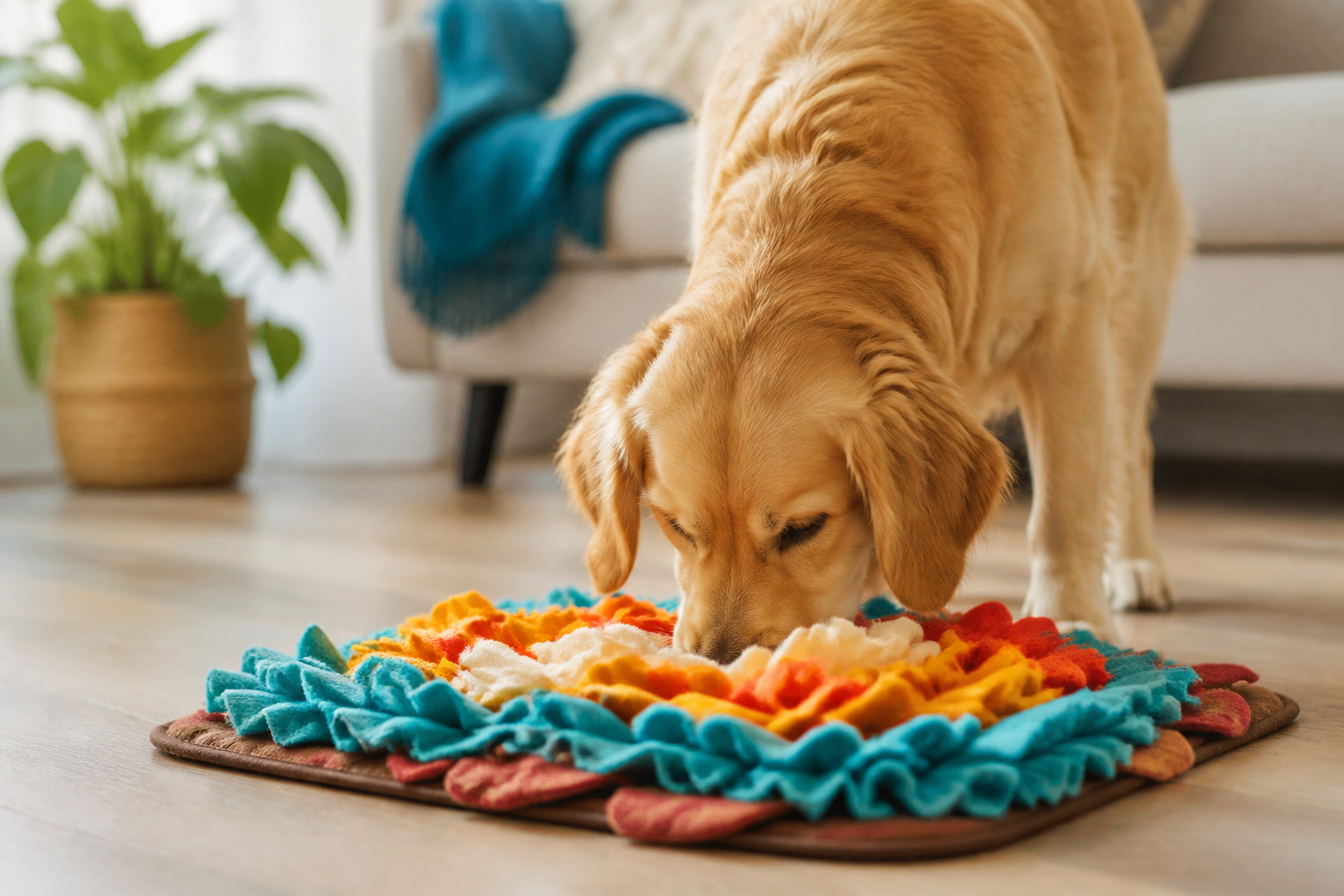
Start by placing a few high-value treats right on top of the fleece. Let your dog see you put them there. Use a cue like "Find it" or "Search." Once they have eaten those, sprinkle a few more and tuck them slightly into the top layer of fabric. If you prefer a ready-made option, the Zanies Sniffari Snuffle Mat Dog Toy offers built-in treat-hiding spaces.
As your dog becomes a pro, you can push the treats all the way to the rubber base. You can also transition from using high-value treats to using their regular dry kibble. Many of our customers use the snuffle mat for every single meal. It turns a thirty-second gulping session into a ten-minute activity. Keep suitable rewards available from our dog treats category.
When to Use a Snuffle Mat as a Medical Tool
In some cases, a snuffle mat is more than just a game. It can be part of a larger health management plan. If your dog is struggling with obesity, a snuffle mat helps by slowing down consumption and providing activity. For dogs with severe anxiety, it can be a vital part of a behavioral modification program.
Our pharmacy at BaxterBoo, operated through our partnership with Pet's Choice, provides FDA-approved medications and prescription diets that often go hand-in-hand with these enrichment tools. For example, if your vet has prescribed a specific weight-management diet like Farmina Vet Life, using a snuffle mat to deliver that food can make the transition easier for a dog who feels hungry on a restricted calorie count. Browse our selection of Farmina Vet Life products or visit our pet pharmacy.
Vet Tip: If your dog shows signs of extreme stress, obsessive behavior, or sudden changes in appetite, always consult your veterinarian. While enrichment tools like snuffle mats help, they should be used alongside professional medical advice for chronic health conditions.
Cleaning and Maintenance
Because your dog is using their nose and mouth on the mat, it will eventually get dirty. Saliva and food oils can build up over time. If you used a rubber mat and fleece, your DIY creation should be relatively easy to clean.
Most DIY mats can be hand-washed in a sink with warm water and a pet-safe detergent. Rinse it thoroughly to ensure no soap residue remains. We do not recommend putting the mat in a clothes dryer, as the heat can warp the rubber base or cause the fleece to pill. Instead, roll it in a towel to squeeze out excess moisture and then lay it flat to air dry.
Check the mat regularly for wear and tear. If a strip becomes loose or torn, replace it immediately. You do not want your dog accidentally swallowing pieces of fleece.
Safety Precautions
While snuffle mats are generally very safe, they are not intended to be chew toys. Some dogs, especially "power chewers," might decide that the fleece strips are fun to pull off and eat.
- Supervise every session: Never leave your dog alone with a snuffle mat. Once they have found all the food, pick the mat up and put it away.
- Remove the mat when empty: If the dog starts to dig or bite at the rubber base, the session is over. Putting the toy away helps keep it "special" and prevents destructive behavior.
- Check for loose parts: Before every use, give the mat a quick shake to make sure all knots are secure and no fabric is coming loose.
Advanced Enrichment Ideas
Once your dog has mastered the basic snuffle mat, you can vary the challenge. Try using treats with different textures or scents. You can also hide the mat itself and have your dog find the mat before they can start searching for the treats.
If you have a very clever dog, you can combine the mat with other puzzles. Place the mat inside a large cardboard box or under a light towel. This adds another layer of problem-solving to their routine. We carry a wide variety of interactive toys from our selection of KONG products that can be used alongside your DIY projects to keep your pet's environment engaging.
Encouraging Success for Senior Dogs
Senior dogs might have a diminished sense of smell or may tire more easily. For these pets, keep the mat "easier" by not burying the food as deep. Use treats with a very strong aroma to help them find the target.
If your senior dog has mobility issues, you can place the mat on a raised platform or a low stool so they do not have to bend down as far. This supports their neck and joints while still giving them the mental workout they need. It is a wonderful way to maintain their quality of life when they can no longer go on long adventures.
Key Takeaway: Tailoring the difficulty of the snuffle mat to your dog's age and health status ensures they stay engaged without becoming frustrated or physically uncomfortable.
Building a Routine
Consistency is key to getting the most out of any enrichment tool. Try to incorporate the snuffle mat into your dog's daily life at the same time every day. Many people find that a morning snuffle session helps their dog settle down while the humans are getting ready for work.
Others use it in the evening to help a "zoomie-prone" dog relax before bed. Whatever schedule you choose, the predictability of the activity can be very comforting for pets. It becomes a ritual they look forward to, signaling that it is time to focus and be calm.
Summary of the DIY Process
To wrap up, making a snuffle mat is a rewarding weekend project that pays dividends in your dog's well-being. By following these steps, you create a durable tool that serves multiple purposes:
- Slows down fast eaters to improve digestion
- Provides a "job" for high-energy dogs
- Offers a calming activity for anxious pets
- Keeps senior dogs mentally sharp
We love seeing our customers take an active role in their pet's health and happiness. Whether you are visiting our Vernon Hills warehouse or ordering supplies through our website, we are here to support your journey as a pet owner. Our MVP Rewards programme is a great way to earn points on the gear you already use, and our Autoship programme ensures you never run out of the kibble or treats you need for your new snuffle mat.
FAQ
Can I wash a DIY snuffle mat in the washing machine?
It is usually better to hand wash your mat to protect the rubber base. The agitation of a washing machine can sometimes cause the knots to loosen or the rubber to crack. If you must use a machine, place the mat in a mesh laundry bag and use a cold, delicate cycle with air drying afterward.
What kind of treats are best for a snuffle mat?
Dry, crunchy treats or standard kibble work best because they do not leave a messy residue on the fleece. Avoid using "wet" or greasy treats, as these will lead to bacteria growth and make the mat much harder to keep clean. Small, pea-sized pieces are ideal for hiding deep in the fabric.
How long should a dog use a snuffle mat?
Most dogs will finish a session in 10 to 15 minutes depending on how much food you hide. This is a perfect duration for a mental workout. Once the dog stops sniffing and starts looking at you or trying to play with the mat like a toy, the session is finished.
Is a snuffle mat safe for cats?
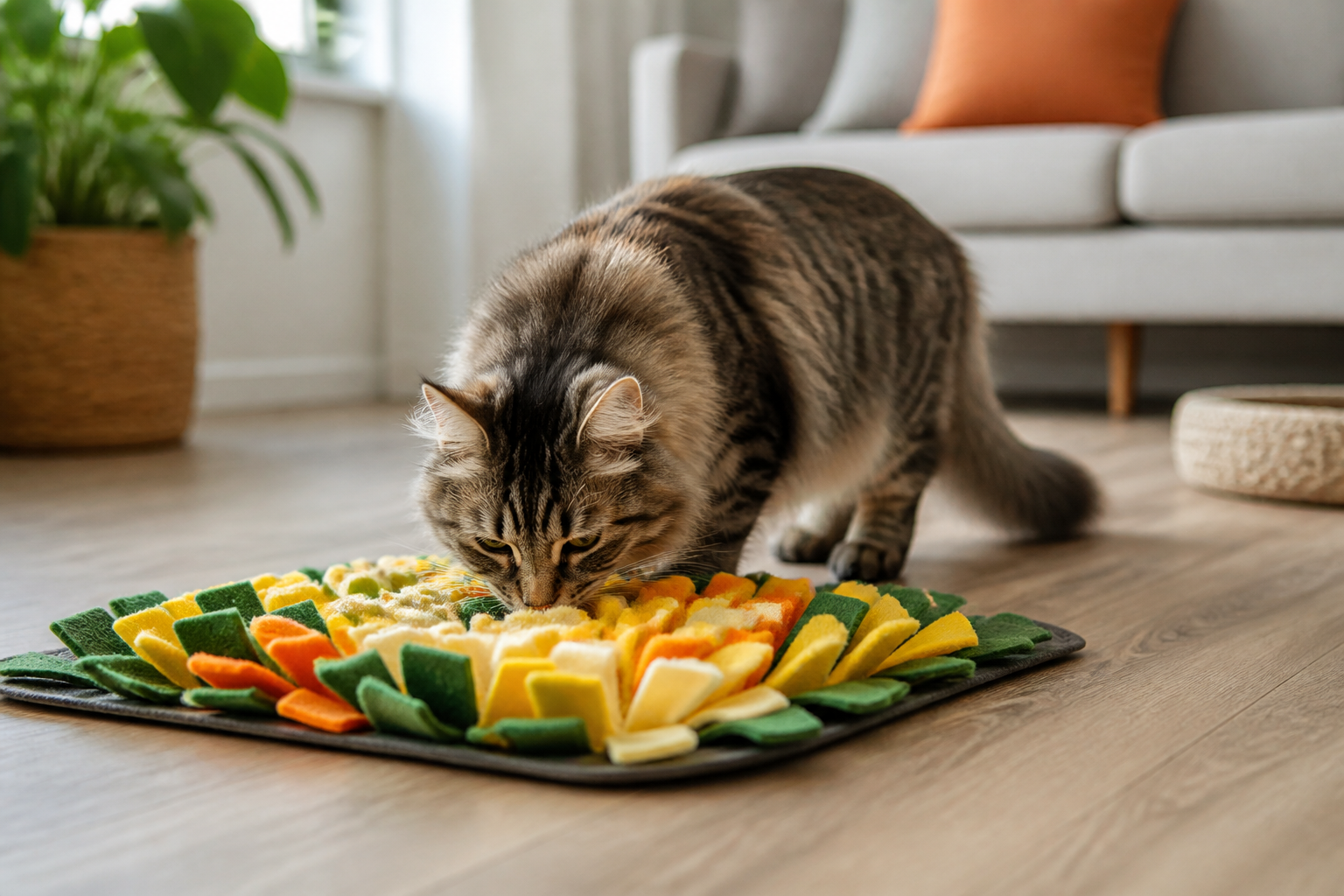
Yes, cats can also benefit from the enrichment of a snuffle mat. While they might not be as "food-motivated" as some dogs, hiding high-quality cat treats or even a bit of catnip in the fleece can encourage them to hunt and play. It is a great way to keep indoor cats active and engaged.