Save 15% on your 1st Autoship learn more

 Email us
 Live Chat
 FAQs
FAQs





Introduction
You might be staring at the bottom of a large bag of kibble that has been sitting in your pantry for a month. Perhaps you found a great deal on a bulk bag of premium food like Farmina or NutriSource and want to know if it will stay fresh until your dog finishes it. It is a common situation for pet owners who want to balance value with the best possible nutrition. At BaxterBoo, we know that keeping your dog healthy starts with what goes into their bowl every single day. This post covers exactly how long dry dog food stays safe, how to spot spoilage, and the best ways to store it. You will learn how to protect the nutritional value of your dog's meals and avoid common storage mistakes.
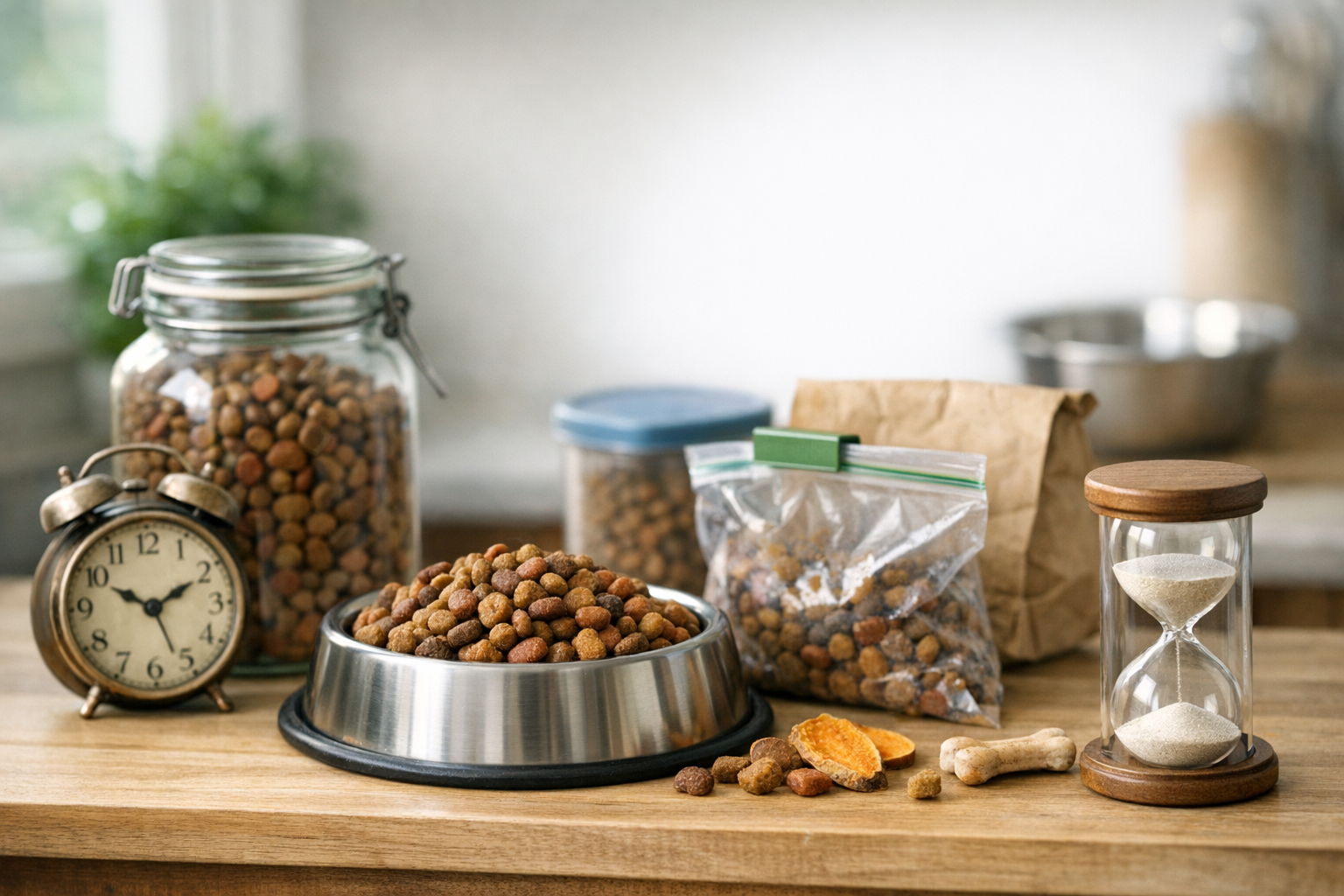
Quick Answer: Most dry dog food lasts 12 to 18 months if it remains unopened and is stored in a cool, dry place. Once you open the bag, the food stays fresh for about 4 to 6 weeks before the fats begin to oxidize and the nutrients degrade.
Does Dry Dog Food Actually Expire
Every bag of dog food you buy comes with a date stamped somewhere on the packaging. You will usually see this listed as a "Best By" or "Best Before" date rather than a strict expiration date. This date is the manufacturer's estimate of how long the food will maintain its full nutritional profile and flavor. It assumes the bag has never been opened and has been kept in a stable environment.
The ingredients inside the kibble determine this timeline. Natural preservatives like mixed tocopherols (a form of Vitamin E) or rosemary extract are common in high quality brands like Stella and Chewy's or Open Farm. These natural options are excellent for your dog's health but they do not last as long as synthetic preservatives. This is why many premium foods have shorter shelf lives than budget grocery store brands.
What Happens After the Date Passes
When a bag of food passes its best by date, several things happen. First, the vitamins and minerals start to break down. This means your dog might not be getting the full benefit of the formula. Second, the fats and oils in the food can become rancid. This changes the taste and can lead to digestive issues. While a bag that is one week past its date might not be dangerous, it is certainly not providing peak nutrition.
Unopened Storage Guidelines
If the bag is still sealed, it is protected from most environmental factors. However, temperature still matters.
- Keep bags off the floor to prevent moisture from seeping in.
- Store food in a climate controlled area like a pantry.
- Avoid the garage or a shed where temperatures fluctuate wildly.
- Keep the food away from direct sunlight which can heat the bag and speed up spoilage.
How Long Does Dry Dog Food Last Once Opened
The clock starts ticking the moment you break the seal on a new bag of kibble. Opening the bag exposes the food to oxygen, light, and humidity. These are the three main enemies of freshness. Even if the best by date is a year away, the food will not stay fresh for a year once it is open.
Most experts and manufacturers recommend using an opened bag of dry dog food within 4 to 6 weeks. After 6 weeks, the risk of the fats going rancid increases significantly. You may also see a decline in the potency of probiotics or sensitive vitamins. If you have a small dog and a large bag of food, you might be tempted to stretch it to two or three months. This is often where pet owners run into trouble with picky eating or upset stomachs.
Key Takeaway: Opening a bag of dog food introduces oxygen that begins the oxidation process. To ensure your dog gets the best nutrition, aim to buy a bag size that they can finish within about 30 to 45 days.
Signs Your Dog Food Has Gone Bad
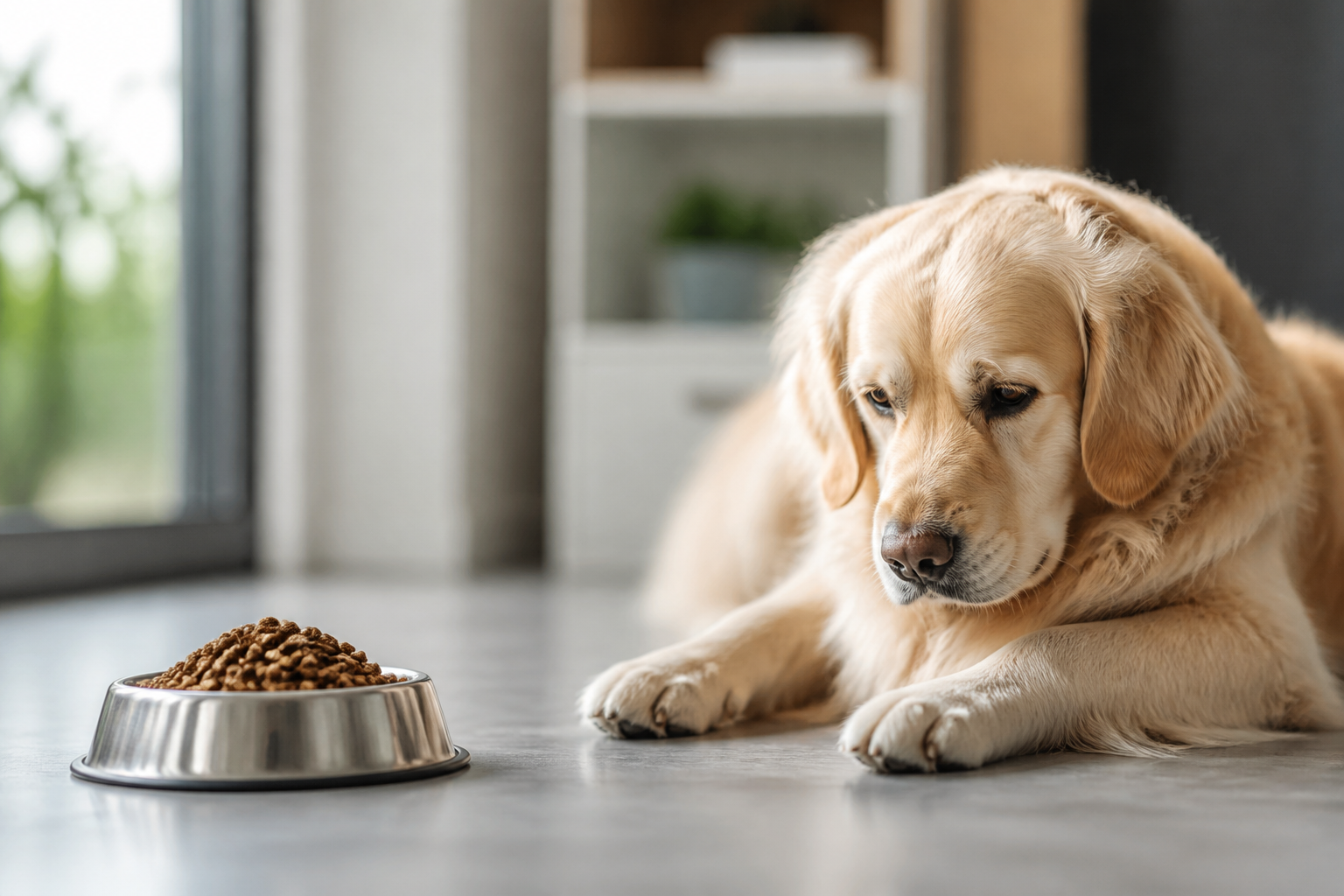
Your dog's nose is much more sensitive than yours. Often, a dog will refuse to eat their food because they can smell that the fats have turned rancid before you notice anything is wrong. If your normally enthusiastic eater suddenly turns their nose up at a fresh bowl, the food is the first thing you should check.
The Smell Test
Fresh dog food has a mild, grainy, or meaty scent. Spoiled dog food often smells sour, musty, or like old paint. If you open the container and get a sharp or unpleasant whiff, it is time to toss the bag. Rancid fats have a very distinct "off" odor that is hard to miss once you know what to look for.
Visual Changes
Look closely at the kibble. If you see any signs of mold, discard the entire bag immediately. Mold can produce mycotoxins that are extremely dangerous for dogs. You should also check for "clumping" or a sticky texture. This usually means moisture has gotten into the bag. Moisture leads to bacterial growth and mold.
Pest Infestation
Insects like weevils or pantry moths are attracted to grain based foods. If you see tiny bugs crawling in the kibble or small webs near the top of the bag, the food is contaminated. Insects carry bacteria and their waste products can make your dog sick. Always check the bottom of the container for any signs of movement.
Vet Tip: If your dog accidentally eats spoiled or moldy food, watch for signs of distress like tremors, vomiting, or severe lethargy. Contact your veterinarian immediately if these symptoms appear. They can determine if your dog needs supportive care or a specific prescription diet from our pet pharmacy to help their recovery.
The Right Way to Store Kibble
How you store your food is just as important as how quickly you use it. Many people make the mistake of pouring the kibble directly into a large plastic bin. While this looks neat, it is actually one of the worst ways to store dog food.
Keep the Original Bag
The bags used by brands like Royal Canin or Acana are high tech. They are designed with multiple layers to keep out moisture and light. They also have an oil resistant inner liner. When you pour food directly into a plastic bin, the fats from the kibble can soak into the plastic over time. These oils then become rancid and can contaminate the next batch of fresh food you pour in.
Use an Airtight Container Correctly
The best method is to place the entire bag inside an airtight container. This gives you two layers of protection. If you need a place to start, browse our dog food storage collection.
Step 1: Roll the top of the original bag down as far as possible to squeeze out excess air.
Step 2: Secure the bag with a heavy duty clip.
Step 3: Place the clipped bag inside a sturdy plastic or metal bin with a rubber seal.
Step 4: Keep the lid tightly shut between every meal.
This method also keeps the important information on the bag available. If there is ever a product recall, you will need the lot number and the best by date found on the original packaging. We carry several types of storage bins at BaxterBoo that are designed specifically to hold standard bag sizes.
Temperature and Environment
The ideal storage temperature for dry dog food is below 80 degrees Fahrenheit. If you store your food in a laundry room that gets hot and humid, the food will spoil faster. High humidity is especially dangerous because it encourages mold growth. Always choose a cool, dark, and dry spot for your dog's food station.
Health Risks of Spoiled Dog Food
Feeding your dog food that has gone bad is not just about a bad taste. There are real health consequences. Rancid fats can cause long term issues. When fats oxidize, they create free radicals. These can damage cells and lead to inflammation in the body.
Bacterial Contamination
Expired or poorly stored food is a breeding ground for bacteria like Salmonella and E. coli. While dogs have stronger stomach acid than humans, they can still get food poisoning. This often results in diarrhea, vomiting, and dehydration. If your dog has a sensitive stomach, they are even more at risk.
Nutrient Deficiency
As vitamins degrade, your dog stops getting the balanced nutrition they need. For a growing puppy or a senior dog with specific health needs, this is a serious problem. If a food lacks the promised levels of taurine, calcium, or essential fatty acids, your dog's health will eventually suffer. This is why "best by" dates are so important for life stage specific formulas.
Bottom line: Fresh food is the foundation of health. Proper storage protects your dog from bacteria and ensures they receive every vitamin listed on the label.
Tips to Prevent Food Waste
No one likes throwing away expensive dog food. With a little planning, you can make sure every piece of kibble stays fresh and nutritious.
Buy for Your Dog's Size
It is tempting to buy the 40 pound bag because the price per pound is lower. However, if you have a 10 pound dog, that bag might last four months. By the time you reach the bottom, the food will be stale and less nutritious. For more help matching portions to your dog, see how much dry food to feed a dog for daily health. Buy the size that your dog can finish in about five weeks.
Use the Freezer for Bulk Buys
If you must buy in bulk, you can freeze dry dog food. This stops the oxidation process and prevents rancid fats.
- Divide the large bag into smaller, one week portions.
- Place the portions into freezer safe bags.
- Squeeze out all the air before sealing.
- Defrost one bag at a time in the refrigerator.
- Never put frozen kibble directly into a room temperature bowl as condensation can cause mold.
Check the Date Before Buying
When you are shopping, check the best by date on the back of the bag. At our warehouse, we rotate stock constantly to ensure you get the freshest product. If you buy from a local store with low turnover, you might find bags that are already close to their date. Aim for a bag that has at least six months of shelf life remaining.
Sign Up for Autoship
One of the best ways to keep food fresh is to have it delivered exactly when you need it. Our Autoship programme allows you to set a schedule based on how fast your dog eats. This means you never have to buy a massive bag just to "stock up." You get a fresh bag delivered to your door every few weeks, and you save money on every order.
The Importance of Clean Bowls and Scoops
Storage is not just about the bag. It is also about the tools you use. Many owners leave the food scoop inside the bag or the bin. Your hands have oils and bacteria that can transfer to the scoop and then to the food. Similarly, the bowl your dog eats from collects saliva and old food particles.
Wash Your Gear
You should wash your dog's food bowl with hot, soapy water after every single meal. If you use a plastic storage bin, wash it thoroughly every time it is empty. Do not simply pour new food on top of the old crumbs at the bottom. Those old crumbs are likely rancid and will spoil your fresh bag faster. Use a clean, dry scoop and wash it at least once a week.
Managing Multiple Foods
If you rotate between different flavors or brands, like switching between a grain free Orijen formula and a standard Acana recipe, the storage rules still apply. Each bag needs its own airtight container. Mixing different types of kibble in one bin can make it harder to track freshness and may lead to digestive upset if your dog is sensitive to certain ingredients.
If your dog is on a prescription diet for a condition like kidney disease or food allergies, freshness is even more critical. These foods are often formulated with specific levels of proteins and minerals that must remain stable to manage the health condition. Our pharmacy carries a wide range of these specialized diets through our partnership with Pet's Choice. We always ensure these items are handled with extra care to maintain their therapeutic value.
Key Takeaway: Proper hygiene for bowls and scoops is just as important as the storage container itself. Keeping your dog's feeding area clean prevents the spread of bacteria and mold.
Conclusion
Understanding how long dry dog food can last helps you protect your pet and your wallet. Remember that the "best by" date is for unopened bags. Once you open that kibble, you have a 4 to 6 week window to use it for peak freshness. Always keep the food in its original bag, seal it tightly, and store it in a cool, dry place. If you notice a change in smell or your dog stops eating, trust your instincts and check for spoilage.
If you want to make sure your dog always has the freshest food possible, consider joining our MVP Rewards programme. You can earn points on every bag of premium food and apply those savings to your next purchase. Our goal is to make it easy for you to provide high quality nutrition without the stress of food going to waste.
FAQ
Can I feed my dog food that is a month past the best by date?
It is generally not recommended to feed food past its best by date. While it might not be immediately toxic, the nutritional value has likely decreased and the fats may have started to go rancid. If the bag is unopened and has been stored in a very cool place, it might be okay for a short time, but you should always check for off smells first.
Is it okay to store dog food in the garage?
Storing dog food in the garage is usually a bad idea because of temperature fluctuations and humidity. High heat can cause the oils in the kibble to spoil quickly, and humidity can lead to mold growth. Garages are also more prone to pests like mice and insects that can chew through bags and contaminate the food.
Why shouldn't I pour my dog's food into a plastic storage bin?
Pouring kibble directly into a bin allows oils to settle on the plastic walls. These oils turn rancid over time and can spoil the new food you add later. It also removes the protective barrier of the original bag and makes it impossible to check for recall information or lot numbers if your dog gets sick.
How can I tell if the fats in my dog's food have gone rancid?
The most common sign of rancid fats is a sharp, sour, or "chemical" smell, often compared to the scent of old paint or wet cardboard. You may also notice that the kibble feels excessively oily or sticky to the touch. If your dog, who usually loves their food, suddenly refuses to eat, rancidity is a likely culprit.