
 Save 15% on your 1st Autoship learn more

 Email us
 Live Chat
 FAQs
FAQs





Introduction
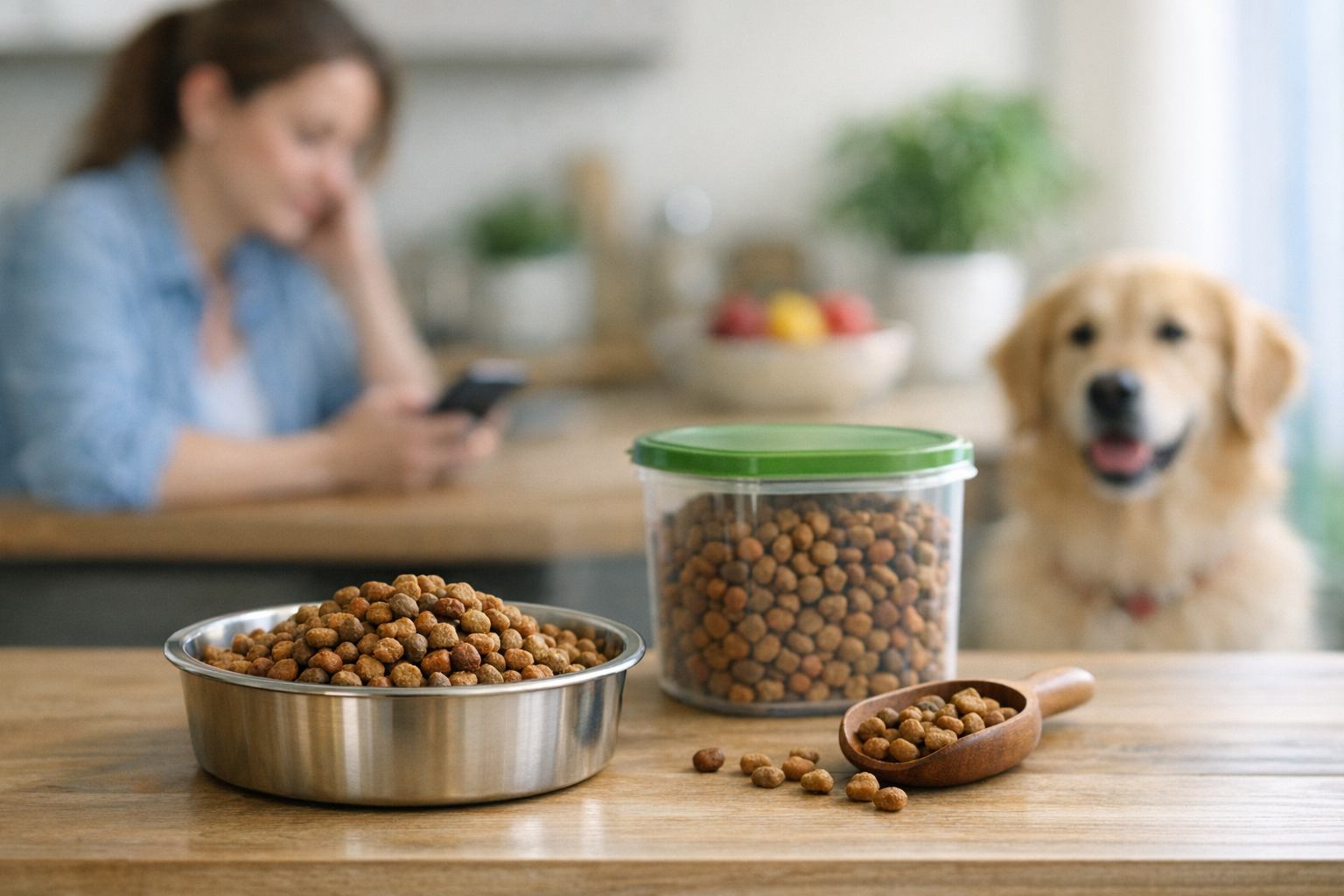
It is a common scene in many homes across the country. You fill your dog's bowl in the morning, but they only take a few bites before wandering off to find a sunny spot for a nap. Hours later, that kibble is still sitting there. You might wonder if it is still safe to eat by dinner or if it has become a breeding ground for bacteria. At BaxterBoo, we know that keeping your pet healthy starts with the basics of food safety. This guide covers the shelf life of kibble in the bowl, the science of spoilage, and the best ways to store bulk food to maintain its nutritional value. Knowing when to toss the leftovers is vital for keeping your dog happy and their digestion on track. If you are comparing options, start with our dry dog food category.
Quick Answer: Most experts recommend leaving dry dog food out for no more than 24 hours. For the best freshness and to prevent bacterial growth from saliva, it is better to pick up uneaten food after about 30 minutes.
The 24-Hour Rule and Why it Matters
Dry dog food is often viewed as a shelf-stable product that can stay out indefinitely, much like a box of crackers. This is a misconception. While kibble is low in moisture, it still contains proteins, fats, and vitamins that react to the environment. The standard rule is that dry food can sit in a bowl for up to 24 hours. After this point, the risk of contamination and staleness becomes too high to ignore. For more details on storage timing, see our guide to dry dog food freshness.
However, the 24-hour window is a maximum limit rather than a goal. Once the food is exposed to the air, a process called oxidation begins. This process breaks down the fats in the food, which can lead to a rancid smell and a loss of flavor. If your dog is a picky eater, they may reject food that has been sitting out for even six or eight hours because it no longer smells fresh to their sensitive noses.
The presence of moisture changes everything. If your dog has licked the food or eaten half of the bowl, they have introduced saliva into the mix. Saliva contains bacteria and enzymes that immediately start to break down the food particles. This creates a moist environment where mold can begin to grow, especially in warmer temperatures.
Key Takeaway: While 24 hours is the absolute limit for dry food, you should aim to provide fresh portions every 8 to 12 hours for the best safety and taste.
Why Dry Dog Food Spoils in the Bowl
Several scientific factors contribute to why kibble loses its quality once it leaves the bag. Understanding these can help you decide if it is time to dump the bowl and start fresh.
Oxidation of Fats
Most premium dog foods, such as those from NutriSource or Open Farm, use high-quality animal fats to provide energy and keep your dog's coat shiny. These fats are highly susceptible to oxygen. When oxygen hits the fat molecules, they begin to decompose. This is why an old bag of food or a bowl left out too long might have a metallic or sour scent. Rancid fats are not just unpalatable. They can also cause digestive upset and, over time, lead to more serious health concerns.
Nutritional Degradation
Vitamins and minerals are also sensitive to the environment. Light and air can diminish the potency of certain nutrients, such as Vitamin E and Vitamin C. These are often used as natural preservatives in brands like Open Farm or Stella & Chewy's products. As the preservatives work to keep the food stable in the open air, they are gradually used up. The longer the food sits in the bowl, the less nutritional value it offers your pet.
Bacterial Growth
Even though dry food is processed at high temperatures to kill pathogens, it is not a sterile product. Once it is in an open bowl, it can attract environmental bacteria. If you live in a humid area, the kibble will absorb moisture from the air. This softening of the kibble makes it much easier for bacteria and mold spores to take hold.
Vet Tip: If your dog accidentally eats spoiled food and develops vomiting or diarrhea, consult your veterinarian. Our pet pharmacy offers a variety of prescription options to help manage digestive health.
How the Environment Affects Freshness
The location of your dog's food bowl plays a huge role in how long the kibble stays fresh. A bowl in a cool, dark kitchen will last much longer than one placed in a sunny breakfast nook.
Temperature and Sunlight
Heat accelerates the breakdown of fats and the growth of bacteria. If the bowl is near a heater, a fireplace, or in direct sunlight, the food can go rancid in a matter of hours. Always place feeding stations in a temperature-controlled part of the home.
Humidity Levels
In states with high humidity, dry food can become soft and spongy quite quickly. This moisture is exactly what mold needs to thrive. If you notice the kibble feels "tacky" or soft to the touch, it has absorbed too much moisture and should be thrown away.
Outdoor Feeding Risks
Feeding your dog on a patio or deck presents the most challenges. Not only do you have to worry about heat and humidity, but you also have to consider pests. Ants, flies, and even rodents are attracted to the fats and sugars in dog food. Outdoor food should never be left out for more than an hour. If your dog does not eat it immediately, pick it up and store it back inside or discard it.
Signs Your Dog's Food Has Gone Bad
You do not always need a microscope to tell if kibble has spoiled. Use your senses to check the quality of the food before you let your dog eat it.
- The Smell Test: Fresh kibble has a mild, nutty, or meaty aroma. If you smell anything sour, musty, or like old paint, the fats have likely gone rancid.
- Visual Changes: Look for any signs of mold, which can appear as white, grey, or green fuzz. Also, keep an eye out for small "dust" at the bottom of the bowl, which could indicate grain mites or other pests.
- Texture: Kibble should be hard and crunchy. If it crumbles easily or feels soft, it has been exposed to too much moisture or air.
- Dog Refusal: Dogs have an incredible sense of smell. If your normally hungry dog turns their nose up at the bowl, trust their instincts. They can often smell spoilage long before we can.
| Feature | Fresh Kibble | Spoiled Kibble |
|---|---|---|
| Aroma | Meaty or nutty | Sour, metallic, or musty |
| Texture | Firm and crunchy | Soft, spongy, or crumbly |
| Appearance | Uniform color | Visible mold or dark spots |
| Appetite | Dog eats eagerly | Dog sniff and walks away |
Best Practices for Bulk Food Storage
The freshness of the food in the bowl starts with how you handle the bag. If the bulk supply is already stale, it will not last long once served. We see many pet owners making simple mistakes in storage that can be easily fixed.
Keep the Original Bag
It is tempting to pour a new bag of food directly into a large plastic bin. However, the original packaging is specifically designed to keep food fresh. Most high-quality brands use multi-layered bags with oxygen barriers. When you pour food into a plastic bin, the oils from the kibble can soak into the plastic and turn rancid over time. This can contaminate every new batch of food you put in the container.
Use an Airtight Secondary Container
The best method is to keep the food inside its original bag, roll the top down tightly, and then place the entire bag into an airtight container. This provides a double layer of protection against air, moisture, and pests. BaxterBoo carries several types of storage solutions that are perfect for this "bag-in-bin" approach, including our dog food storage category.
Practice First-In, First-Out
Never "top off" an old bag of food with a new one. The crumbs and oils at the bottom of the old bag are the oldest and most likely to be spoiled. Always finish the old bag, wash the storage container with soap and water, and let it dry completely before starting a fresh bag.
Bottom line: Proper storage in the original bag inside an airtight bin is the most effective way to preserve the nutritional value of your dog's food.
The Risks of Free-Feeding
Leaving food out all day, also known as free-feeding or grazing, is a common practice but comes with several downsides beyond food spoilage.
When food is always available, many dogs lose the ability to regulate their appetite. This can lead to weight gain and obesity, which puts stress on their joints and heart. If your dog is struggling with weight management, our pharmacy carries prescription options that may be recommended by your vet.
Free-feeding also makes it difficult to notice if your dog has a sudden change in appetite. A loss of appetite is often the first sign of illness or dental pain. If the bowl is always half-full, you might not realize they haven't eaten for 24 hours until they start showing other symptoms.
Scheduled feeding helps create a routine. It makes potty breaks more predictable and can even help with training. By offering food for a set period, like 20 or 30 minutes, you ensure the food is fresh and your dog is eating a measured amount. If you want a convenient way to keep meals on schedule, consider our Autoship programme.
How to Transition to Scheduled Feeding
If you are currently a free-feeder and want to switch to a schedule, do it gradually.
Step 1: Determine the total daily amount of food your dog needs based on the package instructions or your vet's advice. Step 2: Divide that amount into two or three meals per day. Step 3: Set the bowl down at a specific time and give your dog 20 to 30 minutes to eat. Step 4: Pick up the bowl after the time limit, even if there is food left. Step 5: Do not offer treats between meals during the first few days of the transition. Your dog will quickly learn that they need to eat when the food is available.
Hygiene and Bowl Maintenance
Even the freshest food will spoil quickly if put into a dirty bowl. Think of your dog's bowl like your own dinner plate. You wouldn't want to eat a fresh salad off a plate covered in yesterday's dressing.
Biofilm is a slimy layer of bacteria that forms on surfaces that stay moist. If you feel a "sliminess" on the bottom of your dog's water or food bowl, that is biofilm. It can harbor harmful bacteria like Serratia marcescens or Staphylococcus. For cleaning and feeding station upgrades, take a look at our dog bowls and feeders category.
Stainless steel, ceramic, or glass bowls are generally better than plastic. Plastic bowls can develop tiny scratches over time that trap bacteria and are difficult to clean. Whatever material you choose, wash the bowls daily with hot, soapy water. If you use a dishwasher, make sure the bowls are dishwasher-safe and placed on the top rack.
A Quick Checklist for Clean Feeding
- Wash the food bowl after every meal or at least once daily.
- Scrub the water bowl daily to prevent biofilm buildup.
- Clean the area under the food bowl to remove crumbs that attract ants.
- Check the expiration date on your food bag every time you open a new one.
- Wash your hands before and after handling pet food to prevent cross-contamination.
When to Seek Veterinary Advice
While most cases of a dog eating slightly stale food will result in nothing more than a bit of gas or a soft stool, there are times when it is more serious. Moldy food can contain mycotoxins, which are very dangerous for dogs.
If your dog shows any of the following symptoms after eating food that has been sitting out, call your vet immediately:
- Severe or persistent vomiting
- Bloody diarrhea
- Extreme lethargy or weakness
- Tremors or stumbling
- Loss of appetite that lasts more than 24 hours
Your vet can determine if the issue is a simple stomach upset or something that requires medication. Our pharmacy carries a wide range of medications for gastrointestinal issues, allergies, and other chronic conditions that may affect your pet's ability to eat.
Final Thoughts on Food Freshness
Caring for your dog involves more than just picking a high-quality brand. It requires diligence in how that food is stored and served. By following the 24-hour rule and keeping a close eye on the environment, you can ensure that every meal your dog eats is as safe and nutritious as possible.
The small effort of picking up an uneaten bowl and storing bulk food correctly goes a long way. Not only does it prevent waste, but it also protects your dog from the discomfort of spoiled food. At BaxterBoo, we are committed to helping you provide the best care for your furry family members through expert advice and carefully chosen products.
- Keep food in its original bag for the best protection.
- Discard any dry food left in the bowl after 24 hours.
- Clean bowls daily to prevent bacteria and biofilm.
- Store bulk kibble in a cool, dry place inside an airtight bin.
If you are looking for ways to make mealtime easier, consider setting up an Autoship order for your dog's favorite food. You can also make every purchase more rewarding with the MVP Rewards programme.
FAQ
Can I put old kibble back into the bag?
You should never put food that has been in your dog's bowl back into the original bag. Once the food has been exposed to the air and potentially your dog's saliva, it can introduce bacteria and moisture to the rest of the fresh food. If your dog does not finish their meal, it is better to discard the leftovers or leave them in the bowl for a few more hours before throwing them away.
Does the type of bag matter for storage?
Yes, the original bags for most premium brands are engineered to keep out moisture and light. They often have multiple layers, including a foil or specialized plastic liner, that act as a barrier to oxidation. Pouring the food out into a clear or unlined plastic bin removes this protection and can cause the food to go stale much faster than if it remained in its original packaging.
Is it okay to use a plastic bowl for dry food?
While plastic bowls are affordable and durable, they are not always the best choice for food safety. Plastic is porous and can develop tiny cracks and scratches that house bacteria, even after washing. Over time, these bowls can also retain odors from rancid fats. Stainless steel or ceramic bowls are non-porous and generally much easier to sanitize thoroughly.
How can I tell if my dog's food has mold?
Mold on dry kibble can be difficult to see because it may blend in with the dark color of the food. It often looks like a fine white powder, a greyish fuzz, or green spots. If the food feels damp or has a strong musty or earthy smell, it is a sign that mold is likely present. If you suspect any mold in the bag or the bowl, you should discard the food immediately and wash all containers.






