
 Save 15% on your 1st Autoship learn more

 Email us
 Live Chat
 FAQs
FAQs





Introduction
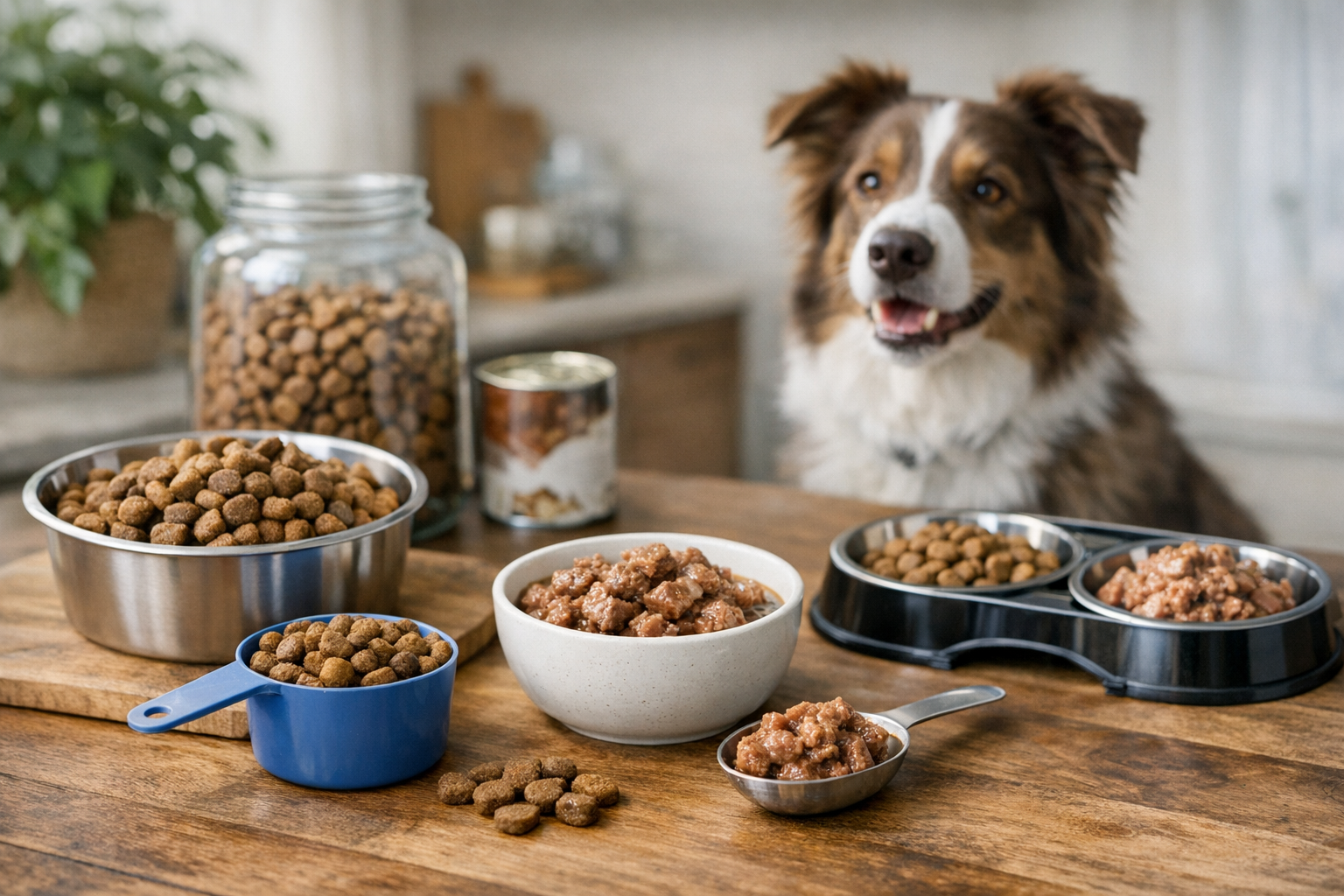
Standing in the kitchen with a bag of kibble in one hand and a can of wet food in the other can make any pet owner feel like a confused chemist. You want to give your dog the crunch of dry food and the savory moisture of wet food, but getting the portions right is a common struggle. If you are shopping for a balanced mix, start with our dry dog food category to compare options. At BaxterBoo, we have spent years helping dog owners find the perfect nutritional balance for their pets. This guide will walk you through the practical math of mixed feeding so you can stop second-guessing the bowl. We will cover how to read labels, adjust for your dog's lifestyle, and use life stages to determine exactly how much to serve. Understanding these basics ensures your dog gets the variety they love without the unwanted weight gain.
The Benefits of Mixing Wet and Dry Food
Mixed feeding is more than just a culinary treat for your dog. It combines the structural benefits of kibble with the nutritional advantages of canned formulas. Dry food is excellent for dental health because the mechanical scraping of the kibble helps reduce plaque buildup. It is also calorie-dense and cost-effective for many households.
Wet food brings essential hydration to the table. Many dogs do not drink enough water on their own. If you want a deeper comparison of the two formats, our wet-versus-dry dog food guide is a helpful next read. Canned food often contains up to 80 percent moisture, which supports kidney health and urinary tract function. The strong aroma of wet food also makes it a great choice for picky eaters or senior dogs whose sense of smell might be fading.
Key Takeaway: Mixed feeding offers a balance of dental support from kibble and vital hydration from wet food, making it an excellent choice for overall wellness.
Understanding the Math of Mixed Feeding
The most important rule in mixed feeding is that you cannot simply add a full serving of wet food on top of a full serving of dry food. This leads to overfeeding and weight gain. Instead, you must think in terms of percentages. Most owners choose a 50/50 split or a 75/25 split.
If you decide on a 50/50 split, you will feed half of the daily recommended amount of dry food and half of the daily recommended amount of wet food. For example, if the bag says your dog needs 2 cups of kibble per day, and the can says they need 2 cans per day, a 50/50 split would be 1 cup of kibble and 1 can of wet food daily. If you are still deciding whether a mixed diet is right for your dog, our mixed-feeding guide covers the basics in more detail.
Common Feeding Ratios
| Ratio Strategy | Dry Food Portion | Wet Food Portion | Best For |
|---|---|---|---|
| 50/50 Split | 50% of daily guide | 50% of daily guide | General variety and hydration |
| 75/25 Split | 75% of daily guide | 25% of daily guide | Budget-conscious owners |
| 25/75 Split | 25% of daily guide | 75% of daily guide | Picky eaters or weight management |
Quick Answer: To mix dry and wet food, calculate the total daily requirement for each food type separately. Then, divide those amounts by the percentage you wish to feed, such as 50 percent of each, to ensure the total calories remain balanced.
Factors That Influence Portion Size
Every dog is an individual. The feeding guidelines on the back of the package are just a starting point based on an average dog. You will likely need to adjust these numbers based on several specific factors.
Activity Level
A dog that spends the afternoon hiking needs significantly more fuel than a dog that spends the day napping on the sofa. Working breeds or high-energy dogs burn through calories quickly. If your dog is highly active, you may need to lean slightly toward the higher end of the feeding suggestions. If your dog is a "couch potato," staying on the lower end of the range is safer to prevent obesity.
Metabolism and Breed
Some breeds, like Greyhounds or Border Collies, tend to have higher metabolic rates. They might stay lean even while eating more than the average dog of their weight. Conversely, breeds like Labradors or Pugs are notorious for gaining weight easily. Keep a close eye on their waistline as you introduce mixed feeding.
Reproductive Status
Spayed and neutered dogs generally require fewer calories than "intact" dogs. The hormonal changes after these procedures can slow down the metabolism. If your dog was recently fixed, you might need to reduce their total daily portion by about 10 percent to maintain their current weight.
Vet Tip: Use a Body Condition Score to check your dog's weight. You should be able to feel their ribs easily without a thick layer of fat, and they should have a visible waist when viewed from above. Consult your vet if you cannot feel their ribs.
Adjusting for Life Stages
A puppy's nutritional needs are vastly different from those of a senior dog. Feeding the wrong amount for their life stage can lead to developmental issues or health complications. If your dog needs age-specific nutrition, browse our dog health category for related options and support items.
Puppies
Puppies are growing rapidly and require more protein and calories per pound than adults. They also have smaller stomachs, which means they need to eat more frequently. When mixing food for a puppy, ensure both the wet and dry options are specifically formulated for growth. You may need to feed them three to four times a day to keep their energy levels stable.
Adult Dogs
Once a dog reaches maturity, their caloric needs stabilize. This is the easiest stage for mixed feeding. You can focus on maintaining their ideal weight and supporting their specific lifestyle. Most adult dogs do well with two meals per day. For adult-specific formulas, our dog food category is a smart place to compare recipes.
Senior Dogs
As dogs age, their activity levels often drop. They may also begin to struggle with dental issues or kidney health. Increasing the ratio of wet food can help with hydration and make eating more comfortable if their teeth are sensitive. However, be careful with calorie counts, as many seniors are prone to weight gain which can stress their joints.
The Role of Caloric Density
Not all dog foods are created equal. One cup of a premium, high-protein kibble might contain 450 calories, while a cup of a budget brand might only have 300 calories. The same applies to wet food.
When you switch brands, you must re-calculate your portions. Never assume that "one scoop" of the new food is equal to "one scoop" of the old food. Always look for the "kcal/kg" or "kcal/cup" information on the label. If you are using brands like Orijen, you will find clear caloric information to help with these calculations.
Key Takeaway: Caloric density varies widely between brands, so always check the specific calorie count on the label when switching foods or calculating mixed portions.
Managing Weight and Special Health Needs
If your dog is struggling with their weight or a chronic health condition, mixed feeding can be a powerful tool. Wet food is often higher in protein and lower in carbohydrates than dry food. This can help a dog feel full longer, making it useful for weight loss programs.
For dogs with specific medical needs, like urinary stones or kidney issues, the extra moisture in wet food is often a requirement rather than a choice. In these cases, your veterinarian might recommend a prescription diet.
Our pet pharmacy carries prescription pet foods through our pharmacy selection. This includes specialized formulas for weight management, renal support, and food sensitivities. If your vet has prescribed a specific diet, we can help you manage those recurring needs efficiently.
Vet Tip: If your dog is gaining weight despite following feeding guides, talk to your veterinarian to rule out underlying issues like thyroid problems. They can provide a precise daily calorie target tailored to your dog's health profile.
The Importance of Precise Measurement
Many pet owners "eyeball" their dog's food, but this is one of the quickest ways to accidentally overfeed. A "cup" should be a standard measuring cup, not a random plastic container or a coffee mug.
For even better accuracy, consider using a digital kitchen scale to weigh the food in grams. This is especially helpful for small breeds where an extra tablespoon of kibble can represent a large percentage of their daily calories. Consistency is the key to maintaining a healthy weight.
Steps for Transitioning to Mixed Feeding
Step 1: Determine total calories / Use the feeding guides on your current food to find the total daily amount recommended for your dog's weight.
Step 2: Choose your ratio / Decide if you want to feed 50/50, 75/25, or another split between dry and wet food.
Step 3: Introduce slowly / Start by replacing just 10 percent of the meal with the new food type. Increase this amount gradually over seven to ten days.
Step 4: Monitor digestion / Watch for signs of upset stomach or changes in stool consistency during the transition.
Step 5: Adjust based on results / Weigh your dog after two weeks. If they have gained weight, slightly reduce the portions of both food types.
Bottom line: Accurate measurement and a slow transition are the best ways to ensure your dog stays healthy and happy during a diet change.
Using Treats and Toppers Correctly
Treats are a great way to bond with your dog, but they must be factored into the daily caloric count. At BaxterBoo, we recommend following the "10 percent rule." This means that treats, toppers, and table scraps should never make up more than 10 percent of your dog's total daily calories. If you want to browse options, our dog treats category is a good place to start.
If you are adding a topper like a freeze-dried nugget from Stella & Chewy's or a spoonful of Honest Paws, you must reduce the amount of kibble or wet food accordingly. These additions are often very nutrient-dense and can quickly push a dog over their daily limit if the main meal is not adjusted.
Storage and Safety for Mixed Feeding
Proper storage is vital when you use wet food. Unlike dry kibble, which can stay in a container for weeks, opened wet food is highly perishable.
- Refrigeration: Once a can or pouch is opened, it must be covered and refrigerated.
- Shelf Life: Most opened wet food should be used within two to three days.
- Warm it Up: Dogs usually prefer wet food at room temperature. You can take it out of the fridge about 20 minutes before feeding or mix it with a little warm water.
- Clean the Bowl: Wet food residue can harbor bacteria quickly. Wash your dog's bowl with soap and water after every meal involving wet food.
Bottom line: Always refrigerate opened wet food and wash bowls daily to prevent bacteria growth and keep your dog's digestive system safe.
Finding Quality Options at BaxterBoo
We pride ourselves on carrying a curated selection of over 500 brands that we actually trust. Whether you are looking for grain-free options from The Honest Kitchen or high-quality toppers from Orijen, we focus on products that prioritize real ingredients.
Our Frequent Buyer Program is a great way to save on the brands you use every day. Many of the food brands we carry participate in this program, allowing you to earn free bags or cases of food over time. Combining this with our Autoship programme ensures you never run out of your dog's favorite wet or dry recipes while saving money on every order.
Final Thoughts on Mixed Feeding
Finding the right balance of dry and wet food is an ongoing process. As your dog ages or their activity levels change, you will need to revisit their portions. By starting with the manufacturer's guidelines and adjusting for your dog's unique needs, you can provide a diet that is both exciting and healthy.
- Measure food accurately using standard cups or a scale.
- Follow the 10 percent rule for all treats and toppers.
- Adjust portions based on life stages and activity levels.
- Consult your vet for personalized caloric targets.
If you are ready to start mixed feeding, our collection of premium dry and wet dog food offers everything you need to build a balanced bowl. Consider signing up for MVP Rewards to earn points on your next purchase and get the best value for your pet's nutrition.
FAQ
Can I mix two different brands of dog food?
Yes, you can mix different brands as long as both are complete and balanced formulas. Many owners use a high-quality kibble from one brand and a flavorful wet topper from another to keep their dog interested in mealtimes. Just ensure you are calculating the calories for each brand separately, as their nutritional density will differ.
Does wet food cause more dental problems than dry food?
Wet food does not inherently cause dental problems, but it lacks the abrasive texture of kibble that helps scrape away plaque. If you feed a high ratio of wet food, it is even more important to maintain a regular dental care routine. This can include brushing your dog's teeth or using dental treats and additives to support gum health.
How do I know if I am overfeeding my dog with mixed meals?
The best way to tell is by monitoring their body shape and weight. If you can no longer easily feel your dog's ribs or if their "waist" disappears, you are likely feeding too many calories. Remember that wet food often looks like a larger portion than kibble despite having fewer calories, so always go by the label rather than how full the bowl looks.
Is it okay to leave wet food out if my dog doesn't finish it?
No, wet food should not be left out for more than 30 to 60 minutes. Because of its high moisture content, it can attract flies and grow bacteria much faster than dry kibble. If your dog is a "grazer" who likes to eat throughout the day, it is better to stick primarily to dry food or offer smaller, more frequent wet food meals.






