
 Save 15% on your 1st Autoship learn more

 Email us
 Live Chat
 FAQs
FAQs





Introduction
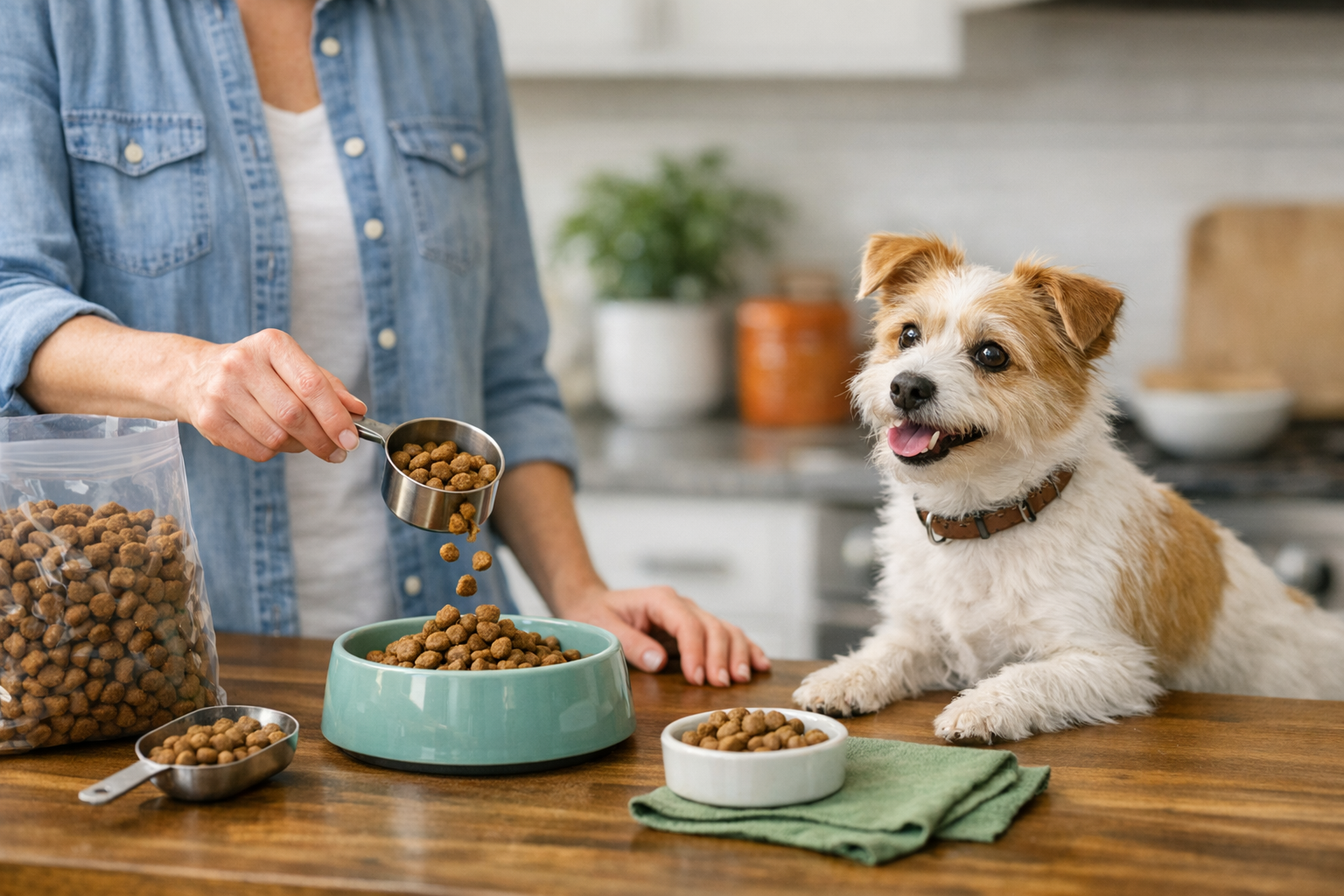
You are standing in the kitchen with a measuring scoop in one hand and a bag of premium kibble in the other. Your 15 pound dog is watching every move with intense focus. You want to ensure they get exactly what they need to stay lean and energetic, but the tiny numbers on the back of the bag can be hard to interpret. At BaxterBoo, we know that proper nutrition is about more than just filling a bowl. It is about balancing calories with your dog's specific lifestyle to prevent health issues like obesity or nutrient deficiencies. This guide explains the factors that determine your dog's daily portion and how to adjust for their unique metabolic needs. Finding the right balance today helps ensure many healthy years together.
Quick Answer: A typical 15 pound adult dog requires between 1 and 1.25 cups of dry dog food per day. This estimate assumes a standard calorie density of roughly 350 to 400 calories per cup, though active dogs may require slightly more.
Understanding the Calorie Math for a Small Dog
A 15 pound dog is often in that "in-between" size. They are larger than most toy breeds but smaller than many standard medium dogs. This weight class includes breeds like the Cavalier King Charles Spaniel, Miniature Schnauzer, and many terrier mixes. Because they have a relatively small frame, every extra ounce of food matters more than it would for a large breed.
Most veterinarians use a baseline called the Resting Energy Requirement (RER). This is the number of calories a dog needs just to perform basic functions like breathing and digestion while at rest. For a 15 pound dog, the RER is approximately 300 calories. However, most dogs need more than just the baseline to account for walking, playing, and maintaining body heat. A typical, moderately active adult dog of this size usually needs between 450 and 500 calories per day.
The Problem with Measuring by Cups
The word cup is a volume measurement, but calories are a measurement of energy. One cup of a high-protein, calorie-dense food like our Stella & Chewy's selection might contain significantly more energy than a cup of a weight-control formula. If you switch brands without checking the calorie count per cup, you might accidentally overfeed or underfeed your dog.
Always look for the kcal/cup statement on your food bag. If the food is 450 kcal/cup, a 15 pound dog only needs a single cup divided into two meals. If the food is 320 kcal/cup, they will likely need closer to 1.5 cups. We carry a wide range of brands like our NutriSource selection, each with different nutrient densities. Checking the specific label for the brand you use is the most important first step.
Key Takeaway: Calorie density varies wildly between brands. Always calculate the specific cup measurement based on the calorie count per cup listed on your dog food label.
Factors That Change Your Dog’s Daily Intake
No two 15 pound dogs are exactly the same. A young Jack Russell Terrier who spends all day chasing tennis balls has different needs than a senior Pug who prefers napping in a sunbeam. Several lifestyle factors will require you to adjust the amount you put in the bowl.
Activity Levels and Exercise
Energy output is the biggest variable in feeding. If your dog goes for two long walks a day and plays fetch, they might need 20 percent more food than the average guideline. On the other hand, a "lap dog" who only goes out for quick bathroom breaks needs fewer calories.
Spay and Neuter Status
Research shows that spaying or neutering a dog can lower their metabolic rate. This means their body becomes more efficient at storing energy. Many owners find they need to reduce their dog's food portion by 10 to 15 percent after these procedures to prevent unwanted weight gain.
Breed and Metabolism
Some breeds are naturally prone to weight gain. Beagles and Pugs are famous for their love of food and their tendency to pack on pounds. Working terriers often have higher metabolisms and may require more food to maintain a healthy weight. Knowing your dog's breed tendencies helps you stay ahead of potential weight issues.
Vet Tip: If you notice your dog is gaining weight despite following the bag guidelines, consult your veterinarian. They can help rule out underlying issues like thyroid dysfunction or provide a specific calorie target for weight loss.
Life Stage Differences for 15 Pound Dogs
The nutritional requirements of a dog change significantly as they move from puppyhood into their senior years. Feeding a 15 pound puppy the same way you feed a 15 pound adult can lead to growth issues or obesity.
Feeding the 15 Pound Puppy
A puppy that currently weighs 15 pounds is likely on its way to becoming a medium or large adult dog. Puppies have very high energy needs because they are building bone and muscle. They require more protein and fat than adults. Usually, they also need to eat more frequently—three to four times a day—to keep their blood sugar stable.
The Senior Shift
As dogs age, their metabolism naturally slows down. A 15 pound senior dog may also have joint stiffness that makes them less active. If you continue feeding the same amount they ate as a three year old, they will likely become overweight. Many senior dogs benefit from specialized formulas like those from Royal Canin or Open Farm, which often include joint support and fewer calories.
Managing Health with Prescription Diets
Sometimes a dog needs more than just standard kibble. If your pet has been diagnosed with a chronic condition like kidney disease, urinary stones, or severe food allergies, your vet might recommend a prescription diet. Through our pet pharmacy, BaxterBoo offers access to FDA-approved prescription pet foods. These diets are specifically formulated to manage health conditions while providing balanced nutrition. If your vet prescribes a diet like Farmina Vet Life, our pharmacy can help fulfill those needs conveniently.
Key Takeaway: Puppies need calorie-dense growth formulas, while seniors often require lower-calorie diets with added joint and cognitive support.
How to Tell if You Are Feeding the Right Amount
The scale is a useful tool, but it does not tell the whole story. You should also use a method called Body Condition Scoring to evaluate your dog's physical shape. This involves both a visual check and a hands-on assessment.
The Rib Test
You should be able to feel your dog's ribs easily under a thin layer of skin. If the ribs feel like the back of your hand, your dog is likely at a healthy weight. If they feel like your knuckles when you make a fist, the dog may be too thin. If you have to press firmly to feel the ribs at all, or if they feel like the palm of your hand, your dog is likely overweight.
The Waistline View
Look at your dog from above. They should have a visible waistline that tucks in behind the ribcage. From the side, their abdomen should have an upward tuck toward the hind legs. A dog that looks like a solid cylinder from above is likely carrying too much weight.
Bottom line: Physical condition is the most accurate indicator of whether your feeding plan is working.
Establishing a Consistent Feeding Schedule
Small dogs can be prone to fluctuations in blood sugar if they go too long without eating. Most owners of 15 pound dogs find that two meals a day—one in the morning and one in the evening—works best. Consistency is the key to a healthy digestive system.
Step 1: Determine the daily amount. / Calculate the total cups needed for 24 hours based on the calorie density of your food. Step 2: Divide the portion. / Split that total amount into two equal servings. Step 3: Set the clock. / Feed your dog at the same time every morning and evening. Step 4: Use a level measure. / Use a standard dry measuring cup rather than a random kitchen scoop to ensure accuracy. Step 5: Monitor and adjust. / Check your dog's body condition every two weeks and adjust the portion by a tablespoon or two if needed.
If your schedule is busy, our Autoship programme can help ensure you never run out of your dog's preferred food. This service delivers your pet's essentials on a recurring schedule and provides savings on your orders. It is a simple way to maintain the consistency your dog needs for their health.
The Role of Treats in a 15 Pound Dog's Diet
It is easy to forget that treats contain calories. For a 15 pound dog, a single large biscuit can represent a significant portion of their daily calorie limit. If you are training or just like to spoil your pup, you must account for those extras.
Follow the 10 percent rule: no more than 10 percent of your dog's daily calories should come from treats. If your dog needs 500 calories a day, only 50 should come from treats. That is not very much—about five or six small training treats. If you give a high-calorie dental chew or a pig ear, you must reduce the amount of dry food you put in the bowl that evening.
Low-Calorie Alternatives
If your dog is always acting hungry, consider high-fiber, low-calorie treats. Plain green beans or small pieces of carrot can provide a satisfying crunch without adding many calories. We also carry many limited-ingredient treats from our dog treats collection and brands like Greenies that are easy to break into smaller, waistline-friendly pieces.
Transitioning to a New Dry Food
If you decide to change your dog's food, whether to move to a senior formula or to try a new protein source, do it slowly. A sudden change in diet can cause stomach upset, especially in smaller dogs.
- Days 1–2: Feed 75% of the old food mixed with 25% of the new food.
- Days 3–4: Feed a 50/50 mix of the old and new food.
- Days 5–6: Feed 25% of the old food and 75% of the new food.
- Day 7: Transition to 100% of the new food.
Watch your dog's stool consistency during this week. If you notice any digestive issues, slow the transition down even further. Using high-quality brands like Carna4 or Acana can make this transition smoother because they use high-quality ingredients that are easier on the gut. For more help with food changes, see our guide to transitioning a dog to a new food.
When to Consult Your Veterinarian
While feeding charts are helpful, they are only starting points. Some dogs have unique needs that no chart can predict. If your dog is losing weight despite eating the recommended amount, or if they are constantly hungry but gaining weight, a vet visit is necessary.
Health issues like diabetes or food sensitivities require a professional diagnosis. Our pharmacy at BaxterBoo is here to support you if your vet prescribes specific medications or therapeutic diets for these conditions. We provide access to these specialized products through our partnership with Pet's Choice, ensuring your pet gets exactly what the doctor ordered.
Vet Tip: Keep a log of how much you feed and any treats given. This information is incredibly helpful for your vet if your dog starts having weight or digestive issues.
Maintaining Long-Term Wellness
Feeding your 15 pound dog the right amount of dry food is an act of love. It protects their joints, supports their heart health, and ensures they have the energy to enjoy life. By measuring carefully, monitoring their body condition, and choosing high-quality food, you are giving them the best foundation for a long life.
- Measure every meal with a standard cup.
- Account for all treats in the daily calorie total.
- Check body condition every two weeks.
- Adjust portions based on activity and life stage.
- Consult your vet for any sudden weight changes.
At BaxterBoo, we are committed to helping you navigate every stage of your pet's life. Whether you are looking for a new high-protein kibble or need a prescription diet through our pharmacy, we have the expertise and the products to help. Joining our MVP Rewards programme is a great way to earn points on every bag of food you buy, which you can use toward future purchases of gear, treats, or wellness supplies.
FAQ
Is 1 cup of food enough for a 15 pound dog?
For many adult dogs in this weight range, 1 cup of high-quality dry food is sufficient. However, it depends entirely on the calorie content of the specific food. If the kibble is lower in calories, such as a weight management formula, your dog might need 1.25 to 1.5 cups to get the necessary nutrients.
How many calories does a 15 lb dog need a day?
The average, moderately active adult dog weighing 15 pounds needs approximately 450 to 500 calories per day. This number can drop as low as 350 for very sedentary senior dogs or rise to 600 for highly active working breeds. Always check the kcal/cup on your food bag to translate these calories into the correct portion size.
Should I feed my 15 pound dog once or twice a day?
Feeding twice a day is generally recommended for most adult dogs. Dividing the daily portion into two meals helps keep their energy levels stable and prevents them from feeling overly hungry between feedings. For very small dogs or those with certain health conditions, a vet might even suggest three smaller meals to manage blood sugar levels.
What should I do if my 15 pound dog is always acting hungry?
First, ensure you are feeding a high-quality, nutrient-dense food that provides enough fiber to feel full. If your dog is at a healthy weight but still acting hungry, you can add low-calorie fillers like plain canned pumpkin or green beans to their bowl. If your dog is gaining weight and always hungry, consult your vet to rule out medical issues like Cushing's disease or parasites.






