
 Save 15% on your 1st Autoship learn more

 Email us
 Live Chat
 FAQs
FAQs





Introduction
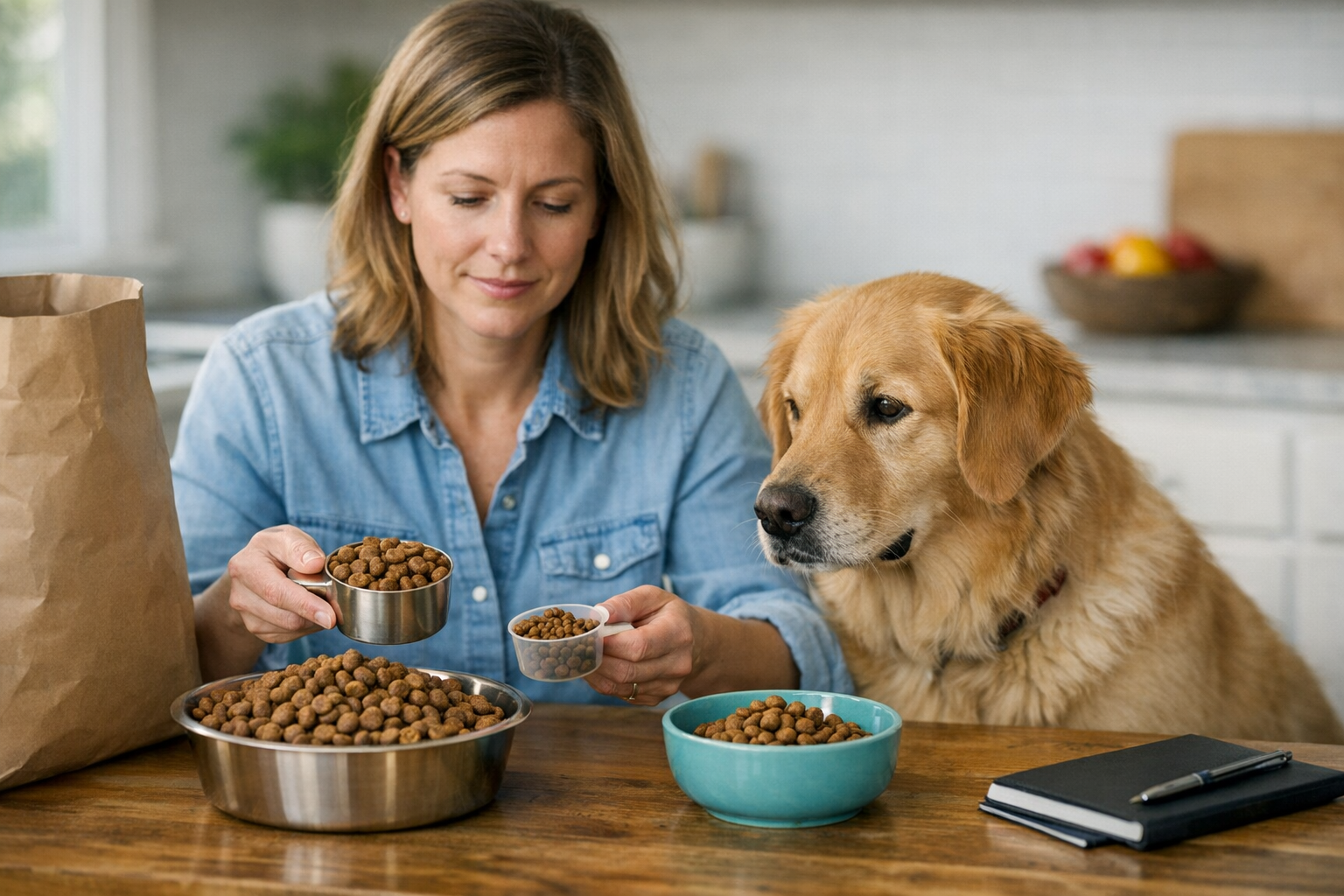
You are standing in your kitchen with a measuring cup in one hand and a bag of kibble in the other. Your dog is looking up at you with soulful eyes. They act like they have not eaten in a week. You want to give them exactly what they need to stay healthy and energetic. However, you also worry about overfeeding. At BaxterBoo, we hear this concern from pet owners every single day. Determining the right amount of dry food is not a one size fits all calculation. It involves looking at your pet’s age, weight, activity level, and the specific calorie density of the food you choose. This guide provides a clear path to finding that perfect daily portion. We will help you move past the guesswork and toward a plan that supports a long and vibrant life for your dog.
Quick Answer: Most adult dogs require between one half cup and four cups of dry food daily. This depends entirely on their weight, age, and activity level. You should always start with the feeding chart on your specific bag of food and adjust based on your dog's body condition.
The Importance of Precise Portions
Feeding your dog the right amount of food is one of the most basic ways to manage their health. If you feed too much, you increase the risk of obesity. Canine obesity is a serious problem in the United States. It leads to joint stress, heart disease, and a shorter lifespan. If you feed too little, your dog may suffer from nutritional deficiencies. They might lose muscle mass or have a dull coat.
Dry dog food is very calorie dense. Even an extra handful of kibble every day can add up to significant weight gain over a year. This is why measuring with a standard kitchen measuring cup is essential. Using a random plastic cup from your cupboard can lead to feeding much more than you realize. Consistency helps you notice changes in your dog's appetite or weight quickly. For a closer look at our adult dog food category, start with formulas that match your dog’s current life stage.
Factors That Influence Feeding Amounts
Every dog has a unique metabolic rate. Two dogs of the exact same weight might need different amounts of food. You must consider several lifestyle factors before you decide on a final portion size.
Activity Level and Energy Output
A dog that spends most of the day on the couch does not need the same calories as a working dog. Highly active dogs burn through their energy stores quickly. They require more calories per pound to maintain their muscle mass. If you take your dog on long hikes or runs, you may need to increase their portion. Conversely, if your dog’s main exercise is a short walk around the block, you should stick to the lower end of the feeding guidelines.
Age and Growth Stages
Puppies are growing rapidly. They require more energy, protein, and minerals than adult dogs. Their tiny bodies are building bone and muscle every single day. Adult dogs have reached their full size and primarily need maintenance calories. Senior dogs often have slower metabolisms. They may also be less active due to joint stiffness. We often see senior dogs thrive on smaller portions or specialized senior formulas that support aging bodies. If you are feeding a young dog, our puppy nutrition guide is a helpful next step.
Reproductive Status
Spaying or neutering your dog changes their hormonal balance. This often leads to a slightly slower metabolism. Many owners find that their dogs need about 10 percent to 20 percent less food after they are fixed. If you continue feeding the same amount as before the surgery, your dog may put on weight unexpectedly.
Breed and Genetics
Some breeds are known for being highly energetic. A Border Collie will likely need more food than a Bulldog of the same weight. Genetics also play a role in how a dog processes food. Certain breeds are more prone to obesity. You should research your dog's breed tendencies to understand if they have a slow or fast metabolism. If you prefer a brand with breed- and size-specific formulas, our selection of Royal Canin products is worth exploring.
Key Takeaway: Portions are not permanent. You must adjust your dog's food intake whenever their activity level, age, or health status changes.
Reading the Feeding Chart on the Bag
Every bag of dry dog food includes a feeding chart. This is a legal requirement. These charts provide a starting point based on your dog's weight. However, these are only guidelines. They are often based on an average, active adult dog.
You should look for the calorie count on the label. This is usually listed as kcal per cup. Not all dry foods are the same. One brand might have 300 calories per cup. Another might have 500 calories per cup. If you switch from a low calorie food to a high calorie food, you must reduce the portion size. If you do not, you will accidentally overfeed your dog. For another helpful reference, read our dry food feeding guide for a 15 pound dog.
Vet Tip: If your dog is currently overweight, do not feed them based on their current weight. Feed them based on their target or ideal weight. Consult your veterinarian to determine what that goal weight should be before making a big change to their diet.
General Feeding Guidelines by Dog Size
While every brand is different, we can look at some general ranges for dry food. These amounts are total daily portions. You should divide these into at least two meals.
Small and Toy Breeds (3 to 20 Pounds)
Small dogs have very fast metabolisms. They often need more calories per pound of body weight than large dogs.
- 3 to 10 pounds: 1/3 to 3/4 cup per day.
- 11 to 20 pounds: 3/4 to 1 1/4 cups per day.
Small breed kibble is usually smaller in size. This makes it easier for them to chew and digest. Brands like NutriSource or Royal Canin offer specific formulas for small mouths. If you want to browse a brand with compact nutrition options, our selection of NutriSource products is a smart place to compare.
Medium Breeds (21 to 50 Pounds)
Medium dogs are often very versatile. Their needs change based on their job or activity level.
- 21 to 35 pounds: 1 1/4 to 2 cups per day.
- 36 to 50 pounds: 2 to 2 2/3 cups per day.
For medium dogs, look for balanced formulas like those from Acana or Orijen. These brands focus on high quality proteins that support lean muscle. If you are comparing premium protein-heavy recipes, our selection of Orijen products is a useful starting point.
Large and Giant Breeds (51 to 100+ Pounds)
Large dogs have slower metabolisms per pound. They are also prone to joint issues. Keeping them lean is critical for their health.
- 51 to 75 pounds: 2 2/3 to 3 1/3 cups per day.
- 76 to 100 pounds: 3 1/3 to 4 1/4 cups per day.
- Over 100 pounds: 4 1/4 cups plus 1/4 cup for every 10 pounds over 100.
Large breed dogs benefit from formulas with added joint support. Brands like Farmina and Stella and Chewy's provide excellent options for big dogs. If your dog prefers a nutrient-dense recipe, our selection of Open Farm products is another strong option to review.
Life Stage Feeding Specifics
How Much to Feed a Puppy
Puppies need to eat frequently. Their stomachs are small, but their energy needs are high. Most puppies should eat three to four times per day until they are six months old. After six months, you can usually move to two meals per day. Always use a formula specifically labeled for puppies. This ensures they get the right ratio of calcium and phosphorus for bone growth.
Maintaining an Adult Dog
Adult dogs generally do well with a consistent routine. Most owners feed once in the morning and once in the evening. This helps keep blood sugar levels stable throughout the day. It also prevents your dog from becoming overly hungry and scavenging for scraps.
Adjusting for Senior Dogs
As dogs age, they may need fewer calories. However, they still need high quality protein to prevent muscle wasting. If your senior dog is gaining weight, try a senior specific formula. These often have fewer calories but include ingredients like glucosamine to support stiff joints.
Key Takeaway: Dividing the daily food amount into two or more meals supports better digestion and more consistent energy levels throughout the day.
Using the Body Condition Score
The best way to tell if you are feeding the right amount is to look at your dog. Veterinarians use a Body Condition Score (BCS) to evaluate a dog's weight. You can do a simplified version of this at home.
- The Rib Check: Place your hands on your dog's rib cage. You should be able to feel the ribs easily under a thin layer of fat. If you have to press hard, your dog may be overweight. If the ribs are sticking out visibly, they may be underweight.
- The Profile Check: Look at your dog from the side. They should have a visible "tuck" in their abdomen. The area behind the ribs should be higher than the chest.
- The Overhead Check: Look at your dog from above. You should see a clear waistline behind the ribs. A dog that looks like a cylinder from above is likely carrying too much weight.
Health Conditions and Prescription Diets
Sometimes, a standard dry food is not enough. Dogs with certain health conditions need specialized nutrition. This might include issues like kidney disease, severe allergies, or chronic digestive problems. In these cases, your veterinarian may prescribe a specific therapeutic diet.
Our pet pharmacy provides access to these FDA approved prescription pet foods. We partner with Pet's Choice to offer a wide range of medical diets from brands like Farmina Vet Life and Royal Canin. These foods are formulated to manage specific symptoms and support long term wellness. If your dog has a persistent health issue, a prescription diet might be a necessary step. Always consult your vet before switching to a medical food. They can provide a specific feeding plan tailored to your dog's clinical needs.
Vet Tip: Sudden weight loss or a total loss of appetite can be a sign of an underlying medical issue. If your dog stops eating or loses weight despite eating the same amount, please schedule a veterinary exam immediately.
Managing Treats and Extras
Treats are a wonderful tool for training and bonding. However, they contain calories too. Many owners forget to factor treats into the daily total.
A good rule of thumb is the 10 percent rule. Treats should never make up more than 10 percent of your dog's total daily calorie intake. If you are doing a heavy training session with many treats, you should reduce their kibble portion for that day.
Common Treat Mistakes
- Feeding high fat human table scraps.
- Giving large treats to small dogs without breaking them up.
- Using treats to quiet a dog that is begging for dinner.
- Forgetting that dental chews also contain calories.
For more healthy snack options, browse our dog treats collection.
Choosing the Best Dry Food for Your Dog
The quality of the food affects how much your dog needs to eat. High quality foods are often more nutrient dense. This means you can feed a smaller volume while still providing all the necessary vitamins and minerals. Cheap fillers like corn or soy provide bulk but fewer usable nutrients.
At BaxterBoo, we handpick every brand we carry. We look for manufacturers that prioritize real meat, healthy fats, and whole food ingredients. Brands like The Honest Kitchen, Open Farm, and Ziwi Peak offer exceptional nutrition. When you feed a high quality diet, you often see a shinier coat, smaller stools, and better energy levels. If savings matter as much as nutrition, our dog food discounts guide can help you stretch your budget.
Steps to Transitioning Food
If you decide to change your dog's dry food, do it slowly.
- Days 1-2: 75% old food, 25% new food.
- Days 3-4: 50% old food, 50% new food.
- Days 5-6: 25% old food, 75% new food.
- Day 7: 100% new food.
This slow transition prevents stomach upset and diarrhea. It also gives your dog time to adjust to the new flavor and texture.
Practical Tips for Accurate Feeding
To ensure your dog stays at their ideal weight, accuracy is vital. Small errors every day can lead to big problems over time.
- Use a standard measuring cup: Do not use a coffee mug or a scoop that came with a different product.
- Level the scoop: Do not feed a "heaping" cup. Level the top of the kibble with your hand or a flat tool.
- Weigh the food: For the highest level of accuracy, use a kitchen scale to weigh the food in grams. This is how veterinarians calculate precise diets.
- Use a consistent bowl: This helps you visualize what the correct portion looks like.
- Check the bag every time: Manufacturers sometimes change their formulas and calorie counts. Check the label whenever you open a new bag.
Bottom line: Accuracy in measuring is the simplest way to prevent accidental weight gain in your dog.
The Role of Supplements
Even with the best dry food, some dogs benefit from extra support. Senior dogs might need joint supplements like Cosequin or Zesty Paws. Dogs with itchy skin might benefit from fish oil or probiotics. While these do not replace a balanced meal, they can enhance your dog's quality of life. Always discuss new supplements with your veterinarian to ensure they do not interfere with your dog's current diet or medications. For dogs that need ongoing health support, our dog healthcare category can be a useful resource.
Why Quality Matters for Your Budget
It may seem like premium food is more expensive. However, because premium food is more nutrient dense, you often feed less of it per day. A bag of high quality kibble might last longer than a cheaper bag of the same size. When you factor in the potential for fewer vet visits related to obesity or poor nutrition, the value becomes clear. We strive to offer competitive pricing on top tier brands so you can provide the best care without compromise.
Monitoring and Adjusting Over Time
You should check your dog's weight at least once a month. You can do this by weighing yourself on a scale, then weighing yourself while holding your dog. The difference is your dog's weight. If you notice they are gaining a few pounds, reduce their daily kibble by 10 percent. If they are losing weight and should not be, increase it slightly.
Seasonal changes matter too. Many dogs are less active in the cold winter months. You may need to feed slightly less during the winter and more during the active summer season. Pay attention to your dog's cues and body shape.
Conclusion
Finding the right amount of dry food is a journey, not a destination. It starts with the weight of your dog and the guidelines on the kibble bag. From there, you must observe your pet and adjust based on their unique life. Whether you have a growing puppy or a senior dog needing joint support, the goal is always a healthy body condition.
We are here to help you every step of the way. Our selection of over 500 brands ensures you can find the perfect match for your dog's specific needs. If your dog requires a prescription diet or ongoing medication, our pharmacy is a trusted resource for FDA approved products.
- Start with the feeding chart on the bag.
- Measure with a standard cup or scale.
- Monitor your dog's ribs and waistline.
- Adjust for treats and activity levels.
- Consult your vet for health concerns.
Bottom line: A lean dog is a healthy dog, and careful portioning is the best tool you have to keep them that way.
To make sure you never run out of your dog's favorite formula, consider signing up for our Autoship programme. You will save on your first order and earn MVP Rewards programme benefits on every purchase. It is the easiest way to keep your dog's nutrition on track while saving time and money.
FAQ
How do I know if I am overfeeding my dog?
You can tell by checking their body shape and feeling their ribs. Your dog should have a visible waistline when viewed from above and a "tuck" in the belly from the side. If you cannot feel their ribs without pressing hard, they are likely being overfed.
Should I leave food out all day for my dog to eat?
Free feeding is generally not recommended because it makes it hard to track how much your dog is eating. It can lead to obesity and may cause issues in multi-pet households. Scheduled mealtimes help establish a routine and allow you to monitor your dog's appetite.
Can I mix wet and dry food together?
Yes, you can mix wet and dry food, but you must adjust the portions of both. Wet food is less calorie dense than dry food because it has a high water content. You will need to calculate the calories for both to ensure you are not exceeding your dog's daily requirement.
What should I do if my dog is always acting hungry?
First, ensure you are feeding the correct amount based on their ideal weight. Some dogs are simply very food motivated. You can try adding low calorie "bulkers" like green beans to their meal or using a slow feeder bowl to make mealtime last longer. If the hunger is sudden and intense, consult your vet to rule out medical issues.






