
 Save 15% on your 1st Autoship learn more

 Email us
 Live Chat
 FAQs
FAQs





Introduction
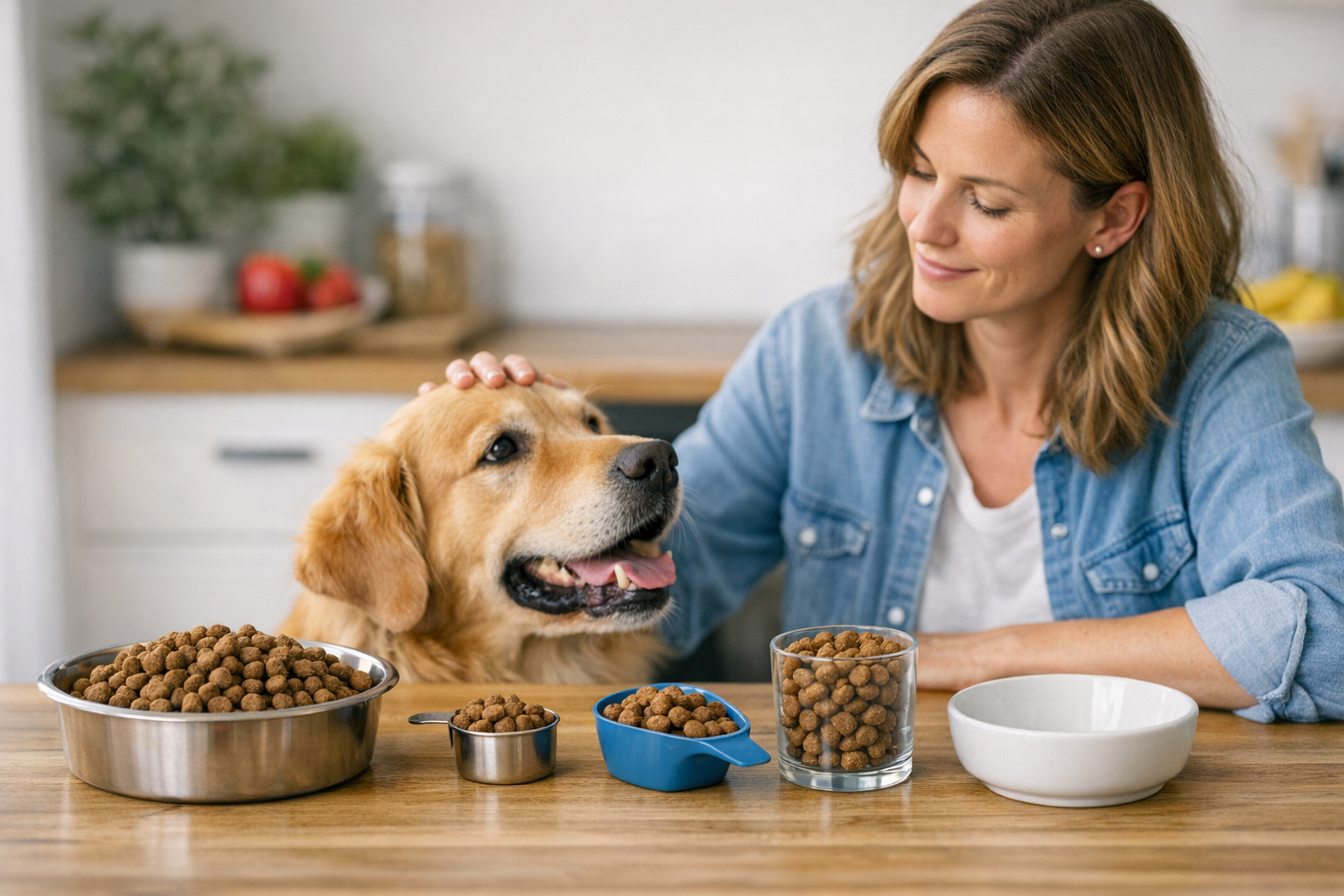
You are standing in your kitchen with a measuring cup in one hand and a bag of kibble in the other. Your dog is looking up at you with those expectant eyes. You want to provide exactly what they need to stay healthy, but the numbers on the back of the bag can feel like a guessing game. It is a common moment for every pet owner. At BaxterBoo, we have helped pet parents navigate these nutritional choices since 2006. Determining the right portion involves more than just reading a label. It requires looking at your dog's age, weight, activity level, and overall health. This guide will help you move past the guesswork to find the perfect daily amount for your companion. Feeding your dog correctly is the foundation of a long and happy life together.
The Factors That Define the Daily Scoop
The question of how much to feed does not have a single answer for every dog. Even two dogs of the same breed and weight might need different amounts of food. Energy needs vary based on several distinct biological and lifestyle factors.
Age and Life Stage
Puppies are in a state of constant growth. They require more calories per pound than adult dogs to build bone, muscle, and tissue. Adult dogs need a maintenance diet that keeps their weight stable. Senior dogs often have slower metabolisms. They may need fewer calories to prevent weight gain as they become less active.
Activity Level
A dog that runs five miles with you every morning has different caloric needs than one that prefers the couch. Working dogs or highly active breeds like Border Collies burn through energy quickly. If your dog is mostly sedentary, you must be careful with portion sizes to avoid obesity.
Spay and Neuter Status
Research shows that spayed or neutered dogs generally have lower energy requirements. Their metabolism shifts after the procedure. You may need to reduce their food intake by about 20 percent to maintain their ideal weight.
Metabolism and Genetics
Just like humans, some dogs simply have a faster metabolism. Some breeds are also more prone to weight gain than others. Beagles and Labradors are famous for their hearty appetites and tendency to pack on pounds.
Key Takeaway: Caloric needs are individual. Use the bag's feeding chart as a baseline, not a strict rule.
Decoding the Feeding Chart on the Bag
Every bag of dry dog food we carry features a feeding guideline. This chart is required by law, but it is important to understand how companies calculate these numbers.
The recommendations on the bag are typically based on an active adult dog. They usually provide a total daily amount. If the bag says two cups, that means two cups for the whole day, not two cups per meal.
How to Use the Chart
Step 1: Find your dog's current weight on the left side of the chart. Step 2: Look for their age or activity level if the chart provides those categories. Step 3: Locate the suggested range. Step 4: Start at the lower end of that range if your dog is less active.
Calorie Density Matters
Not all dry foods are created equal. One cup of a high-protein, grain-free food like Stella and Chewy's might have 450 calories. A weight-management formula might only have 300 calories per cup. This is why you cannot use the same scoop size when switching brands. Always check the calories per cup, which is listed as kcal/kg or kcal/cup on the packaging. If you are comparing formulas, start by browsing our dry dog food collection so you can match portion sizes to the right calorie level.
Quick Answer: The correct amount of dry food depends on your dog's weight and the calorie density of the specific brand. Most adult dogs require between 1/2 cup and 5 cups per day, depending on their size.
Feeding by Life Stage: Puppies to Seniors
The nutritional journey changes as your dog moves through different phases of life. Feeding the wrong life-stage formula or amount can lead to developmental issues or unnecessary weight gain.
Puppyhood: The Growth Phase
Puppies usually need to eat three to four times a day. Their small stomachs cannot handle one large meal. Large breed puppies need specific care. If they grow too fast, they can develop joint and bone issues later in life. Brands like our selection of Royal Canin products offer breed-specific puppy formulas that manage this growth rate carefully.
Adulthood: Maintenance
Once your dog reaches their full skeletal growth, they transition to adult food. This usually happens around 12 months for small breeds and up to 24 months for giant breeds. The goal here is weight maintenance. You want to see a visible waistline and be able to feel their ribs without a thick layer of fat.
The Senior Years
Senior dogs may need food that is easier to digest or higher in certain supplements like glucosamine. If your senior dog is slowing down, they likely need fewer calories. However, some seniors actually lose weight and need more calorie-dense food. Regular vet checks are vital during this stage.
Vet Tip: Consult your veterinarian before switching to a senior diet. They can help determine if your dog's slowing metabolism is due to age or an underlying health issue.
Measuring for Accuracy and Consistency
Many pet owners use a coffee mug or a random plastic cup to scoop food. This leads to overfeeding. A "cup" in pet food terms is a standard 8-ounce measuring cup.
The Importance of a Scale
The most accurate way to feed your dog is by weight, not volume. Measuring kibble in grams ensures that every meal is identical. This is especially helpful for small dogs where an extra ten pieces of kibble can represent a significant percentage of their daily intake.
Consistency is Key
Feed your dog at the same time every day. This helps regulate their digestion and can make house training much easier. If you have multiple dogs, feed them in separate areas. This prevents faster eaters from stealing food from slower eaters.
Factoring in Treats
Treats should never make up more than 10 percent of your dog's daily calories. If you are doing a lot of training with treats like Kong Easy Treat or small biscuits, you must reduce their dinner portion accordingly.
- Use a standard measuring cup or kitchen scale.
- Account for all treats and dental chews.
- Establish a consistent feeding schedule.
- Monitor leftovers to gauge appetite changes.
Identifying the Ideal Body Condition
Since feeding charts are just estimates, you must learn to read your dog's body. The Body Condition Score is a tool used by professionals to evaluate a dog's weight.
The Rib Test
You should be able to feel your dog's ribs easily. They should feel like the back of your hand. If they feel like your knuckles, the dog is too thin. If they feel like your palm, the dog is likely overweight.
The Overhead View
Look down at your dog from above. You should see a clear waistline behind the ribs. If your dog looks like a cylinder or an oval from above, they are carrying too much weight.
The Side View
Look at your dog from the side. Their stomach should tuck up toward their hind legs. A flat or sagging belly is a sign that it is time to trim the portions.
Key Takeaway: Your dog's physical appearance is a more reliable guide than the numbers on a food bag.
When General Guidelines Aren't Enough
Sometimes, a standard dry dog food is not enough to manage a dog's specific needs. If your dog has chronic health issues, they might require a specialized approach.
Health and Weight Management
Obesity is a leading cause of health problems in dogs, including joint pain and heart issues. If your dog is struggling to lose weight, we carry specialized brands like our selection of Farmina Vet Life products. These are formulated to help dogs feel full while consuming fewer calories.
The Role of Our Pharmacy
For dogs with specific medical conditions like kidney disease, diabetes, or severe allergies, a prescription diet may be necessary. Through our pet pharmacy, the BaxterBoo pharmacy offers FDA-approved prescription pet foods. These diets are carefully balanced to manage medical symptoms while providing complete nutrition. For a deeper look at when veterinary diets make sense, see our guide to veterinary diet food.
Transitioning Foods
Whenever you adjust the amount or type of food, do it slowly. Step 1: Mix 25 percent of the new food or amount with 75 percent of the old. Step 2: After three days, move to a 50/50 split. Step 3: After another three days, move to 75 percent new. Step 4: By day ten, you can feed the new amount or formula entirely.
Bottom line: If your dog's weight does not respond to portion changes, talk to your vet about a prescription diet from our pharmacy.
Environmental and Seasonal Adjustments
Your dog's environment also plays a role in how much energy they use. Dogs that spend a lot of time outside in cold weather use more calories just to stay warm. Their bodies work harder to maintain a stable internal temperature.
Conversely, in the heat of the summer, many dogs become less active. They may sleep more during the day to avoid the sun. You might notice their appetite dips during a heatwave. It is okay to adjust their portions slightly based on these seasonal shifts. Just make sure they always have access to fresh water.
Common Feeding Mistakes to Avoid
Even the most well-meaning pet owners can fall into bad habits. Recognizing these mistakes can help you get your dog back on track.
Free Feeding
Leaving a bowl of dry food out all day is called free feeding. This makes it impossible to track exactly how much your dog eats. It also makes it harder to notice a sudden loss of appetite, which is often the first sign of illness. Scheduled mealtimes are much better for weight control.
Eye-Balling the Portion
It is very easy to let the "scoop" get bigger over time. A little extra kibble here and there adds up to thousands of extra calories over a month. Use a dedicated measuring tool every single time.
Feeding for the Current Weight, Not the Goal Weight
If your dog is 60 pounds but should be 50 pounds, you should not feed them for a 60-pound dog. You must feed them for the 50-pound goal. However, you should do this under the guidance of a veterinarian to ensure the weight loss is safe and gradual.
Using Toppers Without Accounting for Calories
Adding a bit of wet food or a topper to kibble is a great way to entice a picky eater. However, these additions have calories too. If you add a quarter cup of wet food, you must remove the equivalent amount of dry food.
Using Technology and Programs to Help
Managing your dog's nutrition does not have to be a solo effort. We offer several programs at BaxterBoo to make consistent feeding easier and more affordable.
Autoship for Consistency
One of the hardest parts of maintaining a diet is running out of food and having to buy a random brand at the grocery store. Our Autoship programme ensures your dog’s specific food arrives on your schedule. This prevents sudden diet changes that can upset their stomach. If you want more tips on saving with repeat orders, our blog on discounted dog food is a helpful next read. Plus, you save on your first order and get a free MVP Gold membership.
Tracking Progress with MVP Rewards
When you find the right food and stick with it, you can earn up to 5 percent back through the MVP Rewards programme. This is a great way to save on high-quality brands that might otherwise be outside your budget. If you want a broader look at how the program works, read our MVP savings guide. We also have a Frequent Buyer Program for participating brands, which helps you earn free products over time.
Signs You Need to Adjust the Portion
You should review your dog's food intake every few months. Watch for these signs that the current amount is not working.
- Weight Gain: If the waistline is disappearing, reduce the portion by 10 percent.
- Weight Loss: If ribs become visible, increase the portion by 10 percent.
- Energy Levels: A sudden drop in energy can mean your dog is not getting enough fuel.
- Coat Quality: A dull or brittle coat can indicate a lack of essential fatty acids or overall calories.
- Hunger Signals: If your dog is constantly scavenging or begging, they might need more fiber to feel full.
Vet Tip: If your dog is losing weight despite eating the recommended amount, schedule a vet visit. This can be a sign of parasites or metabolic disorders that require medical attention.
Conclusion
Finding the right amount of dry food for your dog is an ongoing process of observation and adjustment. Start with the guidelines on the bag, but always prioritize what you see in your dog's physical condition. Use accurate measuring tools and maintain a consistent schedule. If you are ever unsure about your dog's nutritional needs or weight, your veterinarian is your best resource for professional guidance. We are here to support that journey with expertly curated products and a dedicated pharmacy.
- Measure food by weight or standard measuring cup for accuracy.
- Adjust portions based on life stage and activity level.
- Monitor your dog's Body Condition Score monthly.
- Account for all treats in the daily calorie total.
A great next step is to explore our selection of premium dry dog food and set up an Autoship order. This ensures you never miss a meal and keeps your dog on a steady, healthy routine.
FAQ
How do I know if I am overfeeding my dog?
The clearest sign of overfeeding is a loss of a visible waistline and difficulty feeling the ribs. You may also notice your dog becoming more lethargic or having softer stools. If your dog is gaining weight even though they seem active, you should reduce their daily kibble amount by about 10 percent and reassess in two weeks.
Can I just follow the chart on the back of the dog food bag?
The chart on the bag is a great starting point, but it is only an estimate. These charts often use broad weight ranges and assume an average activity level. Your dog may need more or less depending on their individual metabolism and lifestyle. Always monitor your dog's body condition and adjust the portions up or down as needed.
Should I feed my dog once or twice a day?
Most veterinarians recommend feeding adult dogs at least twice a day, typically once in the morning and once in the evening. This helps keep their blood sugar stable and prevents them from becoming overly hungry and searching for scraps. Puppies require more frequent meals, often three or four times a day, to support their rapid growth and smaller stomach capacity.
Does the breed of my dog change how much food they need?
Yes, breed significantly impacts metabolism and energy levels. A high-energy working breed like a Siberian Husky may require more calories than a more sedentary breed of the same weight. Additionally, some breeds are genetically predisposed to weight gain or specific health conditions that require careful portion control. It is always helpful to research your specific breed's common nutritional needs.






