
 Save 15% on your 1st Autoship learn more

 Email us
 Live Chat
 FAQs
FAQs





Introduction
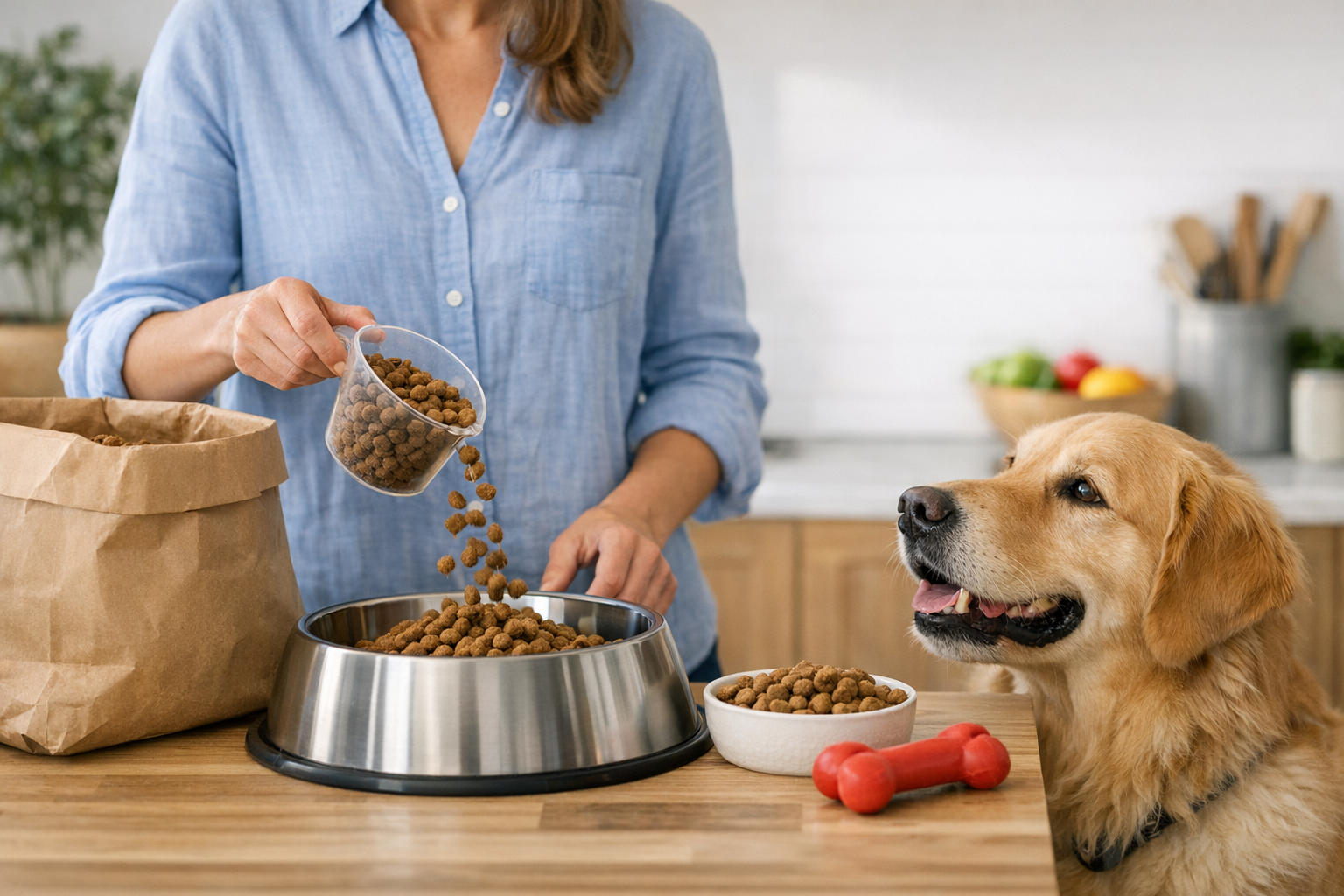
You stand in the kitchen with a scoop in one hand and a bag of kibble in the other. Your dog is watching every move with intense focus. You want to give them enough to feel full and stay healthy, but you worry about the scale creeping up. It is a common moment for every pet owner. At BaxterBoo, we talk to people every day who are trying to solve this exact puzzle. Feeding your dog is more than just following a chart on a bag. It involves understanding their life stage, their activity level, and their unique metabolism. This guide will help you move past the guesswork. We will cover how to read labels, how to adjust for age, and when to seek professional advice for prescription needs through our pet pharmacy.
Quick Answer: Most adult dogs need between two and four percent of their ideal body weight in food per day. This varies based on the calorie density of the kibble and the individual energy needs of the dog. Always start with the manufacturer feeding chart and adjust based on your dog's body condition score.
The Main Factors Affecting Your Dog's Portion Size
No two dogs are exactly the same. Even two dogs from the same litter can have different nutritional requirements. Several factors determine how many calories your pet needs to thrive.
Age and Life Stage
Puppies are growing machines. They need significantly more calories per pound of body weight than adult dogs. This supports bone development and tissue growth. Our puppy shop is a helpful place to start when you are shopping for the right life stage. Adult dogs have reached a maintenance phase where they only need enough energy to power their daily activities. Senior dogs often experience a slowing metabolism. They may become less active. This shift usually requires a reduction in calories or a change to a senior-specific formula, like options in our senior dog food collection.
Activity Level and Exercise
A Border Collie that runs five miles a day has different needs than a Bulldog that prefers the couch. Energy output is a direct driver of calorie requirements. If your dog is a weekend warrior, you might need to adjust their intake based on how much they actually moved that day. Working dogs or those competing in agility require high-protein, calorie-dense diets to maintain their muscle mass.
Breed and Genetics
Small breeds often have faster metabolisms than large breeds. They may need more calories per pound. Large and giant breeds grow slowly over a longer period. They require carefully balanced minerals to prevent orthopedic issues. Genetics also play a role in how a dog processes fat and protein. Some breeds are prone to weight gain, while others stay lean regardless of their intake.
Spay and Neuter Status
Research shows that spaying or neutering a dog can lower their metabolic rate. The hormonal changes often mean the dog requires fewer calories to maintain the same weight. If your dog was recently fixed, watch their waistline closely. You may need to trim their portions by ten to twenty percent to prevent unwanted weight gain.
How to Read the Feeding Chart on the Bag
Every bag of dry food sold at our dog food category includes a feeding guide. This chart is a legal requirement. However, these charts are only a starting point. They are usually based on an average, active adult dog.
The chart will typically list weight ranges on one side and a daily feeding amount on the other. Note that this is the total amount for the whole day. You must divide this number by the number of meals you provide. If the bag says two cups and you feed twice a day, give one cup in the morning and one at night.
Key Takeaway: Feeding charts are estimates based on average dogs. Use the weight your dog should be, not the weight they currently are, to find the starting portion size.
Calorie Density Differences
Not all kibble is created equal. One cup of a high-protein, grain-free food like Stella & Chewy's might contain 450 calories. A standard grocery brand might only have 300 calories per cup. If you switch brands, you cannot simply use the same measuring cup and fill it to the same level. Always check the kcal per cup or kcal per kilogram listed on the packaging.
Using the Right Measuring Tools
Many owners use a coffee mug or a plastic scoop from the garden. These are not accurate. Use a standard kitchen measuring cup. For even better accuracy, use a digital scale. Measuring by weight in grams is the most precise way to ensure your dog gets the exact same amount of energy every single day.
Feeding Guidelines for Puppies
Puppies require a specialized approach. Their stomachs are small, but their energy needs are massive. They cannot eat their entire daily requirement in one sitting.
The First Four Months
During this rapid growth phase, puppies should eat three to four times per day. This keeps their blood sugar stable and prevents digestive upset. They usually require about three times their resting energy requirement. Large breed puppies need food specifically labeled for large breeds. This controls their growth rate to protect their joints.
Transitioning to Adult Schedules
As a puppy reaches six to nine months, you can usually move to two meals per day. Their growth slows down, and their calorie needs begin to level off. This is a critical time to monitor their ribs. If you can no longer feel their ribs, you are likely overfeeding.
Step 1: Check the puppy feeding chart for their expected adult weight. Step 2: Divide the daily total into three or four equal portions. Step 3: Gradually increase the amount as the puppy gains weight. Step 4: Transition to adult food when they reach about 80 to 90 percent of their adult size.
Managing the Senior Dog Diet
Senior status arrives at different times depending on the breed. Giant breeds may be seniors at age seven. Small toy breeds might not reach seniority until age twelve.
Older dogs often lose muscle mass. They may also develop health conditions like kidney issues or joint pain. A senior-specific dry food often contains fewer calories but higher quality protein. It may also include supplements like glucosamine. If your senior dog is losing weight unexpectedly, do not just increase their food. Consult your veterinarian to rule out underlying health issues.
Vet Tip: Senior dogs have changing nutritional needs. If your older dog has a chronic condition like kidney disease or diabetes, ask your vet about prescription diets. Our pet pharmacy provides prescription options to support these specific health requirements.
How to Tell if Your Dog Is at a Healthy Weight
The number on the scale is only part of the story. Veterinarians use the Body Condition Score (BCS) system. This is a scale from one to nine. A score of four or five is ideal.
- Underweight (1-3): Ribs, spine, and pelvic bones are easily visible. There is no palpable fat.
- Ideal (4-5): Ribs can be felt easily but are not visible. You can see a clear waistline from above. The abdomen is tucked up when viewed from the side.
- Overweight (6-9): Ribs are difficult to feel under a layer of fat. The waistline is absent or bulging. The belly hangs down.
If your dog falls into the overweight category, it is time to rethink the portions. Even a few extra pounds can put significant stress on a dog's joints and heart.
The Role of Treats and Toppers
Treats are a major source of hidden calories. Many owners forget to count the biscuit given after a walk or the scrap of chicken from the table.
The 10 Percent Rule
Treats should never make up more than ten percent of your dog's total daily calorie intake. If your dog needs 1,000 calories a day, only 100 should come from treats. The other 900 must come from their balanced dry food. If you provide a lot of treats during training, you must reduce their dinner portion accordingly.
Healthy Low-Calorie Alternatives
If your dog always seems hungry, try adding low-calorie bulk to their bowl. Plain canned pumpkin (not pie filling) or steamed green beans are great options. These provide fiber and a feeling of fullness without adding significant calories or fat.
Feeding Schedules and Routines
Consistency is vital for a dog's digestive health. Feeding at the same time every day helps regulate their metabolism. It also makes house training much easier for younger dogs.
Free Feeding vs. Scheduled Feeding
Free feeding is leaving a bowl of food out all day. This is generally not recommended. It makes it impossible to track how much your dog is eating. It can also lead to obesity, as many dogs will eat out of boredom. Scheduled feeding allows you to monitor their appetite. If a dog that usually loves food suddenly stops eating, you will know immediately and can call the vet. For a deeper look at keeping portions under control, see our pet weight management guide.
Multi-Dog Households
If you have more than one dog, feed them in separate areas. This prevents "food theft." It also reduces the stress of competition. One dog might be a fast eater and try to finish the other dog's bowl. Separating them ensures each pet gets their exact prescribed portion.
When to Switch to Prescription Dry Food
Sometimes standard retail kibble is not enough. Dogs with specific medical needs may require therapeutic diets. These formulas are strictly regulated and designed to manage conditions.
Common reasons for prescription food include:
- Chronic kidney disease
- Urinary crystals or stones
- Severe food allergies
- Inflammatory bowel disease
- Significant obesity requiring a metabolic diet
Our pharmacy carries a wide range of these specialized diets. For dogs with precise dietary needs, our Royal Canin selection is one example of a brand page worth exploring. These foods are formulated with precise nutrient ratios that are not available in over-the-counter options.
Key Takeaway: Prescription diets are medical tools. Never switch your dog to a therapeutic food without a formal diagnosis and a prescription from your veterinarian.
Adjusting for Environmental Changes
The world around your dog affects their energy needs. You may need to change their portion sizes based on the season.
Winter Feeding
Dogs that spend a lot of time outside in the cold burn more calories just to stay warm. Their bodies work harder to maintain a core temperature. You might need to increase their dry food intake during the coldest months. However, if your dog stays inside and is less active because of the snow, they might actually need less food.
Summer Feeding
Extreme heat can suppress a dog's appetite. They may move less to avoid overheating. Watch their bowl during the summer. If they are leaving kibble behind, do not force them to eat. Ensure they have plenty of fresh water, which is more important than calories during a heatwave.
Common Feeding Mistakes to Avoid
Even the most well-intentioned owners make errors. Recognizing these patterns can help you keep your pet in peak condition.
- Eye-balling the amount: Humans are notoriously bad at estimating volume. A "handful" changes every day.
- Ignoring the calorie count: Assuming all "premium" foods have the same calories.
- Giving in to "begging": Dogs are opportunistic scavengers. They will act hungry even if they just ate.
- Using the wrong life stage food: Feeding puppy food to an adult dog will almost always lead to weight gain.
- Forgetting to count toppers: If you add a spoonful of wet food or a splash of broth, those calories count toward the daily total.
Bottom line: Accuracy in measuring and consistency in routine are the two most important factors in successful dog feeding.
Monitoring Progress and Making Adjustments
Your dog's needs will change throughout their life. Check their body condition score every month. If you notice they are getting a bit rounder, reduce their kibble by ten percent. If they look too thin or their energy is low, increase it slightly.
If you make a change, wait at least two weeks to see the results. Weight loss or gain should be slow and steady. Rapid changes in weight can be dangerous for a dog's internal organs.
Conclusion
Determining how much dry food to feed your dog is an ongoing process of observation and adjustment. By using the feeding chart as a baseline and accounting for your dog's activity and age, you can find the perfect balance. Remember to keep treats to a minimum and use accurate measuring tools. We are here to help you find the best brands and supplies to keep your pet healthy.
- Start with the bag's feeding guide based on ideal weight.
- Adjust for activity levels and life stages.
- Use a standard measuring cup or kitchen scale.
- Monitor body condition monthly.
If your dog has a health condition that requires a specific nutritional profile, we invite you to explore our pharmacy options. We offer a wide selection of prescription diets to ensure your dog gets exactly what the vet ordered. You can also sign up for our Autoship programme to save on your favorite brands and ensure you never run out of the food your dog loves. If you want even more everyday savings, take a look at the MVP Rewards programme.
FAQ
How many times a day should I feed my adult dog?
Most healthy adult dogs do best with two meals per day, typically one in the morning and one in the evening. This schedule helps maintain steady blood sugar levels and prevents the dog from becoming overly hungry or irritable between feedings. Some small toy breeds may benefit from three smaller meals to prevent hypoglycemia.
What should I do if my dog is always acting hungry?
First, verify that you are feeding the correct amount of calories based on their ideal weight and activity level. If the portions are correct, you can add high-fiber, low-calorie fillers like green beans or plain canned pumpkin to their bowl. Always consult a veterinarian if your dog shows a sudden, extreme increase in appetite, as this can be a sign of medical issues like diabetes or Cushing's disease.
Can I just follow the chart on the back of the dog food bag?
The chart on the bag is a great starting point, but it is not a definitive rule for every dog. These guidelines are based on average needs, and your dog might require up to fifty percent more or less depending on their metabolism. Use the chart for the first two weeks, then adjust the amount based on whether your dog is gaining or losing weight.
Is it better to measure dog food by volume or weight?
Measuring by weight using a digital scale is much more accurate than using a measuring cup. Kibble size and shape can lead to air pockets in a cup, which means the actual amount of food can vary from scoop to scoop. Weighing the food in grams ensures your dog receives a consistent number of calories at every meal, which is especially important for small dogs or those on a weight loss plan.






