
 Save 15% on your 1st Autoship learn more

 Email us
 Live Chat
 FAQs
FAQs





Introduction
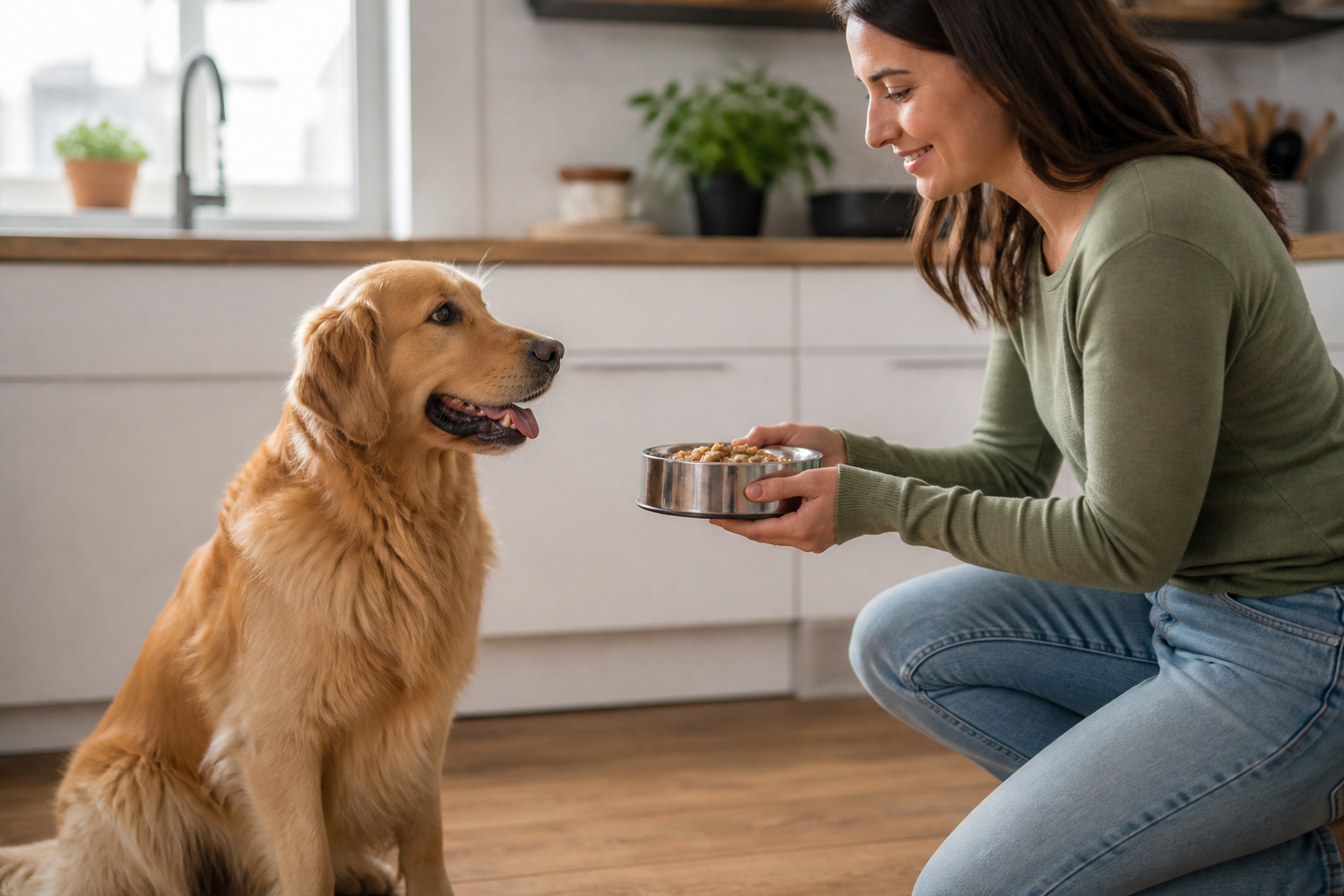
You are standing in your kitchen holding a bag of premium freeze dried dog food that feels surprisingly light. Your dog is waiting by the bowl with high expectations. You look at the airy, porous nuggets and wonder how such a small amount of food could possibly satisfy a hungry pet. This is a common moment for many owners who switch from heavy bags of kibble to nutrient-dense freeze dried options. At BaxterBoo, we have spent years helping pet parents navigate these nutritional transitions from our warehouse in Illinois. Understanding the correct portion size is vital because freeze dried food is much more concentrated than traditional dry or wet food. This guide covers how to calculate the right amount based on your dog's weight, activity level, and life stage. You will learn how to read calorie labels and how rehydration changes the volume in the bowl.
Understanding the Weight of Freeze Dried Food
Freeze dried food is unique because of the sublimation process. This method removes about 98 percent of the moisture from the raw ingredients without using high heat. Because water is heavy, removing it makes the food incredibly light. One cup of freeze dried nuggets might weigh only a fraction of a cup of standard kibble. However, the calories remain packed into that smaller, lighter form.
When you ask how much to feed, you must think in terms of calories and nutrients rather than just physical volume. If you fill a bowl to the brim like you might with low quality dry food, you will likely overfeed your dog. This can lead to rapid weight gain or digestive upset. Most freeze dried brands we carry, such as Stella and Chewy's or Vital Essentials, provide very specific feeding charts based on the weight of the food in its dry state.
Quick Answer: Most adult dogs require about 1/4 cup of freeze dried nuggets for every 10 to 15 pounds of body weight per day. This amount should be split into two meals and rehydrated with equal parts water. Always check the specific calorie count on your bag as brands vary.
Why Volume Can Be Deceiving
A common mistake is using a standard measuring cup and expecting it to look "full." Because freeze dried pieces are often irregularly shaped, there is a lot of air between the nuggets. This is why many manufacturers recommend feeding by weight in ounces or by the number of nuggets. If you are unsure, using a simple kitchen scale is the most accurate way to ensure your dog gets exactly what they need.
Factors That Influence Portion Size
No two dogs have the same metabolic needs. A sedentary senior dog living in a small apartment needs fewer calories than a young dog who spends all day hiking. We see this variety every day when helping customers choose the right gear and food at BaxterBoo. You must adjust the base recommendations on the bag to fit your specific pet.
Activity Level and Metabolism
Active dogs burn through fuel quickly. If your dog participates in agility, long runs, or active play, you may need to increase their portion by 10 to 20 percent. Conversely, if your dog is a "couch potato," you should stick to the lower end of the feeding spectrum.
Life Stage Requirements
Puppies are in a state of constant growth. They require significantly more calories per pound of body weight than adult dogs. Most puppy-specific freeze dried formulas recommend feeding up to twice the amount an adult dog of the same weight would eat. Senior dogs often have slower metabolisms. They might need fewer calories but higher quality protein to maintain muscle mass.
Body Condition Score
Instead of just looking at the scale, look at your dog. You should be able to feel their ribs easily without a thick layer of fat covering them. They should have a visible waist when viewed from above. If your dog is losing their waistline, it is time to trim the portions back by a few nuggets per meal.
Key Takeaway: Feeding charts are only a starting point. You must monitor your dog's weight and energy levels weekly to adjust their specific portion size for long term health.
The Rehydration Factor
One of the biggest questions we get is whether you have to add water. While you can feed freeze dried food dry, it is generally better to rehydrate it. This is especially true if you are feeding it as a full meal rather than just a treat. For more ideas about adding moisture to meals, read our guide to wetting dry dog food for better digestion and hydration.
How Water Changes the Bowl
When you add water, the food expands. This helps your dog feel full and provides much-needed hydration. Most brands suggest a 1:1 ratio. If you put half a cup of food in the bowl, add half a cup of warm water. Wait about three to five minutes for the moisture to soak in.
The final volume in the bowl will look much more substantial once it is rehydrated. This helps satisfy the psychological "hunger" of a dog who likes a full stomach. It also makes the food easier to digest. Since freeze dried food is raw-based, the moisture helps the body process the proteins and fats more naturally.
Benefits of Using Broth or Milk
If you have a picky eater, you can use more than just plain water. Adding a splash of goat milk or a pet-safe bone broth can increase the nutrient density. This is a great trick for senior dogs who may have a decreased appetite or need extra joint support.
Estimated Feeding Table for Adult Dogs
This table provides a general estimate for adult dogs with moderate activity levels. Always refer to the specific packaging of brands like Open Farm or Acana for the most accurate numbers.
| Dog Weight (lbs) | Daily Amount (Dry Cups) | Recommended Water (Cups) | Total Meals Per Day |
|---|---|---|---|
| 5 - 10 lbs | 1/4 to 1/2 cup | 1/4 to 1/2 cup | 2 |
| 11 - 20 lbs | 1/2 to 1 cup | 1/2 to 1 cup | 2 |
| 21 - 40 lbs | 1 to 1 3/4 cups | 1 to 1 3/4 cups | 2 |
| 41 - 60 lbs | 1 3/4 to 2 1/2 cups | 1 3/4 to 2 1/2 cups | 2 |
| 61 - 80 lbs | 2 1/2 to 3 1/4 cups | 2 1/2 to 3 1/4 cups | 2 |
| 80+ lbs | 3 1/4 cups + | 3 1/4 cups + | 2 |
Bottom line: Divide the total daily amount into at least two servings to maintain steady energy levels and aid digestion.
Transitioning to Freeze Dried Food
You should never switch your dog's food overnight. Their digestive systems contain specific bacteria that help break down their current diet. A sudden change can lead to gas, diarrhea, or vomiting. We recommend a 10 day transition period to allow their gut to adapt to the rich, raw-based ingredients in freeze dried food. For another perspective, see our freeze dried dog food feeding guide.
Step-by-Step Transition Guide
Step 1: Days 1 to 3. Mix 25 percent of the new freeze dried food with 75 percent of their old kibble. Rehydrate the freeze dried portion separately before mixing it in.
Step 2: Days 4 to 6. Move to a 50/50 split. Observe your dog's stool quality. If it remains firm, continue to the next step.
Step 3: Days 7 to 9. Feed 75 percent freeze dried food and 25 percent old food. This is usually when owners notice an increase in their dog's excitement at mealtime.
Step 4: Day 10 and beyond. You can now feed 100 percent freeze dried food. Continue to monitor their weight over the next month.
Vet Tip: If your dog has a history of pancreatitis or sensitive digestion, consult your veterinarian before switching to freeze dried food. These diets are often higher in fat and protein than standard kibble. Your vet can help you determine if a prescription diet from our pharmacy is a better fit for managing specific health conditions.
Using Freeze Dried Food as a Topper
Not every budget or lifestyle allows for 100 percent freeze dried feeding. Many of our customers at BaxterBoo use freeze dried nuggets as a "topper" to enhance their dog's regular kibble. This is an excellent way to add high quality protein and raw nutrients without the full expense of a total diet swap. You can compare options in our freeze dried dog food collection.
Calculating the Topper Ratio
If you add freeze dried food as a topper, you must reduce the amount of kibble you feed. If you don't, you are essentially "double-feeding" and will cause weight gain. A good rule of thumb is to replace 25 percent of the kibble volume with a slightly smaller volume of freeze dried food.
For example, if your dog usually eats 1 cup of kibble, try feeding 3/4 cup of kibble and a crumbled 1/8 cup of freeze dried food. Since the freeze dried option is more calorie-dense, you do not need a perfect 1:1 volume swap.
- Crumble the nuggets over the kibble for a flavor boost.
- Add a small amount of warm water to create a "gravy" that coats the dry kibble.
- Use freeze dried pieces as high-value training rewards instead of separate treats.
- Focus on rotation to provide different protein sources like beef, lamb, or poultry.
Health and Safety Considerations
While freeze dried food is shelf-stable, it is still a raw-based product. This means you must practice good hygiene. Wash your hands after handling the dry nuggets. Wash your dog's bowl thoroughly after every meal to prevent bacterial growth.
Nutrient Balance
Most freeze dried foods we stock are formulated to be "complete and balanced." This means they meet the AAFCO standards for all life stages or adult maintenance. However, some products are labeled as "supplemental feeding only." Always read the label to ensure the food provides the vitamins and minerals your dog needs to thrive.
When to Consult a Professional
If your dog has chronic health issues like kidney disease or urinary stones, nutrition becomes even more critical. Some freeze dried foods are very high in phosphorus or certain minerals. Our pharmacy, through our partnership with Pet's Choice, offers prescription pet foods and FDA-approved medications for dogs with specific medical requirements. If your dog shows signs of illness, such as lethargy or persistent digestive issues after a food change, please contact your veterinarian immediately.
Key Takeaway: Safe handling and proper bowl hygiene are just as important as the food itself when feeding a raw-based freeze dried diet.
Managing the Cost with Autoship
We know that premium nutrition is an investment in your dog's long term wellness. Freeze dried food is often more expensive than kibble because the processing takes longer and uses higher quality ingredients. To make this more affordable, we offer an Autoship programme. This allows you to set a recurring delivery schedule so you never run out of your dog's favorite food. You save on your first order and earn a free MVP Gold membership, which provides additional savings and rewards.
By planning your portions correctly and using tools like Autoship, you can provide the best possible nutrition without unnecessary waste. Knowing exactly how much to feed helps you budget effectively while keeping your dog at a healthy, happy weight.
Summary of Feeding Practices
Feeding freeze dried food does not have to be complicated. Once you get used to the lighter weight and the rehydration process, it becomes a simple part of your daily routine.
- Measure by weight or calorie count rather than just looking at the bowl.
- Always rehydrate with warm water, broth, or goat milk for better digestion.
- Adjust portions based on age, activity, and body condition.
- Transition slowly over 10 days to avoid tummy upset.
- Consult your vet for dogs with specific health conditions.
FAQ
Can I feed my dog freeze dried food without adding water?
Yes, you can feed it dry, but it is not ideal for full meals. Freeze dried food has a very low moisture content, which can be dehydrating over time if the dog does not drink enough water separately. Adding water helps with digestion and ensures your dog stays hydrated, which is especially important for kidney health.
How long does a bag of freeze dried food last once opened?
Most manufacturers recommend using the bag within 30 days of opening for maximum freshness. Because the moisture has been removed, the food is shelf-stable, but exposure to air can cause the natural fats to oxidize over time. Keep the bag tightly sealed in a cool, dry place to maintain its nutritional integrity.
Is freeze dried food appropriate for puppies?
Many freeze dried foods are formulated for "all life stages," making them safe for puppies. However, puppies require more frequent feedings and higher calorie counts to support their rapid development. Always verify that the specific bag has an AAFCO statement for growth before feeding it to a developing puppy.
Why is my dog still acting hungry after eating freeze dried food?
Because freeze dried food is low in volume but high in calories, your dog's stomach may not feel physically "stretched" or full immediately. Rehydrating the food with extra water or a bit of fiber-rich pumpkin can help them feel more satisfied. Always monitor their body weight rather than their "begging" behavior to determine if they are getting enough food.
Conclusion
Feeding your dog a freeze dried diet is a wonderful way to provide raw-level nutrition with modern convenience. By focusing on calories, monitoring your dog's body condition, and properly rehydrating every meal, you can ensure they receive exactly what they need to thrive. Whether you are using it as a full meal or a nutritious topper, the quality of the ingredients makes a visible difference in their coat, energy, and overall health. We invite you to explore our freeze dried dog food collection and consider joining our MVP Rewards program to earn back on every purchase. Your dog's health starts in the bowl, and we are here to help you get it right.
Bottom line: Focus on calorie density and proper rehydration to get the most out of your dog's freeze dried meals.






