
 Save 15% on your 1st Autoship learn more

 Email us
 Live Chat
 FAQs
FAQs





Introduction
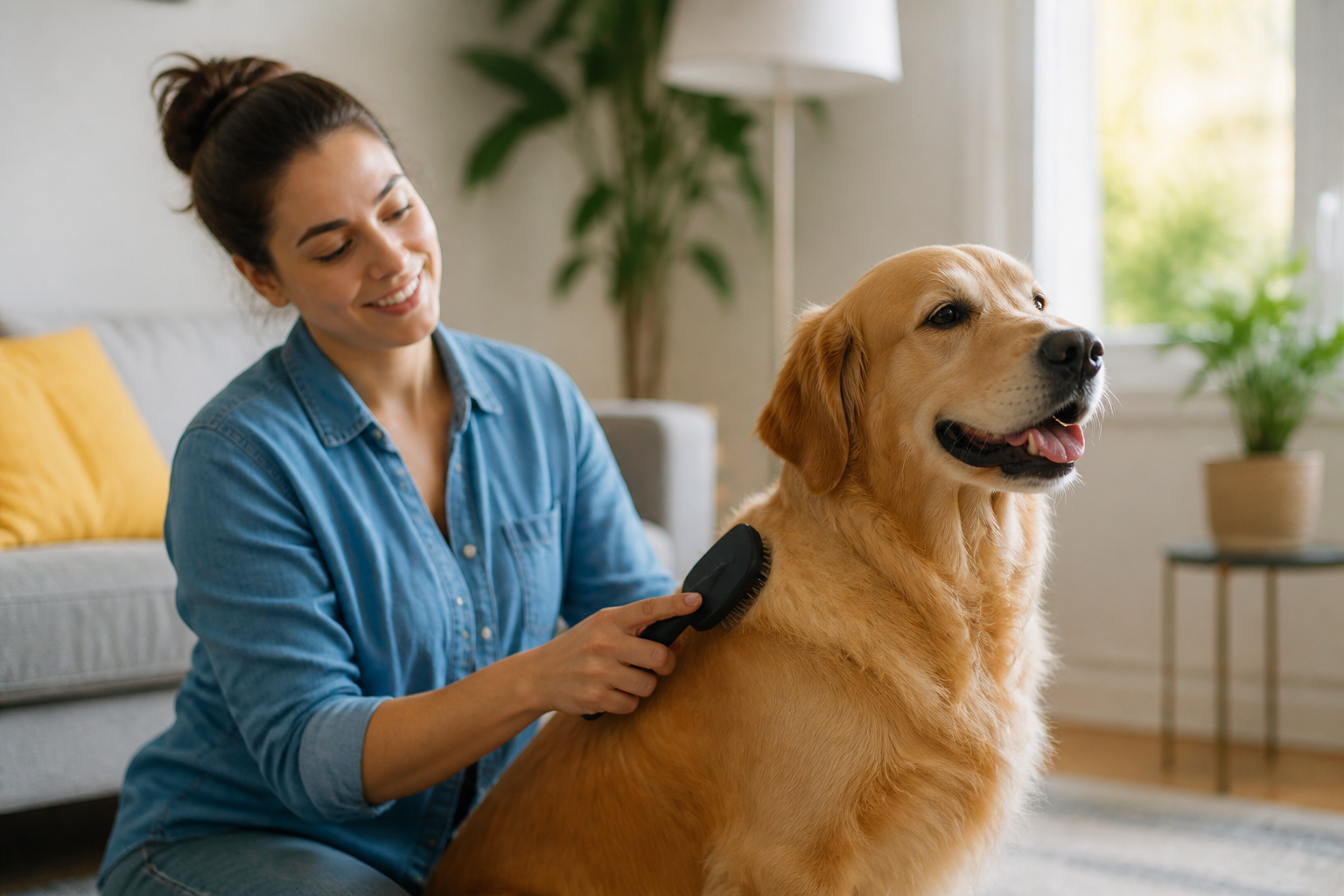
You are sitting on the sofa after a long walk when you notice a small tumbleweed of fur drift across the rug. Or perhaps you reach down to scratch your dog behind the ears and feel a tight, stubborn knot that seemingly appeared overnight. At BaxterBoo, we know that keeping up with a grooming routine can feel like a full-time job for many pet owners. Whether you have a sleek Greyhound or a fluffy Doodle, knowing how often should dogs be brushed is central to your pet's comfort and health. Brushing is more than just a beauty routine for the neighborhood park. It is a vital part of skin health, a way to distribute natural oils, and a perfect time to check for hidden lumps or pests. This guide covers the ideal frequency for every coat type and the best ways to manage shedding.
The Basic Rules of Brushing Frequency
The short answer to how often you should brush your dog is that it depends almost entirely on their coat. A dog with a short, smooth coat does not have the same needs as a dog with a thick undercoat or long, flowing hair. While every dog benefits from at least a weekly session, some require daily attention to stay healthy.
Brushing serves several purposes beyond removing loose fur. It stimulates the skin and moves natural oils down the hair shaft to create a healthy shine. It also helps you spot issues like ticks, fleas, or dry skin before they become serious problems. If you skip too many sessions, loose hair can become trapped against the skin. This leads to matting, which can be painful and even cause skin infections.
Quick Answer: Most dogs should be brushed at least once or twice a week. However, long-haired breeds or those with thick undercoats often require daily brushing to prevent painful mats and manage seasonal shedding.
Short and Smooth Coats
Dogs like Boxers, Beagles, and Great Danes have short hair that lies close to the skin. These breeds are the easiest to maintain, but they still need regular care. Even though their hair is short, they still shed. Brushing removes the dead hair before it ends up on your furniture.
For these dogs, once a week is usually enough. Using a soft bristle brush or a rubber grooming mitt helps pull away loose fur and massages the skin. Because the coat is so thin, you must be gentle to avoid irritating the skin with a hard brush.
Medium and Double Coats
Breeds like Labradors, Golden Retrievers, and German Shepherds have a more complex coat. They often have a soft undercoat for insulation and a tougher outer coat for protection. These dogs are famous for shedding, especially during the spring and fall.
You should aim to brush these dogs two to three times per week. During shedding season, you may need to move to a daily schedule. Using a slicker brush or a de-shedding tool helps reach the undercoat where most of the loose fur hides. For more ideas about managing seasonal shedding, read our guide to Australian Shepherd shedding.
Long or Curly Coats
Poodles, Shih Tzus, and Yorkies represent the most high-maintenance group. Their hair grows continuously and does not fall out as easily as other breeds. While this means less fur on your floor, it means a much higher risk of matting.
These dogs need to be brushed every single day. If you skip a few days, the fine hairs can begin to twist together. Once a mat forms near the skin, it can pull and cause significant discomfort. A metal comb is often the best tool to ensure you are getting all the way down to the skin rather than just smoothing the top layer of hair. For additional curly-coat guidance, see our tips for grooming a curly-haired dog.
Key Takeaway: Match the frequency of your brushing to the length and complexity of the coat to prevent mats and skin irritation.
Why Regular Brushing Is a Health Necessity
Many people view brushing as an optional chore, but it is actually a primary health task. When you run a brush through your dog's hair, you are doing more than just cleaning. You are performing a mini-physical exam. This is the best time to look for things that do not belong.
Regular sessions allow you to check for:
- Ticks or fleas hiding near the skin.
- Hot spots or areas of redness and irritation.
- Small lumps or bumps that may need a vet's attention.
- Dry, flaky skin that might indicate a need for a diet change.
- Signs of ear infections or dental issues if you include those in your routine.
If you find that your dog's skin is consistently dry or they are scratching more than usual, it may be time to look at your flea and tick prevention or skin supplements. Our dog pharmacy carries a wide range of medications and treatments through our partnership with Pet's Choice. You can find options for allergy relief and prescription shampoos that help manage chronic skin conditions.
Vet Tip: If you notice your dog pulling away during brushing or if you find red, oozing, or smelly patches of skin, stop grooming that area and consult your veterinarian. These can be signs of an infection or a painful hot spot that requires medical treatment.
Choosing the Right Tools for the Job
You cannot use the same brush for every dog. Using the wrong tool can be ineffective or even painful for your pet. At BaxterBoo, we see many owners who struggle with grooming simply because they do not have the right equipment for their dog's specific hair type. Browse our dog brushes and combs to compare options for different coats.
The Slicker Brush
This is a wide brush with fine wire bristles. It is excellent for removing mats and tangles in medium to long-haired dogs. It is also the go-to tool for fluffing up a coat after a bath. Be careful not to press too hard, as the wire bristles can scratch the skin if you are not mindful.
The Rubber Curry Brush
This is the best choice for short-haired breeds. It is made of soft rubber and works by gripping the loose hair while massaging the skin. Most dogs find this very relaxing. It is also a great tool to use in the bath to help work shampoo down to the skin.
The Metal Comb
A sturdy metal comb is essential for long-haired dogs and those with curly coats. Use the comb after you have gone over the dog with a slicker brush. The comb helps you find any tiny knots you might have missed. If the comb can pass easily from the skin to the ends of the hair, you know the dog is mat-free.
De-Shedding Tools
These tools are designed specifically to reach through the topcoat and pull out the loose undercoat. They are incredibly effective for breeds like Huskies or Labs. However, you should use them sparingly. Using a de-shedding tool too often or too roughly can damage the healthy topcoat.
Bottom line: Investing in two or three tools specific to your dog's coat type will make your grooming sessions faster and more comfortable for everyone.
Managing Shedding Seasons
Most dogs go through a heavy shedding period twice a year. This is often called blowing the coat. It usually happens in the spring as they lose their heavy winter undercoat and in the fall as they prepare for new growth. During these times, the question of how often should dogs be brushed has a simple answer: every day.
If you do not brush daily during a blowout, the loose hair will stay trapped. This prevents air from reaching the skin, which can lead to overheating and skin issues. It also means your home will be covered in fur.
To manage a heavy shed: Step 1: Increase brushing frequency to once or twice a day during the peak shedding weeks. Step 2: Use a de-shedding tool once a week to remove the bulk of the undercoat. Step 3: Give your dog a bath with a de-shedding shampoo to help loosen the dead hair. Step 4: Use a high-velocity dryer or a standard hair dryer on a cool setting to blow out the remaining loose fluff.
Making Brushing a Positive Experience
If your dog runs and hides when they see the brush, you will likely avoid doing it as often as you should. It is important to make the experience rewarding. This is especially true for puppies or rescue dogs who may not be used to being handled.
Start with very short sessions. Spend just one or two minutes brushing a spot your dog likes, such as their chest or shoulders. Offer high-value treats throughout the process. Slowly increase the time and move toward more sensitive areas like the legs, belly, and tail.
If you encounter a mat, do not pull on it. This will hurt the dog and make them fear the brush. Instead, hold the mat at the base near the skin so you do not pull on the hair. Gently pick at the knot with a comb or use a detangling spray to help it slide apart. If a mat is too tight, it is safer to have a professional groomer or vet clip it out rather than risking a skin tear. You can also review these bathing and brushing tips for dogs before your next grooming session.
Key Takeaway: Patience and positive reinforcement are just as important as the brush itself when building a long-term grooming routine.
Grooming for Senior Dogs
As dogs age, their skin and coat needs change. Senior dogs may develop thinner skin, making them more sensitive to hard brushes. They may also have arthritis, which makes standing for long grooming sessions or lifting their legs difficult.
You should continue to brush your senior dog regularly, but you may need to adjust your technique. Use softer brushes and keep the sessions short. If your dog has mobility issues, let them lie down on a soft bed while you work. Regular brushing is also vital for seniors because it allows you to monitor for new lumps, which become more common as dogs get older.
If your senior dog is struggling with stiff joints during grooming, we can help. Our selection of mobility aids and joint supplements supports aging pets. For those needing more advanced care, our pharmacy offers prescription options for pain management that can make daily life and grooming more comfortable.
- Switch to a soft-bristle brush for thinning skin.
- Keep sessions under 10 minutes to avoid tiring the dog.
- Watch for new skin tags or growths that a brush might snag.
- Focus on the hindquarters where seniors often have trouble cleaning themselves.
Environmental Factors and Activity Levels
Your dog's lifestyle also dictates how often you should reach for the brush. A dog that spends most of its time on a city sidewalk will stay cleaner than a dog that runs through tall grass and woods.
If your dog is a hiker or a swimmer, they will need more frequent attention. Burrs, seeds, and mud can quickly turn into mats if they are not brushed out immediately after an outing. For dogs that swim, it is important to brush them after they dry. Wet hair tends to clump together, and if it dries into a knot, it becomes much harder to remove.
For active dogs, a quick post-walk brush is a great habit. It takes only a minute to check the paws and underarms for debris. This prevents the "hidden" mats that often form in high-friction areas like where the harness sits or behind the ears. For more paw-care ideas, read our dog paw pad care guide.
Brushing and Overall Hygiene
While the coat is the main focus, brushing time is a good opportunity to check other hygiene needs. This includes ear cleaning, nail trimming, and dental care.
Ears and Eyes
Check the ears for any redness or a foul odor. If your dog has floppy ears, they may need a weekly cleaning with a vet-approved solution to prevent yeast buildup. Similarly, use a soft, damp cloth to wipe away any discharge from the corners of the eyes. This prevents tear staining and irritation.
Paws and Nails
Long nails can change the way your dog walks and eventually lead to joint pain. If you can hear their nails clicking on the floor, they are too long. Use your brushing time to handle their paws so they become comfortable with nail trims. Check between the toes for matted fur or trapped pebbles.
Dental Health
Ideally, you should brush your dog's teeth every day. While it is a different kind of brushing, doing it at the same time as their coat grooming makes it easier to remember. Use a pet-specific toothpaste, as human toothpaste contains ingredients like xylitol that are toxic to dogs. For more oral-care guidance, explore these pet dental care tips.
Vet Tip: If you notice a sudden change in your dog's coat, such as excessive hair loss, extreme oiliness, or a very dull appearance, it may be a sign of an underlying health issue like a thyroid problem or a nutritional deficiency. Schedule a checkup with your vet to rule out medical causes.
Summary of Frequency by Breed Type
To keep things simple, you can follow these general guidelines for how often should dogs be brushed based on common breed categories.
| Coat Type | Recommended Frequency | Best Tool |
|---|---|---|
| Short / Smooth | Once a week | Rubber curry brush or grooming mitt |
| Double Coat | 2 to 3 times a week | Slicker brush and de-shedding tool |
| Long / Silky | Daily | Slicker brush and metal comb |
| Curly / Non-shedding | Daily | Metal comb and slicker brush |
| Wire-haired | Once a week | Stripping comb or firm bristle brush |
Conclusion
Maintaining a consistent brushing schedule is one of the simplest things you can do to keep your dog healthy and comfortable. By understanding your dog's coat type and adjusting for seasonal changes, you prevent painful mats and reduce the amount of fur in your home. Remember that grooming is also a vital time to check for skin issues or pests. At BaxterBoo, we are committed to providing the tools and health supplies you need to make this process easy. Whether you need a new slicker brush or a prescription treatment from our dog grooming collection, we are here to support your pet's wellness journey.
- Brush at least once a week for all breeds.
- Increase to daily sessions for long-haired or shedding dogs.
- Use the right tools for your dog's specific coat.
- Use the time to check for lumps, bumps, and pests.
Bottom line: A few minutes of brushing each day can prevent hours of painful de-matting and keep your dog's skin and coat in top condition.
FAQ
Can I brush my dog too much?
It is difficult to brush too much as long as you are using the correct tools and a gentle hand. However, over-brushing with a harsh de-shedding tool or a stiff wire brush can cause brush burn or skin irritation. Always monitor the skin for redness and stop if your dog shows signs of discomfort.
What should I do if my dog has a large mat?
Never try to cut a mat out with scissors because it is very easy to accidentally nick the dog's skin. Try using a detangling spray and a metal comb to gently pick it apart starting from the end of the hair. If the mat is tight against the skin, it is best to have a professional groomer or a veterinarian remove it safely.
Does brushing help with dog allergies?
Yes, regular brushing can significantly help dogs with skin allergies by removing environmental allergens like pollen or dust from their fur. It also helps distribute natural oils that protect the skin barrier. For dogs with severe allergies, you might also consider medicated shampoos or supplements available through our dog pharmacy.
Why does my dog still shed so much even though I brush them?
Brushing removes loose hair, but it does not stop the natural growth cycle. Some breeds simply shed more than others due to their genetics. If the shedding seems excessive or is accompanied by bald patches, it could indicate a nutritional gap or a medical issue, so a vet visit is a good idea.






