
 Save 15% on your 1st Autoship learn more

 Email us
 Live Chat
 FAQs
FAQs





Introduction
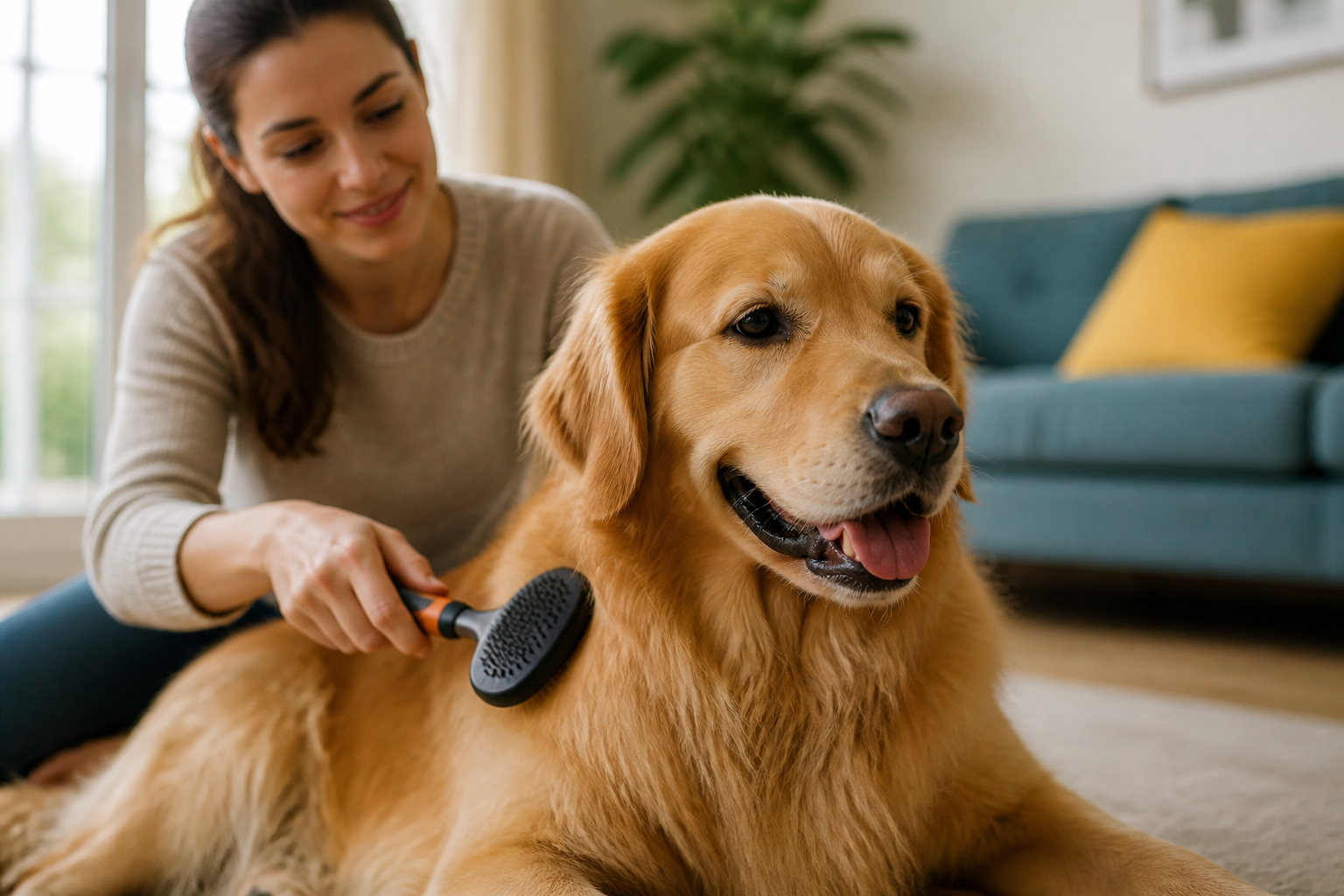
You might notice a few extra fur tumbleweeds rolling across your hardwood floors or feel a stubborn knot behind your dog's ears during a Saturday morning snuggle. These moments often lead pet owners to wonder if their grooming routine is actually hitting the mark. At BaxterBoo, we see these questions every day from neighbors who want their dogs to feel as good as they look. Brushing is more than a beauty ritual. It is a vital part of your dog's physical health and comfort. This post covers exactly how often you should pick up the brush based on your dog's specific coat type and lifestyle. You will learn how to identify the right tools and how to spot skin issues before they become serious problems.
Quick Answer: Most dogs benefit from a thorough brushing at least once a week. Long-haired breeds often require daily attention to prevent mats, while short-haired dogs can usually wait two weeks between sessions.
Understanding Coat Types and Frequency
The most important factor in your grooming schedule is the type of hair your dog grows. A Beagle and a Poodle have vastly different needs because their fur behaves differently when it dies and falls out.
Short-Haired Coats
Dogs with short, sleek coats like Labradors, Boxers, or Great Danes are often the easiest to manage. You should aim to brush these dogs once every week or two. Even though their hair does not tangle, brushing is necessary to remove loose fur and dead skin cells. It also helps move the natural oils from the skin down the hair shaft. This keeps the coat shiny and provides a natural barrier against moisture.
Medium and Double Coats
Breeds like Golden Retrievers, German Shepherds, and Huskies have a dense undercoat protected by longer guard hairs. These dogs require brushing two to three times a week. During shedding season, which usually happens in the spring and fall, you may need to brush them every single day. If you skip these sessions, the dead undercoat gets trapped against the skin. This can lead to "impacted" fur that holds in heat and moisture.
Long-Haired and Silky Coats
If you live with a Yorkie, a Maltese, or a Shih Tzu, your grooming brush should be a daily tool. Their hair is very similar to human hair and will tangle almost immediately without maintenance. Focus on high-friction areas. These include the armpits, behind the ears, and where their collar or harness sits. These spots develop mats quickly, which can eventually pull painfully on the skin.
Wiry and Curly Coats
Terriers with wiry coats or Poodle mixes need a session every two to three days. Wiry hair is designed to be tough, but it can trap a lot of outdoor debris like burrs and grass seeds. Curly coats are unique because the hair that sheds out stays trapped in the curls. If you do not brush it out, it forms a solid felt-like mat near the skin. For more guidance, read this guide on grooming dogs with curly hair.
Key Takeaway: Match your brushing frequency to the hair length and texture to prevent painful skin pulling and excessive shedding in your home.
The Physical Benefits of Regular Brushing
Brushing is essentially a mini-physical exam you perform at home. It is one of the best ways to stay ahead of health changes. When you move the hair aside, you see the skin clearly.
Regular sessions allow you to look for several things:
- Ticks or fleas that have hitched a ride.
- Small lumps or bumps that may be new.
- Hot spots or areas of redness and irritation.
- Dry, flaky skin that might indicate a nutritional deficiency.
Brushing also stimulates blood flow to the skin surface. This keeps the hair follicles healthy and can lead to a thicker, stronger coat over time. For older dogs, the gentle massage of a soft brush can feel wonderful on stiff joints.
Vet Tip: If you notice your dog has persistent red patches, bald spots, or an unusually foul odor even after a bath, consult your veterinarian. These can be signs of underlying allergies or skin infections that require professional diagnosis.
Choosing the Right Tools for the Job
Using the wrong brush can make grooming a chore for both you and your pet. We carry a wide variety of options in our dog grooming supplies to ensure every coat type has a match.
Slicker Brushes
These have fine, short wires closely spaced on a flat or curved head. They are the workhorse for medium to long-haired dogs. They are excellent for removing tangles and smoothing out the coat. Use a light touch to avoid "brush burn" on the skin.
Pin Brushes
These look most like a human hairbrush. They usually have rounded tips to protect the skin. These are best for long-haired breeds with silky coats. They provide a gentle finish and are great for daily maintenance.
Rubber Curry Brushes
These are perfect for short-haired dogs. The rubber nubs grab onto loose, dead hair while providing a deep massage. Most dogs love the way these feel. You can even use them during a bath to help work shampoo down to the skin.
Undercoat Rakes and Deshedding Tools
Tools like those from Kong or specialized deshedding brands are designed to reach through the topcoat. They pull out the dead fluff from the undercoat before it ends up on your furniture. These should be used carefully and generally not more than once a week. Dogs with heavy seasonal shedding may also benefit from these shedding and undercoat care tips.
Step-by-Step for a Stress-Free Session
If your dog runs away when they see the brush, you might need to change your approach.
Step 1: Choose a calm moment. / Wait until your dog is tired after a walk or a meal. A high-energy dog will not want to stand still for a grooming session.
Step 2: Start with the "easy" spots. / Begin on the back or sides where the skin is less sensitive. Avoid the tail, paws, and face until the dog is relaxed.
Step 3: Use the right technique. / Always brush in the direction the hair grows. If you find a knot, hold the hair near the skin with your other hand. This prevents the brush from pulling directly on the dog's skin while you work the knot free.
Step 4: Reward heavily. / Give small treats during and after the session. We want your dog to associate the brush with something delicious.
Special Situations for Extra Brushing
Your regular schedule might need to change based on the weather or your dog's activities.
Shedding Season
Most dogs "blow" their coats twice a year. This is a massive transition from a winter coat to a summer coat or vice versa. During these few weeks, you should brush your dog daily regardless of their coat type. It speeds up the process and keeps your home much cleaner.
After Outdoor Adventures
If you take your dog hiking or swimming, a post-trip brush is essential. Swimming in lakes or pools can lead to tangles once the hair dries. Hiking often results in "hitchhikers" like sticky seeds or small twigs. Removing these immediately prevents them from working their way down to the skin where they cause irritation.
Senior Dog Care
Older dogs may stop grooming themselves as effectively. Their skin can also become thinner and more sensitive. Switch to a softer brush and keep sessions shorter. Frequent, light brushing is better for a senior than one long, intense session. For another maintenance routine, see this dog paw care guide.
Nutrition and the Role of the Pharmacy
A healthy coat starts from the inside. If your dog's hair is brittle or they are shedding excessively year-round, their diet might be the cause. Brands like NutriSource or Stella and Chewy's offer formulas rich in Omega-3 and Omega-6 fatty acids. These nutrients are the building blocks of a shiny coat.
Sometimes, skin issues go beyond what a good brush or a premium food can fix. Chronic allergies or fungal infections require medical intervention. Our pharmacy carries FDA-approved medications and prescription pet foods to manage these conditions. We work through a partnership with Pet's Choice to ensure you have access to the same medications your vet prescribes. If your dog is struggling with ongoing skin irritation, your vet might recommend a prescription shampoo or a specialized diet like Farmina Vet Life. You can also explore our dog food selection when discussing nutrition with your veterinarian.
Bottom line: A consistent brushing routine is your first line of defense in maintaining your dog's skin health and overall comfort.
How to Handle Mats Safely
Mats are more than just a mess. They can cut off airflow to the skin and trap bacteria. Never use scissors to cut a mat out of your dog's hair. Dog skin is very thin and easy to cut by accident.
If you find a severe mat, follow these steps:
- Apply a detangling spray or a tiny bit of coconut oil to the area.
- Use your fingers to gently pull the mat apart from the outside in.
- Use a wide-toothed comb to slowly work through the loosened fibers.
- If the mat is tight against the skin and will not move, it is time to visit a professional groomer or your vet.
Key Takeaway: Prevention is always easier than removal. Brushing for five minutes a day can save your dog from a painful "shave down" at the groomer later.
Making Brushing a Habit
Consistency is the key to success. You do not need to do a full-body groom every single time. Try keeping a brush near the couch. You can work on one leg or just the tail while you are watching television. This makes the task feel less overwhelming for you and builds trust with your dog.
Our MVP Rewards program is a great way to save on grooming supplies. You can earn points on every brush, comb, and bottle of detangler you purchase. This helps you keep your "home salon" fully stocked without breaking the bank. If you find a brush or supplement your dog loves, you can use our Autoship program to make sure you never run out. You will even save on your first order.
Conclusion
Brushing your dog's hair is one of the simplest ways to show you care. Whether you have a short-haired pup that needs a weekly massage or a long-haired breed that requires daily attention, the effort pays off in a healthier, happier pet. Remember to always use the right tools for your dog's specific coat and to keep the experience positive with plenty of treats.
- Brush short coats weekly.
- Brush long coats daily.
- Use a slicker brush for tangles.
- Check skin for lumps and bumps.
- Reward your dog after every session.
To find the perfect grooming tools for your dog's coat type, visit our grooming category or check out our pharmacy for prescription skin support.
FAQ
Can I brush my dog too much?
While it is hard to over-brush, you can certainly irritate the skin if you use too much pressure or the wrong tool. Always use a gentle touch and watch for signs of redness. If your dog's skin looks pink or they pull away in pain, you may be brushing too hard or using a tool with wires that are too sharp.
Do I need to brush my dog before a bath?
Yes, you should always brush your dog before they get wet. Water can cause existing tangles and mats to shrink and tighten. This makes them much harder to remove once the dog is dry. A quick pre-bath brush ensures the shampoo can reach the skin and that the drying process goes smoothly. For more bathing guidance, read these dos and don'ts for bathing your dog.
What should I do if my dog hates being brushed?
Start very slow and use high-value treats to create a positive association. You might only brush for thirty seconds the first few times. Gradually increase the duration as your dog becomes more comfortable. If they are extremely fearful, try a grooming glove, which feels more like petting than traditional brushing.
Why is my dog shedding so much even though I brush them?
Brushing removes loose hair, but it does not stop the natural shedding process. If the shedding seems excessive or you notice bald spots, it could be a sign of a health issue like allergies or a hormonal imbalance. In these cases, it is a good idea to consult your vet and check our pharmacy for any recommended skin or coat supplements.






