
 Save 15% on your 1st Autoship learn more

 Email us
 Live Chat
 FAQs
FAQs





Introduction
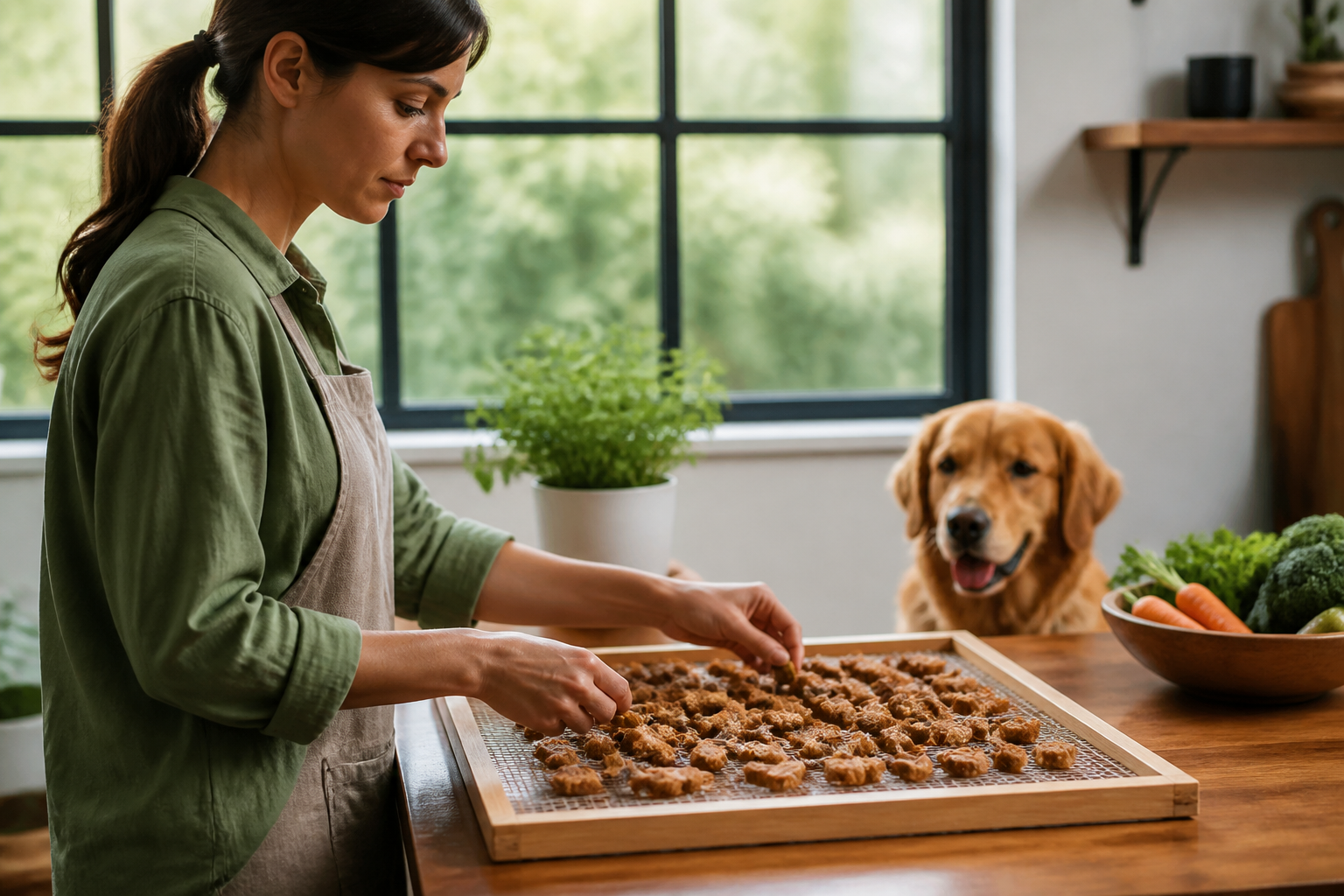
Watching a dog lose interest in their dinner is a common frustration for many pet parents. You might find yourself adding warm water, mixing in wet food, or even hand-feeding just to get them to finish a meal. At BaxterBoo, we often speak with owners who want the nutritional benefits of a raw diet but need the convenience and safety of a shelf-stable option. Air-dried dog food has emerged as a middle ground that provides high-protein, nutrient-dense nutrition without the mess of traditional raw feeding, and you can browse our air-dried dog food collection to see the style in action. This guide will explain the science behind the air-drying process, the benefits of these diets, and how to safely introduce them to your dog. We will also address whether making your own air-dried food at home is a viable option for your household.
Quick Answer: Air-dried dog food is made by circulating warm air around raw ingredients to evaporate moisture slowly at low temperatures. This process preserves natural enzymes and nutrients better than the high-heat cooking used for standard kibble.
What Exactly Is Air-Dried Dog Food
Air-dried dog food is a category of pet nutrition that sits between traditional kibble and raw diets, and it fits naturally alongside our dog food category. Most standard dry foods are made through a process called extrusion. This involves high heat and high pressure to shape and cook the ingredients quickly. While efficient, this heat can sometimes diminish the nutritional value of delicate vitamins and minerals.
Air-drying takes a different approach. It uses a low and slow method to remove water content. The result is a food that has a texture similar to jerky. It is often softer and more pliable than hard kibble but remains shelf-stable at room temperature. This makes it an excellent choice for traveling or for owners who do not have the freezer space required for raw or fresh-frozen diets.
Many high-quality air-dried brands use meat as the primary ingredient. They often include organ meats and bones to mimic a natural canine diet. Because the moisture is removed without extreme heat, the proteins remain closer to their natural state. This often leads to higher digestibility and better absorption of essential amino acids.
How the Air-Drying Process Works
The commercial air-drying process is highly controlled to ensure both nutrition and safety. It is not as simple as leaving meat out in the sun. It requires precise machinery that monitors airflow, humidity, and temperature.
Sourcing and Preparation
The process begins with high-quality raw ingredients. Manufacturers select muscle meat, organs, and sometimes fish. They may also include limited amounts of fruits, vegetables, and superfoods like kelp or green-lipped mussels. These ingredients are ground together and shaped into small pieces or flat sheets.
The Drying Chamber
The prepared food enters a drying chamber. Here, warm air is circulated around the trays. The temperature typically stays between 140 degrees and 180 degrees Fahrenheit. This range is high enough to kill many harmful pathogens but low enough to protect the integrity of the proteins and enzymes.
Evaporation
Over several hours, the moving air draws moisture out of the food. As the water evaporates, the flavors become more concentrated. This is why air-dried food is often so appealing to picky eaters. It smells and tastes like real meat because it is essentially concentrated raw protein.
Cooling and Packaging
Once the moisture level reaches a specific point, the food is cooled. It is then tested for safety and packaged in airtight bags. Because the moisture is so low, bacteria cannot easily grow. This allows the food to stay fresh in your pantry for months without the need for heavy artificial preservatives.
Can You Air Dry Dog Food at Home
Many pet owners wonder if they can replicate this process in their own kitchens. While it is possible to use a home dehydrator or a low-temperature oven, there are significant safety hurdles to consider. Achieving the right balance of temperature and airflow is difficult without professional equipment.
Commercial air-drying chambers are designed to reach every surface of the food simultaneously. In a home environment, you may have "cold spots" where the temperature does not stay high enough to neutralize bacteria like Salmonella or Listeria. This is a major concern when working with raw meats.
If you choose to make air-dried treats at home, it is often safer to stick to single-ingredient items like sweet potato slices or lean chicken breast, or use products from our training treats category. Creating a complete and balanced meal at home is much more complex. It requires precise ratios of vitamins, minerals, and taurine. For daily feeding, most experts recommend choosing a commercially prepared air-dried food that meets AAFCO standards for a complete and balanced diet.
Vet Tip: If you are considering a homemade diet, always consult a board-certified veterinary nutritionist. They can help ensure your recipe meets all of your dog's specific nutritional needs based on their age and health status.
The Benefits of Air-Dried Diets
Choosing air-dried food offers several distinct advantages for both the dog and the owner. Because the food is so calorie-dense, you often feed much less than you would with traditional kibble.
- Maximum Nutrient Retention: Low temperatures keep vitamins and minerals intact.
- High Digestibility: Smaller portions and high-quality proteins lead to less waste in the yard.
- Picky Eater Appeal: The jerky-like texture and intense aroma are highly enticing.
- Convenience: You get raw-adjacent nutrition without the need for thawing or refrigeration.
- Limited Ingredients: Many air-dried formulas have shorter ingredient lists, which is helpful for dogs with sensitivities.
Air-dried food is particularly useful for senior dogs. As dogs age, their sense of smell can decline, leading to a loss of appetite. The strong scent of air-dried meat can encourage them to eat. The softer texture is also easier on older teeth and gums compared to very hard kibble. For more on age-related feeding choices, see our guide to senior dogs and wet versus dry food.
Key Takeaway: Air-dried food provides the nutritional integrity of a raw diet with the storage convenience of kibble, making it a premium choice for picky or sensitive dogs.
Comparing Air-Dried to Other Food Types
It is easy to confuse air-dried food with dehydrated or freeze-dried options. While they all involve removing moisture, the techniques and results differ. Understanding these differences helps you choose the best option for your dog's lifestyle.
| Feature | Air-Dried | Freeze-Dried | Dehydrated |
|---|---|---|---|
| Process | Warm air circulation | Freezing followed by a vacuum | Higher heat drying |
| Texture | Jerky-like and chewy | Light, porous, and crunchy | Often leathery or dry |
| Preparation | Ready to serve | Usually needs rehydration | Often needs rehydration |
| Nutrient Loss | Very low | Minimal | Moderate |
| Shelf Life | Very stable | Very stable | Stable |
If you are comparing similar shelf-stable options, our freeze-dried food selection is a useful place to start. Freeze-dried food is often the most expensive because the process is technologically complex. It results in a very light product that must be mixed with water before serving to prevent dehydration in the dog. Dehydrated food often uses slightly higher heat than air-drying and may involve more processing of the ingredients before they are dried.
Air-dried food is unique because it is ready to eat straight from the bag. You do not have to wait for it to soak in water. This makes it a great option for training rewards or as a topper for dogs that need a little extra motivation at mealtime.
Safety and Health Considerations
While air-dried food is highly nutritious, it is not the right choice for every dog. Because the water content is very low, you must ensure your dog has constant access to fresh water. Dogs that are prone to dehydration or those with certain urinary issues might do better with a high-moisture wet food.
Calorie Density and Weight Management
Air-dried food is very concentrated. A small scoop can contain significantly more calories than a scoop of kibble. It is very easy to overfeed your dog if you use your old measuring cup. Always follow the feeding guidelines on the bag and monitor your dog's weight closely.
For dogs that already struggle with obesity, we carry specialized weight management formulas. Our pet pharmacy can help with prescription-strength options for dogs that require a strict medical diet. If your veterinarian has prescribed a specific food for weight loss or a chronic condition, you can manage those needs easily through our pharmacy services.
Bacterial Concerns
Even though the air-drying process reduces the risk of pathogens, it is not a "kill step" in the same way that high-heat pressure cooking is. Immunocompromised pets or households with very young children or elderly residents should handle air-dried food with care. Always wash your hands after serving and clean your dog's bowl thoroughly after every meal.
How to Feed Air-Dried Dog Food
You do not have to commit to air-dried food as a full meal to see the benefits. Many owners find success using it in different ways depending on their budget and their dog's needs.
As a Complete Meal
If the bag is labeled as "complete and balanced," it can serve as your dog's primary diet. This is a luxury option that provides top-tier nutrition. It is especially popular for small breeds where the daily portion size is small enough to be cost-effective.
As a Food Topper
If a full air-dried diet is outside your budget, try using it as a topper. Sprinkle a handful over your dog's regular kibble, or explore our food topper category. This adds a boost of high-quality protein and makes the meal much more interesting for your pet.
As Training Treats
Because air-dried food is essentially high-quality jerky, it makes a fantastic training reward. It is easy to carry in a treat pouch and does not crumble into a mess. Most dogs value it highly, which helps keep their focus during difficult training sessions.
Step-by-Step Transition Guide
Step 1: Start small.
Mix about 25 percent air-dried food with 75 percent of your dog's current food. Do this for two to three days.
Step 2: Increase the ratio.
Move to a 50/50 mix for the next three days. Watch for any signs of digestive upset like loose stools.
Step 3: Shift the majority.
Mix 75 percent air-dried food with 25 percent of the old food for another three days.
Step 4: Complete the switch.
By day ten, your dog should be ready for a full bowl of air-dried nutrition.
Maintaining Your Dog's Health
Switching to a premium food is a great step toward long-term wellness. However, nutrition is only one piece of the puzzle. Regular veterinary checkups are essential to ensure your dog's diet is supporting their specific needs. This is particularly true for senior dogs or those with underlying health issues. If you want to keep nutrition costs manageable over time, our guide to discounted dog food is a helpful next read.
At BaxterBoo, we aim to be your partner in every stage of pet ownership. Our selection includes over 500 trusted brands, ranging from premium air-dried options like our selection of ZIWI Peak products and our selection of Open Farm products to specialized supplements. If your dog needs support for joint health, skin allergies, or anxiety, our pet pharmacy can fulfill your veterinarian's prescriptions with the convenience of home delivery.
We also offer programs to help you save on the high-quality items your pet needs. Our Autoship programme is perfect for air-dried food, ensuring you never run out of your dog's favorite meal.
You can also earn extra value through the MVP Rewards programme, which provides ongoing rewards and exclusive offers.
Bottom line: Air-dried dog food offers an excellent balance of raw-quality nutrition and pantry-safe convenience for modern pet owners.
Conclusion
Air-drying is a sophisticated way to provide your dog with the benefits of raw meat while maintaining safety and ease of use. By removing moisture at low temperatures, these foods preserve the essential nutrients that high-heat kibble often loses. Whether you use it as a complete meal, a high-value training treat, or a flavorful topper for a picky eater, air-dried food is a versatile addition to your dog's routine. Remember to transition slowly, monitor portion sizes carefully, and ensure your dog stays well-hydrated. For dogs with specific medical requirements or those needing prescription-strength nutrition, our pet pharmacy and Pet's Choice partnership are here to help. Explore our full range of air-dried options in our dog food category to find the perfect fit for your pup's palate.
FAQ
Is air-dried dog food safer than raw food?
Air-dried food is generally considered lower risk than raw food because the drying process reduces the moisture where bacteria thrive. The temperatures used in commercial air-drying are also high enough to neutralize many common pathogens. However, it is still a minimally processed product, so basic hygiene and safe handling are important.
Do I need to add water to air-dried food?
You do not have to add water because the food is designed to be eaten as is. However, adding a bit of warm water or bone broth can enhance the aroma and provide extra hydration. This is often helpful for senior dogs or dogs that do not drink enough water on their own.
How should I store air-dried dog food once the bag is open?
Most air-dried foods should be stored in their original packaging in a cool, dry place. Make sure the seal is tight after every use to prevent the food from becoming too hard or absorbing moisture from the air. Most bags will stay fresh for about four to eight weeks after opening.
Can air-dried food cause weight gain?
Because air-dried food is extremely nutrient-dense and calorie-heavy, it is easy to overfeed. A common mistake is using a standard kibble measuring cup for air-dried portions. Always use a proper scale or the specific measurements recommended on the bag to avoid accidental weight gain in your pet.






