
 Save 15% on your 1st Autoship learn more

 Email us
 Live Chat
 FAQs
FAQs





Introduction
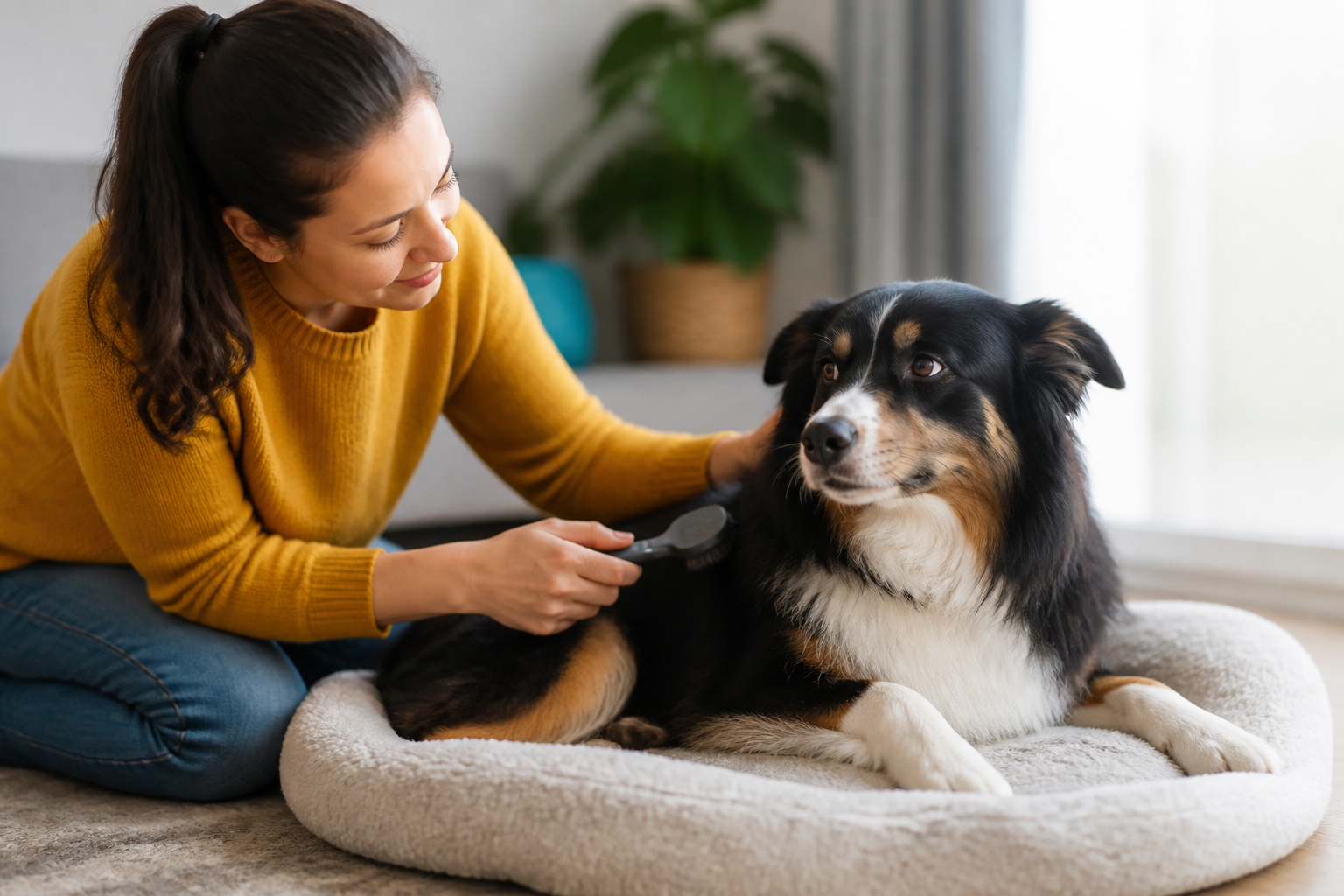
You pull the brush out of the drawer and your dog is already halfway under the couch. Perhaps they growl when you reach for a tangle or simply lead you on a chase around the dining room table. Grooming should be a time for bonding, but for many owners, it feels like a battle of wills. At BaxterBoo, we know that a resistant dog usually has a good reason for their behavior, whether it is past discomfort, sensitive skin, or simple impatience. This post covers how to identify the root of the problem and use gentle desensitization to make grooming easier. You can transform these stressful sessions into a calm routine by following a patient, step-by-step approach focused on trust.
Quick Answer: To brush a dog that hates it, start by using high-value treats to create a positive association with the brush. Use a grooming glove or a soft-bristled tool and keep sessions under two minutes. Slowly build up to longer sessions as your dog becomes more comfortable with being touched.
Identifying Why Your Dog Resists the Brush
Before you can change the behavior, you need to understand the motivation behind it. Dogs rarely act out without a cause. If your dog has had a painful experience with a mat being pulled too hard, they will remember it. Puppies often struggle because they have high energy and find sitting still difficult. Older dogs might have hidden physical reasons for their resistance.
Some dogs have a high level of touch sensitivity. This means certain areas like the paws, tail, or belly feel overwhelming when touched by an object. Other dogs may have skin allergies or irritations that make the sensation of bristles feel like scratching a wound. Observe your dog closely. Do they flinch when you reach for a specific spot? Do they only run away when they see a specific type of metal brush?
Understanding these triggers allows you to adjust your technique. If the issue is fear, you focus on desensitization. If the issue is pain, you may need to change your tools or consult a professional.
Vet Tip: If your senior dog suddenly starts resisting the brush, they may be experiencing joint pain or arthritis. Brushing requires them to stand or hold positions that might be uncomfortable. Consult your veterinarian to see if pain management or a prescription joint support plan from our pet pharmacy could help make grooming more comfortable.
Choosing the Right Grooming Tools
The tool you choose can make or break the experience. Many owners start with a slicker brush because it is common. However, the fine wire bristles can be sharp if used with too much pressure. For a dog that is already fearful, a metal brush can feel like a threat.
The Grooming Glove
A grooming glove or mitt is often the best starting point. These fit over your hand and use soft rubber nubs to collect loose hair. Since it feels like you are simply petting your dog, it is much less intimidating. It removes the "scary object" factor from the equation.
Soft Bristle Brushes
Once your dog accepts the glove, move to a brush with very soft, natural bristles. These are designed to smooth the coat and distribute oils rather than pull out deep tangles. They provide a massage-like sensation that helps your dog relax. Browse our dog brushes and combs to compare gentle grooming options.
Silicone or Rubber Brushes
Tools made of silicone or rubber are excellent for short-haired breeds. They are flexible and gentle on the skin. They do not have sharp points that could scratch or poke.
Detangling Sprays
Never try to brush through a dry mat. This pulls on the skin and causes immediate pain. Using a high-quality detangling spray helps the brush slide through the fur. This reduces the amount of time you have to spend on a single spot.
Key Takeaway: Start with the gentlest tool possible, like a grooming glove, to build trust before moving to more traditional brushes.
The Step-by-Step Desensitization Process
You cannot rush a fearful dog. If you force the session, you reinforce their fear. The goal is to move so slowly that your dog never feels the need to run away. We carry a wide variety of tools at BaxterBoo to help with this transition, but the most important tool is your patience.
Step 1: The introduction phase.
Place the brush on the floor. Let your dog sniff it. Every time they look at or sniff the brush, give them a high-value treat. Do this for several days until they get excited when the brush appears.
Step 2: The touch phase.
Hold the brush in one hand and a treat in the other. Briefly touch the back of the brush to your dog's shoulder. Do not use the bristles yet. Feed the treat immediately. Repeat this until they are comfortable with the object touching their body.
Step 3: The first stroke.
Turn the brush over and do one very light stroke in an area your dog likes being petted, such as the back or chest. Give a treat and end the session. It may feel like you are not getting anything done, but you are building a foundation.
Step 4: Increasing the duration.
Slowly add more strokes. Move from the back to the sides. Leave the sensitive areas like the legs and tail for last. Always end the session while your dog is still calm and happy.
- Keep sessions under two minutes at first.
- Use treats that your dog only gets during grooming.
- Stop immediately if your dog shows signs of stress like lip licking or yawning.
- Always reward the behavior you want to see.
For additional ideas about creating positive routines around pet care, read these tips for making dog bathing a calmer experience.
Creating a Calm Grooming Environment
The environment plays a huge role in how your dog reacts. If the house is loud or there are other pets running around, your dog will be on edge. Choose a quiet time of day when the household is settled.
Using a non-slip surface is essential. Dogs feel vulnerable when they cannot get their footing. If you are brushing them on a wooden floor or a slick countertop, they may panic. Place a yoga mat or a heavy towel down so they feel secure.
You can also use a distraction. A lick mat smeared with peanut butter or plain yogurt can keep a dog occupied while you work on their coat. This shifts their focus from the brush to the reward. It also keeps their head in one position, making it easier for you to reach their neck and shoulders.
Bottom line: A calm environment and a steady footing help your dog feel safe enough to relax during grooming.
Managing Mats and Tangles Without Pain
Mats are the primary reason grooming becomes a painful chore. When hair clumps together, it pulls tightly against the skin. If you try to yank a brush through a mat, you are essentially pinching your dog's skin with every stroke.
If you find a mat, do not try to brush it out from the top down. Hold the base of the hair near the skin with your fingers. This prevents the brush from pulling on the skin itself. Use a wide-tooth comb or a specific de-matting tool to gently pick at the mat from the ends of the hair moving inward. Our grooming collection includes brushes, combs, detanglers, and other coat-care supplies.
If a mat is too tight, it is better to cut it out or have a professional shave it. Safety is more important than a perfect haircut. If your dog has frequent mats, it may be a sign that their coat needs more moisture or a different type of food. Our pharmacy and wellness section offers supplements that support skin and coat health, which can make the hair less prone to tangling.
- Check for mats daily by running your fingers through the fur.
- Focus on "friction areas" like behind the ears and under the armpits.
- Use a detangling spray before you begin.
- Never use scissors near the skin if your dog is wiggling.
Addressing Anxiety and Physical Discomfort
Sometimes, the fear of grooming is tied to general anxiety. If your dog is a rescue with an unknown history, they may have deep-seated fears of being handled. In these cases, training alone might not be enough to bridge the gap.
We partner with Pet's Choice to provide access to a full pharmacy for our customers. Through our pet pharmacy, you can find FDA-approved medications that help manage situational anxiety. If your dog is truly terrified, your vet might suggest a mild sedative or anti-anxiety medication to help them stay calm while you work on desensitization.
For older dogs, physical discomfort is the most common hurdle. If a dog has hip dysplasia or stiff joints, standing on a hard surface for twenty minutes is painful. You may need to brush them while they are lying down. Keeping sessions very short and focusing on one quadrant of the body per day can also help. For more information about aging-related discomfort, explore this guide to dog arthritis and pain management.
Vet Tip: If your dog displays extreme fear, such as trembling, panting, or snapping, stop the session. Forced grooming can lead to a bite. Discuss a behavioral plan with a veterinarian or a certified trainer to ensure everyone stays safe.
When to Call a Professional
There is no shame in admitting that your dog's grooming needs are beyond what you can handle at home. If your dog has become aggressive or if their coat is severely matted to the skin, a professional groomer is the safest option. Professionals have specialized equipment like grooming tables with restraints and high-velocity dryers that can handle tough coats quickly.
When looking for a groomer for a fearful dog, ask if they offer "express" or "fear-free" appointments. These sessions are designed to get the dog in and out as fast as possible to minimize stress. Some groomers will even allow you to stay for the first few visits to help keep your dog calm.
Working with a professional does not mean you should stop your home training. You should still practice the touch and reward steps daily. This makes the professional visits easier for your dog and the groomer.
Conclusion
Teaching a dog to enjoy or even tolerate brushing takes time, but the effort is worth it for their health and your sanity. By choosing the right tools, moving slowly through the training steps, and keeping the environment calm, you can move past the struggle. We are here to support you with everything from grooming gloves to professional-grade combs. Our pharmacy can help with the underlying issues like anxiety or joint pain that might be making the process harder than it needs to be. Start small, stay consistent, and remember that every positive interaction builds a stronger bond with your pet. To find the best tools for your specific breed, visit our grooming category and consider signing up for our Autoship programme to keep your favorite detanglers and treats always on hand.
FAQ
How often should I try to brush my dog if they hate it?
You should aim for very short sessions every single day. Frequency is more important than duration when you are trying to change a behavior. Brushing for just sixty seconds every evening helps your dog realize that the brush is a normal, non-threatening part of their daily life.
Can I use human hair brushes on my dog?
It is generally better to use brushes designed specifically for pets. Human brushes often have bristles that are too close together or tips that are too hard for a dog's skin. Specialized pet tools are shaped to reach through different coat types without causing irritation or scratching the skin surface.
What should I do if my dog tries to bite the brush?
If your dog snaps at the brush, it is a clear sign they are over their stress threshold. Stop the session immediately and give them space. You will need to go back several steps in the desensitization process, perhaps starting with just having the brush in the same room while they eat their dinner.
Why does my dog like being petted but hate being brushed?
The sensation of a brush is much more concentrated than the touch of a human hand. Brushes can also pull on tangles or tickle sensitive areas in a way that fingers do not. Additionally, the brush is an inanimate object that the dog does not naturally understand, which can trigger a fear response.






