
 Save 15% on your 1st Autoship learn more

 Email us
 Live Chat
 FAQs
FAQs





Introduction
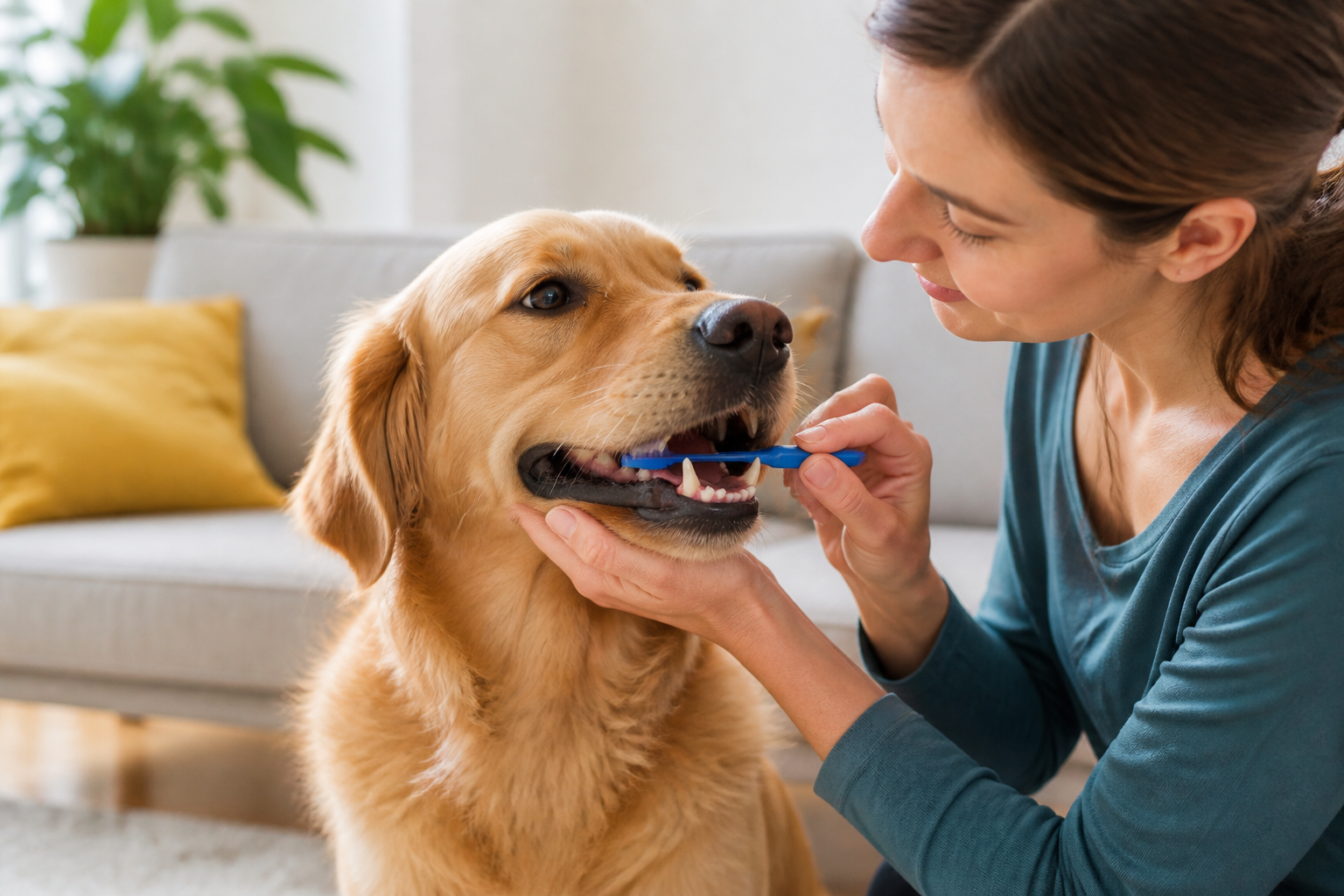
You are relaxing on the couch with your dog when they lean in for a friendly lick. Instead of a happy moment, you are met with a wave of breath that smells less like kibble and more like a swamp. When you lift their lip, you see a thin film of yellowish material near the gums. This is the moment most pet owners realize that dental hygiene is not just a luxury. It is a vital part of daily care. At BaxterBoo, we know that looking into your dog's mouth can be intimidating. You might wonder if you can handle the brushing yourself or if you need professional help. This post covers everything from the basics of plaque formation to the tools you need for an effective home routine. By understanding how to manage oral bacteria, you can keep your dog's smile bright and their body healthy.
Understanding the Difference Between Plaque and Tartar
Before you can clean your dog's teeth effectively, you must understand what you are fighting. Many people use the terms plaque and tartar interchangeably, but they are very different substances. Plaque is a sticky, colorless film of bacteria and food particles that constantly forms on the teeth. It begins to develop only a few hours after your dog eats. Because it is soft, you can remove it with a toothbrush or a dental wipe.
If plaque is not removed, it reacts with the minerals in your dog's saliva. This chemical reaction causes the plaque to harden into tartar, which is also known as calculus. Tartar is typically yellow or brown and has a rough, porous texture. Unlike plaque, tartar is incredibly hard and bonds strongly to the tooth enamel.
Quick Answer: You can remove plaque at home through daily brushing and mechanical cleaning. However, once plaque hardens into tartar, only a professional veterinary cleaning under anesthesia can safely remove it.
Once tartar forms, it acts as a magnet for more plaque. The rough surface gives bacteria a perfect place to hide and multiply. This cycle eventually leads to inflammation of the gums. If you see a red line where the tooth meets the gum, your dog is likely experiencing the early stages of gingivitis.
For additional guidance on warning signs, read our article about bad teeth in dogs and what to do.
Why Cleaning Plaque is Vital for Overall Health
Cleaning plaque is about more than just fresh breath. The mouth is the gateway to the rest of the body. When bacteria flourish in the mouth, they do not stay there. They can enter the bloodstream through inflamed gum tissue. This process allows bacteria to travel to major organs, including the heart, kidneys, and liver.
Chronic oral inflammation puts a constant strain on your dog's immune system. Over time, this can lead to serious health complications that go far beyond a few loose teeth. Periodontal disease is one of the most common reasons for vet visits in adult dogs. By the age of three, a large majority of dogs show some sign of dental disease. Regular cleaning at home is the best way to prevent these systemic issues.
Key Takeaway: Consistent plaque removal protects your dog from painful infections and long term damage to their internal organs.
The Essential Tools for Dog Dental Care
You do not need a vast array of expensive equipment to start a dental routine. You do need tools specifically designed for canine mouths. Human products are often dangerous or ineffective for dogs.
For brushing supplies, explore our dog dental care category.
Choosing the Right Toothbrush
There are several styles of brushes available depending on your dog's size and comfort level.
- Finger brushes: These are small rubber or silicone caps that fit over your pointer finger. They are great for puppies or dogs that are nervous about long objects in their mouth.
- Double headed brushes: These have bristles on both sides. They allow you to clean the top and sides of the teeth at the same time.
- Long handled brushes: These look like human toothbrushes but have an angled neck. This helps you reach the back molars where plaque often hides.
The Importance of Dog Specific Toothpaste
Never use human toothpaste on your dog. Most human toothpastes contain fluoride and foaming agents like sodium lauryl sulfate. Dogs cannot spit, and swallowing these ingredients can cause severe stomach upset. Many human pastes also contain xylitol, which is a sweetener that is highly toxic to dogs.
Canine toothpaste is enzymatic. This means it contains enzymes that help break down food particles and bacteria chemically. It also comes in flavors that dogs actually enjoy, such as poultry, beef, or peanut butter. This makes the experience feel more like a treat and less like a chore.
A pet-safe option is Virbac C.E.T. Enzymatic Pet Toothpaste, which is designed for dogs and cats.
How to Brush Your Dog's Teeth Step by Step
Brushing is the most effective way to remove plaque. However, most dogs will not let you scrub their teeth immediately. You have to build trust and move slowly.
Step 1: Get them used to the taste. / Let your dog lick a small amount of enzymatic toothpaste off your finger. Do this for a few days without trying to touch their mouth.
Step 2: Practice lip lifting. / Gently lift your dog's lips to expose their teeth and gums. Give them a small treat and praise. This gets them comfortable with you handling their mouth.
Step 3: Introduce the brush. / Put some toothpaste on the brush and let them lick it. This creates a positive association with the tool itself.
Step 4: Start with the front teeth. / Gently brush the large canine teeth in the front. Use a circular motion and focus on the gum line. Only brush for a few seconds before giving a reward.
Step 5: Move to the back molars. / Once they are comfortable, slide the brush further back. The outside of the upper molars is where the most tartar usually builds up. You do not need to worry about the inside surface of the teeth as much because the tongue helps keep that area clean.
For more brushing guidance, review these pet dental care tips for building a routine.
Vet Tip: If your dog becomes stressed or tries to pull away, stop immediately. It is better to have a short, positive session than a long, stressful one. Always end on a high note with praise.
Alternatives for Dogs Who Hate Brushing
Some dogs simply will not tolerate a toothbrush. If you have an older dog with a sensitive mouth or a rescue dog with a fear of handling, you have other options. While these are not as effective as brushing, they are much better than doing nothing.
Dental Wipes
Dental wipes are textured pads treated with antiseptic or enzymatic solutions. You wrap the wipe around your finger and rub it over the surface of the teeth. This provides the mechanical friction needed to disturb the plaque film. Wipes are often easier for dogs to accept because they feel like a natural part of petting.
Water Additives
Water additives are liquid solutions you pour into your dog's water bowl. They contain ingredients that help kill bacteria in the mouth and freshen breath. They are a "passive" cleaning method. They work every time your dog takes a drink. Look for products that have the VOHC seal of approval.
For a brush-free option, consider OxyFresh Pet Dental Water Additive.
Dental Sprays
Sprays work similarly to additives but are applied directly to the teeth and gums. They help break down the protein pellicle that plaque sticks to. Most sprays require you to keep food and water away for thirty minutes after application to be effective.
The Role of Dental Chews and Toys
Chewing is a natural behavior that provides significant dental benefits. When a dog chews on a firm object, the physical scraping action helps rub plaque away. This is often called "mechanical scrubbing."
Our guide to the best dental chews for dogs offers another way to compare chew options.
Selecting VOHC Approved Chews
The Veterinary Oral Health Council (VOHC) awards its seal to products that meet strict standards for plaque and tartar reduction. When shopping for dental treats, look for this seal. These products have been tested to prove they actually work.
Safe Materials for Dental Toys
Not all toys are good for teeth. Avoid items that are too hard, such as real bones, antlers, or thick nylon toys. These can cause slab fractures in the teeth. A good rule of thumb is the "fingernail test." If you cannot indent the toy with your thumbnail, it is likely too hard for your dog's teeth.
- Rubber toys with ridges: These massage the gums and scrape the teeth.
- Rope toys: The fibers act like floss as the dog chews.
- Enzymatic dental sticks: These provide both mechanical scraping and chemical plaque fighting.
For edible options, browse our dental chews and treats.
Bottom line: Dental chews are a great supplement to a cleaning routine, but they cannot reach every crevice like a toothbrush can.
Managing Senior Dog Dental Needs
As dogs age, their dental needs become more complex. Senior dogs are more likely to have existing tartar buildup, receding gums, or loose teeth. Brushing a senior dog's teeth requires extra gentleness.
If you notice your older dog is dropping food, chewing on one side of their mouth, or avoiding hard treats, they may have dental pain. In these cases, you should stop home cleaning and visit a veterinarian. They may need a professional cleaning or extractions before you can resume a home routine.
Once their mouth is healthy, maintaining a daily routine is even more critical for seniors. Their immune systems are less robust, making them more susceptible to the systemic infections caused by oral bacteria. We carry a wide range of senior specific supplies at BaxterBoo to help you care for your aging friend comfortably.
When to Seek Professional Veterinary Help
Home care is preventative. It is not a cure for established dental disease. You should consult your veterinarian if you notice any of the following symptoms:
- Persistent bad breath that does not improve with brushing.
- Bleeding gums or blood on chew toys.
- Visible yellow or brown buildup that feels hard like a rock.
- Loose, broken, or missing teeth.
- Lumps or bumps on the gums or under the tongue.
Your vet may recommend a professional dental cleaning under anesthesia. During this procedure, the vet uses ultrasonic scales to remove tartar from above and below the gum line. They can also take X-rays to see if there is any bone loss or infection hidden beneath the surface.
Our pet pharmacy provides access to FDA approved medications through our partnership with Pet's Choice. If your vet discovers an infection or prescribes a specific dental diet for a condition like periodontal disease, we can help fulfill those needs. Professional care provides the clean slate you need to make your home brushing routine successful.
Creating a Consistent Dental Schedule
The biggest challenge in cleaning a dog's teeth is consistency. Plaque begins to mineralize into tartar within twenty four to forty eight hours. This means that brushing once a week is not enough. You should aim for a daily routine.
Try to link tooth brushing to another habit you already have. For example, brush your dog's teeth right after you brush your own at night. Or, make it the last thing you do before they get their final evening treat. When it becomes part of the daily flow, you are much less likely to forget.
For repeat dental-care purchases, our Autoship programme can help make regular deliveries easier to manage.
Monthly Mouth Inspections
Once a month, do a thorough check of your dog's mouth. Look for changes in gum color or new spots of tartar. Check the back molars carefully, as these are the most common areas for problems to start. Taking a photo of their teeth can help you track progress and identify new issues quickly.
Key Takeaway: Daily action is more important than a "deep clean" once a month. Short, daily sessions are the most effective way to prevent plaque from becoming tartar.
Professional Diets for Oral Health
In some cases, your veterinarian might recommend a prescription dental diet. These kibbles are specifically engineered to be larger and more fibrous than standard food. Instead of crumbling immediately when bitten, the kibble stays intact longer. This allows the tooth to sink into the kibble, scraping plaque away as your dog chews.
Some of these diets also contain polyphosphates. These minerals bind to the calcium in saliva, preventing it from being used to harden plaque into tartar. These diets are often available through the BaxterBoo pharmacy with a valid prescription from your vet. They are a powerful tool for dogs who are genetically predisposed to heavy tartar buildup.
Common Mistakes to Avoid
Even well intentioned pet owners can make mistakes when starting a dental routine. Being aware of these pitfalls can save you and your dog a lot of frustration.
- Using a human toothbrush: The heads are often too large and the bristles too stiff for a dog's sensitive gums.
- Rushing the process: If you try to brush every tooth on day one, your dog will likely hide the next time they see the brush.
- Ignoring the gum line: Plaque causes the most damage at the point where the tooth meets the gum. Focus your efforts there rather than just the tips of the teeth.
- Assuming chews are enough: Many owners think a daily dental stick replaces brushing. While helpful, chews rarely clean the front teeth or the very back molars effectively.
Vet Tip: Always supervise your dog when they are using dental chews. Some dogs try to swallow large pieces, which can lead to choking or intestinal blockages. Choose a size appropriate for your dog's weight.
Conclusion
Cleaning your dog's teeth might feel like a daunting task at first, but it is one of the kindest things you can do for their long term health. By removing plaque daily, you prevent the pain of gum disease and the risk of serious systemic infections. Whether you use a traditional brush, dental wipes, or water additives, the most important factor is staying consistent. Start slowly, use positive reinforcement, and keep the sessions short. Our team at BaxterBoo is here to support you with the right brushes, pastes, and VOHC approved treats to make the process easier. If you notice signs of advanced tartar or gum inflammation, remember to talk to your vet about a professional cleaning or prescription options through our pharmacy.
FAQ
Can I use baking soda to clean my dog's teeth?
While baking soda is not toxic, it has a very salty and unpleasant taste that may cause your dog to dislike the brushing process. It is also quite abrasive and can damage the tooth enamel if used too frequently. It is much better to use a flavored enzymatic toothpaste that your dog will enjoy.
How long does it take for plaque to turn into tartar on a dog's teeth?
Plaque can start to harden into tartar in as little as twenty four to forty eight hours. This is why daily brushing is the gold standard for pet dental care. If you miss more than a couple of days, the soft plaque may already be calcifying into hard tartar that cannot be brushed away.
Why does my dog's breath still smell bad after I brush their teeth?
If your dog's breath remains foul after brushing, there may be tartar or infection hidden beneath the gum line where a brush cannot reach. It could also indicate an underlying health issue in the digestive tract or kidneys. You should schedule a veterinary exam to rule out periodontal disease or other medical conditions.
My dog's gums bleed a little when I brush. Should I stop?
A small amount of bleeding can be a sign of early gingivitis, which means the gums are inflamed. You should continue to brush very gently to remove the bacteria causing the inflammation. However, if the bleeding is heavy or persistent, stop brushing and consult your vet, as your dog may have more advanced dental disease.






