
 Save 15% on your 1st Autoship learn more

 Email us
 Live Chat
 FAQs
FAQs





Introduction
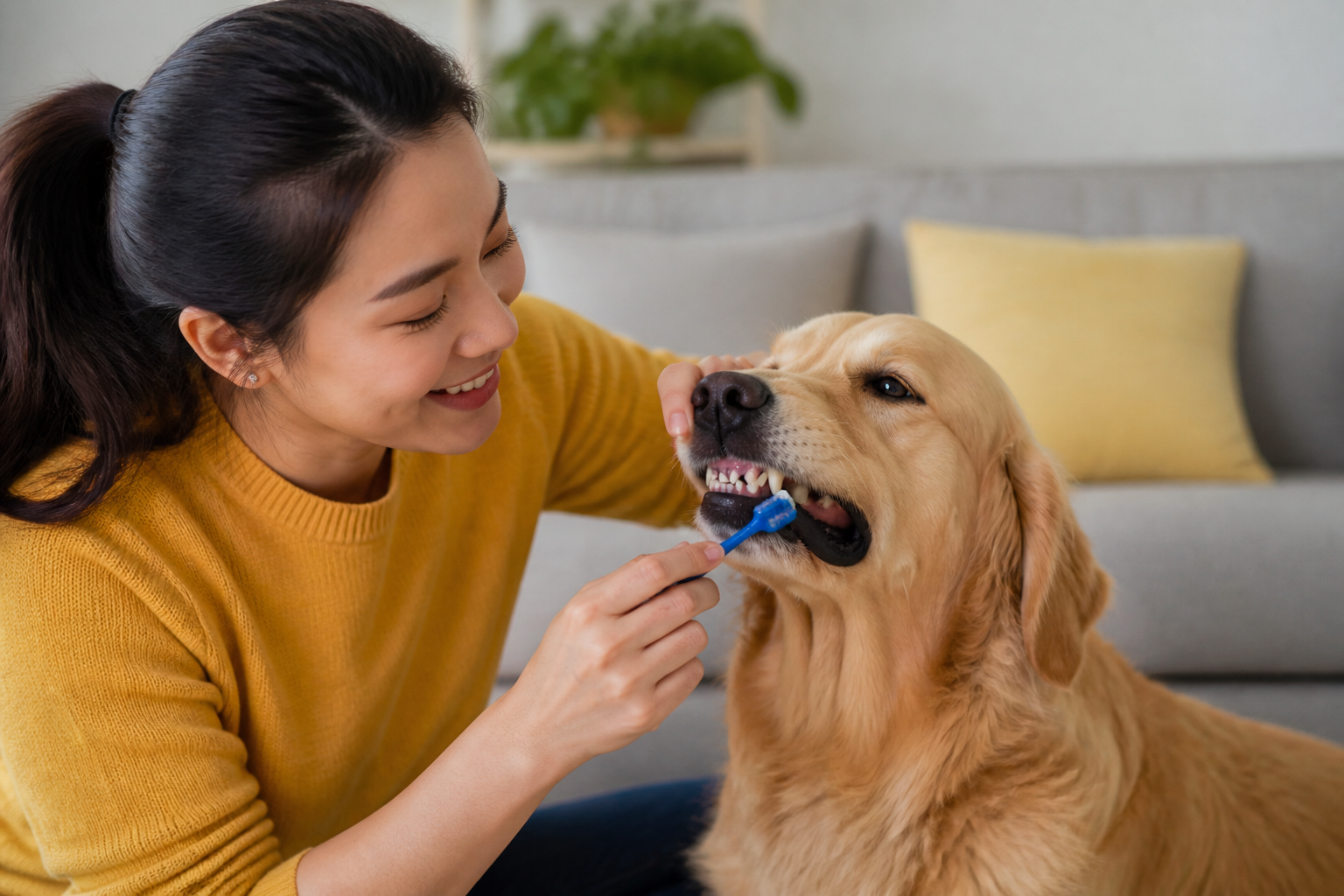
You are relaxing on the couch when your dog leans in for a friendly nuzzle. Suddenly, a wave of bad breath hits you. It is more than just a minor nuisance. Foul odors often signal that bacteria are taking up residence in your dog's mouth. At BaxterBoo, we know that dental hygiene is one of the most overlooked parts of pet ownership. Many owners feel overwhelmed by the idea of brushing a wiggly dog's teeth. This guide explains how to clean my dog teeth at home with minimal stress. We will cover the best tools for the job, step by step instructions for brushing, and when it is time to call the veterinarian. Establishing a solid oral care routine is the best way to ensure your dog stays healthy and happy for years to come.
Quick Answer: Cleaning your dog's teeth involves using a pet-safe toothbrush and enzymatic toothpaste to gently scrub away plaque. Aim for daily brushing or at least three times per week. For dogs that resist brushing, dental wipes, water additives, and VOHC-approved chews provide helpful support.
Why Home Dental Care Is Non-Negotiable
Dental disease is one of the most common health issues seen by veterinarians today. It usually starts with plaque. This is a sticky film of bacteria that forms on the teeth within hours of eating. If you do not remove it, plaque reacts with minerals in the saliva to become tartar. Tartar is a hard, brownish substance that sticks to the tooth surface. You cannot brush tartar away. Once it forms, it requires a professional cleaning under anesthesia.
When tartar builds up, it starts to push under the gum line. This causes inflammation known as gingivitis. If left untreated, it progresses to periodontal disease. This can lead to tooth loss, painful abscesses, and even systemic health issues. Bacteria from the mouth can enter the bloodstream and affect the heart, liver, and kidneys. For additional guidance on warning signs, read about signs of bad teeth in dogs.
Key Takeaway: Consistent home care prevents plaque from turning into tartar. This simple habit protects your dog from pain and reduces the risk of serious internal health complications.
Essential Supplies for Cleaning Dog Teeth
You cannot use the same products you use for your own teeth. Human toothpaste often contains xylitol, which is a sweetener that is highly toxic to dogs. It also contains foaming agents that can upset a dog's stomach if swallowed. Our dog dental care collection includes toothbrushes, toothpaste, chews, wipes, and water additives for at-home routines.
Choosing the Right Toothbrush
There are several options depending on your dog's size and comfort level.
- Finger Brushes: These are small rubber caps with soft bristles that fit over your pointer finger. They give you excellent control and are great for puppies or small dogs.
- Double-Headed Brushes: These have long handles and two sets of bristles. They allow you to clean the front and back of the teeth at the same time.
- Soft-Bristled Human Brushes: A soft toddler toothbrush can work well for smaller breeds if you are in a pinch.
Selecting Pet Toothpaste
Pet toothpaste is designed to be swallowed. It comes in flavors that dogs actually enjoy, such as poultry, beef, or peanut butter. Most formulas are enzymatic. This means they contain proteins that help break down food particles and bacteria even after you finish brushing. We carry a wide range of flavored pastes at BaxterBoo to make the experience more like a treat than a chore. A pet-safe option is Virbac C.E.T. Enzymatic Pet Toothpaste.
Dental Wipes and Sprays
If your dog absolutely refuses a brush, dental wipes are a good middle ground. You wrap the wipe around your finger and rub it over the surface of the teeth. While they do not reach into the crevices as well as bristles, they are much better than doing nothing at all.
Step-by-Step: How to Clean My Dog Teeth
The goal is to make this a positive experience. If you rush, your dog will learn to hide when the toothbrush comes out. Take your time and use plenty of praise.
Step 1: Get your dog used to mouth handling. / Spend a few days just lifting your dog's lips and touching their teeth with your finger. Give them a small treat afterward.
Step 2: Introduce the toothpaste. / Put a small dab of pet toothpaste on your finger. Let your dog lick it off so they associate the flavor with something good.
Step 3: Introduce the brush. / Put some paste on the brush and let your dog lick it. Gently rub the bristles against the front teeth for just a few seconds.
Step 4: Use circular motions. / Once your dog is comfortable, start brushing in small circles. Focus on the outside of the teeth near the cheek. This is where most plaque accumulates.
Step 5: Reward and repeat. / Finish the session with a favorite toy or a healthy treat. Aim to add a few more teeth to the routine each day until you can do the whole mouth. For more brushing guidance, review these pet dental care tips.
Vet Tip: If your dog becomes aggressive or extremely fearful during brushing, stop immediately. Never force the process. Consult your veterinarian for professional advice or to check if your dog already has painful dental issues that make brushing uncomfortable.
Overcoming Brushing Resistance
Not every dog will sit still for a dental exam. If you have a rescue dog or an older pet who has never had their teeth cleaned, they might be skeptical.
Start by choosing a time when your dog is calm. A post-walk session is often better than trying to brush when they are full of energy. Position yourself so you are not looming over them, which can feel threatening. Many owners find it easier to sit behind the dog or have the dog's head resting in their lap.
If your dog struggles, keep your sessions very short. Even thirty seconds of brushing is a win. You do not need to worry about the inside of the teeth near the tongue as much. A dog's tongue does a decent job of keeping those surfaces clean. Focus your energy on the upper back molars and the canines.
Alternatives and Supplements for Oral Health
Brushing is the gold standard, but it is not the only tool available. You can supplement your routine with products designed to fight plaque throughout the day.
Dental Chews and Treats
Brands like Greenies or RedBarn offer dental chews designed to scrape the teeth as the dog bites down. Look for the Veterinary Oral Health Council (VOHC) seal on the packaging. This seal means the product has been tested and proven to reduce plaque or tartar. You can also explore dental chews for dogs for additional ideas.
Water Additives
These are tasteless liquids you add to your dog's water bowl. They contain enzymes or mild antiseptics that help kill bacteria in the mouth. This is an excellent "set it and forget it" option for busy owners or dogs who won't tolerate handling. One example is Virbac C.E.T. Aquadent FR3SH Dental Solution.
Dental Diets
If your dog is prone to rapid tartar buildup, your vet might recommend a specific dental diet. These kibbles are usually larger and have a fibrous texture that does not crumble immediately. This forces the dog to chew, which provides a mechanical cleaning action. We offer several premium options, including Farmina and Royal Canin, which are formulated to support dental health.
Bottom line: A multi-pronged approach using brushing, chews, and water additives provides the best protection against dental disease.
Recognizing the Signs of Dental Disease
Even with the best home care, problems can still arise. You should check your dog's mouth once a week for any changes. If you notice any of the following, it is time for a veterinary visit.
- Persistent bad breath: A slight "doggy" smell is normal, but a truly foul or sweet odor is not.
- Red or bleeding gums: Healthy gums should be a pale pink. Bright red or bleeding edges indicate inflammation.
- Yellow or brown deposits: This is tartar, and it needs professional removal.
- Difficulty eating: If your dog drops food, winces while chewing, or suddenly prefers wet food over kibble, they may have a painful tooth.
- Excessive drooling: New or unusual drooling can be a sign of an oral infection.
- Loose or missing teeth: This is a sign of advanced periodontal disease.
Professional Care and the Pharmacy
Home cleaning is about prevention, but professional care is about treatment. Once tartar has hardened onto the teeth, no amount of brushing will remove it. A professional veterinary dental cleaning is a medical procedure.
Your vet will perform the cleaning while your dog is under general anesthesia. This is the only way to safely clean under the gum line and take dental X-rays. X-rays are vital because most dental disease happens below the surface where you cannot see it. A tooth might look fine but have a rotted root that is causing significant pain.
If your vet discovers an infection or needs to extract a tooth, they will often prescribe medications. Our pet pharmacy is a convenient resource for these needs. Through our partnership with Pet's Choice, we offer FDA-approved antibiotics, pain relievers, and prescription dental diets. Having access to a real pharmacy means you can get the exact medications your vet recommends delivered right to your door.
| Feature | Home Cleaning | Professional Cleaning |
|---|---|---|
| Frequency | Daily or 3x per week | Typically once a year |
| Purpose | Prevents plaque buildup | Removes tartar and treats disease |
| Anesthesia | None required | Required for safety and depth |
| Cost | Very low (supplies only) | Moderate (medical procedure) |
| Tool Type | Soft brush, wipes, paste | Ultrasonic scalers, X-rays |
The Role of Nutrition in Dental Health
What your dog eats plays a role in how fast plaque forms. While some people believe that all dry kibble cleans teeth, that is not entirely true. Most kibble is small enough that dogs swallow it whole or it shatters easily.
However, high-quality nutrition supports the immune system, which helps the body fight off oral infections. We carry brands like The Honest Kitchen, Stella and Chewy's, and Open Farm that focus on whole-food ingredients. A healthy dog with a strong immune system is less likely to suffer from severe gum inflammation.
If your dog is already managing a health condition like kidney disease or allergies, dental health becomes even more critical. Infections in the mouth put extra stress on the body. Using the right supplements can help. Products like Cosequin support overall wellness, while specific dental supplements can target the mouth's microbiome.
Making Dental Care a Habit
The hardest part of dental care is remembering to do it. Try to link it to an existing habit. You could brush your dog's teeth right after you brush your own at night. Or, keep the toothbrush by the treats and make it a rule that they get their favorite biscuit only after a quick cleaning.
Consistency matters more than perfection. If you can only manage a few teeth today, that is fine. Over time, those thirty-second sessions add up to a much healthier mouth. At our Vernon Hills warehouse, we talk to owners every day who have seen a massive difference in their dog's energy and breath just by starting a simple brushing routine.
Key Takeaway: You do not need to be a professional to improve your dog's oral health. Small, daily efforts are the most effective way to prevent expensive and painful dental procedures later.
Conclusion
Learning how to clean my dog teeth is a gift to your pet. It prevents pain, keeps their breath fresh, and can even extend their life. By choosing the right tools and moving at your dog's pace, you can turn a potential struggle into a bonding moment. Remember that home care works best when paired with professional veterinary exams. If you notice signs of trouble like red gums or heavy tartar, do not wait to seek help. Our team is here to support you with expertly curated supplies and a full-service pharmacy for any prescription needs.
- Start slow with flavored pet toothpaste.
- Use VOHC-approved chews as a supplement.
- Monitor your dog's mouth weekly for changes.
- Schedule annual professional cleanings.
Our pharmacy, in partnership with Pet's Choice, is ready to help with any prescription dental diets or medications your vet may recommend. Visit our dog dental care category today to find the perfect toothbrush and paste for your dog's needs.
FAQ
Can I use baking soda to clean my dog's teeth?
No, you should avoid using baking soda. While it is a common home remedy for humans, baking soda has a high alkaline content that can upset your dog's stomach if swallowed. It also lacks the appealing flavors that make dogs cooperate during brushing. It is much safer and more effective to use a specially formulated enzymatic pet toothpaste.
How often do I really need to brush my dog's teeth?
For the best results, you should aim to brush your dog's teeth every single day. Plaque begins to turn into tartar in as little as 24 to 48 hours. If daily brushing is not possible, try to do it at least three times a week. This frequency is usually enough to significantly slow down the accumulation of tartar and protect the gums.
My dog's gums bleed a little when I brush. Is this normal?
Minor bleeding can occur if your dog has early-stage gingivitis, as the gum tissue is sensitive and inflamed. However, if the bleeding is heavy or persistent, you should stop brushing and consult your veterinarian. Bleeding gums are often a sign that your dog needs a professional cleaning to remove tartar from beneath the gum line.
Do dental chews work as well as brushing?
While dental chews are a helpful tool, they are not a complete replacement for brushing. Chews mostly clean the chewing surfaces of the teeth and can miss the area right at the gum line where periodontal disease starts. Think of dental chews as a supplement to a regular brushing routine rather than a substitute for it.






