
 Save 15% on your 1st Autoship learn more

 Email us
 Live Chat
 FAQs
FAQs





Introduction
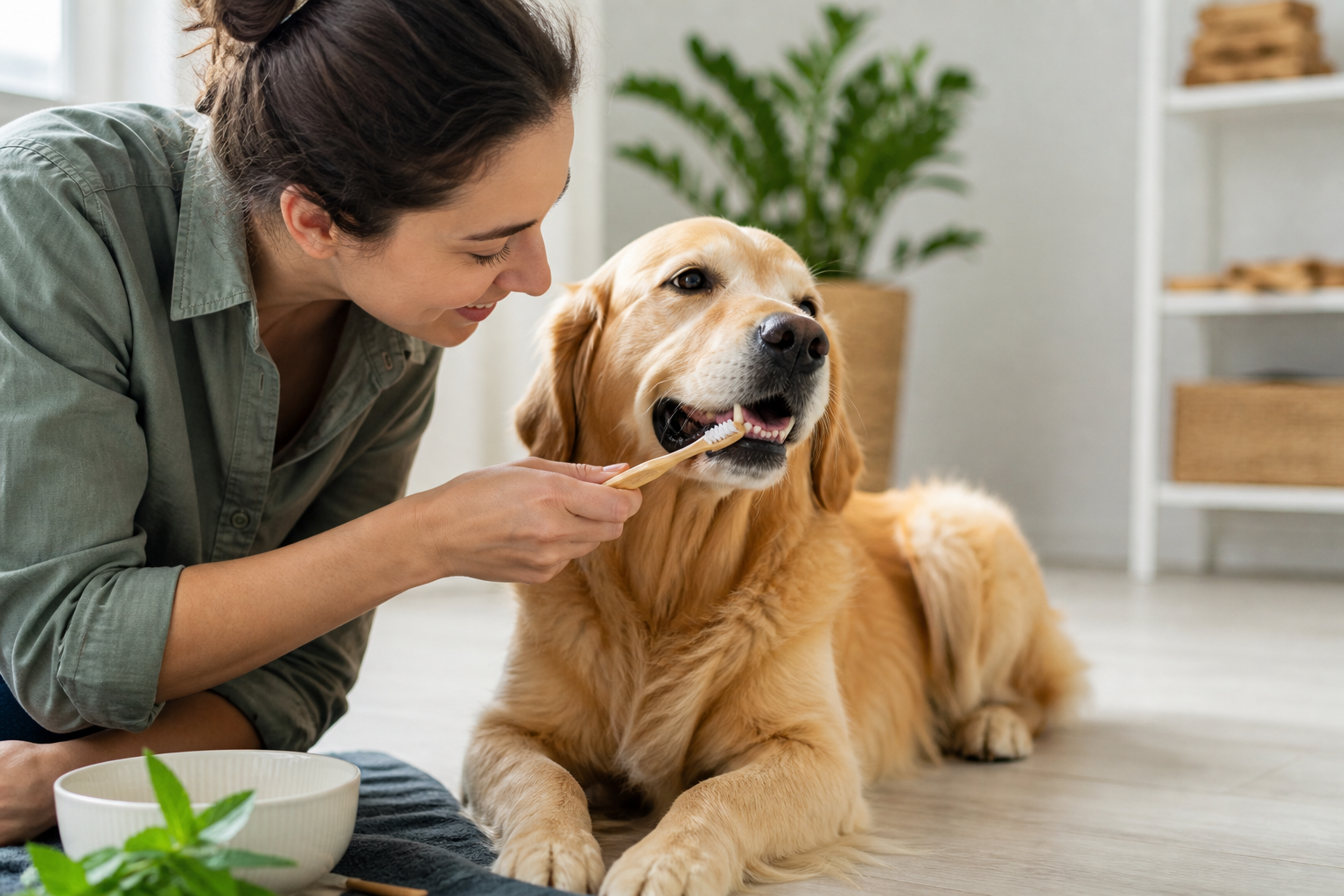
You lean in for a happy morning lick from your dog and realize their breath is anything but fresh. It is that distinctive, metallic, or stale scent that often signals plaque buildup or the start of tartar. While a professional veterinary cleaning is the gold standard, many owners want to know how to maintain those pearly whites between visits using natural methods. At BaxterBoo, we see thousands of pets every year and know that dental hygiene is one of the most overlooked parts of pet care. This post covers safe, effective, and natural ways to keep your dog's mouth healthy without relying solely on synthetic chemicals. Learning how to manage oral health at home can save your dog from future discomfort and keep their tail wagging. Finding a natural routine that works for your lifestyle is the best way to ensure your dog lives a long, pain free life.
The Importance of Natural Dental Care
Most dogs will show some sign of dental disease by the time they are three years old. This starts as plaque, which is a soft film of bacteria that forms on the teeth after eating. If it is not removed, it mineralizes into tartar within 24 to 48 hours. Tartar is much harder to remove and often requires professional tools. Natural dental care focuses on preventing that mineralization through diet, chewing, and simple home remedies.
When you focus on natural methods, you are often using mechanical action to scrub the teeth or natural enzymes to break down bacteria. This approach is usually less stressful for the dog than a sudden, forced brushing session. It also avoids some of the artificial colors or sweeteners found in lower quality dental products.
Quick Answer: You can clean your dog's teeth naturally by using raw vegetables like carrots for abrasion, brushing with antibacterial coconut oil, and adding seaweed supplements to their food. These methods work by mechanically scrubbing away plaque or using natural enzymes to prevent tartar from hardening.
Using Raw Vegetables as Edible Toothbrushes
One of the easiest ways to help your dog clean their teeth is by utilizing the natural crunch of certain vegetables. Raw carrots are a favorite for many owners. When a dog gnaws on a large, cold carrot, the fibrous texture acts like a mild abrasive. As the teeth sink into the carrot, it helps rub away soft plaque from the surface of the enamel.
Apples are another good choice, though they should be served without the core or seeds. The skin of the apple provides a bit of friction, and the chewing process stimulates saliva production. Saliva is the body's natural way of washing away food particles and neutralizing the acids produced by oral bacteria.
While vegetables are helpful, they are not a complete solution. They are best used as a supplement to other methods. Think of them as a healthy snack that happens to have a side benefit of dental cleaning. They also provide fiber and vitamins, making them a high value, low calorie treat option for dogs that might need to watch their weight.
Choosing the Right Size
If the vegetable is too small, your dog might just gulp it down without chewing. To get the dental benefit, they need to actually gnaw on it. For a large dog, a whole, large carrot is appropriate. For a smaller dog, thick slices or "baby" carrots might work, but always supervise them to ensure they do not choke.
The Limitation of Food
It is a common myth that dry kibble cleans teeth effectively. Most kibble is too small and brittle to provide significant abrasion. It often shatters upon the first bite, meaning it does not spend enough time in contact with the tooth surface to do much good. This is why adding raw, crunchy vegetables or our dental treats and chews is so important regardless of what you feed your dog.
The Benefits of Coconut Oil for Oral Health
Coconut oil has gained a lot of popularity in the pet world for skin and coat health, but it is also excellent for the mouth. It contains lauric acid, which has natural antibacterial, antiviral, and antifungal properties. When used in the mouth, it can help reduce the number of harmful bacteria that lead to plaque and bad breath.
Many dogs love the taste of coconut oil, which makes it an ideal "toothpaste" for dogs that are resistant to traditional brushing. You can simply apply a small amount to a finger brush or a piece of soft gauze and rub it over their teeth and gums. Even if they lick most of it off, the remaining oil provides a protective layer that can make it harder for bacteria to stick to the teeth.
Key Takeaway: Coconut oil acts as a natural antibacterial agent in a dog's mouth. Its high lauric acid content helps fight the bacteria that cause plaque, and most dogs enjoy the taste, making it an excellent training tool for dental handling.
How to Apply Coconut Oil
Step 1: Start by letting your dog lick a small amount off your finger so they associate the oil with a positive treat.
Step 2: Gently lift their lip and rub a small amount of oil onto their canine teeth.
Step 3: Gradually move toward the back molars, where most tartar buildup occurs.
Step 4: Use a soft cloth or a pet-specific toothbrush to gently scrub the surface of the teeth using the oil as a lubricant.
Seaweed and Kelp Supplements
A more recent discovery in natural pet health is the use of specific types of seaweed, particularly Ascophyllum nodosum. This is a brown seaweed that, when ingested, works systemically through the dog's saliva. It contains natural enzymes that help break down the bacterial biofilm that forms plaque.
Unlike a toothbrush, which only works where it touches, seaweed supplements work on every tooth in the mouth. Over time, the enzymes can even help soften existing tartar, making it easier to remove with a brush or a chew toy. This is a "hands off" approach that is perfect for dogs that will not let you near their mouths.
Most of these supplements come in a powder form that you simply sprinkle over their regular food once a day. It is a slow process, usually taking four to eight weeks to see a noticeable difference, but it is highly effective for long term maintenance. You can browse our dog dental care collection for oral-care products and supplements.
Vet Tip: Before adding seaweed or kelp to your dog's diet, consult your veterinarian if your dog has thyroid issues. Seaweed is naturally high in iodine, which can affect thyroid function in sensitive pets or those already on medication.
Natural Chewing and Raw Meaty Bones
Chewing is a natural instinct for dogs, and it serves a vital purpose in the wild. Wild canines clean their teeth by shearing meat and crushing bones. For domestic dogs, raw meaty bones can provide a similar benefit. The action of the dog's teeth scraping against the bone and the connective tissue acts like natural dental floss.
However, safety is the most important factor when using bones. You should never, under any circumstances, give your dog a cooked bone. Cooking makes bones brittle and prone to splintering, which can cause life threatening internal injuries or blockages.
Selecting Safe Bones
Raw "recreational" bones, like large beef marrow bones, are a common choice. They are hard enough to provide a good scrub but should be taken away once the dog has cleaned off the meat and marrow. You do not want them to actually consume the hard bone itself, as this can lead to fractured teeth or constipation.
Supervision is Key
Always watch your dog when they have a bone or a hard chew. If they are a "power chewer" who tries to crush everything in one bite, bones might be too risky for them. In those cases, a firm rubber toy designed for dental health might be a safer natural alternative.
Training Your Dog to Accept Dental Handling
Even the most natural remedies work better if you can occasionally get a look inside your dog's mouth. Training your dog to be comfortable with mouth handling is a gift to both you and your veterinarian. It allows you to spot broken teeth, inflamed gums, or unusual growths before they become major health crises.
Start by touching your dog's muzzle and giving them a treat. Gradually move to lifting their lips for a split second. Use a high value reward so they look forward to these sessions. Once they are calm, you can start rubbing their gums with your finger. This desensitization process can take weeks, but it makes every other natural cleaning method much more effective. For additional guidance, read our pet dental care tips.
Bottom line: Patience is the most important tool in any natural dental routine; consistent, short sessions are better than forced, long ones.
Understanding the Risks of Dental Disease
Ignoring dental health does more than just cause bad breath. Bacteria in the mouth can enter the bloodstream through inflamed gum tissue. Once in the blood, these bacteria can travel to the heart, kidneys, and liver, causing systemic infections and organ damage over time. This is why we at BaxterBoo emphasize that dental care is actually whole body care.
Common signs of dental trouble include:
- Red, swollen, or bleeding gums (gingivitis)
- Yellow or brown crust near the gum line (tartar)
- Excessive drooling or dropping food while eating
- Pawing at the face or mouth
- A sudden change in favorite toys, such as avoiding hard balls or chews
If you notice any of these signs, it is time for a professional assessment. Natural remedies are great for prevention, but they cannot "cure" an infected tooth or deep periodontal disease. You can also review warning signs of bad teeth in dogs before contacting your veterinarian.
When to Seek Professional Help
While we love natural solutions, there are times when medical intervention is necessary. If your dog has a mouth full of heavy tartar, natural methods will not be enough to clear it. A professional dental cleaning performed by a veterinarian involves scaling the teeth above and below the gum line while the dog is under anesthesia. This is the only way to truly clean the areas you cannot see.
Our pet pharmacy for dogs carries FDA-approved medications and prescription pet foods through our partnership with Pet's Choice. If your vet diagnoses your dog with advanced dental disease, they might prescribe a specific dental diet or oral antibiotics to clear up an infection. These prescription diets have a specific kibble structure that is clinically proven to reduce plaque, acting as a medical version of the natural "abrasion" we discussed.
| Method | Best For | Effort Level |
|---|---|---|
| Raw Carrots | Mild plaque & boredom | Low |
| Coconut Oil | Bacteria control & training | Medium |
| Seaweed Powder | Systemic plaque prevention | Low |
| Raw Bones | Heavy mechanical scrubbing | High (Supervision) |
| Dental Wipes | Quick daily maintenance | Medium |
The Role of Water Additives and Wipes
If your dog is particularly difficult about having their mouth touched, natural water additives can be a bridge. These are usually made with plant extracts or enzymes that help neutralize the mouth environment. You simply add a capful to their water bowl. While not as effective as physical scrubbing, it is a helpful layer of protection.
Dental wipes are another middle ground. They are essentially textured pads soaked in a cleaning solution. You wrap one around your finger and quickly swipe the outside of your dog's teeth. This is much faster than brushing and is often better tolerated by senior dogs or rescues who have had bad experiences with grooming. Our dental and breath-care selection includes wipes, gels, and water additives for different routines.
Building a Consistent Routine
Natural dental care is not a "once in a while" task. It requires consistency to be effective. A good routine might look like this:
- Daily: Add seaweed supplement to breakfast.
- Daily: Quick wipe or coconut oil rub in the evening.
- Three times a week: A large raw carrot or a dental chew.
- Weekly: A thorough inspection of the mouth for any redness or changes.
By layering these methods, you create a comprehensive defense against dental disease. You are using diet, mechanical action, and natural chemistry to keep the mouth clean. For repeat-purchase dental supplies, our Autoship programme can help you maintain a regular schedule.
Conclusion
Cleaning your dog's teeth naturally is a rewarding way to support their overall wellness without unnecessary stress. By incorporating raw vegetables for scrubbing, coconut oil for its antibacterial properties, and seaweed supplements for systemic health, you can significantly reduce the risk of painful dental disease. We at BaxterBoo believe that a proactive approach is always better than a reactive one. Start slowly, be patient with your pet, and remember that every small effort helps keep their breath fresh and their body healthy. For the best results, combine these natural home habits with regular checkups from your veterinarian.
Take the first step in your dog's dental journey by exploring our Dental Care collection for tools that make natural cleaning easier.
FAQ
Can I use human toothpaste to clean my dog's teeth naturally?
No, you should never use human toothpaste for dogs. Most human toothpastes contain fluoride and xylitol, both of which are highly toxic to dogs if swallowed. Natural dog specific toothpastes or even plain coconut oil are much safer alternatives that your dog can ingest without any issues.
How often should I give my dog raw carrots for their teeth?
You can give your dog raw carrots a few times a week as part of your dental routine. While they are healthy and provide great mechanical scrubbing, they do contain natural sugars and fiber, so they should be accounted for in your dog's daily calorie intake to prevent weight gain.
Does seaweed really help remove tartar from a dog's teeth?
Seaweed supplements containing Ascophyllum nodosum are effective at preventing new plaque from sticking and can help soften existing tartar over time. It works through the saliva to break down the bacterial biofilm, making it easier for you to brush or chew away the remaining deposits.
What should I do if my dog's gums bleed when I clean them?
If your dog's gums bleed during a gentle cleaning, it is often a sign of gingivitis or early periodontal disease. This means the tissue is inflamed and sensitive. You should stop the cleaning and schedule a visit with your veterinarian to ensure there is not an underlying infection that requires medical treatment.






