Save 15% on your 1st Autoship learn more

 Email us
 Live Chat
 FAQs
FAQs





Introduction
You just filled the food bowl, and before you can even set the scoop down, your dog has inhaled every single kibble. That frantic gulping often leads to hiccups, gas, or even weight concerns. If you are looking for a way to turn mealtime into a mental workout rather than a sprint, a snuffle mat is the perfect solution. At BaxterBoo, we love seeing owners find creative ways to engage their pets' natural instincts. This guide covers how to build a durable snuffle mat using simple household items. You will learn the best materials to use, how to assemble the mat, and tips for introducing it to your dog. Making your own enrichment toy is an affordable way to keep your pup happy and healthy.
What Is a Snuffle Mat?
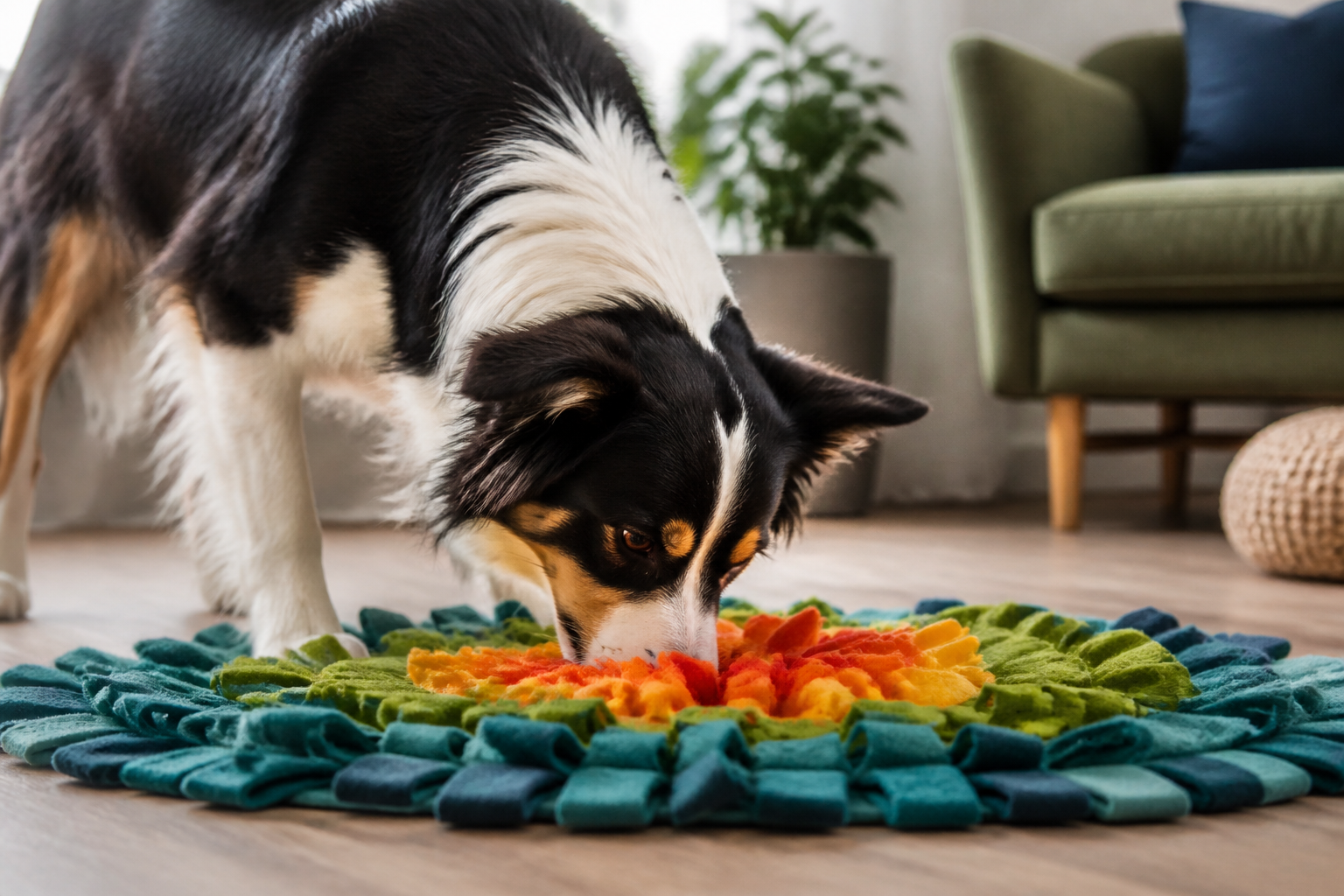
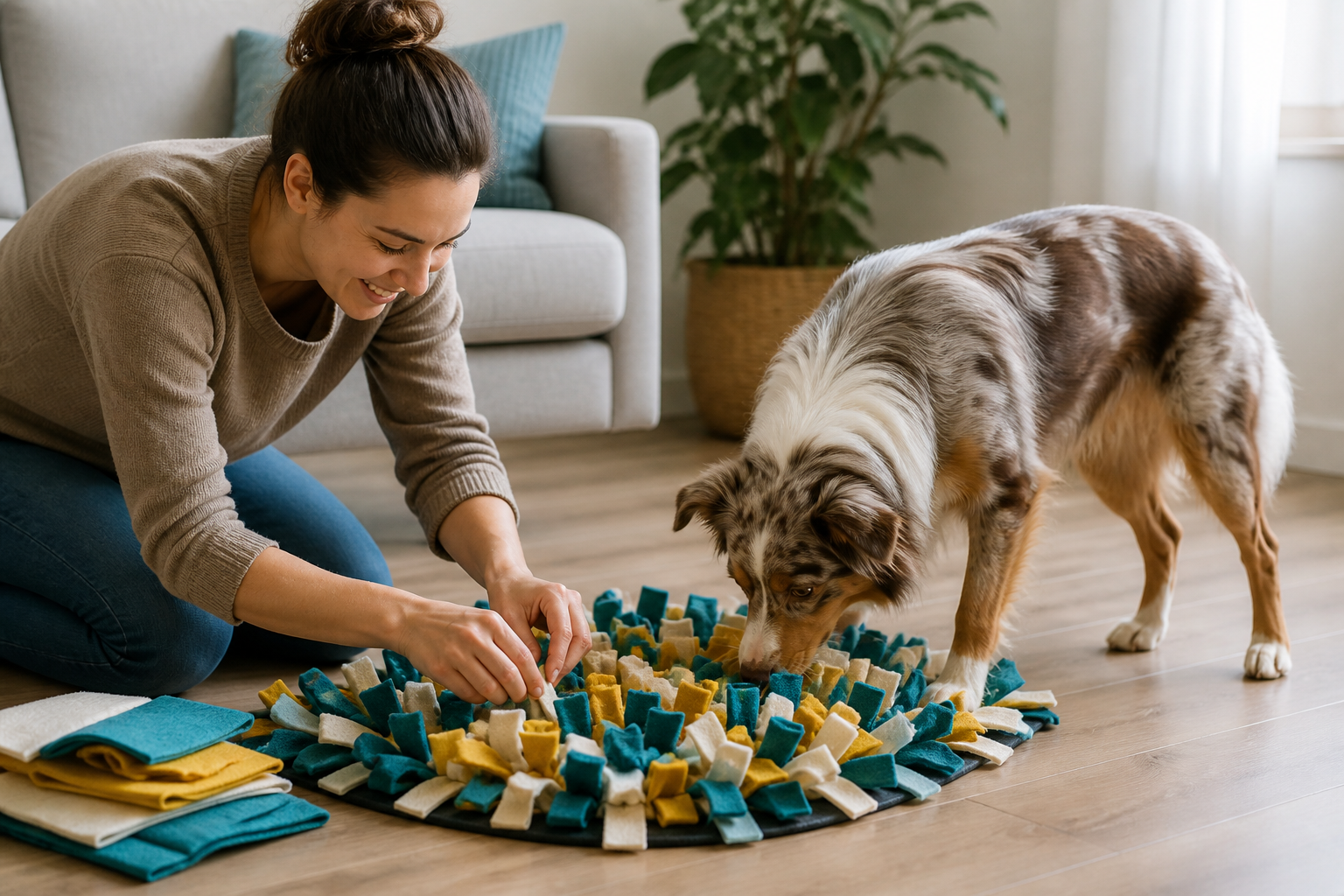
A snuffle mat is a specialized enrichment tool designed to mimic the natural foraging behaviors of wild animals. It consists of a sturdy base with dozens of soft fabric strips tied through the holes. When you sprinkle kibble or treats across the surface, the food falls deep into the fabric tendrils. Your dog must then use their nose to track down each individual piece.
This process is known as nose work. While humans rely primarily on sight to navigate the world, dogs process a massive amount of information through scent. For a dog, ten minutes of intense sniffing is often as exhausting as a long walk. It challenges their brain and satisfies a deep biological urge to hunt for food.
Quick Answer: A snuffle mat is an interactive puzzle toy made of fleece strips tied to a plastic or rubber base. It slows down fast eaters and provides mental stimulation by forcing dogs to forage for hidden treats using their sense of smell.
Why Your Dog Needs Mental Enrichment
Many behavioral issues in dogs stem from boredom. When a dog has too much pent-up energy and no productive way to use it, they may turn to destructive habits. This includes chewing furniture, excessive barking, or digging in the yard. Enrichment tools like snuffle mats provide a constructive outlet for that energy.
Foraging is a self-soothing activity. The act of sniffing and licking releases endorphins in a dog's brain. This can help calm anxious pets during stressful events like thunderstorms or fireworks. It is also an excellent tool for senior dogs or pets recovering from surgery. If your dog cannot go for long walks due to physical limitations, mental games keep them engaged without straining their joints. For more enrichment ideas, explore our guide to dog brain games.
Key Takeaway: Scent-based enrichment reduces boredom and anxiety by providing a natural outlet for a dog's foraging instincts.
Materials You Will Need
Building your own mat is much more cost-effective than buying a pre-made version. Most of these supplies are available at local craft stores or hardware shops.
- A Rubber Sink Mat: Look for a heavy-duty rubber or flexible plastic sink mat with holes. A lattice pattern works best. The holes should be large enough to thread fabric through but small enough that the strips stay secure.
- Fleece Fabric: You will need about one to two yards of fleece. Fleece is the best material because it does not fray when cut. It is also soft on your dog's nose and easy to wash.
- Sharp Scissors or a Rotary Cutter: You will be doing a lot of cutting, so a sharp blade is essential.
- A Ruler or Measuring Tape: This helps keep your strips uniform, though they do not need to be perfect.
We carry a wide variety of interactive dog toys, but we know many owners enjoy the satisfaction of a handmade project. If you find your dog loves the challenge of the snuffle mat, you might also consider adding other puzzle toys to their collection.
Choosing the Best Fabric
While you can use old t-shirts or towels, fleece is the industry standard for a reason. Low-pill polar fleece is durable and holds its shape even after multiple washes. Avoid using fabrics like cotton or denim. These materials will unravel at the edges, creating long threads that could be swallowed by your dog.
If you want to save money, look for inexpensive fleece throw blankets. These are often cheaper than buying fabric by the yard. You can choose bright colors to make a rainbow mat or stick to neutral tones that match your home decor. Your dog does not care about the color, but a vibrant mat can be a fun craft project for the whole family.
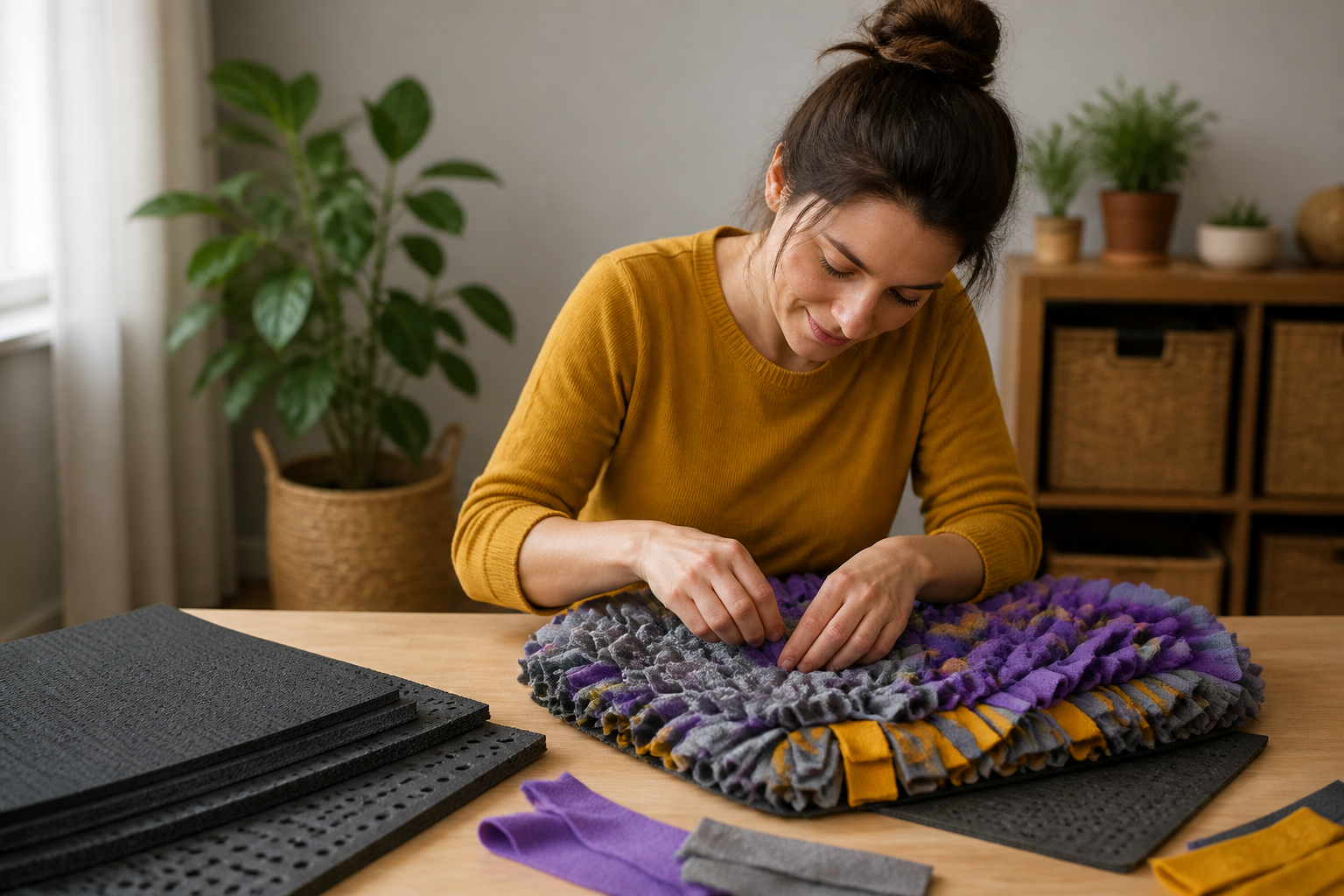
Step-by-Step DIY Snuffle Mat Instructions
Follow these steps to assemble a high-quality mat that can withstand daily use.
Step 1: Prep the Base
Clean your rubber sink mat with mild soap and water. Ensure it is completely dry before you begin. If you have a very large dog, you can use zip ties to connect two sink mats together. Just make sure to trim the sharp ends of the zip ties and cover them with fabric later.
Step 2: Cut the Fleece Strips
Lay your fleece out flat on a table. Cut the fabric into strips that are roughly one inch wide and seven to eight inches long. You will need a lot of these. For a standard 12 by 15 inch sink mat, you may need between 150 and 200 strips.
- Cut a few test strips first.
- Check that they are long enough to tie a sturdy knot around the mat base.
- If the strips are too short, they will be difficult to tie and may fall out.
Step 3: Begin the First Row
Take a fleece strip and thread one end through the first hole in the corner of the mat. Thread the other end through the adjacent hole. Pull both ends up so they are even on the top side of the mat. Tie a single square knot. You do not need to double knot it unless the fabric is very thin.
Step 4: Fill the Vertical and Horizontal Holes
Work your way across the first row, tying a strip through every pair of holes. Once you finish the horizontal rows, go back and tie strips through the vertical holes as well. This "cross-hatching" technique creates a dense, rug-like texture. A thicker mat makes it harder for the dog to find the food, which increases the difficulty of the puzzle.
Step 5: Check for Gaps
Flip the mat over and look at the bottom. If you see large empty spaces or exposed rubber, add more strips. You want the mat to be so full that you cannot see the base when looking down from the top.
Bottom line: A dense mat with many overlapping fleece strips provides the best challenge and prevents treats from falling straight through to the floor.
Introducing the Mat to Your Dog
Not every dog understands the concept of a snuffle mat immediately. Some dogs might try to pick the mat up and shake it to get the food out. Others might try to chew on the fleece strips. Proper introduction is key to ensuring the toy remains a tool for enrichment rather than a chew toy.
- Start Easy: For the first few sessions, place the treats right on top of the fleece. Let your dog see you put them there.
- Increase Difficulty: Once they understand that the mat contains food, start tucking the treats deeper into the fabric.
- Use High-Value Treats: Use small, smelly treats to get them interested. Freeze-dried dog treats can work well.
- Supervise Every Session: Never leave your dog alone with the mat. Once they have found all the food, pick the mat up and put it away. This prevents them from chewing on the base or the fabric out of boredom.
Snuffle Mats for Weight Management
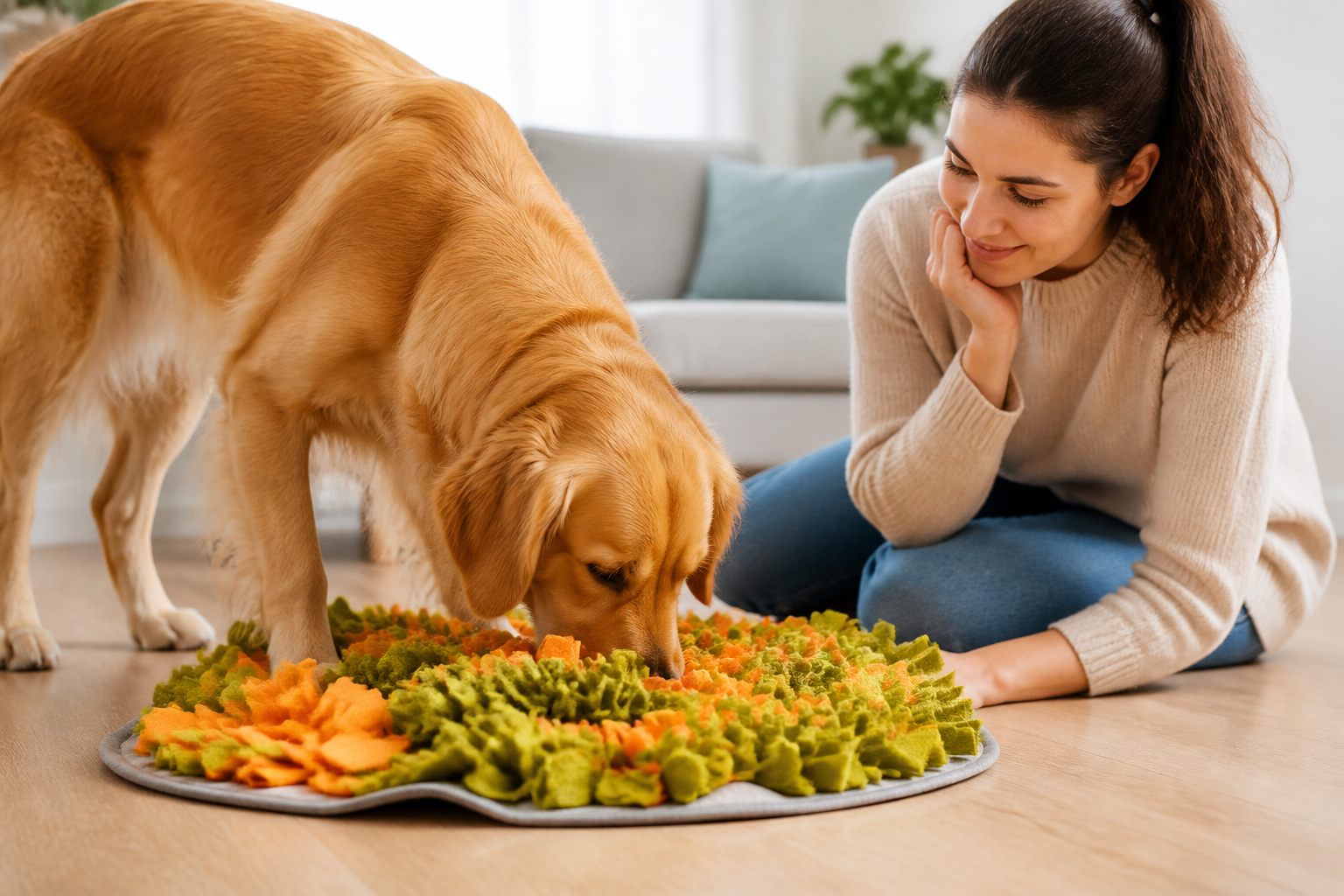
If your dog is on a weight loss plan, a snuffle mat can be a vital tool. Many dogs feel hungry because they eat their meals too fast. By spreading their kibble across a mat, you extend a thirty-second meal into a ten-minute activity. This gives their brain time to register that they are full.
If your vet has prescribed a specific diet, you can use those exact kibbles in the mat. Our pharmacy, operated through our partnership with Pet's Choice, provides a range of prescription pet foods. These diets are specifically formulated for health conditions like obesity, allergies, or kidney issues. Using these foods in an enrichment mat ensures your dog stays on their medical plan while still enjoying their day.
Vet Tip: If your dog is overweight, use their measured meal portion in the snuffle mat instead of adding extra treats. This provides mental stimulation without adding unnecessary calories. Always consult your vet before starting a new weight loss routine.
Cleaning and Maintenance
Because your dog will be drooling on the mat and food particles will get trapped in the fibers, you must clean it regularly. A dirty mat can harbor bacteria or mold.
Most DIY snuffle mats are machine washable. Place the mat inside a pillowcase or a mesh laundry bag to protect the rubber base and keep the strips from getting tangled in the machine's agitator. Use a gentle cycle with cold water and a pet-safe, unscented detergent.
Do not put the mat in the dryer. The high heat can melt the rubber base or damage the fleece fibers. Instead, squeeze out the excess water and lay it flat to air dry. Brushing your hand over the strips once it is dry will help fluff them back up.
Cleaning Checklist:
- Shake the mat outside to remove loose crumbs before washing.
- Wash at least once a week if used for daily meals.
- Inspect for loose strips or torn rubber after every wash.
- Ensure the mat is completely dry before the next use to prevent odors.
Common Mistakes to Avoid
While making a snuffle mat is simple, a few errors can make the project less effective or even unsafe.
One common mistake is using a base that is too flimsy. If you use a thin fabric backing instead of a heavy rubber mat, your dog will likely just bunch the mat up or flip it over. The weight of the rubber sink mat keeps the toy stationary on the floor.
Another mistake is making the strips too long. If the fleece tendrils are over ten inches long, they can become a tripping hazard or get tangled around your dog's paws. Stick to the six to eight inch range for the best results.
Finally, do not use the mat for wet or raw food. Moisture will soak into the fleece and create a breeding ground for bacteria. Only use dry kibble or hard treats. If you want to feed wet food in a challenging way, consider a silicone lick mat instead.
Expanding Your Enrichment Routine
Once your dog has mastered the DIY snuffle mat, you can rotate it with other activities. Variety is the spice of life for a dog. You can hide treats inside cardboard boxes, use muffin tins covered with tennis balls, or invest in professional puzzle toys.
We offer several rewards programs at BaxterBoo to help you save on these supplies. Our MVP Rewards program allows you to earn points on every purchase. If you find a specific treat or food your dog loves for their snuffle mat, our Autoship program provides recurring deliveries so you never run out. These programs make it easier to maintain a consistent enrichment schedule for your pet.
Encouraging Good Habits
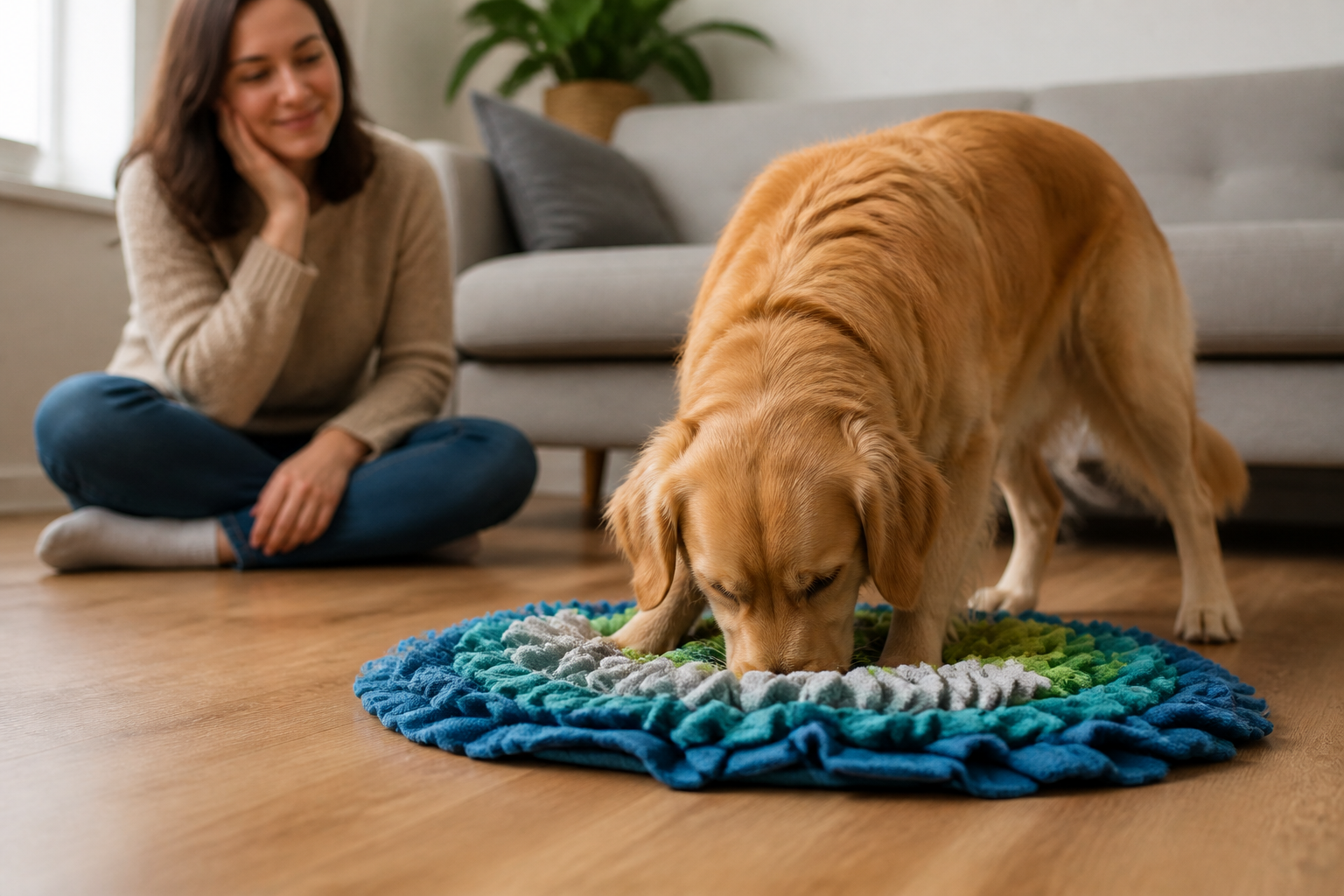
The goal of a snuffle mat is to encourage calm, focused behavior. If your dog gets too frustrated and starts digging or biting the mat, take a step back. Make the treats easier to find for a few days. You want your dog to feel successful.
For multi-dog households, always give each dog their own mat in a separate area. Even dogs that usually get along can become competitive over food-based puzzles. Giving them their own space allows them to focus on the task without feeling the need to guard their "prey."
Key Takeaway: Proper maintenance and supervised use ensure the snuffle mat remains a safe and effective tool for long-term mental health.
Summary of the DIY Process
Creating an enrichment toy does not have to be expensive or complicated. By using a simple sink mat and some fleece scraps, you can provide your dog with hours of entertainment. This project is a great way to bond with your pet while solving common problems like fast eating and boredom.
- Select a sturdy rubber base with a lattice pattern.
- Cut fleece into one by seven inch strips.
- Tie the strips using simple square knots until the mat is dense.
- Supervise your dog and wash the mat regularly.
If you are ready to start your next pet project, we have the supplies and expertise to help. From premium dog treats to health supplements, we focus on products that improve the lives of pets and their owners.
FAQ
Can I use a snuffle mat for my cat?
Yes, cats also benefit from foraging enrichment. Cats are natural hunters, and using their nose to find treats can reduce boredom-related behaviors like midnight zoomies or excessive meowing. Use smaller mats and tiny, high-value cat treats to keep them engaged.
How often should I let my dog use the snuffle mat?
Most dogs can use a snuffle mat daily for one of their scheduled meals. If you are using it for treats, once or twice a day is usually sufficient. Always monitor your dog's weight and adjust their total daily food intake if you are adding extra treats for enrichment.
What should I do if my dog tries to chew the mat?
If your dog starts chewing the fleece or the rubber base, immediately say "no" and remove the mat. Wait a few minutes for them to calm down before offering it again. You may need to make the treats easier to find so they do not get frustrated and resort to chewing.
Is a snuffle mat safe for puppies?
Snuffle mats are excellent for puppies because they provide a calm activity during the high-energy "land shark" phase. However, puppies are more likely to chew on the fabric. Always supervise them closely and ensure they are not swallowing any pieces of fleece or rubber.