Save 15% on your 1st Autoship learn more

 Email us
 Live Chat
 FAQs
FAQs





Introduction
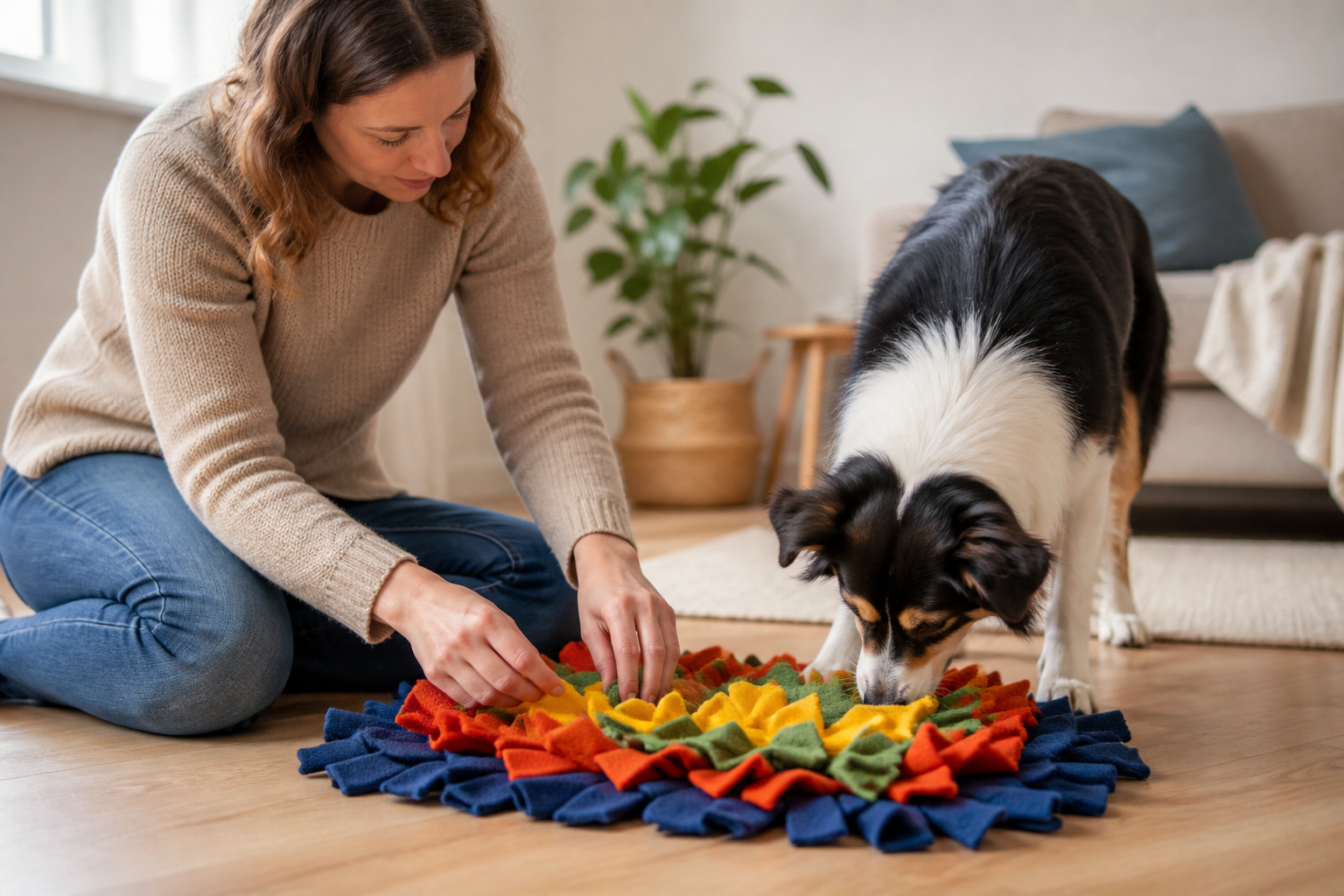
You just placed a fresh bowl of kibble on the floor and your dog inhaled the entire meal in under fifteen seconds. This common scenario often leaves pet owners worried about digestion or wondering how to keep a high energy dog occupied during a rainy afternoon. A homemade snuffle mat is a simple and effective tool that turns mealtime into a rewarding brain game. At BaxterBoo, we know that mental stimulation is just as vital as physical exercise for a happy pet. This guide covers everything from selecting the right fleece to the step by step process of assembly. You will also learn how to use this tool for weight management and anxiety relief. By the end of this article, you will be ready to build a durable enrichment toy that taps into your dog's natural foraging instincts.
Understanding the Benefits of Nose Work
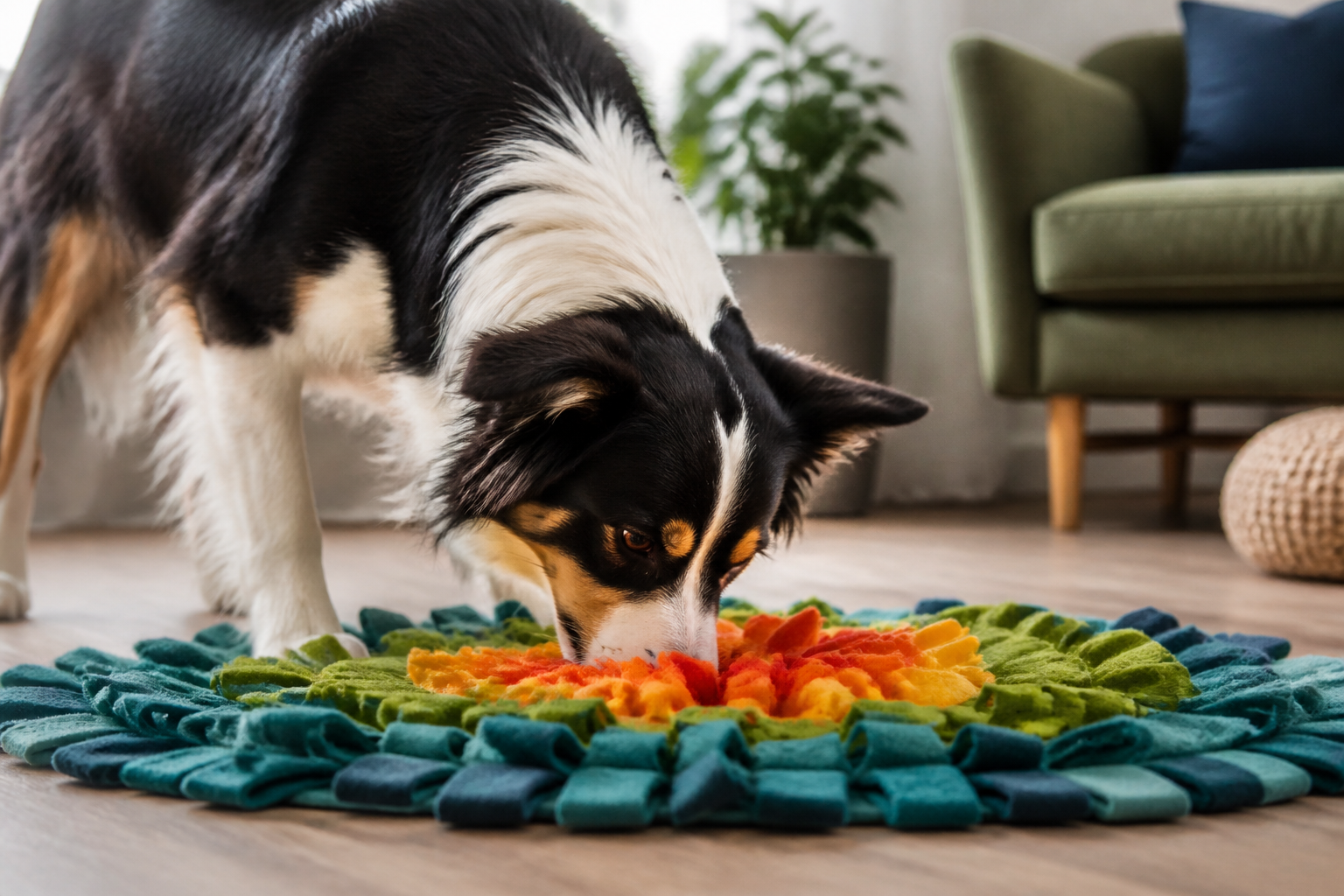
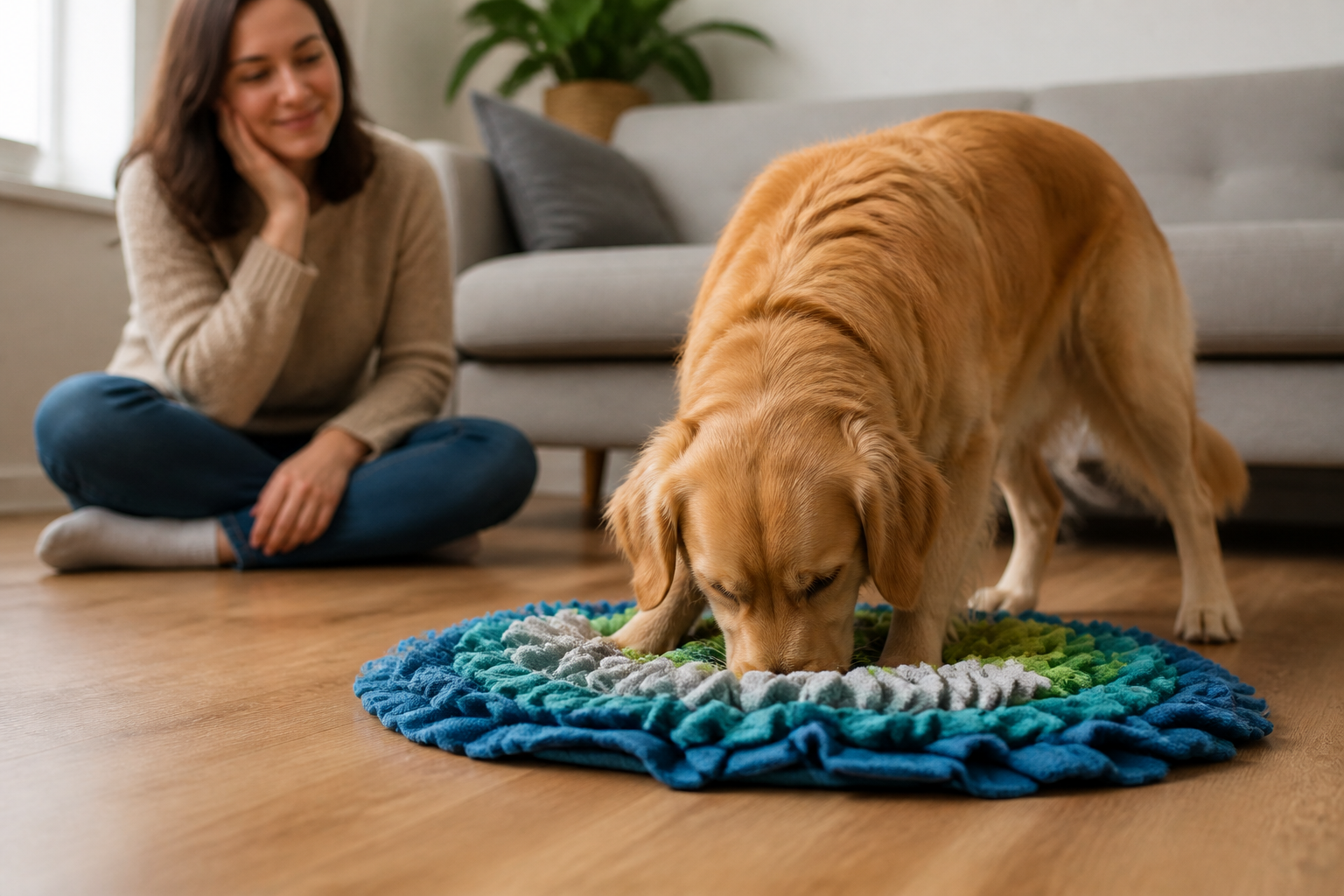
Dogs experience the world primarily through their noses. While humans rely on sight, a dog's sense of smell is remarkably powerful. Foraging for food is a natural behavior that many modern pets rarely get to practice. A snuffle mat mimics the experience of hunting for food in long grass. This activity is often called nose work. It provides intense mental stimulation that can tire out a dog more effectively than a long walk.
For more ideas that support mental stimulation, explore dog brain games and enrichment activities.
Nose work is particularly helpful for dogs with limited mobility. Senior dogs or those recovering from surgery still need mental engagement even if they cannot run. Using their nose allows them to burn energy without putting stress on their joints. It also provides a confidence boost for shy or anxious dogs. Successfully finding a hidden treat provides a dopamine release that helps them feel more secure in their environment.
Slowing down a fast eater is another primary benefit. Dogs that gulp their food are at a higher risk for digestive upset or a dangerous condition called bloat. A snuffle mat forces them to find every individual piece of kibble. This naturally extends a thirty second meal into a ten minute activity. This slower pace gives the brain time to register fullness, which is a key component of weight management.
Quick Answer: A snuffle mat is an enrichment toy made of fabric strips tied to a sturdy base. It encourages dogs to use their sense of smell to find hidden treats or kibble, which provides mental stimulation and slows down fast eaters.
Selecting the Right Materials
Building a high quality mat starts with the right supplies. You do not need expensive tools, but choosing durable materials ensures the mat stays safe and functional for years.
The Rubber Base
The base provides the structure for your mat. Most DIY enthusiasts use a rubber sink mat. These are usually found in the kitchen section of a department store. Look for a mat with holes that are roughly half an inch wide. The material should be flexible but heavy enough to stay flat on the floor. If you have a large breed, you might consider an industrial anti-fatigue mat or a heavy duty rubber doormat. Avoid thin plastic bases that can crack or snap, as these create sharp edges.
Fleece Fabric
Fleece is the preferred fabric for a homemade snuffle mat because it does not fray when cut. This is a safety feature. If the fabric frayed, your dog could ingest long threads that might cause intestinal blockages. Fleece is also soft on a dog's nose and easy to wash. You will generally need one and a half to two yards of fabric for a standard sized sink mat.
- Anti-pill fleece: This is the most durable option and holds its shape well after many washes.
- Blizzard fleece: This is usually thicker and provides more "hide" for the treats.
- Upcycled blankets: You can use old fleece throw blankets if they are clean and free of holes.
Essential Tools
You do not need a sewing machine or glue. The entire project is held together by knots.
- Fabric scissors: A sharp pair of scissors is necessary to cut through multiple layers of fleece.
- Rotary cutter and mat: This is optional but makes the process much faster if you are making multiple mats.
- Ruler or measuring tape: Consistency in strip size makes the tying process easier.
Key Takeaway: Always use fleece fabric because it does not fray. This prevents your dog from swallowing loose threads and ensures the mat lasts through repeated washing.
Preparing the Fabric Strips
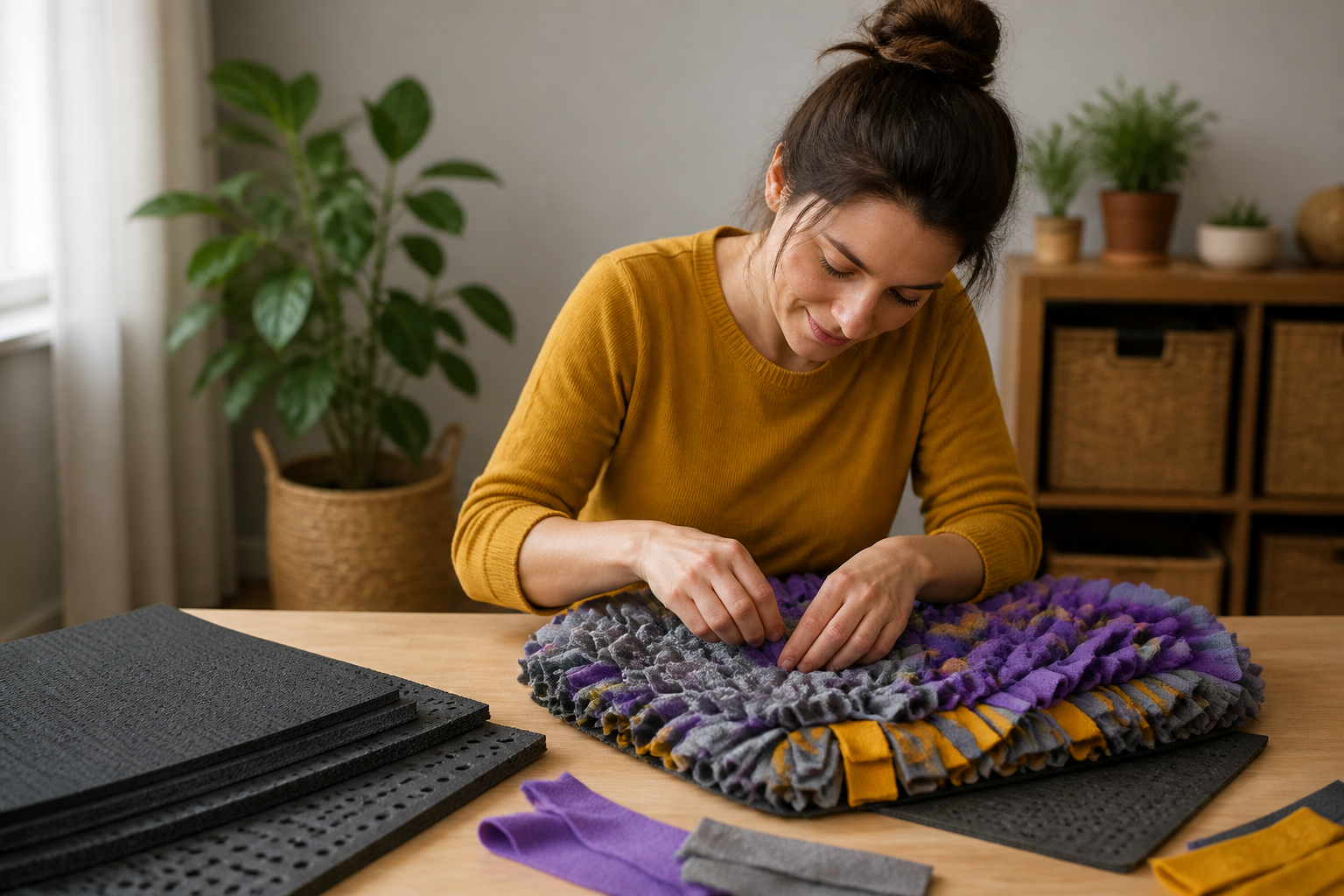
Before you begin tying, you must cut your fabric into strips. This is the most time consuming part of the project. To make it easier, fold your fleece several times so you can cut through multiple layers at once.
The ideal size for a fleece strip is one inch wide and six to eight inches long. If the strips are too short, they will be difficult to tie. If they are too long, the mat will become floppy and the treats will fall right to the bottom. Consistency is helpful, but do not worry about making every cut perfect. Your dog will not mind if a few strips are slightly crooked or different lengths.
For a standard twelve by fifteen inch sink mat, you will likely need between 200 and 250 strips. This sounds like a lot, but the density is what creates the challenge for the dog. A sparse mat makes it too easy for the dog to see the food. You want the mat to look like a thick, shaggy rug when it is finished.
Step-by-Step Assembly Guide
Once your strips are cut, find a comfortable place to sit. This is a great activity to do while watching a movie.
Step 1: Tie the horizontal rows
Start at one corner of your rubber base. Take a fleece strip and push one end through the first hole. Take the other end and push it through the hole immediately next to it. Flip the mat over and tie the two ends in a simple overhand knot. You do not need to double knot it. The friction of the fleece will keep the knot secure. Continue this process across the entire row until every pair of horizontal holes has a strip tied through it.
Step 2: Tie the vertical rows
Once you finish the horizontal strips, you will notice gaps between the rows. Now you will tie strips vertically. Push one end of a strip through a hole in the first row and the other end through the hole directly below it in the second row. Tie these exactly like the first set. This "cross-hatch" pattern creates a very dense surface that stands up on its own.
Step 3: Fill the edges and gaps
Hold the mat up and give it a gentle shake. Look for any visible spots of the rubber base. If you see a gap, add an extra strip. You can even tie strips diagonally if a specific area feels thin. The goal is to hide the rubber base completely from view.
Step 4: Safety inspection
Flip the mat over and check the bottom. Ensure every knot is tight and there are no loose ends that could be easily pulled through. Run your hand over the knots to make sure none of them are bulky enough to make the mat wobble on the floor.
Vet Tip: If you are using a snuffle mat to manage your dog's weight, remember to subtract the calories used in the mat from their daily meal total. For pets with chronic weight issues, consult your veterinarian. Our pharmacy offers prescription weight management diets through our partnership with Pet's Choice that can be used effectively with enrichment toys.
Choosing the Best Food and Treats
The effectiveness of a homemade snuffle mat depends on what you hide inside it. Dry food is almost always better than wet or semi-moist treats.
Dry kibble is the standard choice for daily meals. If you want to use the mat for a special training session, high value dry treats are a better option. We carry a wide selection of dog treats from premium brands like Stella & Chewy's, The Honest Kitchen, and Real Meat Co that offer freeze dried or air dried treats. These have a strong scent that will keep your dog engaged but will not leave a sticky residue on the fabric.
For a convenient option, consider freeze-dried dog treats that can be used as small rewards.
Avoid using peanut butter, canned food, or greasy treats in the mat. These will smear on the fleece and can lead to bacteria growth. They also make the mat much harder to clean. Stick to "clean" treats that break into small, dry pieces.
- Freeze-dried liver: Very smelly and highly motivating.
- Small training treats: Brands like Zesty Paws or Blue Buffalo offer small, dry morsels.
- Broken biscuits: Simple and cost effective.
- Dehydrated vegetables: Good for dogs on a strict calorie budget.
A single-ingredient option such as A Better Treat Freeze Dried Dog and Cat Treats - Organic Chicken Breast can also work well for training sessions.
Introducing the Mat to Your Dog
Some dogs understand the concept of a snuffle mat immediately. Others might be confused or try to pick the mat up and shake it. A proper introduction ensures they learn to use their nose rather than their paws.
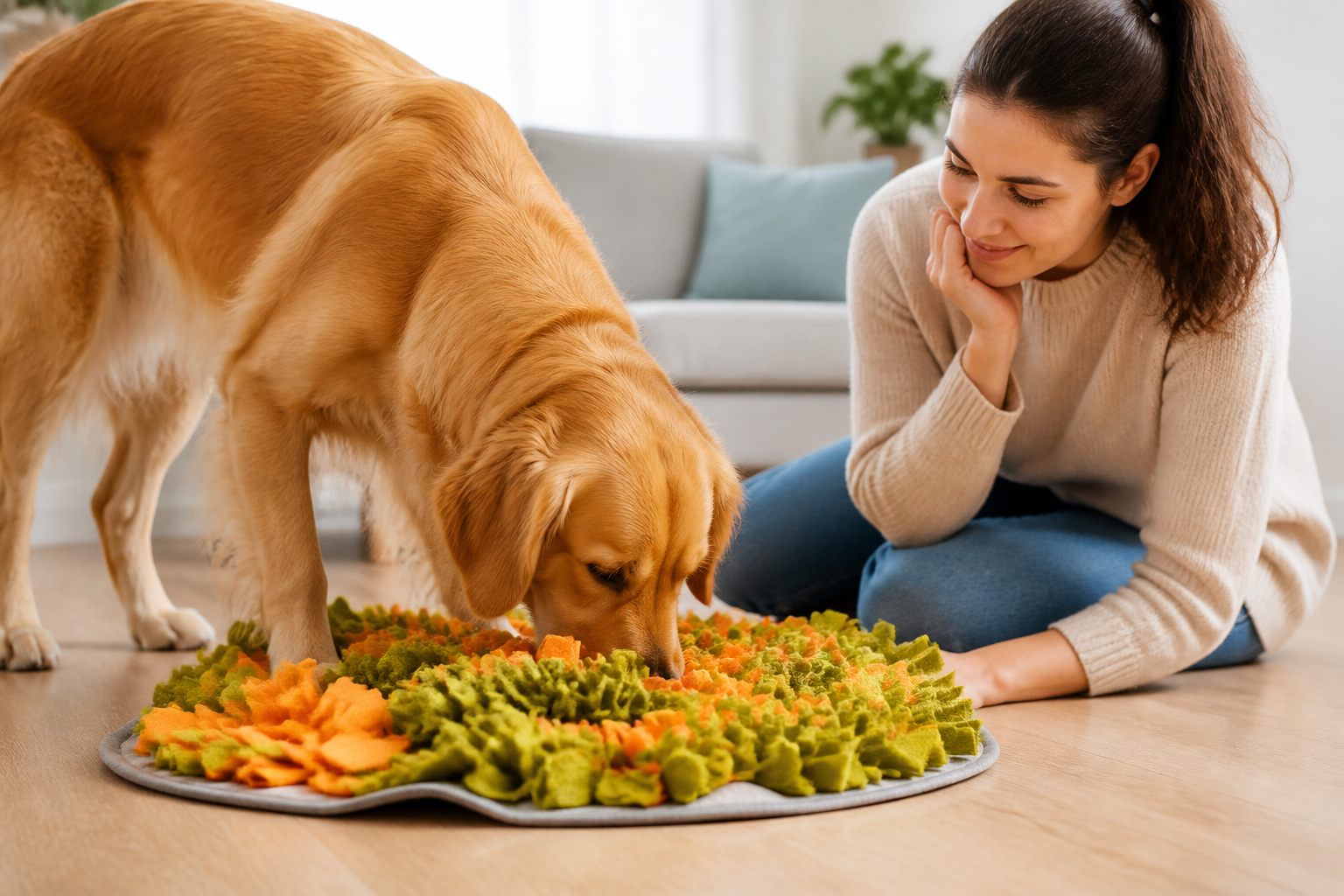
For the first session, make it very easy. Sprinkle a few treats directly on top of the fleece strips. Let your dog see you do it. Use a command like "find it" or "search." When they eat the treats, praise them calmly. This builds a positive association with the mat.
In the second session, tuck the treats slightly under the top layer of fleece. Do not bury them deep yet. Your dog should be able to find them with minimal effort. As they become more proficient, you can start pushing the treats all the way to the base of the mat. You can even "scrunch" the fleece strips together to make the hiding spots more complex.
If your dog starts to chew or bite the mat, gently remove it. Redirect them to a chew toy and try again later. The snuffle mat is a tool for sniffing, not for chewing. Most dogs will stop trying to destroy the mat once they realize that sniffing is the fastest way to get the reward.
Bottom line: Start with treats on the surface and gradually hide them deeper as your dog gains confidence and skill.
Cleaning and Maintenance
Because the mat holds food, it will eventually become dirty. Saliva and small food particles can build up over time. Regular cleaning prevents odors and keeps the environment hygienic for your pet.
Most homemade snuffle mats are machine washable. Place the mat inside a pillowcase and tie it shut. This prevents the fleece strips from getting tangled in the washing machine's agitator. Use a mild, pet-safe detergent and cold water. Avoid using fabric softener or dryer sheets, as the strong perfumes can be overwhelming for a dog's sensitive nose.
After washing, do not put the mat in the dryer. The high heat can melt or warp the rubber base. Instead, hang the mat to air dry or lay it flat on a drying rack. Ensure it is completely dry before using it again, as damp fleece can develop mold or a musty smell.
Maintenance Checklist
- Check for loose strips before every use.
- Inspect the rubber base for cracks or signs of wear.
- Wash the mat at least once every two weeks if used daily.
- Store the mat out of reach when not in use to prevent bored chewing.
Using Snuffle Mats for Specific Health Needs
Beyond simple fun, these mats serve practical medical and behavioral purposes. We often recommend them for pets with specific challenges.
Anxiety and Stress Relief
Sniffing is a self-soothing behavior for dogs. It lowers their heart rate and helps them focus on a single task. If your dog is stressed by thunderstorms or fireworks, a snuffle mat can be a helpful distraction. It gives them a "job" to do that keeps their brain occupied. For dogs with severe separation anxiety, using the mat as you leave the house can help change their emotional response to your departure.
You can also explore dog anxiety and calming products for additional enrichment options.
Weight Management and Digestion
As mentioned, the BaxterBoo pharmacy provides access to FDA-approved medications and prescription diets for dogs with metabolic issues. If your vet has prescribed a specific diet for weight loss, using a snuffle mat can make that smaller portion of food feel more satisfying. It prevents the "starving" behavior often seen in dieting pets by making them work for every calorie.
Cognitive Support for Seniors
Senior dogs may suffer from canine cognitive dysfunction, which is similar to dementia in humans. Keeping the brain active is one of the best ways to support senior health. A snuffle mat provides low impact mental stimulation that keeps those neural pathways firing. It is a gentle way to keep an older dog engaged with their family and environment.
For additional ideas, read about engaging brain games for dogs.
Key Takeaway: Snuffle mats are powerful tools for anxiety relief and weight management. They provide a low-impact way for senior or recovering dogs to stay mentally sharp.
Troubleshooting Common Issues
Sometimes the DIY process or the introduction of the mat does not go perfectly. Here is how to handle common hurdles.
My dog is trying to eat the fleece
This usually happens if the dog is frustrated or if they are a "heavy chewer." Ensure you are using high value treats so they are focused on the food. If the behavior continues, you may need to go back to the easiest level where treats are visible on top. Always supervise use. If they continue to ingest fabric, stop using the mat and consult your vet to rule out pica or other behavioral issues.
The mat is slipping on the floor
Even rubber bases can slide on hardwood or tile. If your dog is a "pusher," try placing the mat on a rug or using a small piece of non-slip shelf liner underneath it. You can also look for a heavier rubber base, such as a heavy duty doormat, for the next version you build.
The treats are falling out the bottom
This means your knots are too loose or your fabric density is too low. Try adding a second layer of strips in the areas where food is escaping. You can also try using slightly larger kibble or treats that get caught in the fleece folds more easily.
Conclusion
A homemade snuffle mat is one of the most cost effective ways to improve your dog's quality of life. With just a rubber mat, some fleece, and a bit of time, you can create a tool that supports digestion, mental health, and weight management. Whether you have a high energy puppy or a slow moving senior, this enrichment toy offers a rewarding experience for every breed. We invite you to explore our dog treats and rewards to find the perfect rewards for your new project. If your pet needs specialized nutrition or medication to manage their health, our pharmacy partnership with Pet's Choice is here to help with FDA-approved solutions.
- Choose high-quality fleece to prevent fraying.
- Tie strips in a cross-hatch pattern for maximum density.
- Supervise every session to ensure safety.
- Wash the mat regularly using pet-safe detergent.
Bottom line: Building a snuffle mat is a simple DIY project that provides significant long-term health and behavioral benefits for your dog.
FAQ
How much fleece do I need for a standard snuffle mat?
For a standard kitchen sink mat measuring about twelve by fifteen inches, you will typically need one and a half to two yards of fleece. This allows for roughly 200 to 250 strips that are one inch wide and seven inches long. Using multiple colors can help you keep track of your progress and makes the mat more visually appealing.
Can I use a snuffle mat for a cat?
Yes, cats also benefit from foraging activities and can use snuffle mats with dry cat treats or kibble. Since cats are generally smaller and less powerful than dogs, you can use a smaller base and thinner fleece strips. It is an excellent way to provide indoor enrichment for cats that might otherwise be bored or prone to overeating.
Is a snuffle mat safe for a puppy?
Snuffle mats are generally safe for puppies, but close supervision is essential because puppies are more likely to chew on the fabric. It is a great tool for teaching a puppy to focus and can help calm them down during high-energy periods. Ensure the strips are tied very tightly so the puppy cannot pull them off and swallow them.
How often should I let my dog use their snuffle mat?
Most dogs can use a snuffle mat once or twice a day during their regular mealtimes. It is important to monitor their weight and ensure they are not getting too many extra calories from treats used in the mat. If your dog seems bored with the mat, put it away for a few days and then reintroduce it to keep the "novelty" factor high.