
 Save 15% on your 1st Autoship learn more

 Email us
 Live Chat
 FAQs
FAQs





Introduction
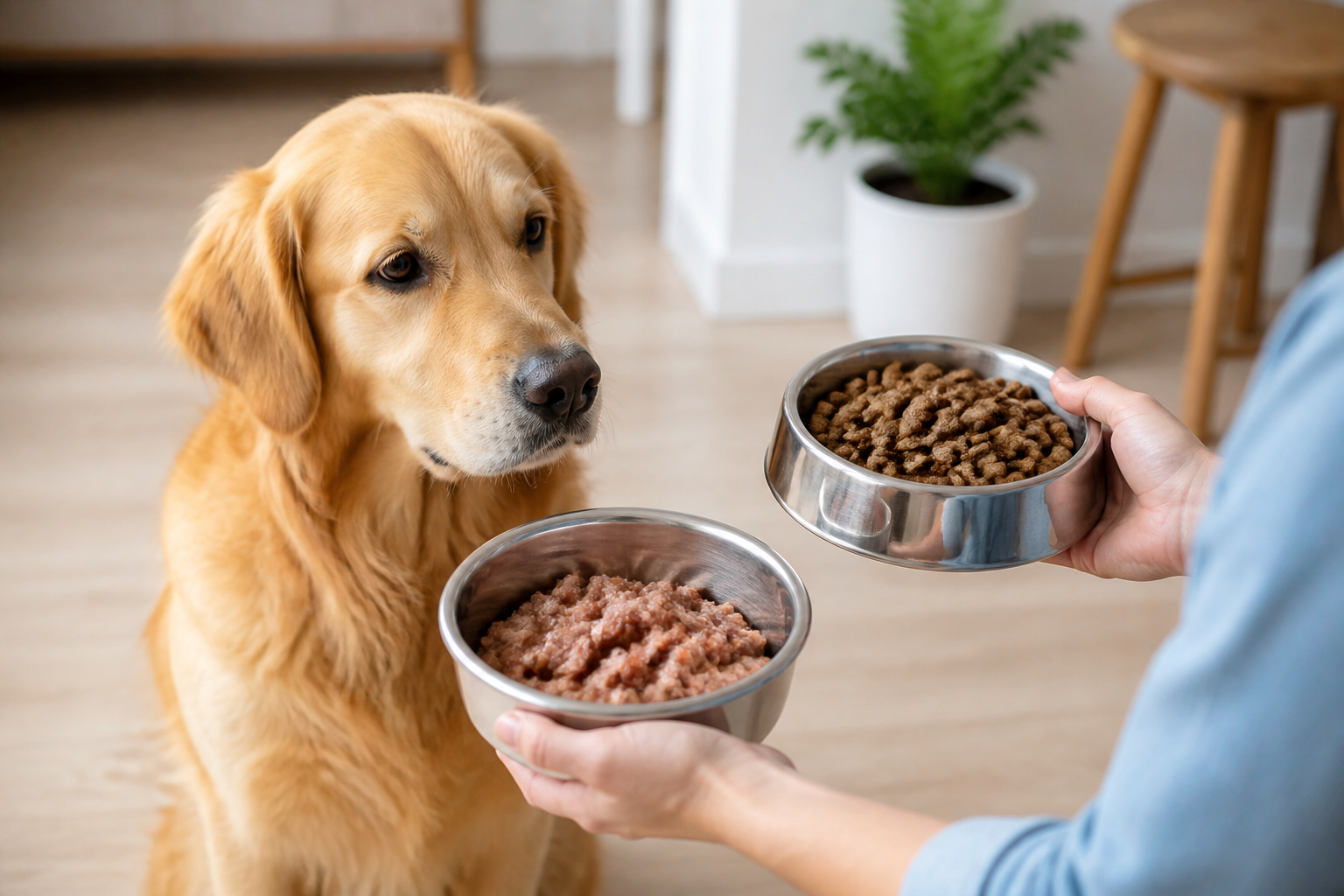
You stand over your dog’s bowl while they look up at you with those expectant eyes. Maybe they have stopped showing interest in their standard kibble. Perhaps you are worried they are not drinking enough water during the hot summer months. This is the moment many pet owners decide to try mixed feeding. Combining wet and dry food is a practical way to boost nutrition and excitement at mealtime. At BaxterBoo, we have helped thousands of owners find the right balance for their pets since 2006. This guide covers the benefits of a mixed diet, how to calculate portions accurately, and how to transition your dog safely. You will learn how to provide variety without causing digestive upset or unwanted weight gain.
Quick Answer: To feed a mix of wet and dry dog food, determine your dog's total daily calorie needs first. Replace a portion of their dry kibble with a nutritionally equivalent amount of wet food. Always introduce the new mixture gradually over seven to ten days to prevent stomach upset.
Why Mix Wet and Dry Dog Food?
Mixing food types is often called mixed feeding. It offers the specific benefits of both textures in a single meal. Dry kibble is famous for its convenience and dental benefits. The hard texture helps scrape away some plaque as a dog chews. It is also easy to store and cost-effective for most households. However, some dogs find plain kibble boring or difficult to crunch as they age.
Wet food provides a massive boost in aroma and flavor. It usually contains higher levels of protein and fat compared to dry food. The high moisture content is the biggest advantage for health. While dry food is only about 10 percent water, wet food can be up to 80 percent water. This extra hydration supports kidney function and urinary tract health. It also helps dogs feel full, which can be useful for weight management.
The combination of these two types makes every meal feel like a special occasion. You get the crunch of the kibble and the savory gravy or pate of the wet food. This variety can entice even the most stubborn or picky eaters back to the bowl. It is a middle ground that balances budget and premium nutrition. If you want more ways to boost mealtime appeal, take a look at our food topper and broths collection.
Understanding the Nutritional Balance
Before you start mixing, you must ensure both foods are complete and balanced. Look for the AAFCO statement on the packaging of both the dry bag and the wet can. This statement confirms the food meets the basic nutritional requirements for a specific life stage. If you use a "supplemental" topper or mixer, it should not make up more than 10 percent of the total daily calories.
The calories in wet and dry food are very different. You cannot simply swap one cup of kibble for one cup of canned food. Canned food is much less calorie-dense because it contains so much water. This means your dog will likely need a larger volume of wet food to get the same energy they get from a small scoop of kibble.
Key Takeaway: Never swap wet and dry food cup-for-cup because their calorie densities are vastly different. Always check the label for the "calories per cup" or "calories per can" to keep the total daily intake consistent.
Calculating the Right Portions
Determining how much to feed requires a bit of simple math. Start with the total amount of calories your dog currently eats. If your dog is at a healthy weight, you want to maintain that same number. If you are unsure about the target weight for your dog, we recommend a visit to your veterinarian. They can provide a specific calorie goal based on your dog's activity level and body condition score.
A common starting point is a 75/25 split. This means 75 percent of the calories come from dry food and 25 percent come from wet food. This keeps the cost manageable while providing the benefits of moisture and flavor. If you feed the same foods regularly, our MVP Rewards programme can help make repeat purchases a little easier on your budget.
Step 1: Find the total daily calories your dog needs.
Step 2: Divide that number by 0.75 for the dry portion and 0.25 for the wet portion.
Step 3: Read the labels to see how many calories are in a cup of your dry food and a can of your wet food.
Step 4: Measure the specific amounts to match those calorie targets.
You can also do a 50/50 split. This is often better for smaller dogs or those who need significantly more hydration. For large breeds, a 50/50 split can become expensive and lead to very large meal volumes. Always use a standard measuring cup rather than a random kitchen scoop to keep portions exact.
How to Transition Your Dog Safely
A dog's digestive system needs time to adapt to new ingredients and textures. If you suddenly dump a can of wet food onto their kibble, you may deal with gas or diarrhea the next day. A slow transition is the best way to keep their stomach happy. We suggest a transition period of about one week.
- Days 1 to 2: Feed 90 percent of the old dry food and 10 percent of the new wet mixture.
- Days 3 to 4: Move to 75 percent dry and 25 percent wet.
- Days 5 to 6: Move to 50 percent of each if that is your final goal.
- Day 7: Serve the final desired ratio.
Watch your dog's stool during this week. If it becomes soft or loose, stay at the current ratio for a few extra days before increasing the wet food. Some dogs with very sensitive stomachs might need up to 14 days to fully adjust. If mixed feeding becomes part of your routine, our Autoship programme can help you stay stocked up.
Vet Tip: If your dog has a history of pancreatitis or severe food allergies, consult your veterinarian before adding wet food. The higher fat content in some wet foods can trigger flare-ups in sensitive pets.
Feeding by Life Stage
Your dog's age dictates what they need in their bowl. A puppy, an adult, and a senior dog all have different requirements for protein, fat, and minerals like calcium. You should never mix an adult wet food with a puppy dry food. This can throw off the delicate balance of nutrients needed for growth.
Puppies
Puppies are growing fast and need high-calorie meals. Mixing wet and dry food can help them stay interested in their food during teething. Cold wet food can even feel soothing on sore gums. Ensure both types of food are specifically labeled for "growth" or "all life stages."
Adult Dogs
Most adult dogs do well with a standard mixed diet. If your dog is very active, they may benefit from the higher protein found in many canned options. If your dog is prone to weight gain, use the wet food as a topper to help them feel full without adding too many calories.
Senior Dogs
Seniors often face dental issues or a declining sense of smell. The strong aroma of wet food can encourage an older dog to eat when they have lost their appetite. Since many seniors also struggle with kidney health, the extra moisture is incredibly valuable. If your senior needs prescription support, our pet pharmacy is a helpful place to start.
Health Benefits and Specific Conditions
Certain health conditions make mixed feeding a great choice. Dogs with urinary crystals or stones often need as much water as possible. Wet food is one of the easiest ways to increase their daily intake. For dogs with skin allergies, high-quality wet food often contains fewer preservatives and binders than kibble.
If your dog is managing a chronic condition like kidney disease or diabetes, your vet might prescribe a specific diet. Through our partnership with Pet's Choice, we offer a pharmacy that carries FDA-approved prescription foods. For more background on that partnership, see our Pet's Choice information page. Many of these medical diets are designed to be fed as a mix of wet and dry to improve compliance in sick pets.
Key Takeaway: Mixed feeding is an excellent strategy for dogs with urinary issues or decreased appetite. For pets with chronic health conditions, our pharmacy provides prescription options that support their specific medical needs.
Handling and Storage Tips
One of the challenges of mixed feeding is storage. Dry food is shelf-stable and can stay in its original bag for weeks if kept in a cool, dry place. Wet food is a different story. Once a can or pouch is opened, it begins to spoil quickly.
- Use an airtight lid for opened cans.
- Store opened wet food in the refrigerator.
- Discard any refrigerated wet food after three days.
- Never leave wet food in your dog's bowl for more than 30 to 60 minutes.
- Keep kibble in an airtight bin to prevent it from going stale.
If your dog prefers their food at room temperature, you can take the wet portion out of the fridge about 15 minutes before mealtime. Avoid microwaving the food in the can. If you must warm it, move it to a microwave-safe dish first and check for "hot spots" that could burn your dog's mouth. For more storage guidance, read our guide to keeping dry dog food fresh once opened.
Bottom line: Always refrigerate opened wet food and use it within 72 hours to prevent bacterial growth and spoilage.
Comparing Textures and Ingredients
Wet food comes in several forms. Pates are smooth and easy to mix thoroughly into kibble. Stews and "chunks in gravy" provide a different texture and are great for pouring over the top of the bowl. At BaxterBoo, we carry a wide range of options from brands like our selection of Open Farm products, our selection of Stella & Chewy's products, and our selection of NutriSource products.
When looking at ingredients, you may notice that wet food lists a lower protein percentage on the label than dry food. This is confusing but normal. It is because of the water content. If you removed all the water from the wet food, the protein levels would often be much higher than the kibble. This is why wet food is such a great source of animal-based protein for active dogs.
- Pate: Best for hiding medication or mixing completely.
- Gravy/Stew: Best for picky eaters who like to lick.
- Minced: Easy for small breeds to chew.
- Shredded: Provides a more "natural" meat texture.
Common Mistakes to Avoid
The most frequent mistake is overfeeding. It is very easy to add "just a spoonful" of wet food without realizing it adds 50 or 60 calories. Over time, this leads to obesity, which puts stress on your dog's joints and heart. Always use a scale or a measuring cup for both components of the meal.
Another mistake is leaving the food out all day. This is called "free feeding." While it works for some dry-food-only dogs, it is dangerous with mixed food. Wet food attracts flies and grows bacteria quickly at room temperature. If your dog does not finish their mixed meal within an hour, pick it up and throw the leftovers away.
Finally, do not forget to account for treats. If you are adding wet food to the diet, you are already increasing the richness of their meals. You may need to cut back on biscuits and dental chews to keep their total daily calories in check.
Checklist for Success
- Confirm both foods are "Complete and Balanced"
- Calculate daily calorie needs
- Buy a set of airtight can lids
- Start the transition slowly over 7 days
- Monitor weight and stool quality
- Schedule a vet checkup if your dog's appetite changes suddenly
Conclusion
Feeding a mix of wet and dry dog food is an excellent way to provide your pet with the variety they crave and the hydration they need. By balancing the crunch of kibble with the high-quality protein and moisture of canned food, you support their overall health and happiness. Remember to transition slowly and keep a close eye on portion sizes to prevent weight gain. We are here to help you find the perfect combination of brands and formulas for your dog's specific needs.
- Mixed feeding improves hydration and kidney health.
- Variety in texture can help picky eaters stay interested.
- Portion control is vital to avoid obesity.
- Slow transitions prevent digestive upset.
For high-quality wet and dry options, browse our dog food category or consider signing up for our Autoship programme to save on your regular orders. If your dog requires a specific medical diet, visit our pet pharmacy to see how our partnership with Pet's Choice can simplify your prescription refills.
FAQ
Can I mix wet and dry food for every meal?
Yes, you can mix them for every meal as long as the total daily calories are balanced. Most owners find that feeding the mixture twice a day works best for maintaining a routine. If you prefer, you can also feed dry food in the morning and wet food in the evening to keep things simple.
Does mixing wet food with kibble cause tooth decay?
Wet food is softer and does not provide the same scraping action as dry kibble, but it does not directly cause decay on its own. The real key to dental health is regular brushing and professional cleanings. If you are worried about dental health while mixed feeding, consider adding dental treats or water additives to your routine.
Why is my dog suddenly picky about their dry food?
Dogs can become picky for many reasons, including boredom, dental pain, or underlying health issues. Adding wet food often solves the boredom issue by providing new scents and flavors. However, if your dog suddenly stops eating altogether or seems to be in pain while chewing, you should consult your veterinarian.
How do I know if I am overfeeding my dog with a mixed diet?
The best way to tell is by monitoring your dog's body condition. You should be able to feel their ribs easily but not see them protruding. If your dog loses their "waist" when viewed from above, you likely need to reduce the portions of both the wet and dry food.






