
 Save 15% on your 1st Autoship learn more

 Email us
 Live Chat
 FAQs
FAQs





Introduction
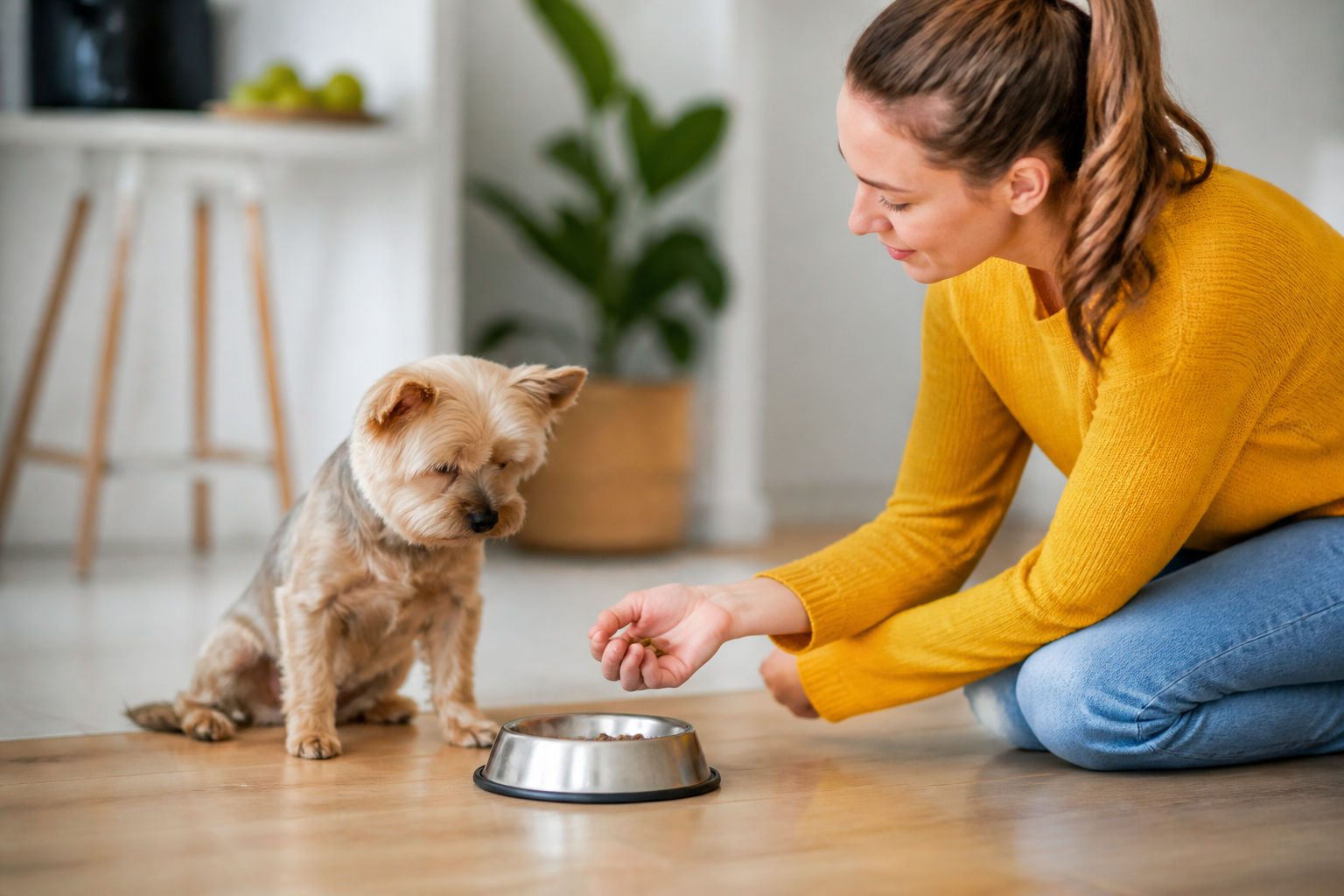
You set the bowl down and your dog barely glances at it. You might see them walk over, take one sniff, and then turn away with a heavy sigh. It is a frustrating scene that many pet owners face every single day. You know the food is high quality and you know they must be hungry. Yet the kibble remains untouched while your dog waits for something better to drop from the table.
At BaxterBoo, we talk to pet owners every day who are struggling with this exact problem. We understand that you want your dog to be healthy and excited about their meals. This guide covers practical strategies to move past the mealtime standoff. We will explore how to rule out health issues, how to adjust your feeding routine, and how to make that dry food much more enticing. Our goal is to help you build a consistent habit that keeps your dog nourished and happy.
Rule Out Medical Issues First
Before you assume your dog is just being stubborn, you must ensure they feel well. A sudden loss of appetite is often a signal that something is wrong internally. Even a dog that has always been a little fussy might have a new reason to avoid their bowl.
Check for Dental Pain
Dental disease is one of the most common reasons a dog rejects dry food. Kibble is hard and requires significant crunching. If your dog has a broken tooth, an abscess, or inflamed gums, biting down on hard kibble can be painful. They might want to eat but find the physical act of chewing too uncomfortable. Look for signs like dropping food, tilted head while chewing, or bad breath.
Internal Health and Age
As dogs age, their senses of smell and taste can begin to fade. If they cannot smell their food, they are much less likely to want to eat it. Other conditions like kidney disease or gastrointestinal upset can also cause nausea. A nauseous dog will not be interested in even the most premium dry food.
Vet Tip: If your dog suddenly stops eating or loses weight, schedule a visit with your veterinarian. They can perform blood work and a dental exam to rule out underlying conditions. Our pet pharmacy carries prescription diets if your vet determines a medical diet is necessary.
Establish a Strict Feeding Schedule
One of the most common mistakes owners make is free-feeding. This is the practice of leaving a bowl of dry food out all day long. While it seems convenient, it actually discourages a healthy appetite.
The 15-Minute Rule
When food is always available, it loses its value. Your dog knows they can take a bite whenever they want, so they never feel the biological urge to finish a meal. To fix this, you should implement a timed feeding window.
Step 1: Put the bowl down at a set time every morning.
Step 2: Give your dog exactly 15 to 20 minutes to eat.
Step 3: Pick the bowl up after the time is up, even if there is still food inside.
Step 4: Do not offer any food or treats until the next scheduled mealtime.
This teaches your dog that food is a limited resource. They will quickly learn that if they do not eat when the bowl is down, they will have to wait several hours for the next chance.
Consistency is Key
Dogs thrive on routine. Try to feed them at the same time every day in the same location. This predictability helps their digestive system prepare for a meal. When their body expects food at 7:00 AM, they are more likely to feel hungry right on cue.
Bottom line: Removing constant access to food creates a sense of urgency and helps regulate your dog's natural hunger cycle.
Boost the Aroma of the Kibble
A dog's sense of smell is incredibly powerful. Dry food that has been sitting in a bag for a month might not smell very interesting to them. You can dramatically increase the "craveability" of kibble by enhancing its scent.
Use Warm Water or Bone Broth
Adding a small amount of warm water to dry food does two things. First, it softens the texture, which helps if your dog has minor dental sensitivity. Second, the heat releases the fats and aromas in the food. You can also use a dog-safe bone broth. Ensure the broth does not contain onions, garlic, or excessive salt. We carry several high-quality broths and mixers from brands like Stella & Chewy's and Portland Pet Food Company that are designed specifically for this purpose.
The Power of Toppers
A topper is a small amount of highly flavorful food placed on top of the kibble. This could be a spoonful of canned food, freeze-dried raw bits, or a specialized savory dust.
- Freeze-dried raw: Brands like Vital Essentials or Honest Paws offer freeze-dried morsels that pack a punch of flavor. Explore our freeze-dried food collection for additional options.
- Wet food mix-ins: A small amount of Tiki Cat or Weruva canned food mixed thoroughly into the kibble ensures they cannot just pick out the "good stuff."
- Dehydrated options: The Honest Kitchen makes dehydrated bases that turn into a delicious gravy when mixed with water.
Rotate Your Proteins
Imagine eating the exact same chicken meal every day for three years. You would probably get bored too. Some dogs benefit from a protein rotation. If you usually feed chicken, try a bag of lamb, beef, or fish. Many premium brands like Acana and Orijen make it easy to switch between flavors within the same product line. This provides variety without necessarily upsetting their stomach.
Key Takeaway: Enhancing the smell and texture of dry food can bypass a dog's pickiness by appealing to their primary sense of smell.
Limit Treats and Table Scraps
It is very hard to compete with a piece of bacon or a slice of cheese. If your dog knows that refusing their kibble will eventually result in a "pity treat" or a scrap from your dinner plate, they will wait for it. They are essentially training you to give them better food.
The "Junk Food" Cycle
Treats should never make up more than 10 percent of your dog's daily calories. If you are over-treating during the day, your dog simply might not be hungry when dinner time rolls around. They are full on snacks. This is especially common with small breeds like Chihuahuas or Yorkies. A few treats for a small dog can be the equivalent of a full meal.
Stop the Begging at the Table
If you feed your dog from the table, you are teaching them that your food is their food. This makes their own dry kibble seem boring by comparison. To break this habit, keep your dog in a different room while you eat. If they must stay in the room, ensure they stay on a "place" mat or in their crate. Do not give in to those puppy eyes.
- Audit your household to see if family members are sneaking extras.
- Use a portion of their daily kibble as training rewards instead of high-calorie treats.
- Avoid "toppers" that are just human table scraps like deli meats which are high in sodium.
Quick Answer: To get a picky dog to eat dry food, stop free-feeding and remove all table scraps and extra treats. Enhance the kibble with warm water or a small amount of wet food topper to increase its aroma and appeal.
Optimize the Eating Environment
Sometimes, a dog refuses to eat because they feel uncomfortable in the space where the bowl is kept. Their environment plays a huge role in their willingness to focus on a meal.
Minimize Distractions
If your dog's bowl is in a high-traffic area like a busy kitchen or near a loud appliance, they might feel too distracted to eat. Some dogs are "social eaters" and want you nearby, while others are "closet eaters" who need total privacy. If you have multiple pets, the presence of another dog can cause "resource guarding" stress. This might make a submissive dog avoid the bowl entirely to avoid conflict. Try feeding your dogs in separate rooms or in their crates.
Evaluate the Bowl Itself
The physical container can actually matter. Some dogs do not like the sound of their collar tags clinking against a stainless steel bowl. Others might find deep bowls uncomfortable if their whiskers touch the sides.
- Ceramic or Stainless: These are generally best as they do not harbor bacteria like plastic can.
- Elevated Bowls: For senior dogs or breeds prone to joint issues, a raised feeder can make eating much more comfortable.
- Cleanliness: Wash the bowl after every single meal. Old fats from kibble can go rancid and create a smell that turns a dog off.
Bottom line: A quiet, clean, and comfortable environment allows your dog to focus on their meal without fear or distraction.
Increase Physical Activity
A dog that has spent the entire day sleeping on the couch may not have much of an appetite. Hunger is a biological drive that is fueled by energy expenditure. If your dog is not burning calories, their body is not signaling for more.
Walk Before You Work
Try to schedule a vigorous walk or play session about 30 minutes before mealtime. This mimics a "hunt" in the wild. The exercise gets their metabolism moving and helps trigger the release of hunger hormones. When they return home and see their bowl, their body is primed to refuel.
Mental Stimulation
Mental work can be just as exhausting as physical work. A 15-minute training session or a game of hide-and-seek can tire a dog out. When a dog is mentally and physically satisfied, they are often less anxious. Since anxiety can lead to a suppressed appetite, a tired dog is often a better eater.
Key Takeaway: Boosting your dog's daily activity level naturally increases their caloric need and their interest in mealtime.
Use Interactive Feeders and Puzzles
For some dogs, the problem isn't the food. The problem is that eating out of a bowl is boring. Many breeds, especially working breeds like Shepherds or Retrievers, enjoy having a "job" to do.
Make a Game of It
Turning mealtime into a game can engage a dog's brain and make them excited to "solve" the problem of their dinner. There are several ways to do this:
- Snuffle Mats: These are fabric mats with strips of felt where you can hide dry kibble. Your dog has to use their nose to find the pieces.
- Puzzle Toys: Brands like Kong or Nina Ottosson make toys that require a dog to flip levers or spin discs to get the food out.
- Slow Feeders: These bowls have ridges and valleys that force the dog to work a bit harder to get the kibble. This is also great for dogs that eat too fast.
Scatter Feeding
If the weather is nice, you can try scatter feeding in a clean area of your yard. Throwing a handful of kibble into the grass allows your dog to forage. This is a very natural behavior for dogs and can turn a boring meal into a fun outdoor activity.
Bottom line: Interactive feeding tools can turn a chore into a rewarding challenge for a bored or picky dog.
When to Consider a Food Change
If you have tried the routine changes, the toppers, and the exercise, it might simply be that the specific food does not agree with your dog. Not all kibbles are created equal.
Quality of Ingredients
Check the label on your current bag. If the first few ingredients are corn, wheat, or "meat by-products," your dog might be picking up on the low quality. Dogs are naturally drawn to high-quality animal proteins and fats. Switching to a premium brand like Farmina, Acana, or Stella & Chewy's can make a massive difference. These brands prioritize fresh meat and exclude the heavy fillers that make food less palatable. Compare options in our dog food category.
Sensitivity and Allergies
Your dog might be avoiding their food because it makes them feel bad. If a certain ingredient causes a mild stomach ache or itchy skin, they will eventually associate that food with discomfort. Common culprits include chicken, beef, or dairy. If you suspect an allergy, talk to your vet about a limited-ingredient diet.
Transitioning Properly
When you do decide to switch foods, never do it all at once. A sudden change can cause diarrhea and vomiting, which will only make your dog more wary of their bowl. For additional guidance, read our guide to choosing dry dog food.
Step 1: Mix 25 percent of the new food with 75 percent of the old food for three days.
Step 2: Move to a 50/50 split for the next three days.
Step 3: Feed 75 percent new food and 25 percent old food for another three days.
Step 4: Transition to 100 percent of the new food.
Vet Tip: For dogs with extreme sensitivities or chronic digestive issues, we recommend consulting your vet about a prescription diet. Our pharmacy stocks specialized formulas that require a veterinarian's authorization.
Staying Patient Through the Process
Breaking a picky eating habit does not happen overnight. It is a battle of wills, and your dog has been practicing their "refusal" skills for a long time. It is common for a dog to go on a "hunger strike" for a day or two when you first implement a strict schedule.
As long as your dog is a healthy adult and is drinking water, missing a few meals will not hurt them. They will not starve themselves. Eventually, their biological drive to eat will override their desire to hold out for a treat. Stay firm. If you give in and offer a steak after they refuse their kibble for 24 hours, you have just taught them that they need to hold out for 24 hours to get what they want.
At BaxterBoo, we have helped thousands of owners find the right balance of gear, food, and supplements. We recommend keeping a journal of what works. Note which toppers they liked or what time of day they seemed most hungry. This data is invaluable for you and your vet.
To make things easier, consider our Autoship program. Once you find a food or topper that your dog finally loves, you can have it delivered on a schedule so you never run out. This also grants you access to the MVP Rewards programme for extra savings. You can find all these options in our Dog Food and Medical and Mobility sections.
FAQ
How long can a healthy dog go without eating?
A healthy adult dog can typically go for 3 to 5 days without eating, though this is not ideal. As long as they are drinking plenty of water and remain alert, a 24 to 48 hour "hunger strike" while you are fixing their routine is usually not a medical emergency. However, if your dog is a puppy or has an underlying health condition, you should contact your vet after 24 hours of no food.
Why did my dog suddenly become a picky eater?
A sudden change in eating habits is almost always a sign of a health issue or a major environmental stressor. Dental pain, nausea, or a change in the household like a new baby or a move can cause a dog to stop eating. If the change is abrupt, skip the training tips and go straight to your veterinarian to rule out pain or illness.
Can I mix wet food with dry food forever?
Yes, mixing wet and dry food is a perfectly healthy long-term strategy. It provides the dental benefits of crunching on kibble with the hydration and flavor of wet food. Just be sure to adjust the total calories so you are not overfeeding. Most owners find that a 75 percent kibble and 25 percent wet food split works well for both their dog's appetite and their own budget.
Will my dog ever like plain dry food again?
Many dogs will eventually return to eating plain kibble once the "habit" of getting table scraps is broken. However, some dogs are naturally less food-motivated and may always prefer a little warm water or a small topper. As long as they are eating a balanced diet and maintaining a healthy weight, there is no harm in providing a healthy topper for the rest of their lives.






