
 Save 15% on your 1st Autoship learn more

 Email us
 Live Chat
 FAQs
FAQs





Introduction
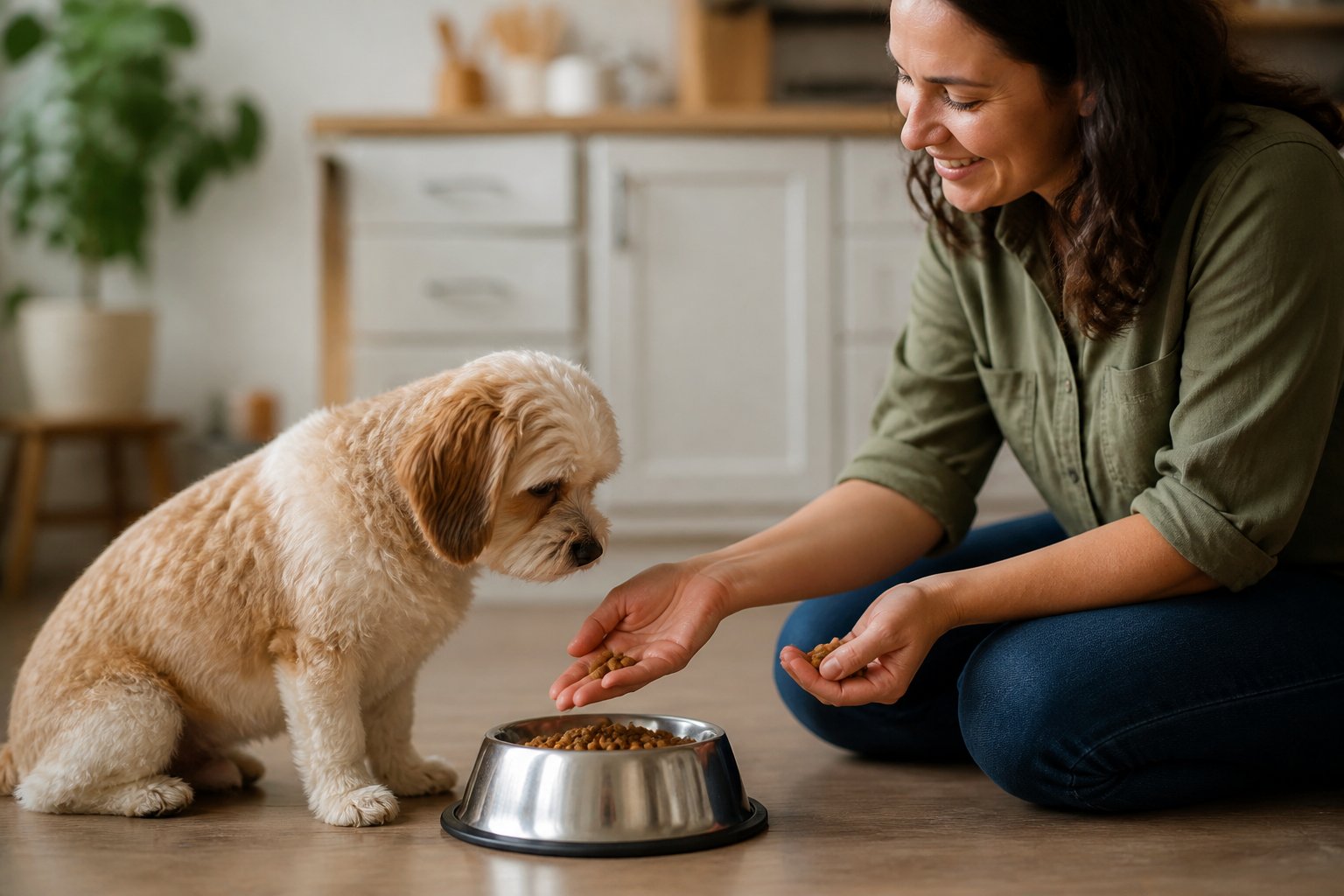
You pour the kibble into the bowl, and the sound usually brings your dog running. But today, they trot over, take a single sniff, and let out a heavy sigh before walking away. This moment is incredibly frustrating for any pet owner. You worry about their nutrition, their health, and frankly, the cost of the food going to waste. At BaxterBoo, we talk to pet owners every day who are navigating this exact struggle. Whether your dog is a naturally fussy eater or has suddenly decided that dry food is no longer on the menu, there are several proven strategies to get them back on track. This article covers how to rule out health issues, identify behavioral causes, and use simple kitchen hacks to make kibble irresistible. Our goal is to help you build a stress free mealtime routine that works for your household, starting with our dry dog food category.
Rule Out Medical Issues First
Before you assume your dog is simply being stubborn, you must ensure they are not in pain or feeling unwell. A sudden refusal to eat dry food is often a physical signal rather than a personality trait. Dry food is hard and requires significant chewing force. If your dog has a cracked tooth, inflamed gums, or an abscess, the crunch of kibble can be painful. You might notice them dropping pieces of food or tilting their head strangely while trying to chew.
Gastrointestinal issues can also make a dog wary of their bowl. If a specific food makes them feel nauseous or gives them a stomach ache, they will quickly learn to avoid it. This is a survival instinct. Senior dogs may also experience a decline in their sense of smell or taste. If they cannot smell the food, they are much less likely to be excited about eating it.
Vet Tip: If your dog refuses to eat for more than 24 hours, or if they show signs of lethargy, vomiting, or diarrhea, contact your veterinarian immediately. A professional exam can rule out dental disease, infections, or underlying organ issues that might be affecting their appetite.
The Role of the BaxterBoo Pharmacy
Sometimes a dog refuses dry food because of a diagnosed health condition like kidney disease, diabetes, or severe food allergies. In these cases, your veterinarian might prescribe a specific therapeutic diet. These foods are formulated to manage symptoms and support your dog’s internal systems.
Through our partnership with Pet's Choice, we provide a full service pharmacy that carries FDA approved medications and prescription pet foods. If your vet determines that a medical condition is the root cause of your dog’s pickiness, you can easily source their specialized diet through our pet pharmacy. This ensures your pet gets the exact nutrition they need to manage their health while enjoying the convenience of home delivery.
Behavioral Reasons for Kibble Refusal
If your vet gives your dog a clean bill of health, the issue is likely behavioral. Dogs are incredibly smart and can be masters of manipulation. If they know that refusing kibble eventually leads to a topping of grilled chicken or a spoonful of peanut butter, they will hold out for the better option. This is often called the "waiting game."
Treats can also be a major culprit. If your dog gets several treats throughout the day, they may simply not be hungry when dinner time rolls around. Think of it like a child eating cookies all afternoon and then refusing their vegetables at night. To fix this, you have to be consistent with your rules.
- Limit treats to 10% or less of their daily calories.
- Stop feeding table scraps entirely while you are troubleshooting their diet.
- Ensure everyone in the household is following the same rules.
- Avoid hovering over the bowl, which can create mealtime anxiety.
Key Takeaway: Dogs often learn that refusing their regular food results in getting high value human food. Breaking this cycle requires consistency from every human in the house.
The 30 Minute Rule
One of the most effective ways to train a dog to eat their dry food is the 30 minute rule. This method teaches your dog that food is a limited resource. When it is time for dinner, put the bowl down and walk away. Give them exactly 30 minutes to eat. If they have not touched it or have only eaten a few bites, pick the bowl up and put it away.
Do not offer treats or alternative meals until the next scheduled feeding time. When that time comes, put the same dry food back down for another 30 minutes. Most healthy dogs will not starve themselves. Eventually, hunger will overcome their stubbornness, and they will realize that the kibble in the bowl is their only option.
Enhancing Aroma and Texture
Dogs rely heavily on their sense of smell to decide if something is worth eating. Dry kibble sitting in a bag can lose its aroma over time. You can reactivate those smells by adding a little warmth.
One simple trick is to add a splash of warm water or low sodium bone broth to the bowl. Let it sit for a few minutes so the kibble softens and the scent intensifies. The warm liquid creates a gravy that coats the pieces, making the texture much more appealing than plain, hard nuggets. You can also try popping the bowl in the microwave for five to ten seconds, but be very careful to check for hot spots before serving. If you want more storage help, our guide on how to keep dry dog food fresh once opened can help preserve that aroma.
Quick Answer: To get a dog to eat dry food, try adding warm water or bone broth to enhance the smell, or use a high quality topper like freeze dried raw mixers. If the dog is healthy, use the 30 minute rule to establish that mealtime is not optional.
Using High Quality Toppers
If your dog needs a bit more encouragement, toppers are a fantastic bridge. However, you should use them strategically. Instead of just plopping a piece of cheese on top, which they can easily pick off, try a topper that can be thoroughly mixed into the kibble.
At BaxterBoo, we carry several brands that specialize in these nutritional boosters. Stella & Chewy's products offers freeze dried raw meal mixers that can be crumbled over the food. The Honest Kitchen makes pour overs and stews that coat every piece of kibble in a tasty sauce. When you mix these in well, the dog cannot pick out the "good stuff" without eating the dry food too. Over time, you can gradually reduce the amount of topper until they are back to eating plain kibble.
Types of Toppers to Try:
- Freeze Dried Raw: These are packed with flavor and provide a boost of protein.
- Bone Broth: Specifically formulated for pets, these add moisture and joint support.
- Canned Wet Food: A few tablespoons of a high quality wet food like Farmina or Tiki Dog can transform a dry meal.
- Plain Pumpkin: A dollop of pure canned pumpkin (not pie filling) adds fiber and a new flavor profile.
Environmental Adjustments
Sometimes the problem isn't the food, but the bowl or the location. Some dogs are sensitive to the sound of their collar tags clinking against a metal bowl. This can be startling, especially for shy or anxious dogs. Try switching to a ceramic or BPA free plastic bowl to see if the silence helps them focus on eating.
The location of the bowl matters too. If the food is in a high traffic area like a busy kitchen, a distracted dog might feel too overstimulated to eat. Try moving the bowl to a quiet corner or a separate room. Some dogs even prefer eating in their crate where they feel safe and enclosed.
The Importance of Food Quality
Not all kibble is created equal. If your dog is consistently refusing a specific brand, they might be reacting to low quality ingredients or artificial fillers. Just like humans, dogs can have preferences for different proteins. A dog that turns their nose up at chicken might thrive on a fish or lamb based recipe.
Look for brands that prioritize real meat as the first ingredient and avoid heavy chemical preservatives. NutriSource products focus on high quality sourcing and palatability. If you decide to switch brands, do it slowly over seven to ten days. Start by mixing 25% of the new food with 75% of the old food, gradually increasing the ratio. This prevents stomach upset and gives their palate time to adjust. For more storage context, our guide on how long dry dog food stays fresh once opened can also help you plan a smoother transition.
Bottom line: A higher quality food with better ingredients naturally smells and tastes better to your dog, making them more likely to eat it without extra coaxing.
Exercise and Hunger
A tired dog is often a hungry dog. If your pet spends most of the day lounging on the couch, they might not be burning enough energy to feel true hunger at dinner time. Increasing their physical activity can naturally stimulate their appetite.
Try taking a long walk or having a vigorous play session about 30 minutes before mealtime. This gives them time to cool down and settle before the bowl hits the floor. Using puzzle toys, like those made by Kong, can also help. Sometimes a dog who refuses to eat from a bowl will happily eat their kibble if they have to "hunt" for it by batting a toy around. This taps into their natural foraging instincts and turns mealtime into a rewarding game.
Step-by-Step Transition to Dry Food
If you are trying to move a dog from a strictly wet food diet to dry food, you cannot do it overnight. The texture difference is significant, and their digestive system needs time to catch up.
Step 1: Start by adding a small handful of dry kibble to their usual wet food. Step 2: Use a fork to mash the wet food around the dry pieces so they are fully coated. Step 3: Every two days, slightly increase the amount of dry food while decreasing the wet food. Step 4: Gradually decrease the amount of water or mashing until they are eating the kibble with just a light coating of wet food. Step 5: Eventually, transition to plain dry food, perhaps using a splash of broth if they still prefer some moisture.
Summary of Success Strategies
Getting a dog to eat dry food requires a mix of patience, high quality products, and firm boundaries. By ruling out pain and focusing on routine, you can turn mealtime from a struggle into a positive experience.
- Check for dental issues or mouth pain.
- Establish a 30 minute window for eating.
- Use warm water or broth to boost aroma.
- Incorporate high quality toppers like Stella & Chewy's.
- Increase physical activity before meals.
- Ensure the feeding environment is quiet and comfortable.
We are proud to have served the pet community since 2006, offering over 500 trusted brands. If you find a food your dog loves, consider signing up for our Autoship programme. It saves you money on your first order and ensures you never run out of your dog’s favorite kibble. Plus, you can earn more through the MVP Rewards programme.
Key Takeaway: Success comes from consistency. Once you find a healthy dry food and a routine that works, stick to it to prevent your dog from regressing into picky habits.
FAQ
Why did my dog suddenly stop eating dry food but still eats treats?
This is usually a sign of a behavioral preference rather than a health crisis. Your dog has likely learned that if they skip the "boring" kibble, they will eventually be rewarded with high value treats or table scraps. To fix this, you must temporarily stop all treats and stick to a strict meal schedule until they resume eating their dry food.
Can I leave dry food out all day for my picky dog?
Free feeding, or leaving food out 24/7, is generally discouraged for picky eaters. It removes the motivation to eat because the food is always there, and it makes it harder for you to monitor exactly how much they are consuming. Scheduled mealtimes create a sense of anticipation and help regulate their digestive system.
Is it okay to mix human food into my dog's kibble?
While small amounts of plain chicken or vegetables are safe, doing this regularly can encourage pickiness. Your dog may learn to pick out the human food and leave the kibble behind. If you want to add flavor, it is better to use a dedicated pet topper or bone broth that can be thoroughly mixed into the entire bowl.
Should I change my dog's food if they won't eat it?
If your dog has been eating the same food for a long time and suddenly stops, check the bag for a "best by" date or signs of spoilage. If the food is fresh and they are healthy, try the 30 minute rule first. Only switch brands if the pickiness persists for more than a week, and always transition to the new food slowly to avoid upsetting their stomach.






