
 Save 15% on your 1st Autoship learn more

 Email us
 Live Chat
 FAQs
FAQs





Introduction
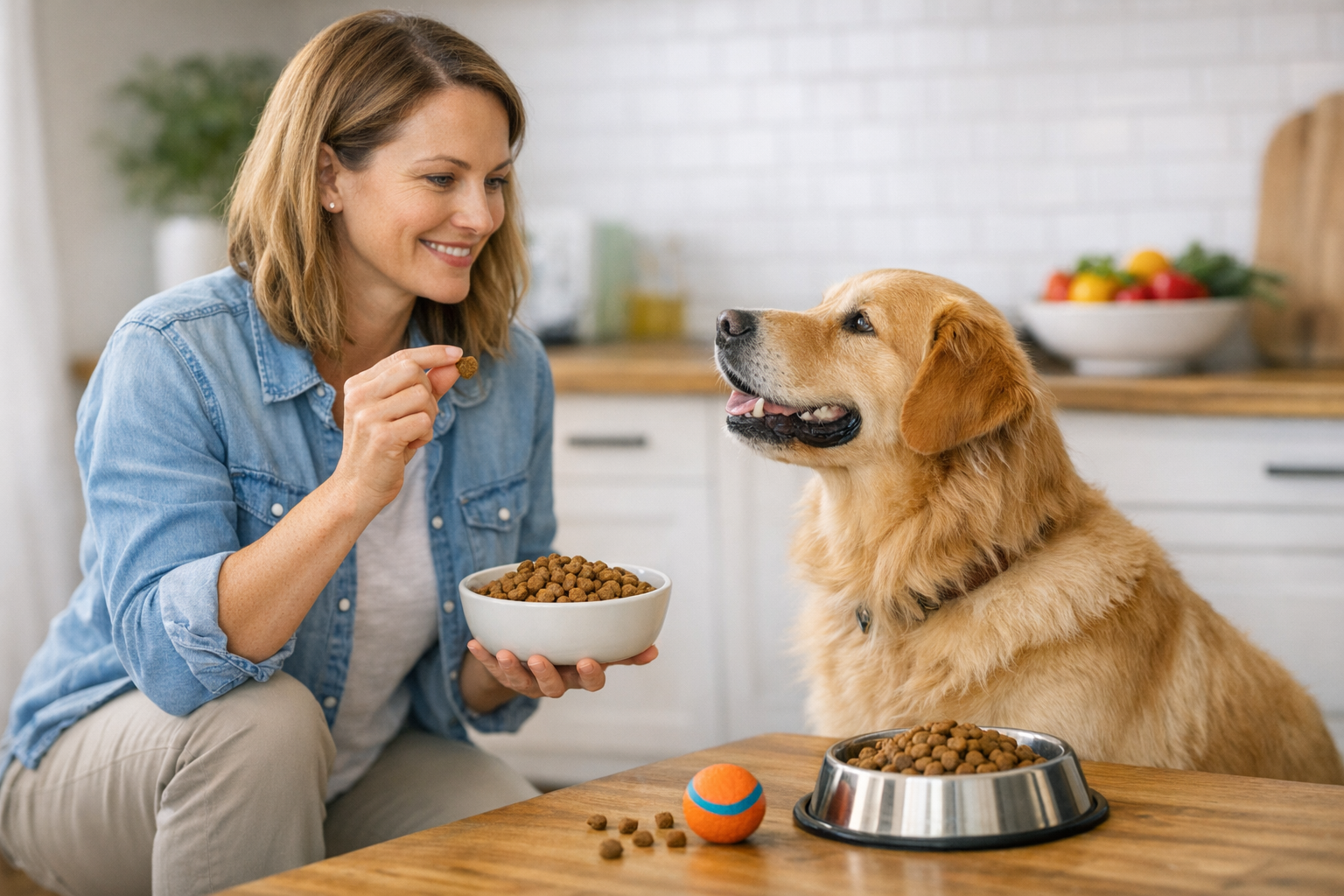
It is a familiar and frustrating scene for many dog owners. You fill the bowl with high quality kibble, but your dog takes one sniff and walks away. They might look at you with pleading eyes, hoping for a bit of your dinner instead. This sudden rejection of dry food can be worrying, especially if your dog used to enjoy their meals. At BaxterBoo, we understand that mealtime should be a happy experience for both you and your pet, and our dog food category is a helpful place to start. This guide will walk you through the common reasons for this behavior and provide practical solutions to spark that appetite once more. We will cover everything from checking for health issues to simple tricks that make dry food irresistible. Our goal is to help you build healthy eating habits that last a lifetime.
Quick Answer: To get a dog to eat dry food again, first rule out dental or medical issues with a vet. If they are healthy, try adding warm water or a tasty topper like bone broth to the kibble. You should also limit treats and stick to a strict 15 to 30 minute feeding window to discourage picky behavior.
Rule Out Medical and Physical Issues First
Before you assume your dog is just being stubborn, you must ensure there is not a physical reason for their lack of appetite. A sudden change in eating habits is often the first sign that a dog is not feeling their best. Dogs are masters at hiding pain, so you have to look closely for subtle clues.
Check for Dental Pain
If your dog is interested in food but hesitates to crunch down on kibble, they may have a dental problem. Broken teeth, inflamed gums, or periodontal disease can make chewing hard food very painful. You might notice them dropping food from their mouth or chewing only on one side. If they eagerly eat soft treats but ignore their dry food, their teeth are likely the culprit.
Consider Gastrointestinal Distress
An upset stomach can make any food look unappealing. This might be caused by a mild bug, a food sensitivity, or a more chronic condition like inflammatory bowel disease. If your dog is also experiencing vomiting, diarrhea, or a gurgling stomach, they probably need a break from heavy meals. Sometimes a transition to a specialized diet is necessary to soothe their system.
The Role of Prescription Diets
In some cases, a vet might determine that your dog needs a specific prescription diet to manage a health condition. These foods are formulated to support pets with kidney issues, urinary stones, or severe allergies. Our pet pharmacy carries a wide range of FDA approved prescription pet foods through our partnership with Pet's Choice. If your vet recommends a medicated or therapeutic diet, we can help you get those specialized meals delivered right to your door.
Vet Tip: If your dog refuses all food for more than 24 hours, or if they stop drinking water, contact your veterinarian immediately. Sudden weight loss or lethargy combined with a lack of appetite can indicate a serious underlying condition that requires professional diagnosis.
Evaluate the Quality and Freshness of the Kibble
Sometimes the problem is not with the dog, but with the food itself. Dogs have a sense of smell that is vastly superior to ours. They can detect when food has gone stale or rancid long before we can.
Check the Expiration Date
It sounds simple, but always check the date on the bag. If the food is past its prime, the nutrients may be breaking down. Even if it is within the expiration window, the food can spoil if it was not stored correctly at the warehouse or in your home.
Proper Storage is Key
Kibble contains fats and oils that can go rancid when exposed to air, light, and heat. Once you open a bag of dog food, it generally stays fresh for about two to three weeks. If you buy massive bags for a small dog, the food at the bottom of the bag may be stale by the time you reach it. For more storage help, our dog food storage tips cover the basics.
- Keep the food in its original bag and place that bag inside an airtight container.
- Store the container in a cool, dry place rather than a garage or a damp basement.
- Wash the storage container between bags to remove old oils that can contaminate new food.
Formula Changes
Pet food manufacturers occasionally update their recipes. Even a small change in a minor ingredient can change the aroma or flavor enough to put off a sensitive dog. If you just started a new bag and your dog is refusing it, check the label for "new and improved" markings.
Addressing Behavioral Pickiness
If your vet has given your dog a clean bill of health and the food is fresh, you are likely dealing with a behavioral issue. Many dogs are simply smart enough to know that if they hold out, they might get something better.
The "Treat" Trap
It is very easy to overdo it with treats. If your dog gets high value snacks like cheese, chicken, or commercial jerky throughout the day, their boring brown kibble will not seem very exciting. If they fill up on treats, they simply will not be hungry enough to eat their balanced meal. If you need more options, our dog treats category can help you compare different treat styles.
- Treats should never exceed 10 percent of your dog's daily calories.
- If your dog refuses dinner, do not give them a treat later to "make up for it."
- Use pieces of their actual kibble as training rewards during the day.
Table Scrap Temptation
Feeding from the table is the fastest way to create a picky eater. Once a dog has tasted seasoned human food, plain dry kibble feels like a downgrade. This behavior is reinforced every time someone drops a piece of crust or a bit of meat. Everyone in the household must be on the same page about not feeding the dog from the table.
Attention Seeking Behavior
Some dogs realize that refusing to eat gets them a lot of attention. You might hover over them, hand feed them, or talk to them in a worried voice. This attention is a reward in itself. By trying to coax them to eat, you might accidentally be encouraging them to continue their strike.
Key Takeaway: Picky eating is often a learned behavior. If your dog knows that refusing kibble leads to table scraps or hand feeding, they will continue to hold out for the better option.
Simple Ways to Make Kibble More Appealing
You do not necessarily need to switch foods to get your dog eating again. Often, a few small tweaks to the presentation can make a big difference.
Add Warm Water
This is the easiest and cheapest trick in the book. Adding a splash of warm water to the bowl does two things. First, it softens the kibble, which is helpful for older dogs. Second, the heat releases the fats and aromas in the food, making it smell much more appetizing. Let it sit for a few minutes so the water creates a bit of a "gravy" around the pieces.
Use Healthy Toppers
A topper can provide the extra flavor boost your dog is looking for. You do not need a lot to make an impact. A good place to browse is our food topper and broths selection.
- Bone Broth: Use a dog safe version without added salt, onions, or garlic. It adds moisture and a rich meaty flavor.
- Salmon Oil: Brands like Zesty Paws or Honest Paws offer oils that smell great to dogs and support skin and coat health.
- Plain Yogurt: A spoonful of plain, unsweetened yogurt provides probiotics and a creamy texture.
- Canned Pumpkin: This is great for digestion and most dogs love the taste. Make sure it is pure pumpkin, not pie filling.
Mix in a Little Wet Food
If your dog is adamant about wanting wet food, try a slow transition. Mix a small amount of high quality wet food into the kibble. Make sure to stir it well so they cannot just pick out the wet chunks. Over time, you can gradually reduce the amount of wet food until they are back to eating plain dry food.
Warm It Up
If you are adding a topper or a bit of wet food, try warming the entire mixture for a few seconds in the microwave. Be very careful to stir it and check for hot spots before serving. The goal is "body temperature," not hot. The increased aroma is often enough to get a dog interested.
Revamping the Feeding Routine
Dogs thrive on structure. If your dog's feeding schedule is unpredictable, their appetite might be too.
The 30 Minute Rule
Stop leaving food out all day. This is called "free feeding," and it often leads to picky habits because the dog knows the food is always there. Instead, put the bowl down for 15 to 30 minutes. If they have not eaten it by then, pick it up and do not offer food again until the next scheduled mealtime. This creates a sense of "use it or lose it" that encourages them to eat when the food is available.
Increase Physical Activity
A tired dog is a hungry dog. If your dog is lounging around the house all day, they might not be burning enough calories to feel truly hungry. Try taking them for a long walk or playing a vigorous game of fetch about 30 minutes before mealtime. This naturally stimulates their metabolism and appetite.
Change the Feeding Environment
Sometimes a dog stops eating because they are stressed or distracted.
- Move the bowl to a quiet corner where they will not be bumped by foot traffic.
- If you have multiple pets, feed them in separate rooms to reduce competition and anxiety.
- Try a different bowl. Some dogs dislike the noise or reflection of stainless steel and prefer ceramic or BPA free plastic.
Make it a Game
If your dog is bored, turn mealtime into a challenge. Instead of using a standard bowl, put their kibble into a puzzle toy like a Kong or a snuffle mat. This taps into their natural foraging instincts and can make the process of eating more rewarding.
Choosing the Right Dry Food
If you have tried the tricks above and your dog still turns their nose up at their current bag, it might be time to look at the ingredients. Not all kibble is created equal.
Focus on High Quality Protein
Look for foods where a named meat (like chicken, beef, or lamb) is the first ingredient. Many grocery store brands rely heavily on corn, wheat, and "by-product meals" which are less digestible and less flavorful. Brands like Stella and Chewy's, Open Farm, or Acana use premium ingredients that naturally smell and taste better to dogs, and our selection of Acana products is one example.
Consider Kibble Size
The size and shape of the kibble matter more than you might think. A tiny Chihuahua may struggle with large, hard nuggets, while a giant breed might find tiny pellets unsatisfying. Many brands offer "Small Breed" or "Large Breed" formulas with kibble sizes tailored to their specific needs.
Rotational Feeding
Some dogs simply get bored eating the same thing every day for years. If your dog has a healthy stomach, you might consider rotational feeding. This involves switching flavors within the same brand. For example, if you feed Farmina, you could switch between their chicken, lamb, and wild boar recipes. This provides a variety of proteins and keeps mealtime interesting.
Bottom line: Investing in a higher quality, protein rich food often solves picky eating issues because the food is naturally more palatable.
Transitioning to a New Food Safely
When you do decide to switch to a different dry food, you must do it slowly. A sudden change can cause stomach upset, which will only make your dog more reluctant to eat. If you want a deeper breakdown, our transitioning your dog to a new food guide is a useful next step.
Step 1: Mix the foods. / Start with 25 percent of the new food and 75 percent of the old food for two to three days.
Step 2: Increase the ratio. / If their stools stay firm, move to a 50/50 mix for another two to three days.
Step 3: Move to mostly new food. / Change to 75 percent new food and 25 percent old food for the final few days.
Step 4: Complete the switch. / If your dog is eating well and feeling fine, you can now feed 100 percent of the new kibble.
When to Seek Expert Guidance
While most cases of picky eating can be solved with routine changes and a few toppers, some situations require professional help. If you have tried the strategies in this guide and your dog is still losing weight or seems weak, do not wait.
Our dog health category can help you explore additional wellness options if your vet diagnoses an allergy or a digestive disorder, and our Autoship programme can help you stay stocked on the food or medicine your dog needs to stay healthy.
Conclusion
Getting a dog to eat dry food again requires a mix of patience, observation, and a little bit of strategy. Start by ensuring they are healthy and that their food is fresh. Address behavioral habits by setting boundaries with treats and table scraps. Use simple enhancements like warm water or bone broth to make the bowl more inviting. By establishing a consistent routine and choosing high quality nutrition from trusted brands, you can turn mealtime from a struggle into a success, and the MVP Rewards programme can add extra value along the way.
- Check for dental pain or illness first.
- Ensure the kibble is fresh and stored in an airtight container.
- Limit treats and stop feeding table scraps entirely.
- Use warm water or salmon oil as a natural flavor booster.
- Stick to a 30 minute feeding window to discourage grazing.
Bottom line: A consistent routine combined with high quality ingredients is the most effective way to maintain a healthy appetite.
FAQ
Why did my dog suddenly stop eating dry food but will still eat treats?
This is usually a sign of a picky eater who has learned that refusing a meal might result in a better tasting snack. Since treats are often higher in fat and stronger in aroma, they are much more tempting than plain kibble. If your dog is acting normally and has plenty of energy, try cutting out treats for 24 hours to see if their appetite for kibble returns.
Can I mix wet food with dry food permanently?
Yes, mixing wet and dry food is a perfectly healthy way to feed your dog as long as you balance the total calories. Wet food provides extra hydration and protein, while dry food is often more convenient and economical. Just be sure to stir them together well so your dog does not simply pick out the wet pieces and leave the kibble behind.
How long can a healthy dog go without eating?
A healthy adult dog can typically go for a few days without food as long as they are still drinking plenty of water. However, you should not let a dog go more than 24 to 48 hours without eating before contacting a veterinarian. Puppies and senior dogs are much more sensitive and should be seen by a vet much sooner if they refuse to eat.
Will adding water to kibble cause it to spoil faster?
Yes, once you add water or any wet topper to dry food, the clock starts ticking. Bacteria grow quickly in moist environments, especially in warm weather. You should only add water or toppers right before you serve the meal. If your dog has not finished the moistened food within 30 minutes, you should discard the leftovers rather than leaving them out.






