Save 15% on your 1st Autoship learn more

 Email us
 Live Chat
 FAQs
FAQs





Introduction
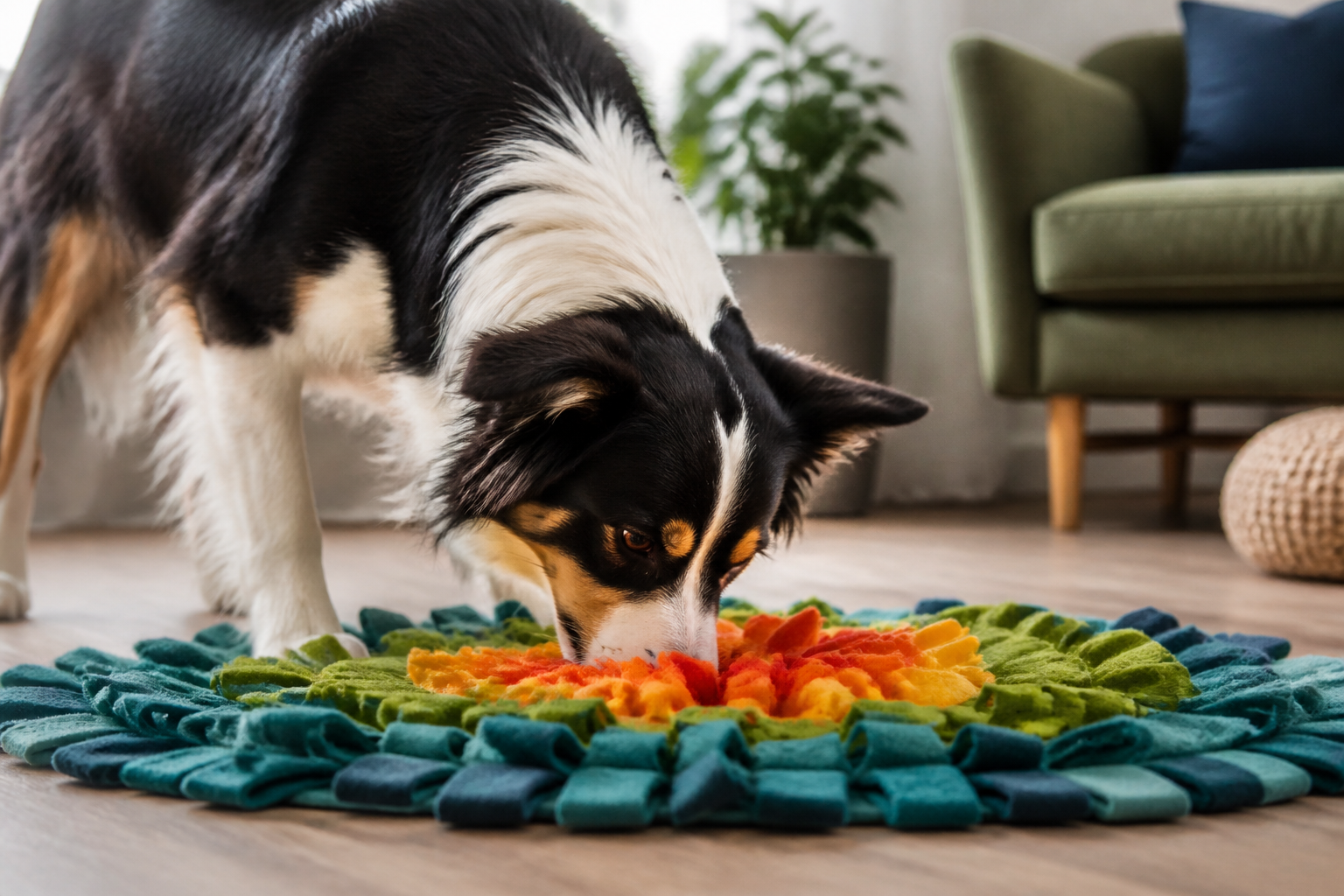
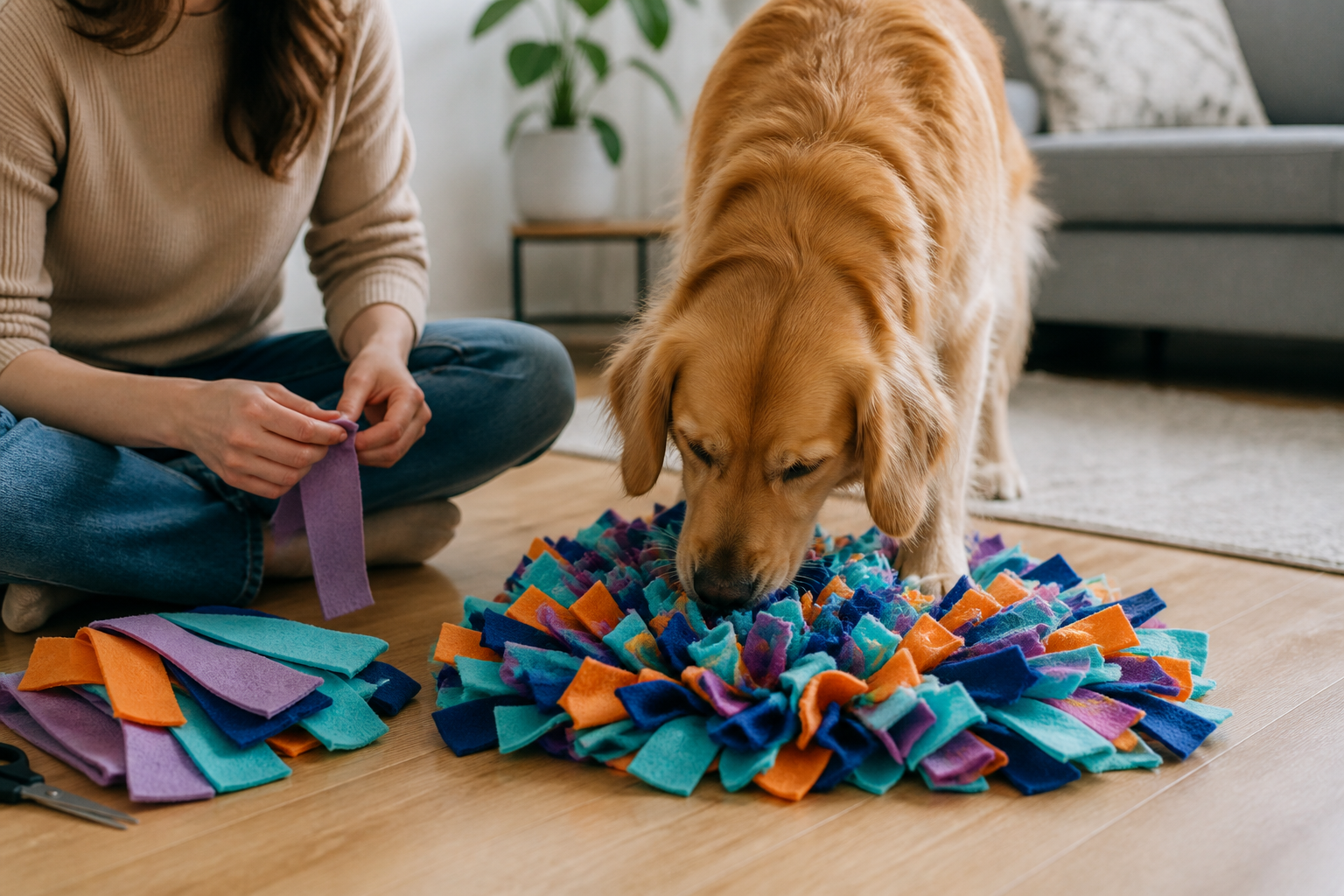
You watch your dog finish a bowl of kibble in under thirty seconds. Then they look up at you, wondering what happens next. On rainy days or during busy work weeks, providing enough mental stimulation for a high-energy dog feels like a second job. This is where scent work comes into play. A snuffle mat is one of the most effective tools for turning mealtime into a brain-training session.
At BaxterBoo, we have helped pet parents find the right enrichment tools since 2006. We know that a bored dog often becomes a destructive dog. Making your own enrichment gear is a budget friendly way to keep your pup engaged. This post covers exactly how to assemble a snuffle mat, why scent work is vital for canine health, and how to use these mats safely. By the end of this guide, you will be able to create a professional quality puzzle toy using simple household materials.
Understanding the Power of Scent Work
Dogs live through their noses. A significant portion of a dog's brain is dedicated to processing smells. When you allow a dog to sniff and search, you are letting them use their most powerful natural instinct. This activity is mentally exhausting in a positive way. Ten minutes of sniffing can be as tiring for a dog as a long walk around the block. For more ideas, explore these dog brain games and enrichment activities.
Many pet owners use these mats to combat "fast eating." If your dog gulps their food, they may swallow excess air. This can lead to digestive upset or more serious conditions like bloat. By hiding kibble inside layers of fleece, you force the dog to find each piece individually. This naturally slows down the pace of the meal. It also encourages "contrafreeloading." This is a behavioral concept where animals actually prefer to work for their food rather than having it handed to them in a bowl.
Quick Answer: A snuffle mat is a DIY enrichment toy made by tying fleece strips to a sturdy plastic or rubber grid. It mimics the grass or brush where a dog would naturally forage for food. Owners hide dry kibble or treats inside the fabric to provide mental stimulation and slow down fast eaters.
Benefits of Foraging Toys
Foraging toys provide several layers of support for a dog's well-being. They are not just for fun. They serve specific functional purposes in a daily routine.
- Anxiety Reduction: Sniffing lowers a dog's heart rate. It is a self-soothing behavior that can help calm an anxious puppy or a dog stressed by thunderstorms.
- Weight Management: When dogs eat slowly, their brains have more time to register that they are full. This can prevent overeating.
- Mental Sharpness: Foraging requires focus and problem-solving. This is especially helpful for senior dogs who need to keep their minds active.
- Physical Limitations: If your dog is recovering from surgery or has limited mobility, a snuffle mat provides activity that does not require running or jumping.
Essential Supplies for Your Project
You do not need specialized equipment to build a high quality mat. Most of these items are available at local hardware or craft stores. You can also upcycle materials you already have at home.
The base of the mat is the most important part. You need something with a grid pattern. A rubber sink mat or a plastic floor protector works best. These are sturdy enough to stay on the floor while the dog roots around. They are also flexible enough to handle the weight of the fabric.
For the fabric, fleece is the gold standard. It does not fray when you cut it. It is also soft on a dog's nose. You will need about one and a half to two yards of fleece. You can use different colors to make the mat look vibrant, but your dog will not care about the aesthetics. They are only interested in the hidden treasures inside.
Shopping List
- One rubber or plastic sink mat (typically 12 by 15 inches)
- 1.5 to 2 yards of anti-pill fleece
- Fabric scissors or a rotary cutter
- A ruler or measuring tape
- A sturdy workspace
Key Takeaway: Choose a heavy rubber base to prevent the mat from sliding across the floor. Use anti-pill fleece because it remains durable after many washes and does not shed fibers that a dog might accidentally ingest.
Step-By-Step Assembly Guide
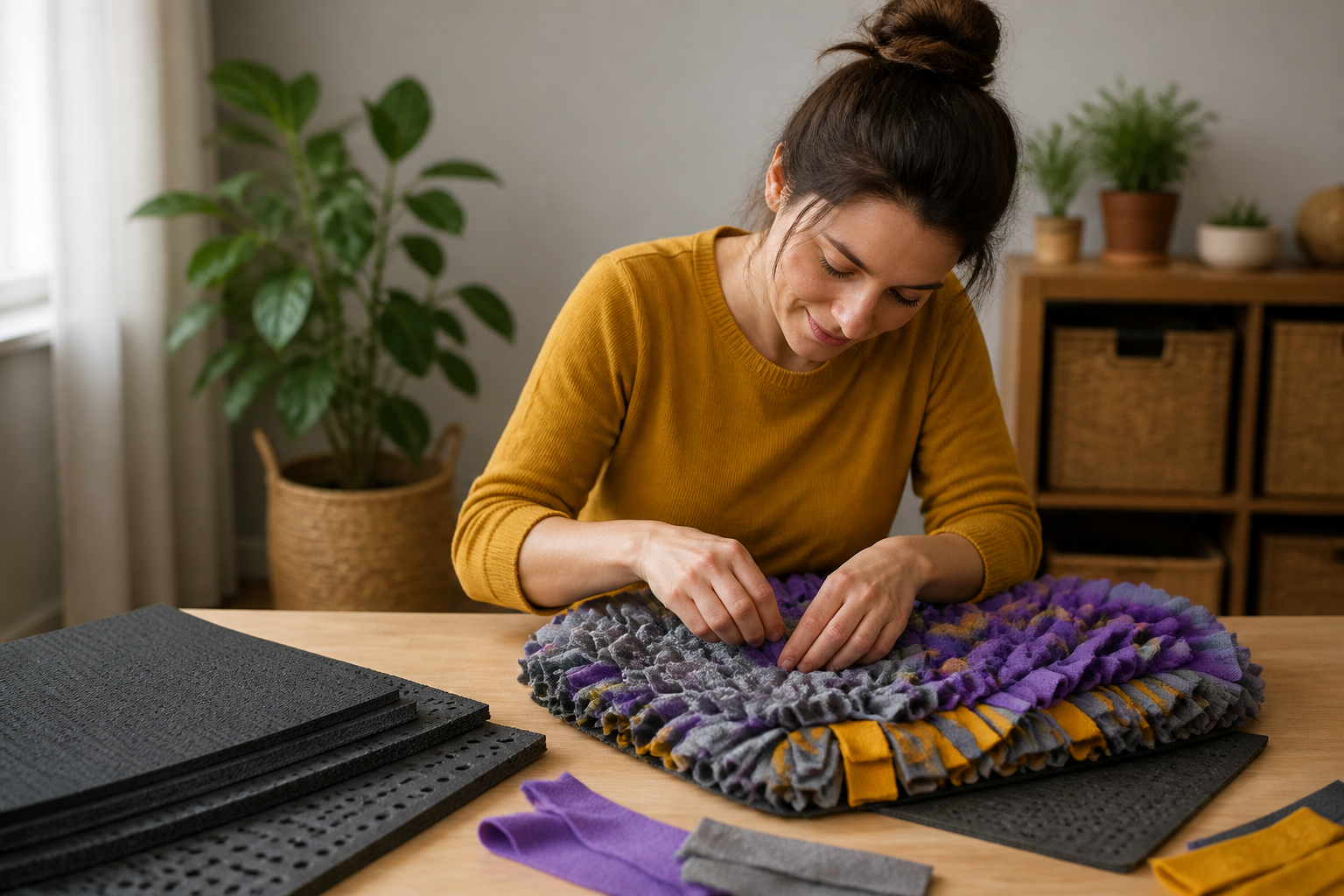
Building the mat is a repetitive process. It is a great activity to do while watching a movie. Expect the project to take about two hours from start to finish.
Step 1: Prepare the Fleece Strips
Start by laying your fleece flat on your workspace. Use your ruler to measure out strips. You want each strip to be approximately one inch wide and six to eight inches long. Do not worry about making the edges perfectly straight. Once the mat is full, the irregularities actually help hide the treats better.
If you are using a rotary cutter, you can layer the fleece to cut multiple strips at once. If you are using scissors, just work through one section at a time. You will need a lot of strips. A standard 12 by 15 inch mat usually requires between 200 and 300 individual pieces of fabric.
Step 2: Begin Tying the First Row
Take your rubber mat and place it in front of you. Pick up one fleece strip. Push one end of the strip through the first hole in the corner of the mat. Push the other end through the hole immediately next to it.
Flip the mat over and tie the two ends into a single overhand knot. There is no need to double knot the fabric. The friction of the fleece against the rubber will keep it secure. Make sure the "tails" of the knot are sticking up on the top side of the mat.
Step 3: Fill the Horizontal Rows
Continue this process across the entire first row. Work your way through every hole. Once you finish the first row, move to the second. Repeat the process until every horizontal pair of holes has a fleece strip tied through it.
Step 4: Add the Vertical Cross Ties
To make the mat truly dense, you need to tie strips vertically as well. This creates a "forest" of fleece that holds treats in place. Take a new strip and thread it through the first hole of the first row and the first hole of the second row.
Tie it just like you did before. Do this between every row across the entire mat. When you are finished, you should not be able to see the rubber base at all when looking down from the top.
Step 5: The Finishing Touches
Flip the mat over and look at the bottom. If you see any large gaps or empty holes, add a few more strips. Give the mat a good shake to let the fleece "bloom." This fluffing process makes the mat more attractive to your dog and creates better hiding spots.
Vet Tip: While snuffle mats are excellent for slowing down meals, they are not a substitute for medical advice if your dog has chronic digestive issues. If your dog frequently vomits after eating or shows signs of extreme abdominal pain, consult your veterinarian. Our pet pharmacy carries prescription diets and medications for digestive health that may be necessary alongside these enrichment tools.
How to Introduce the Mat to Your Dog
If your dog has never used a foraging toy, they might feel confused at first. Some dogs might try to pick up the whole mat and shake it. Others might try to chew the rubber base. You want to set them up for success by making the first few sessions very easy.
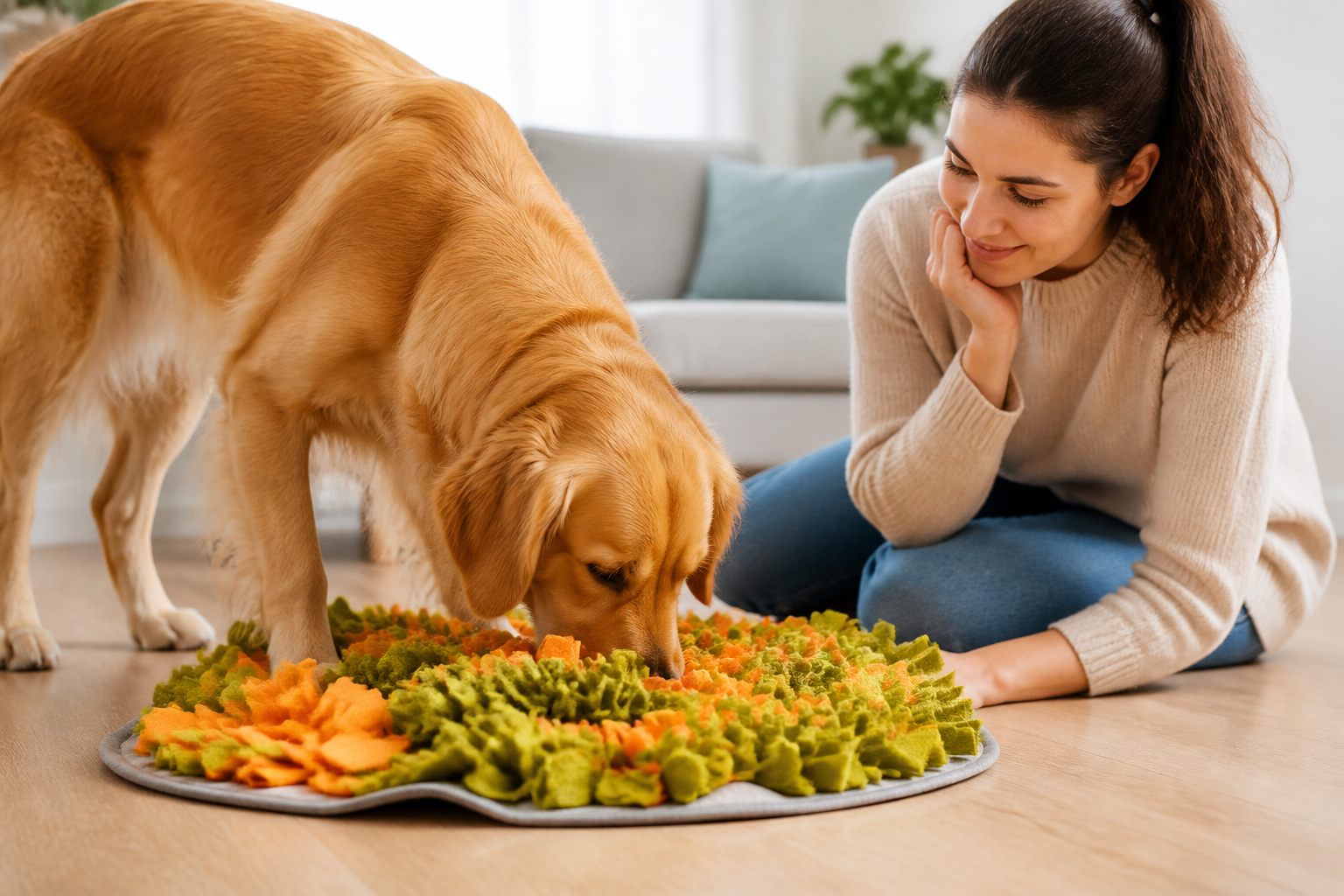
Start by placing the mat on the floor in a quiet area. Sprinkle a few high-value treats right on top of the fleece. Do not hide them deep in the fibers yet. Use a verbal cue like "find it" or "search." Let your dog eat the visible treats. This builds a positive association with the mat.
As your dog gets better at the game, start tucking the treats deeper into the fabric. You can eventually use the mat for their entire meal of dry kibble. If your dog starts to get frustrated or begins chewing the fabric, gently redirect them. The goal is sniffing, not shredding.
Progression Steps
- Level One: Drop five to ten treats on the very top of the fleece.
- Level Two: Gently push treats halfway down into the strips.
- Level Three: Bury treats at the very bottom of the mat and ruffle the fleece.
- Level Four: Use the mat for a full meal of dry kibble.
Bottom line: Always supervise your dog during the learning phase to ensure they are using their nose rather than their teeth to find the food.
Choosing the Right Treats and Kibble
The success of a snuffle mat depends on the reward. If the food is not smelly or exciting, the dog might lose interest. Dry kibble is the standard choice for daily meals. However, for training or high-stress days, you might want to use something more enticing. You can browse our dog treats collection for dry options suited to enrichment games.
We carry many brands at BaxterBoo that are perfect for this activity. Stella and Chewy’s freeze-dried treats are excellent because they have a strong aroma and crumble easily into the mat. The Honest Kitchen also makes "Proper Toppers" which are small and crunchy, making them ideal for hiding deep in the fleece.
Avoid using wet food or very greasy treats. These will make the mat messy and difficult to clean. Stick to dry, shelf-stable options that will not leave a residue on the fabric. If your dog is on a specific weight management plan, remember to subtract the treats used in the mat from their daily calorie count.
Recommended Food Types
- Dry Kibble: Best for daily meal replacement.
- Freeze-Dried Raw: High aroma and very motivating.
- Crunchy Biscuits: Break them into small pieces for longer search times.
- Dehydrated Meat: Low calorie and high value.
Maintenance and Safety
Because the mat holds food, it will eventually get dirty. Saliva and food dust can build up in the fibers. Most DIY snuffle mats are easy to clean if you use the right materials. If you used a rubber sink mat and fleece, you can usually wash the mat on a gentle cycle in your washing machine.
Place the mat inside a pillowcase or a laundry bag before washing. This protects the fleece strips from getting tangled in the machine's agitator. Use a mild, pet-safe detergent. Avoid fabric softeners, as the strong scents can be overwhelming for a dog's sensitive nose. Always air dry the mat. The heat from a dryer can melt the rubber base or damage the fleece.
Safety Precautions
Safety is the priority with any homemade toy. While fleece is durable, it is not indestructible.
- Check for Wear: Inspect the mat before every use. Look for loose strips or pieces of the rubber base that might have been chewed off.
- Supervised Use Only: Never leave your dog alone with a snuffle mat. Once the food is gone, many dogs will start to chew on the mat itself.
- Remove After Use: When your dog is finished sniffing, pick the mat up and put it away. This keeps the toy "special" and prevents it from becoming a chew toy.
- Choking Hazards: If your dog is a "gulper," ensure the treats you use are an appropriate size for their breed.
Addressing Health and Behavior Through Enrichment
Enrichment is often a key part of managing behavioral health. We see many owners looking for ways to help senior dogs who are experiencing cognitive decline. Scent work provides a way for these older pets to stay engaged without putting stress on their joints. For senior support, we often recommend combining enrichment with supplements like Cosequin or Senilife, which are available through our partnership with our pet pharmacy.
If your dog is dealing with separation anxiety, a snuffle mat can be a helpful tool in a "departure routine." Giving your dog a mat to work on as you leave the house can shift their focus from your departure to the reward. This creates a more positive transition. However, always consult a professional trainer or your vet if your dog has severe anxiety. You can also find more ideas in this guide to indoor enrichment for dogs and cats.
Managing Weight and Digestion
Obesity is a common health struggle for many American pets. A snuffle mat can help in a weight loss journey. By slowing down the eating process, the dog feels more satisfied with a smaller amount of food. If your vet has prescribed a specific weight management diet, like Farmina Vet Life, you can still use it in the mat.
If you are managing a chronic condition, our pharmacy can help. We offer FDA approved medications and prescription diets for various needs. Using a snuffle mat to deliver these specialized foods can make the transition to a new diet easier for a picky eater. You can even set up an Autoship order for your pet's food to ensure you never run out of the kibble your dog loves to find.
Troubleshooting Common Issues
Not every dog takes to a snuffle mat immediately. Some might be too rough, while others might be too indifferent.
If your dog tries to flip the mat, it usually means the game is too hard. Go back to Level One and leave the treats right on top. You can also try using a heavier base. If the mat is sliding, you can place it on a non-slip rug or a yoga mat to give it more grip.
If your dog is losing interest, try a "jackpot" reward. Hide one very high-value treat, like a piece of freeze-dried liver, at the very bottom. The strong scent will encourage them to keep searching through the more common kibble pieces.
Key Takeaway: Success with a snuffle mat requires patience. Tailor the difficulty to your dog's specific personality and skill level to prevent frustration.
Building a Routine
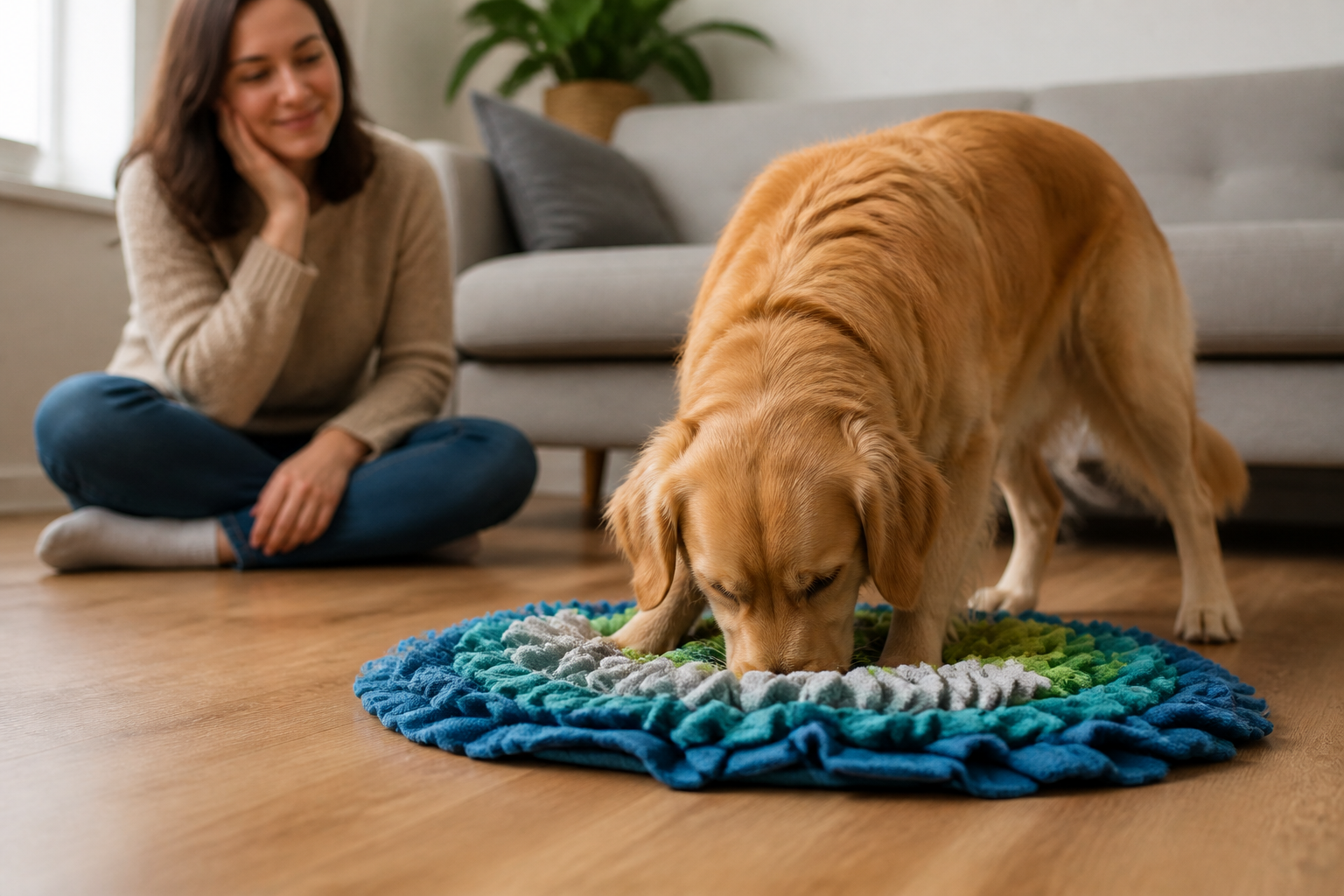
For the best results, incorporate the mat into a daily routine. Use it during times when your dog is naturally most active or when you need them to be quiet. Many owners find that using the mat during the "zoomies" hour in the evening helps the dog settle down for the night.
You can also rotate the mat with other puzzle toys. If the dog uses the same toy every day, they might become too efficient at it. Rotating a snuffle mat with a Kong or a lick mat keeps the mental challenge fresh. We recommend having three or four different types of enrichment toys to keep your dog's brain working in different ways. For additional options, browse our dog toys collection.
Our MVP Rewards program is a great way to save on these supplemental toys and treats. As you build your enrichment kit, you can earn points on every purchase of fleece-friendly snacks and durable gear.
Final Steps for Your DIY Project
Creating a snuffle mat is a rewarding way to show your pet some extra love. It costs very little but provides hours of entertainment and health benefits. By following the horizontal and vertical tying method, you will create a durable tool that stands up to enthusiastic sniffing.
Remember to keep the experience positive. Start slow, supervise every session, and keep the mat clean. Whether you are helping a puppy burn off energy or keeping a senior dog's mind sharp, scent work is a gift that every dog appreciates.
Next time you visit the BaxterBoo warehouse in Vernon Hills or browse our online shop, look for high-value treats that will make your new snuffle mat the highlight of your dog's day.
Bottom line: A DIY snuffle mat is a simple, effective way to improve your dog's mental health, slow down their eating, and provide a productive outlet for their natural foraging instincts.
FAQ
Can I use a snuffle mat for my cat?
Yes, cats can benefit from snuffle mats as well. While they are often marketed for dogs, cats have a strong hunting instinct and enjoy foraging for dry treats or kibble. A smaller mat with shorter fleece strips is often better suited for a cat's smaller nose and paws.
How often should I wash the DIY snuffle mat?
You should wash the mat every one to two weeks depending on how often it is used. If you use particularly smelly treats or if your dog drools heavily, you may need to wash it more frequently. Always check for loose fabric or damage after every wash cycle to ensure it remains safe.
Is a snuffle mat safe for a dog that likes to chew fabric?
If your dog is a heavy chewer or has a history of eating non-food items, you must be very careful. Only use the mat under strict supervision and remove it immediately once the food is gone. If your dog starts to bite and pull the fleece, a hard plastic puzzle toy might be a safer alternative for their enrichment.
What size should the fleece strips be for a large dog?
For larger breeds, you can make the strips slightly longer, around eight to ten inches. This creates a deeper "field" for them to search through. However, the width should stay around one inch so that the knots do not become too bulky on the base of the mat.