Save 15% on your 1st Autoship learn more

 Email us
 Live Chat
 FAQs
FAQs





Introduction
You watch your dog inhale their dinner in under thirty seconds. Then they spend the next hour pacing the living room with leftover energy. This is a common struggle for many pet owners who want to provide better mental stimulation without breaking the bank. At BaxterBoo, we believe that enrichment should be accessible to every family. This post covers exactly how to assemble a homemade snuffle mat using affordable supplies. You will learn the best materials to use and the steps to create a durable foraging toy. Using these simple tools helps redirect your dog’s natural instincts into a productive and calming activity.
What Is a Snuffle Mat?
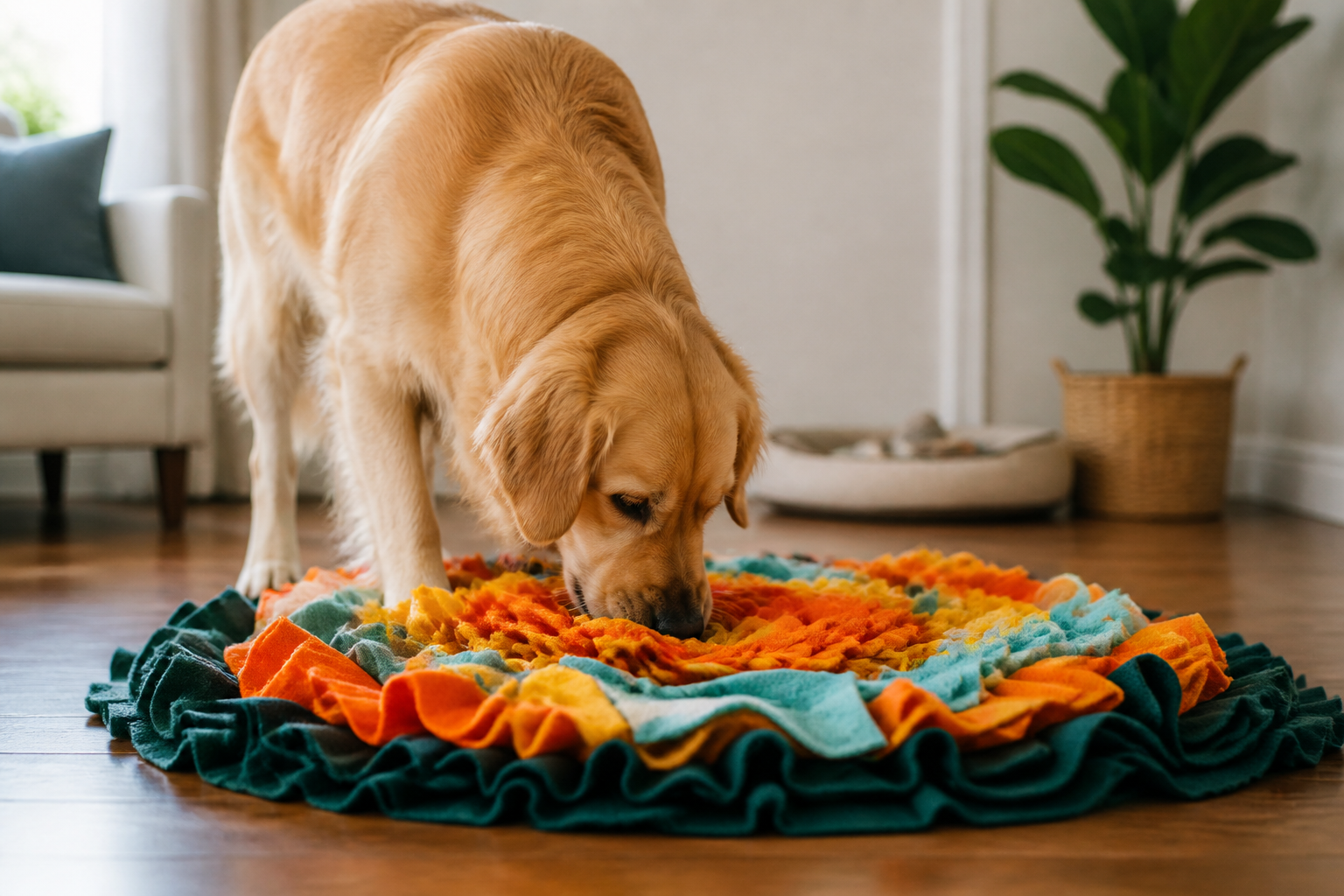
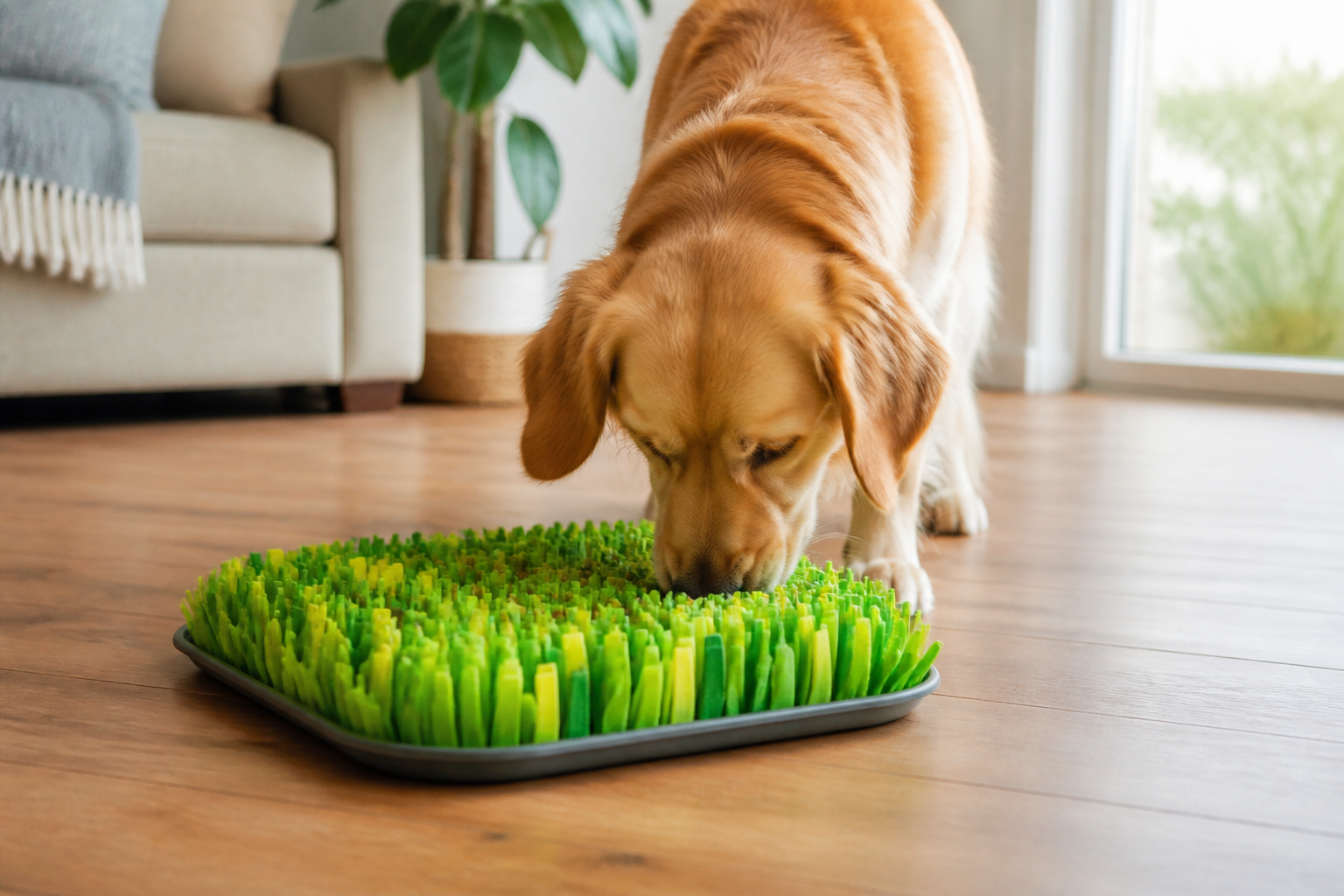
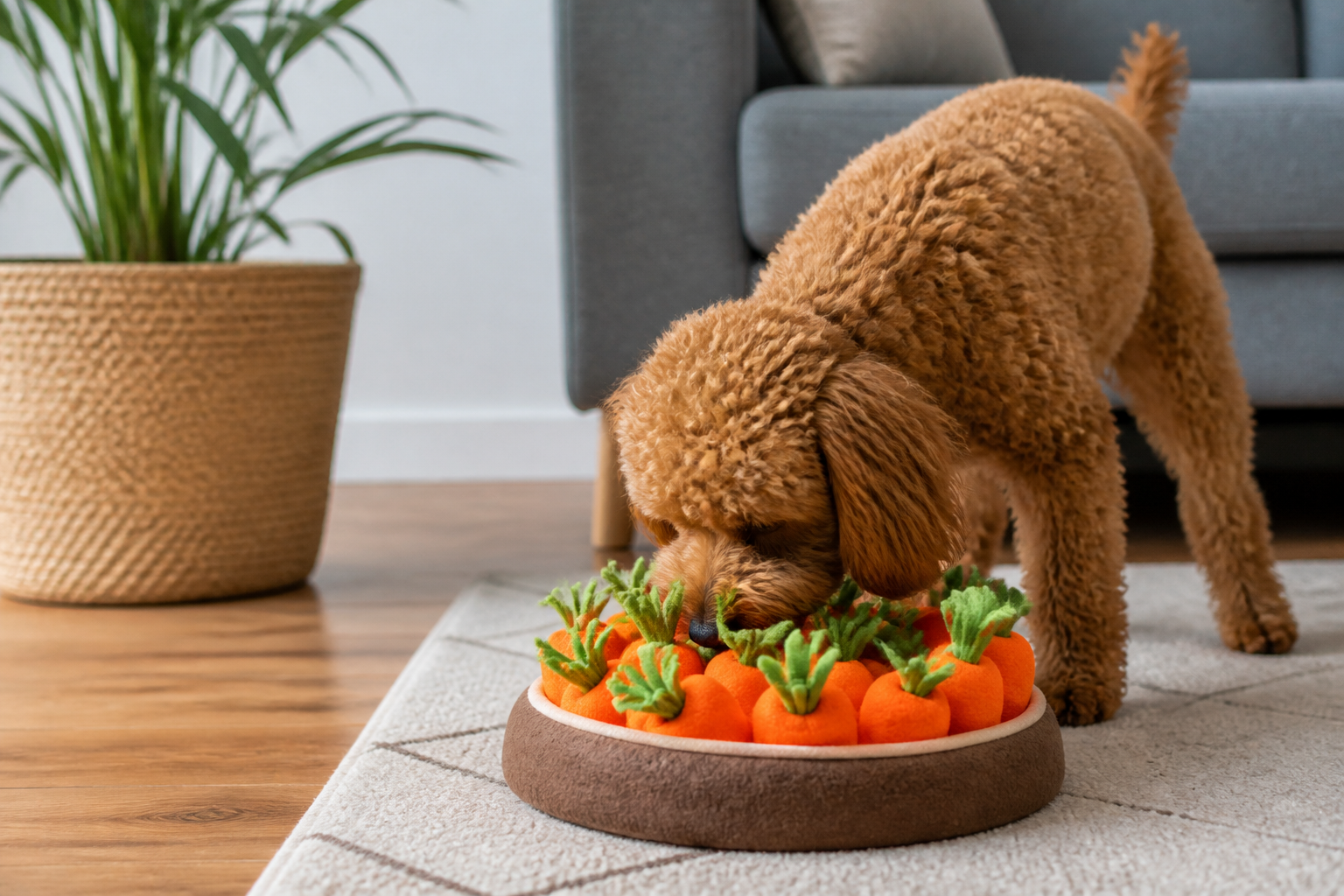
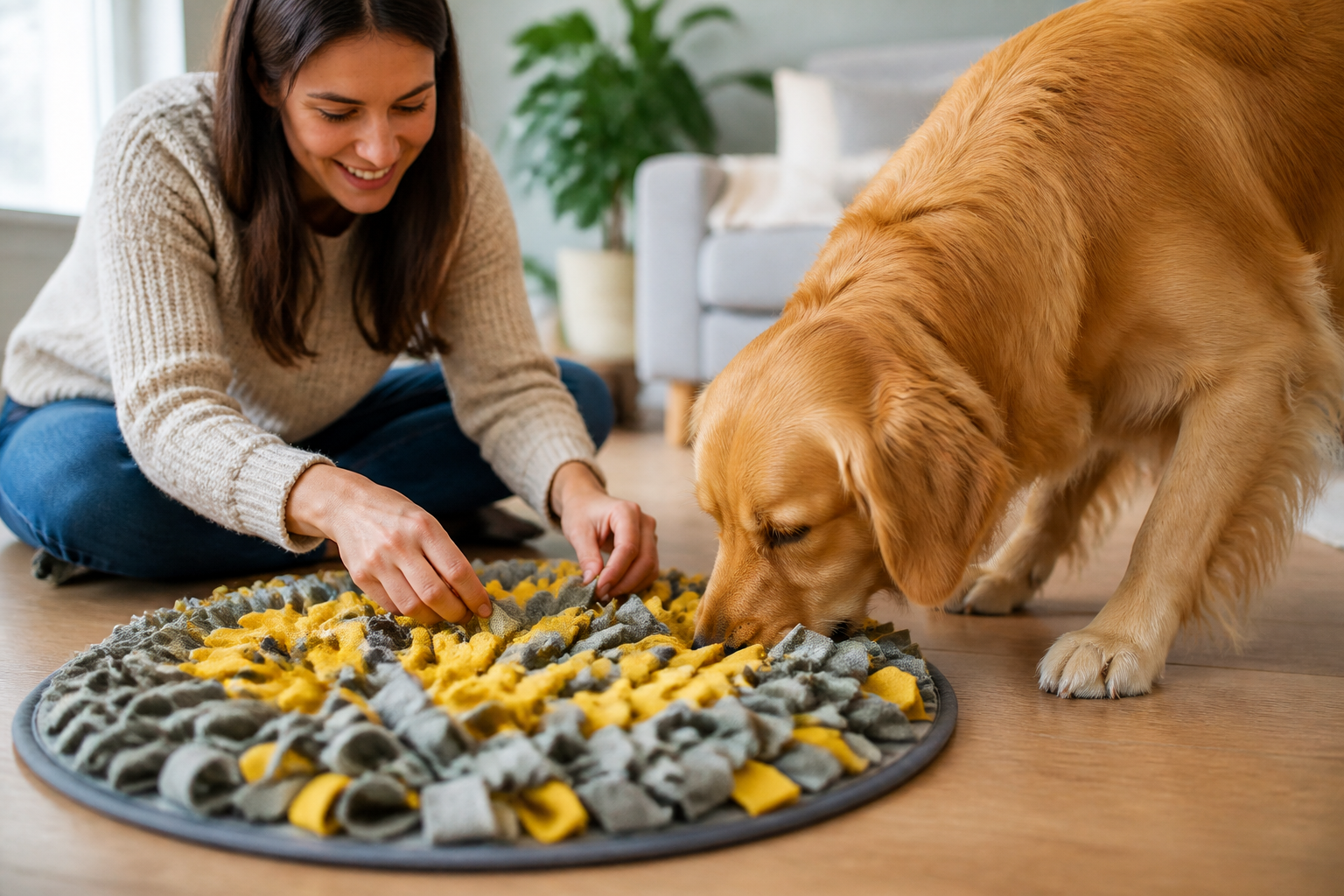
A snuffle mat is an enrichment tool designed to mimic the grass or brush where wild canines would naturally forage for food. It consists of a sturdy base with hundreds of fabric strips tied through it. These strips create a dense thicket where you can hide dry kibble or small treats. Your dog must then use their nose to locate and extract every piece.
This activity is often called nose work. It is a powerful way to engage a dog’s brain because their sense of smell is their primary way of processing the world. When a dog sniffs, their heart rate often lowers and they enter a state of focused calm. For many dogs, fifteen minutes of intense sniffing can be as tiring as a long walk around the block. For more enrichment ideas, explore these dog brain games and scent activities.
Quick Answer: A snuffle mat is a DIY foraging toy made of fleece strips tied to a rubber base. It provides mental stimulation by forcing dogs to use their sense of smell to find hidden treats.
The Benefits of Homemade Enrichment
Making your own gear allows you to customize the size and density of the mat to fit your specific pet. If you have a large breed like a Labrador, you can connect multiple mats to create a larger foraging surface. If you have a small terrier, you can use shorter strips that are easier for them to navigate.
Building a mat at home is also a significant cost saver. Store-bought enrichment toys can be expensive. By using scraps or discount materials, you can create a high-quality tool for a fraction of the price. This is also a great way to recycle old fleece blankets that might otherwise go to waste.
Slowing Down Fast Eaters
One of the most practical uses for a snuffle mat is as a slow feeder. Dogs that eat too quickly can swallow air or experience digestive upset. A snuffle mat forces them to eat one kibble at a time. This physical barrier slows them down and helps them realize they are full before they overeat. You can also compare other options in our dog food category.
Mental Stimulation for Seniors
Senior dogs may not be able to go on long hikes anymore due to joint stiffness or reduced stamina. However, their minds remain active and hungry for engagement. A snuffle mat allows an older dog to "hunt" for their food while lying down comfortably on the floor.
Vet Tip: If your senior dog is managing weight issues or mobility concerns, consult your veterinarian about appropriate calorie counts. Our pharmacy offers prescription weight management diets through our partnership with Pet's Choice that work perfectly with foraging mats.
Essential Supplies for Your Project
You only need a few basic items to get started. Most of these can be found at a local hardware store or a craft shop. You do not need any sewing skills or specialized power tools to complete this project.
- A Rubber Sink Mat: Look for a heavy-duty mat with a grid pattern of holes. These are usually found in the kitchen organization aisle. Ensure the material is sturdy enough that it will not tear if a dog tugs on it.
- Fleece Fabric: Fleece is the gold standard for snuffle mats because it does not fray when cut. You can buy yardage from a fabric store or use inexpensive fleece throws. You will need about one to two yards depending on the size of your base.
- Fabric Scissors or a Rotary Cutter: Sharp scissors are essential. A rotary cutter and a self-healing mat can speed up the process, but they are not strictly necessary.
- A Ruler or Measuring Tape: This helps keep your strips consistent in length.
Choosing the Right Base
The base is the foundation of your mat. We recommend a plastic or rubber sink mat because they are easy to clean. Some people use cardboard as a base, but cardboard cannot be washed if your dog accidentally messes on it or if it gets damp from saliva. A rubber base also provides weight so the mat stays in place on the floor while your dog works.
Why Fleece Is Best
Fleece is soft on a dog’s nose and incredibly durable. Unlike cotton or wool, the edges of fleece stay clean without hemmed edges. It also has a bit of "grip" that helps hold the treats in place until the dog actively snuffles for them.
Step-by-Step Instructions to Make a Snuffle Mat
This project takes about one to two hours to complete. It is the perfect activity to do while listening to a podcast or watching a movie. Follow these steps to ensure your mat is dense and secure.
Step 1: Prepare the Fabric Strips
Lay your fleece out flat on a table. Cut the fabric into strips that are approximately one inch wide and eight to ten inches long. You do not need to be perfectly precise. Your dog will not care if the strips are slightly crooked. If you are using a very thick fleece, you might prefer eight-inch strips. If the fleece is thin, go closer to ten inches to ensure enough volume.
Step 2: Plan Your Pattern
Place your rubber mat on a flat surface. You will be threading the strips through the holes and tying them on the top side. Most people find it easiest to work in rows. Start at one corner and work your way across the first horizontal line of holes.
Step 3: Thread and Tie
Take one strip of fleece and fold it slightly at the end to make it easier to push through the holes. Push one end down through the first hole and bring it back up through the adjacent hole. The two ends should now be sticking up on the same side of the mat. Tie them in a simple overhand knot. Pull it tight to secure it. You do not need to double knot if you pull the first knot firmly.
Step 4: Fill the Gaps
Continue this process for every hole in the row. Once you finish the horizontal rows, you can go back and tie strips vertically or diagonally across the intersections. This creates a much denser mat. A dense mat is better because it prevents treats from simply falling through to the floor.
Step 5: Check for Stability
Once you have filled the entire mat, pick it up and give it a gentle shake. If you see any large gaps where the rubber base is visible, add a few more strips. The goal is to have a lush, shag-carpet appearance.
Key Takeaway: The secret to a great snuffle mat is density. Ensure you tie strips in multiple directions so the treats stay hidden deep within the fabric layers.
How to Introduce the Mat to Your Dog
Some dogs understand the concept immediately. Others might be confused by a pile of fabric on the floor. Proper introduction ensures your dog views the mat as a rewarding puzzle rather than something to chew on or destroy.
- Start Easy: For the first few sessions, place high-value treats right on top of the fleece. Let your dog see you putting them there. This builds an immediate positive association.
- Increase Difficulty: Once your dog is happily vacuuming up the top treats, start tucking them slightly deeper into the folds. Eventually, you can bury them all the way at the bottom.
- Supervise the Session: Always watch your dog while they use the mat. If they start to paw at the mat or try to pick it up and shake it, gently redirect them back to using their nose.
- Remove After Use: When the treats are gone, pick the mat up and put it away. This keeps the mat "special" and prevents it from becoming a chew toy.
Using the Mat for Mealtime
If your dog has mastered the mat, you can start using it for their daily meals. Measure out their normal serving of kibble and distribute it evenly across the mat. We carry many premium brands at BaxterBoo that feature small, uniform kibble shapes which are perfect for this activity. Brands like NutriSource or Open Farm offer high-quality nutrition that fits easily between the fleece strips.
Bottom line: Transitioning from treats to full meals on a snuffle mat is an excellent way to provide daily mental exercise for high-energy breeds.
Troubleshooting Common Issues
Sometimes DIY projects do not go perfectly. Here are solutions to the most common problems dog owners face with homemade mats.
The Dog Flips the Mat Over
If your dog is a "cheater" and tries to flip the mat to let the treats fall out, you may need a heavier base. You can also try placing the mat on a non-slip rug. If the behavior persists, hold the edges of the mat for them while they work until they learn that sniffing is the only way to get the reward.
Strips Are Falling Out
If strips are coming loose, your knots might be too loose or your strips might be too short. Ensure you are using a fabric that has some stretch, like fleece, which helps the knots stay tight. If a dog is pulling them out with their teeth, go back to supervising them more closely and redirecting the behavior.
The Mat Gets Smelly
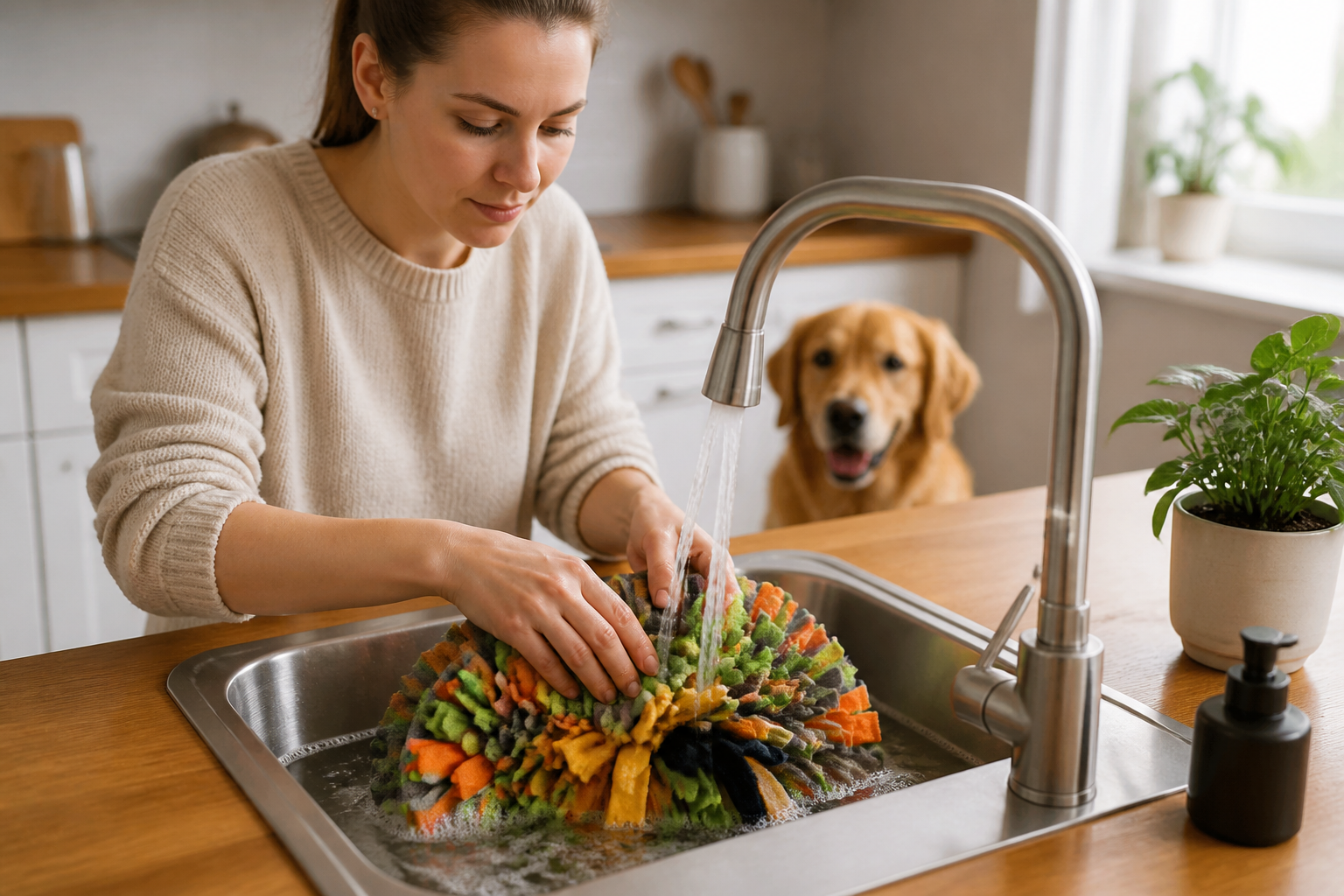
Over time, saliva and food crumbs can make the mat smell. Since you used a plastic base and fleece fabric, you can clean it easily. We recommend hand washing the mat in a sink with warm water and a pet-safe detergent. Rinse it thoroughly and allow it to air dry. Do not put it in the dryer, as the heat can warp the plastic base.
Advanced Foraging Techniques
Once your dog is a pro, you can change the game to keep it challenging. You can use different types of treats with varying scents. Stronger-smelling treats are easier to find, while low-odor kibble requires more focus. Browse our dog treats category for options to use during enrichment sessions.
You can also try "layering" the mat. Place some treats at the bottom, add another layer of fleece scraps on top, and then place more treats. This turns the mat into a multi-level puzzle. If you have a particularly clever dog, you can even hide the mat inside a large cardboard box to add an extra layer of discovery.
Specific Considerations for Different Breeds
Brachycephalic breeds, such as Pugs or Bulldogs, have flatter faces and may struggle with very deep or tight mats. For these dogs, use wider strips and a less dense pattern. This allows them to reach the food without causing frustration or difficulty breathing.
Scent hounds, like Beagles or Bloodhounds, will likely excel at this game. You can make their mats incredibly dense to truly challenge their elite tracking skills. For these dogs, a snuffle mat is not just a toy; it is a vital outlet for their genetic drive.
Safety and Maintenance
Safety is the most important factor in any DIY pet project. While fleece is generally safe, it is not meant to be ingested. If your dog is a heavy chewer who likes to shred fabric, a snuffle mat may not be the right choice for them.
- Check the mat for loose strips before every use.
- Ensure the rubber base is not cracking or shedding small pieces of plastic.
- Never leave the mat out when you are not there to supervise.
- If your dog begins to eat the fabric, remove the mat immediately and consult your vet.
Vet Tip: If your dog accidentally ingests fabric or shows signs of digestive distress like vomiting or lethargy, contact your veterinarian right away. For ongoing wellness support, we offer a range of digestive supplements and medications through our pharmacy.
Why DIY Enrichment Is Worth the Effort
At BaxterBoo, we see thousands of products every year, but the most successful pet owners are often the ones who engage personally with their dog’s routine. Making a homemade snuffle mat shows that you are invested in your dog's happiness and mental health. It is a simple weekend project that provides months or even years of entertainment.
The bond you build during these training sessions is invaluable. Watching your dog gain confidence as they solve the puzzle is rewarding for both of you. It transforms a boring ten-minute meal into a highlight of their day. For another collection of simple enrichment ideas, read 10 Genius Ways to Create Your Own Indoor Enrichment.
Final Steps for Success
Setting up a successful enrichment routine is easier when you have the right rewards. Whether you are looking for high-value training treats or a new everyday kibble, we carry over 500 trusted brands to help you find the perfect fit.
If you are just starting your pet care journey with us, remember that our MVP Rewards program helps you earn back on every purchase. You can also save on your first order of $39 or more when you sign in at checkout.
Bottom line: A homemade snuffle mat is a low-cost, high-reward investment in your dog’s mental and physical well-being.
FAQ
What is the best fabric for a homemade snuffle mat?
Fleece is the best choice because it is durable, soft on a dog's nose, and does not fray when cut. It also has a slight stretch that helps keep the knots secure on the rubber base. You can use old blankets or buy new fleece yardage depending on your budget.
Can I wash a homemade snuffle mat in the machine?
We recommend hand washing your mat in a sink with warm water and pet-safe soap. While some mats can survive a gentle cycle, the plastic or rubber base may warp or crack in the washing machine or dryer. Air drying is the safest way to maintain the shape and integrity of the mat.
How many strips of fleece do I need for a standard mat?
For a standard 12x12 inch sink mat, you will likely need between 150 and 200 strips of fleece. This sounds like a lot, but it ensures the mat is dense enough to hide the food effectively. If you want an extra-thick mat, you can increase this number by tying strips in multiple directions.
Is a snuffle mat safe for all dogs?
Most dogs can safely use a snuffle mat with supervision. However, if your dog is an aggressive chewer who tries to eat the fabric or the plastic base, it is not a suitable toy. Always monitor your dog during use and put the mat away once all the treats have been found.