Save 15% on your 1st Autoship learn more

 Email us
 Live Chat
 FAQs
FAQs





Introduction
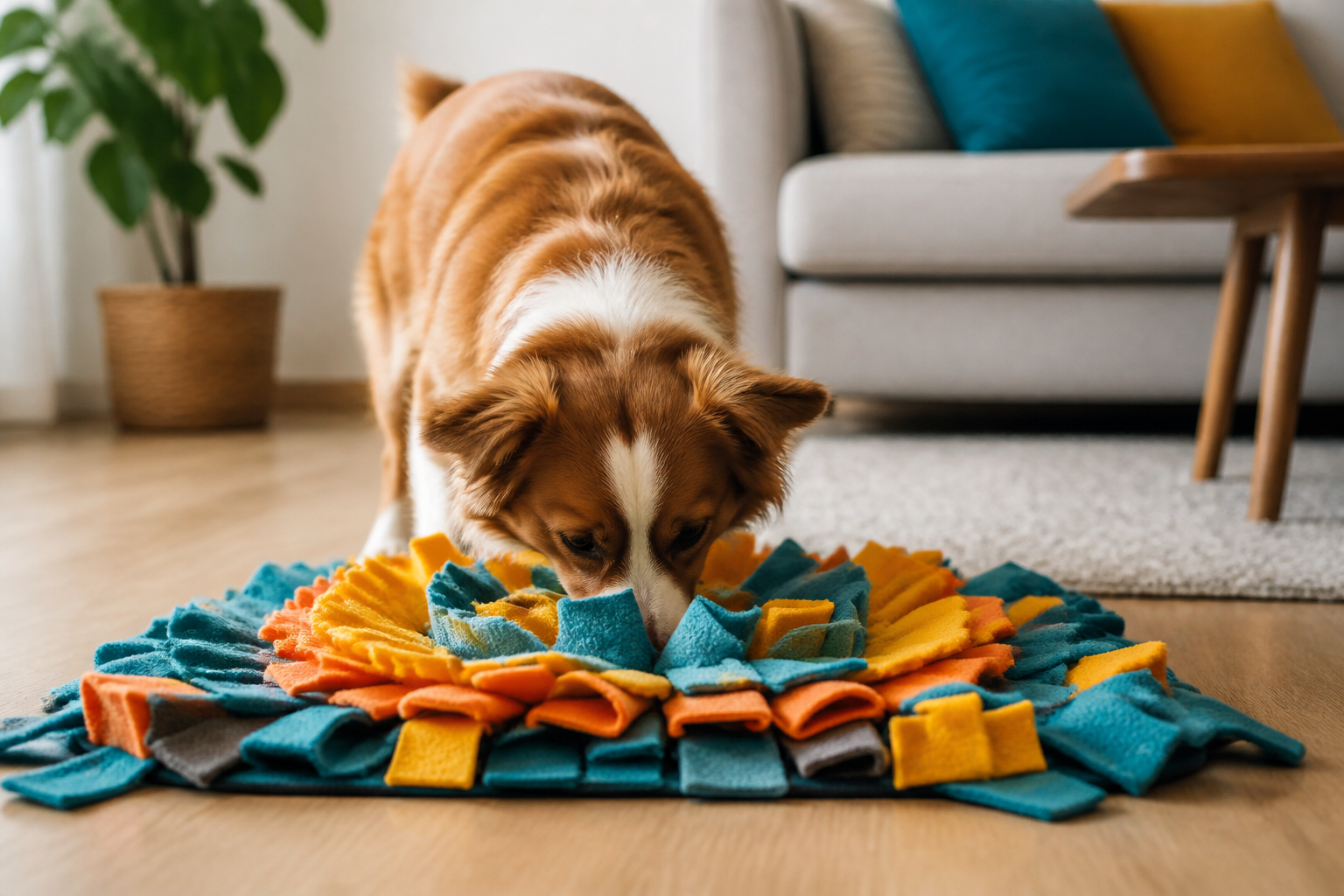
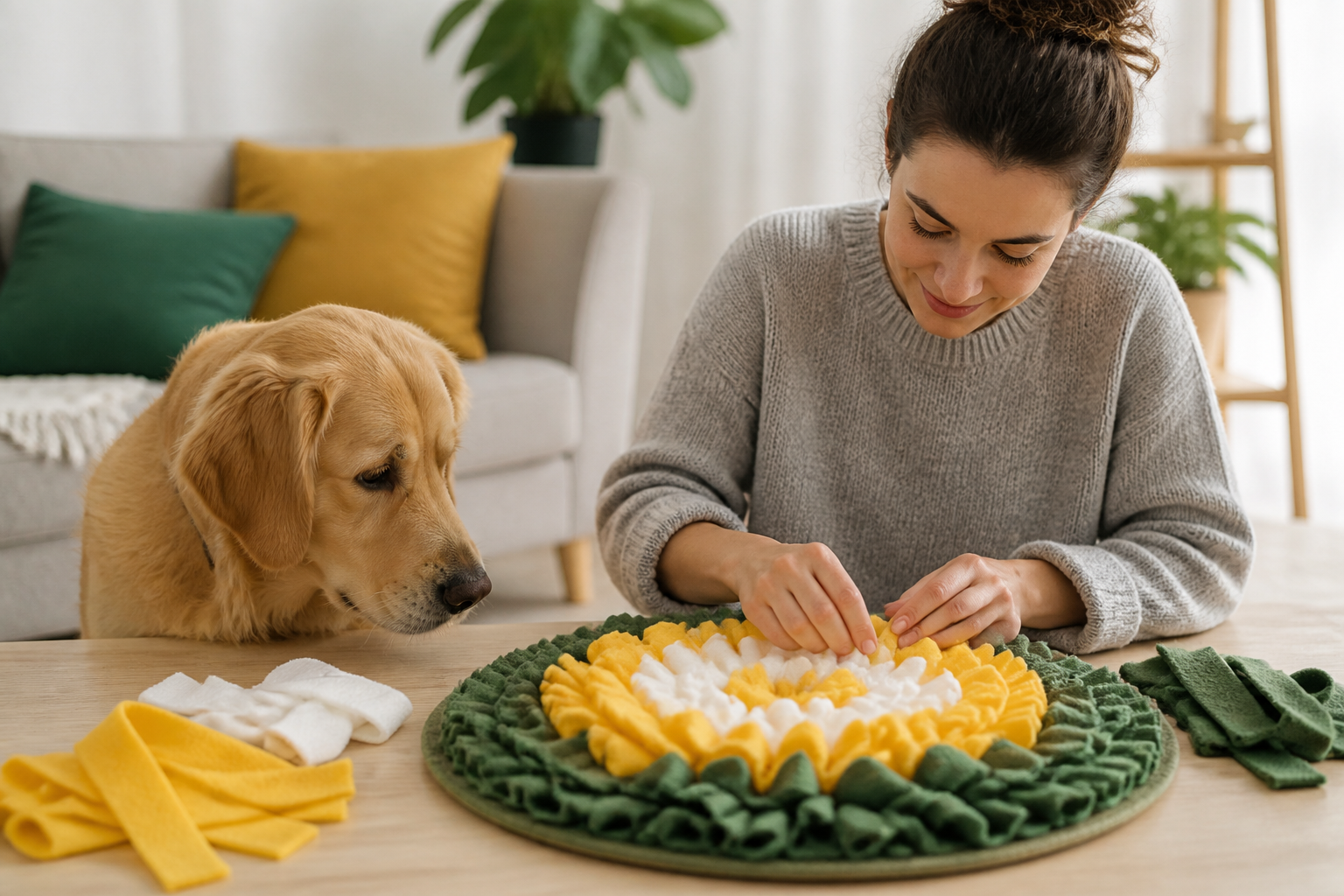
You might notice your dog pacing the living room even after a long walk. Sometimes physical exercise is not enough to settle a high-energy pup. Dogs possess a sense of smell that is thousands of times more powerful than ours. When they do not get to use that nose, they can become bored or anxious. We at BaxterBoo know that mental enrichment is just as vital as a good game of fetch. A snuffle mat is a simple tool that encourages your dog to forage for their food. It mimics the way their ancestors hunted for meals in the wild. This post covers exactly how to make a snuffle mat for dog owners who want an affordable way to keep their pets busy. You will learn about materials, assembly, and how to introduce the mat safely.
Quick Answer: A snuffle mat is a DIY enrichment toy made by tying fleece strips to a rubber sink mat. You hide dry kibble or treats within the fabric to encourage your dog to use their nose to find food.
Why Your Dog Needs a Snuffle Mat
Dogs experience the world primarily through their noses. When a dog sniffs, their brain releases dopamine, which is a feel-good hormone. This activity is naturally calming and can help lower a dog’s heart rate. Many owners find that ten minutes of sniffing is just as tiring for a dog as a thirty-minute walk.
A snuffle mat serves two main purposes. First, it provides mental stimulation. It forces the dog to solve a puzzle to get their reward. Second, it acts as a slow feeder. If your dog gulps their food in seconds, a mat can extend mealtime to ten or fifteen minutes. This helps prevent digestive issues like bloating or gas.
Key Takeaway: Scent work is a low-impact way to tire out your dog mentally while providing a natural outlet for foraging behaviors.
For more ideas, explore these dog brain games for mental stimulation.
Gathering Your Supplies
You do not need many items to complete this project. Most of these supplies are available at local craft stores or hardware shops. You can even upcycle some items you already have at home.
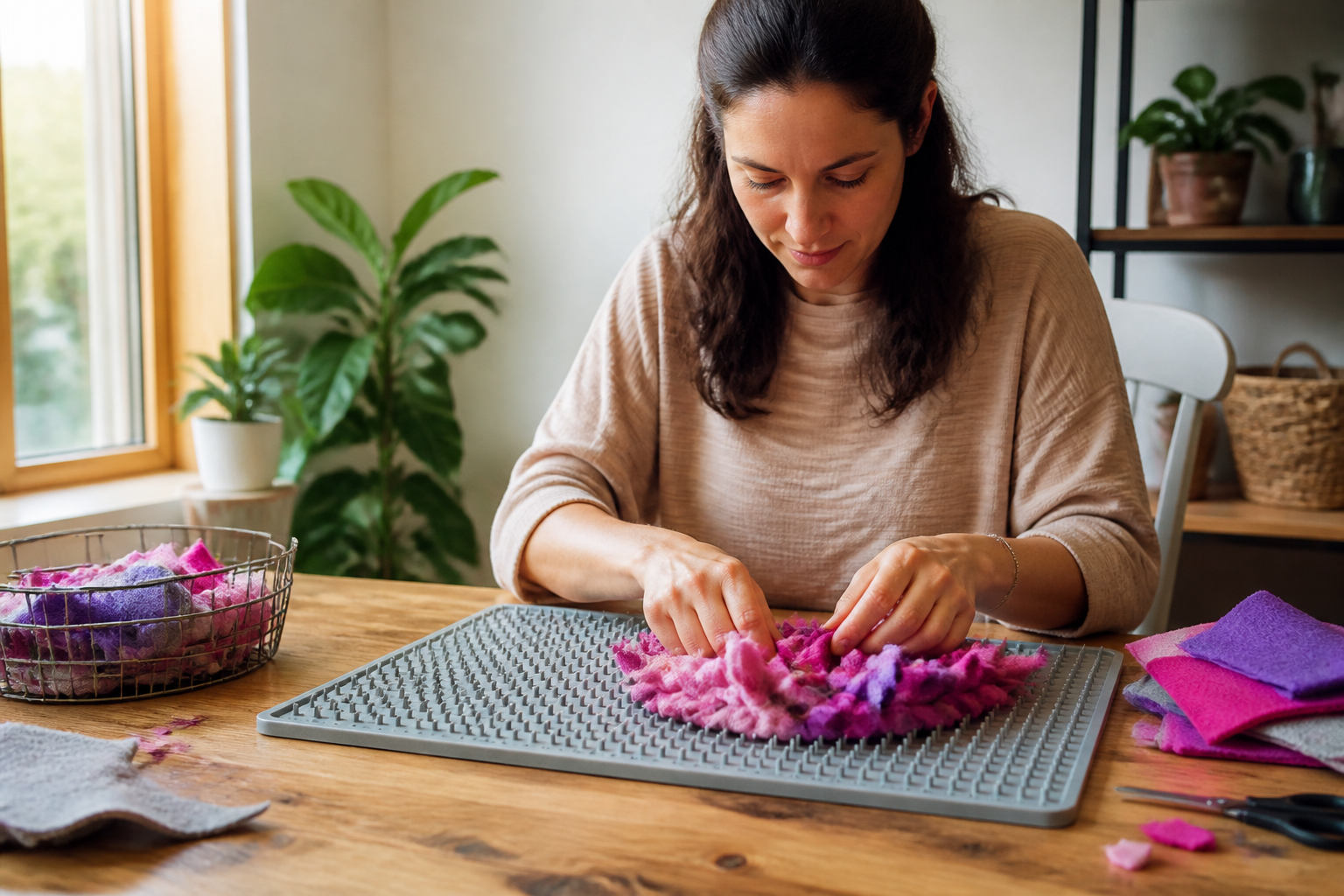
- A rubber or plastic sink mat: Look for one with a grid pattern of holes. A 12 by 15 inch mat is usually perfect for most breeds.
- Fleece fabric: You will need about one to one and a half yards. Fleece is the best choice because it does not fray when you cut it.
- Fabric scissors or a rotary cutter: Sharp blades make the process much faster.
- A ruler or measuring tape: This helps you keep your strips consistent.
When choosing your mat, ensure it is sturdy but flexible. Some sink mats are made of hard plastic, which might crack. A heavy-duty rubber mat is often best because it stays in place on the floor while your dog roots around.
Choosing the Right Fabric
Fleece is the gold standard for DIY snuffle mats. It is soft on your dog's nose and easy to tie. We recommend choosing a medium-weight fleece. If the fabric is too thin, it will not stand up straight to hide the treats. If it is too thick, the knots will become too bulky and difficult to tie.
You can use one solid color or get creative with patterns. Some owners like to use bright colors to make the mat look like a garden. Your dog does not care about the colors, but a vibrant mat can be a fun addition to your home. If you have old fleece blankets that are clean, those work perfectly as well.
Vet Tip: Always supervise your dog when using homemade toys. If your dog is a known "shredder" or likes to eat fabric, a snuffle mat might not be suitable for them without strict oversight.
Preparing Your Fleece Strips
The first step in the assembly process is cutting your fabric into strips. This is the most time-consuming part of the project. If you have a friend to help, the work goes twice as fast.
Step 1: Lay your fabric flat. / Smooth out any wrinkles so your cuts are even.
Step 2: Measure and mark your strips. / Aim for strips that are about 1 inch wide and 7 to 8 inches long.
Step 3: Cut the strips. / Use your scissors or rotary cutter to create a large pile of fabric pieces.
Step 4: Count your strips. / A standard 12 by 15 inch mat usually requires between 200 and 250 strips to be fully dense.
Consistency is helpful, but do not worry if some strips are a little longer or shorter. A bit of variety actually creates more hiding spots for the kibble. If the strips are much shorter than 6 inches, they will be hard to tie. If they are longer than 10 inches, they may flop over too much and make it too easy for the dog to find the food.
How to Assemble the Snuffle Mat
Once your strips are ready, find a comfortable spot on the couch. Tying the mat takes some time, so it is a great activity to do while watching a movie.
Tying the First Row
Start at one corner of the mat. Take a fleece strip and push one end through the first hole. Take the other end and push it through the hole right next to it. Flip the mat over and tie the two ends together in a simple overhand knot. You do not need to double knot it. The friction of the fleece will keep it tight.
Filling in the Grid
Continue this process along the first row. Once the first row is done, move to the second row. You should see the fleece "fingers" starting to stand up on the top side of the mat.
Adding the Cross-Ties
To make the mat truly dense, you need to tie strips in both directions. After you have filled the rows horizontally, go back and tie strips vertically between the rows. This fills in the gaps and ensures no kibble falls straight through to the floor. It also makes the mat fluffier and more challenging for your dog.
Key Takeaway: A dense mat is a better mat. If you can see the rubber base through the fleece, you likely need to add more strips.
Introducing the Mat to Your Dog
Not every dog understands the snuffle mat right away. Some might try to pick it up and shake it to get the treats out. Others might try to chew on the rubber base.
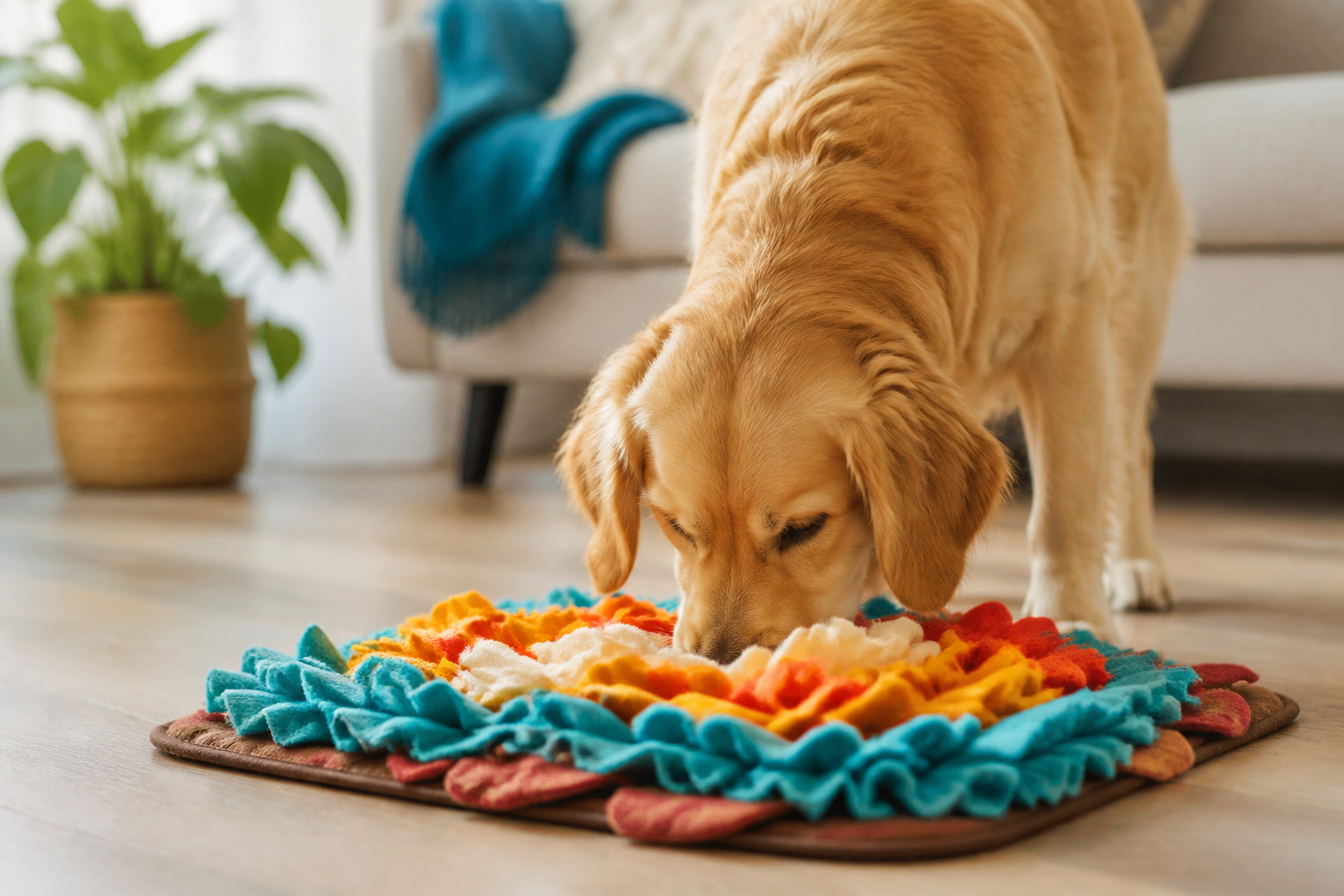
Start by placing a few high-value treats directly on top of the fleece. Let your dog see you put them there. Use a command like "Find it" or "Go search." Once they eat those treats, tuck the next few slightly deeper into the fabric. Gradually increase the difficulty as your dog learns that their nose is the key to the reward.
If your dog starts to bite or tug on the mat, gently interrupt them. Ask for a different behavior, like a sit, and then redirect them to sniffing. The goal is to keep the mat on the floor at all times.
You can also rotate in other interactive dog toys when your dog wants a different type of enrichment.
Using a Snuffle Mat for Daily Meals
Many owners use these mats as a replacement for a standard food bowl. This is especially helpful for dogs who experience boredom during the day. If your dog is on a prescription diet, you can still use those kibbles in a snuffle mat. It is an excellent way to make a restricted diet feel more rewarding.
If you use the mat for every meal, make sure you are using dry kibble. Wet food or raw diets do not work well with fleece mats as they create a mess and can harbor bacteria. For dogs with allergies or skin sensitivities, ensure the treats you hide are compatible with their health needs.
For repeat-purchase food and treats, our Autoship programme can help simplify your routine.
Cleaning and Maintenance
Since the mat will be covered in food dust and dog saliva, you must clean it regularly. Most DIY snuffle mats are machine washable.
Place the mat inside a pillowcase and tie the end shut. This prevents the fleece strips from getting tangled in the washing machine agitator. Use a mild, pet-safe detergent and run a cold, gentle cycle. Avoid using fabric softener or heavily scented sheets, as these can be irritating to a dog's sensitive nose.
Air drying is the best option for the longevity of the mat. Hang it up or lay it flat on a drying rack. Putting the mat in the dryer can cause the rubber base to warp or melt. Depending on how often you use it, aim to wash the mat once every week or two.
Advanced Snuffle Mat Techniques
Once your dog becomes a pro, you can change things up. Try hiding different types of treats with varying scents. You can also place the mat in different rooms to encourage them to search for the toy first.
Some owners use two smaller mats and snap them together to create a larger foraging area. This is great for larger breeds like Labradors or Golden Retrievers who have bigger noses and need more space to work. We offer a wide selection of durable toys and gear at BaxterBoo that can supplement this type of mental play.
Bottom line: A homemade snuffle mat is one of the most cost-effective ways to improve your dog's quality of life and mental health.
For additional at-home activities, see this guide to DIY indoor enrichment ideas.
Troubleshooting Common Issues
If your dog loses interest, the treats might not be smelly enough. Use something with a strong aroma, like freeze-dried liver or small pieces of dehydrated fish. If the dog is getting frustrated and trying to flip the mat, you might have made it too difficult too fast. Go back to basics by leaving treats on the very top of the fleece.
A selection of dog treats for snuffle mats can give you different textures and aromas to try.
Another common issue is the mat sliding on hardwood floors. If the rubber base is not grippy enough, you can place the mat on a yoga mat or a piece of non-slip rug padding. This keeps the mat stable so the dog can focus on the search rather than chasing the toy around the room.
The Benefits of Scent Games for Senior Dogs
Scent work is a fantastic activity for aging pets. As dogs get older, they may lose their sight or hearing, and their mobility might decrease. However, their sense of smell often remains sharp. A snuffle mat allows a senior dog to stay mentally active without putting strain on their joints.
If your senior dog has mobility issues, you can place the mat on a raised platform or a low footstool so they do not have to lean down too far. This makes enrichment accessible for dogs with arthritis or neck pain. It provides a sense of accomplishment for pets who can no longer go on long hikes or play intense games of fetch.
Read more about low-impact brain games for older dogs.
Safety First
While snuffle mats are generally safe, they are not chew toys. The fleece strips can be a choking hazard if swallowed. They can also cause intestinal blockages, which are serious medical emergencies.
Always pick the mat up and put it away once the food is gone. This keeps the "value" of the toy high and prevents your dog from turning it into a chew project out of boredom. Check the mat regularly for loose strips or damage to the rubber base. If you see signs of wear, repair or replace the mat immediately.
Conclusion
Creating a snuffle mat is a rewarding weekend project that directly benefits your dog's well-being. By using simple materials like fleece and a sink mat, you provide a natural outlet for your dog's instincts. We are proud to support pet owners who take an active role in their dog's mental health. Whether you are slowing down a fast eater or calming a nervous rescue, this DIY tool is a reliable solution. For more ways to support your pet's lifestyle, consider joining the MVP Rewards programme to earn points on all your enrichment supplies. Keeping your dog's brain busy is one of the best gifts you can give them.
Bottom line: DIY enrichment is an affordable and effective way to reduce dog boredom and anxiety at home.
FAQ
Can I use a snuffle mat for a puppy?
Yes, snuffle mats are excellent for puppies. They help burn off puppy energy and teach the dog to focus on a task. Just be sure to watch them closely so they do not try to chew or eat the fleece strips while they are teething.
How often should I wash my DIY snuffle mat?
You should wash the mat every one to two weeks depending on how often it is used. If you use it for daily meals, a weekly wash is best to remove food particles and saliva. Always air dry the mat to protect the rubber base.
What are the best treats for a snuffle mat?
Small, dry, and crunchy treats work best. Kibble is the easiest option for daily use. You can also use freeze-dried treats or broken-up biscuits. Avoid anything moist or sticky, as it will ruin the fleece and become difficult to clean.
My dog just flips the mat over to get the treats. What should I do?
If your dog flips the mat, it usually means they are looking for a shortcut. Try using a heavier rubber mat as the base. You can also sit with them and gently hold the edge of the mat down, rewarding them only when they use their nose instead of their paws.