Save 15% on your 1st Autoship learn more

 Email us
 Live Chat
 FAQs
FAQs





Introduction
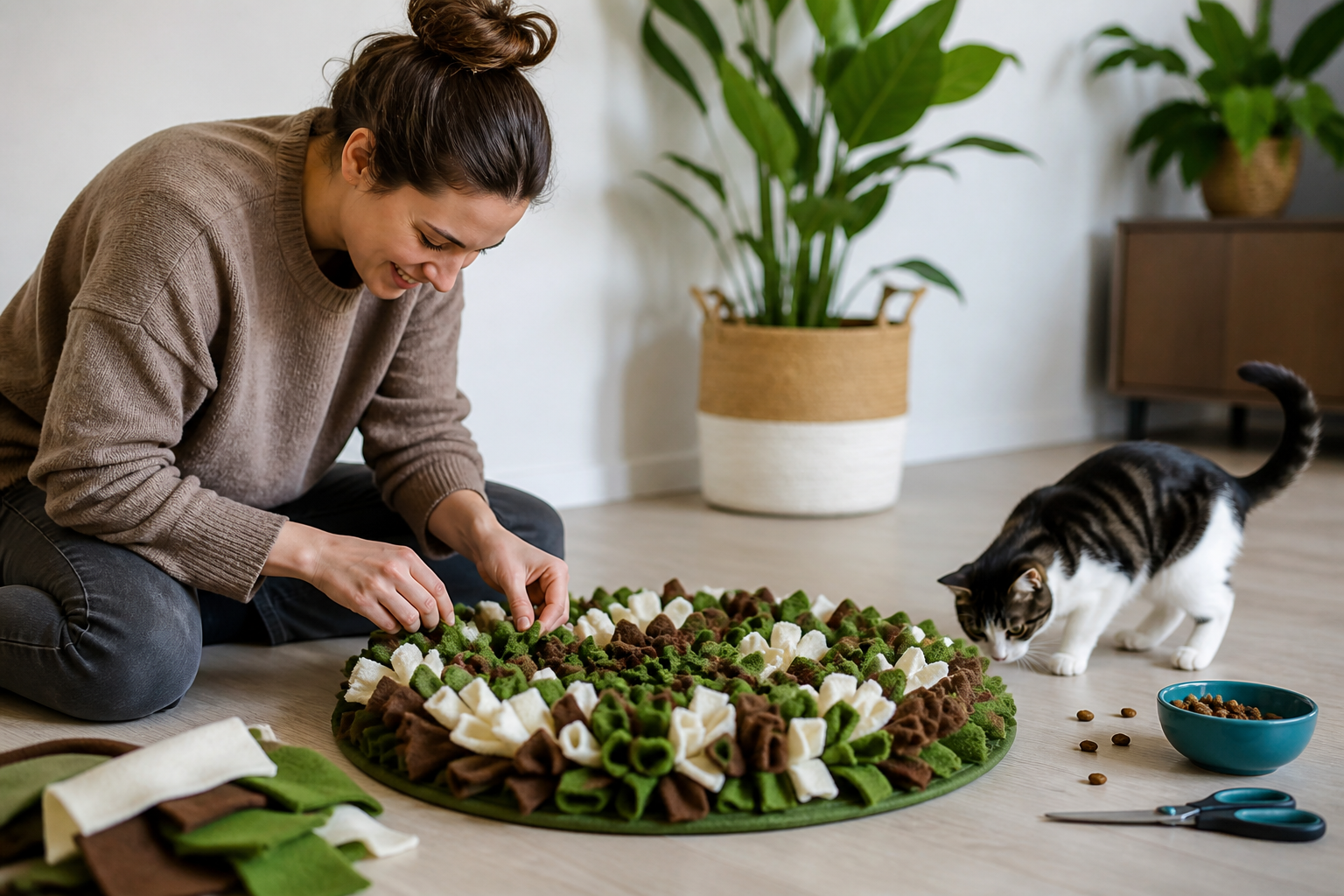
You know the sound of a dog bowl clattering against the floor as your pup inhales their dinner in ten seconds flat. Or perhaps you have a cat who seems perpetually bored despite having a mountain of feathers and balls. We see these situations often at BaxterBoo. One of the best ways to tackle boredom and fast eating is through a simple tool called a snuffle mat. These mats turn mealtime into a foraging game. They use your pet's most powerful tool: their nose. This post will walk you through exactly how to make a snuffle mat at home using just a few affordable supplies. It is a rewarding project that provides hours of mental enrichment for your furry best friend.
Quick Answer: A snuffle mat is an enrichment toy made by tying fabric strips to a sturdy mat with holes. You hide dry food or treats inside the fabric to encourage your pet to use their nose to find their meal.
Why Your Pet Needs a Snuffle Mat
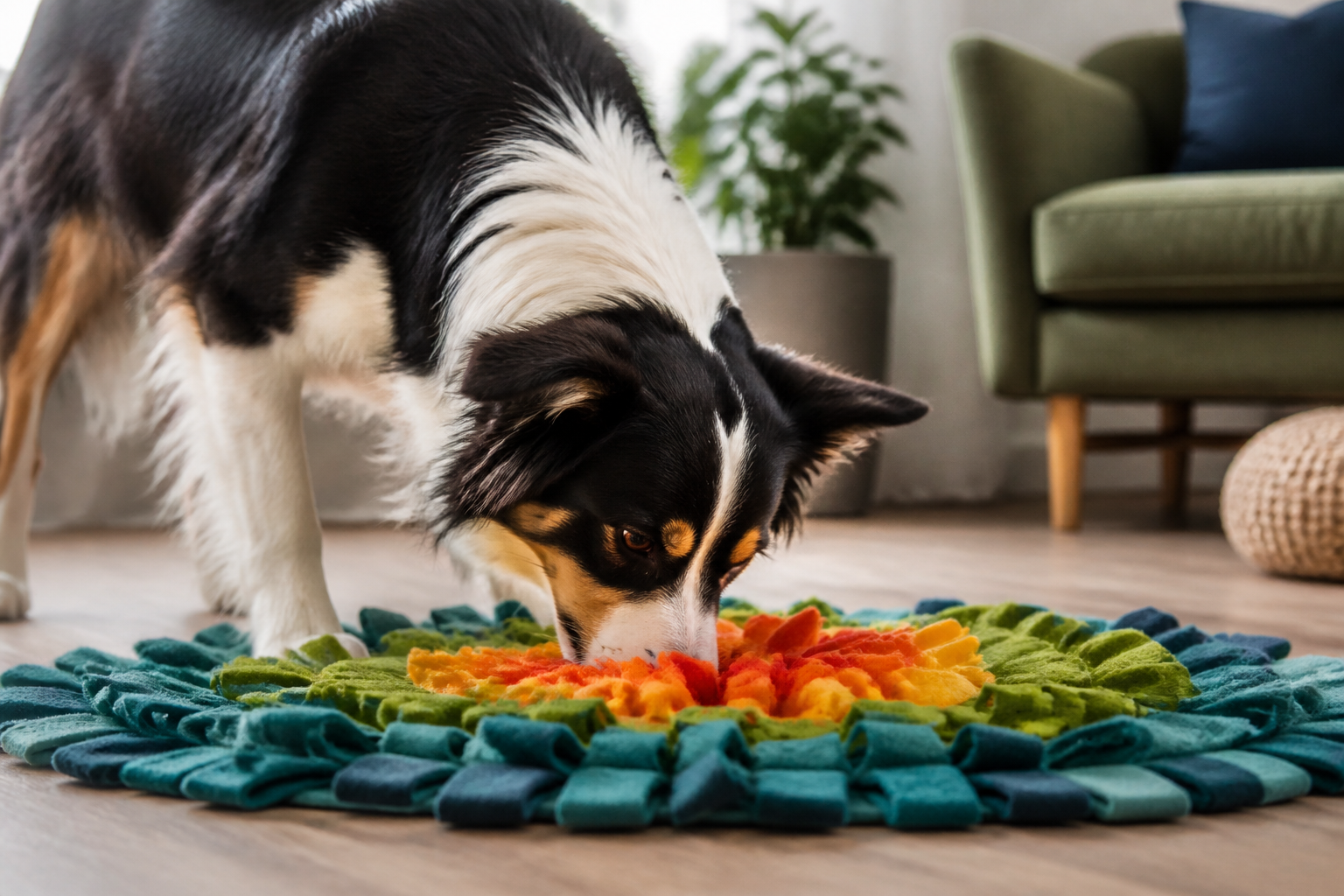
Animals are natural foragers. In the wild, dogs and cats spend a large portion of their day searching for food. When we place a bowl of kibble in front of them, we remove that natural job. This can lead to boredom. Boredom often turns into destructive behaviors like chewing furniture or excessive barking. A snuffle mat reintroduces the "work" of finding food. It engages their brain and satisfies their natural instincts.
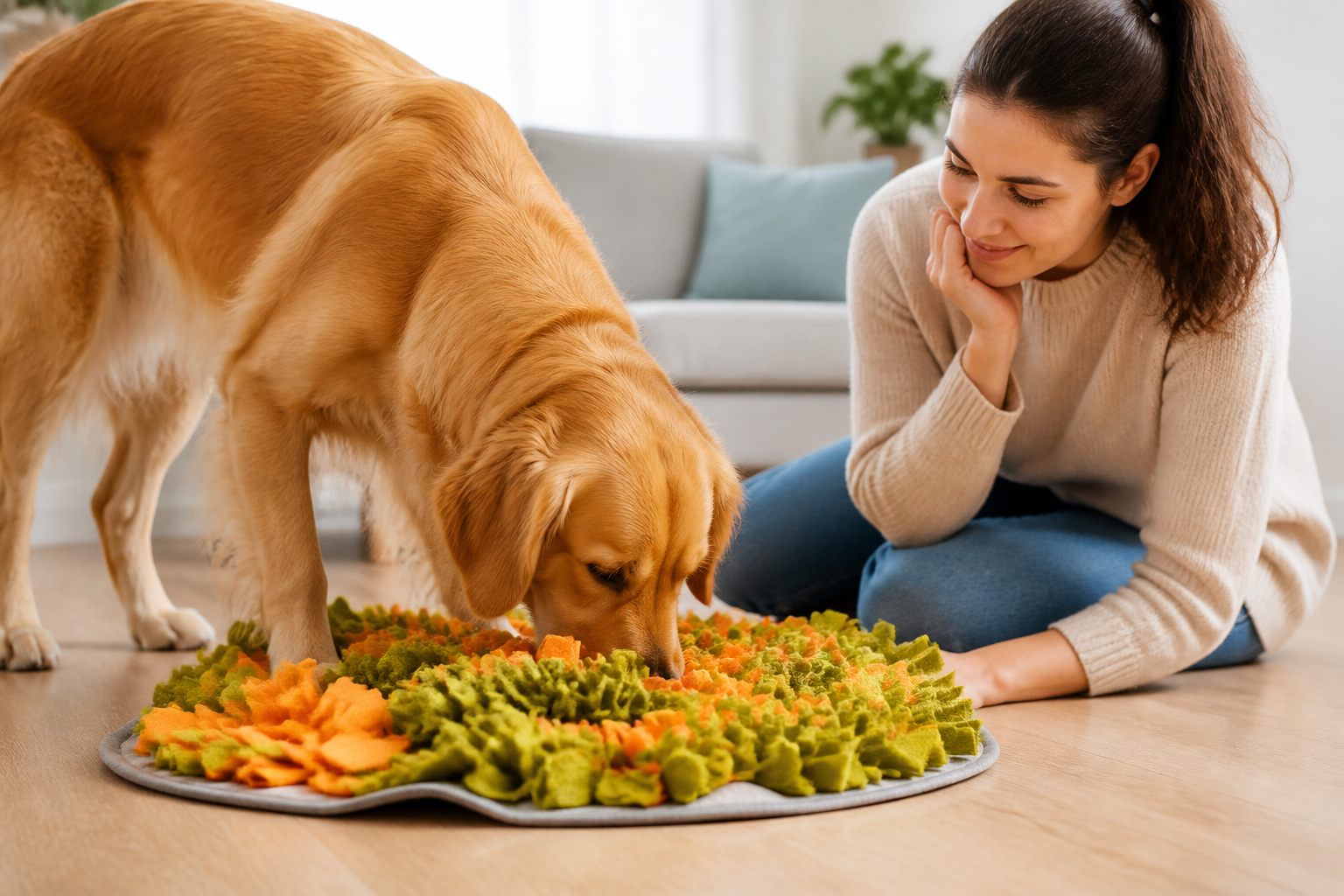
For pets that eat too quickly, a snuffle mat is a functional tool. Bolting food can lead to digestive upset or even dangerous conditions like bloat. By scattering the food throughout the fabric strips, you force the pet to slow down. They must find every individual piece of kibble. This gives their stomach time to signal the brain that they are full. For more ideas, explore interactive and treat dog toys.
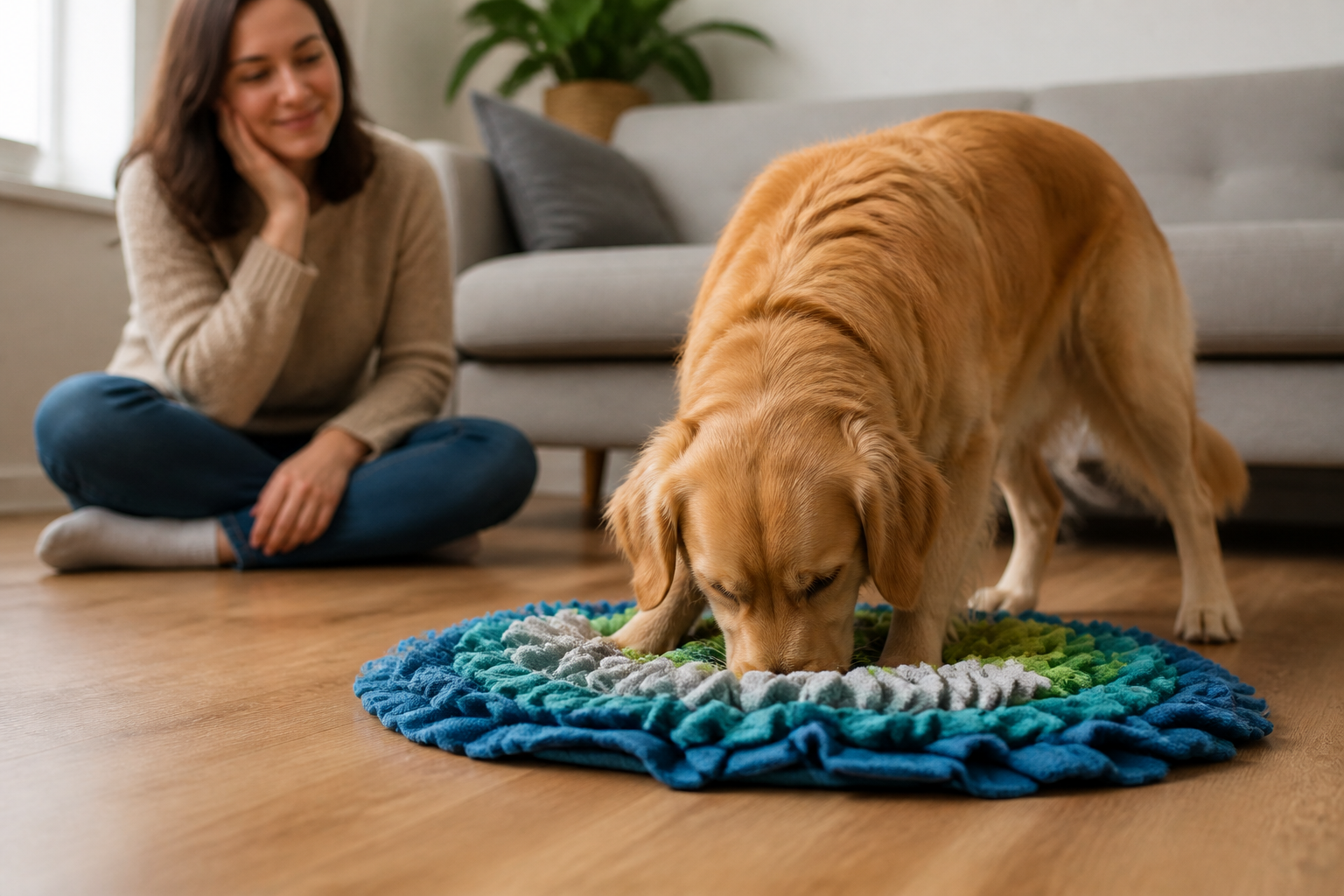
Sniffing also has a physiological effect on pets. Research shows that focused sniffing lowers a dog's heart rate. It is a calming activity that can help anxious pets relax. If your dog gets nervous during thunderstorms or when guests arrive, a session with the mat can help them settle. It is a simple way to provide mental exercise when the weather is too poor for a long walk.
Gathering Your Supplies
You do not need many tools to create a high-quality mat. Most of these items are available at local craft stores or even dollar stores. The most important thing is to choose materials that are safe and durable.
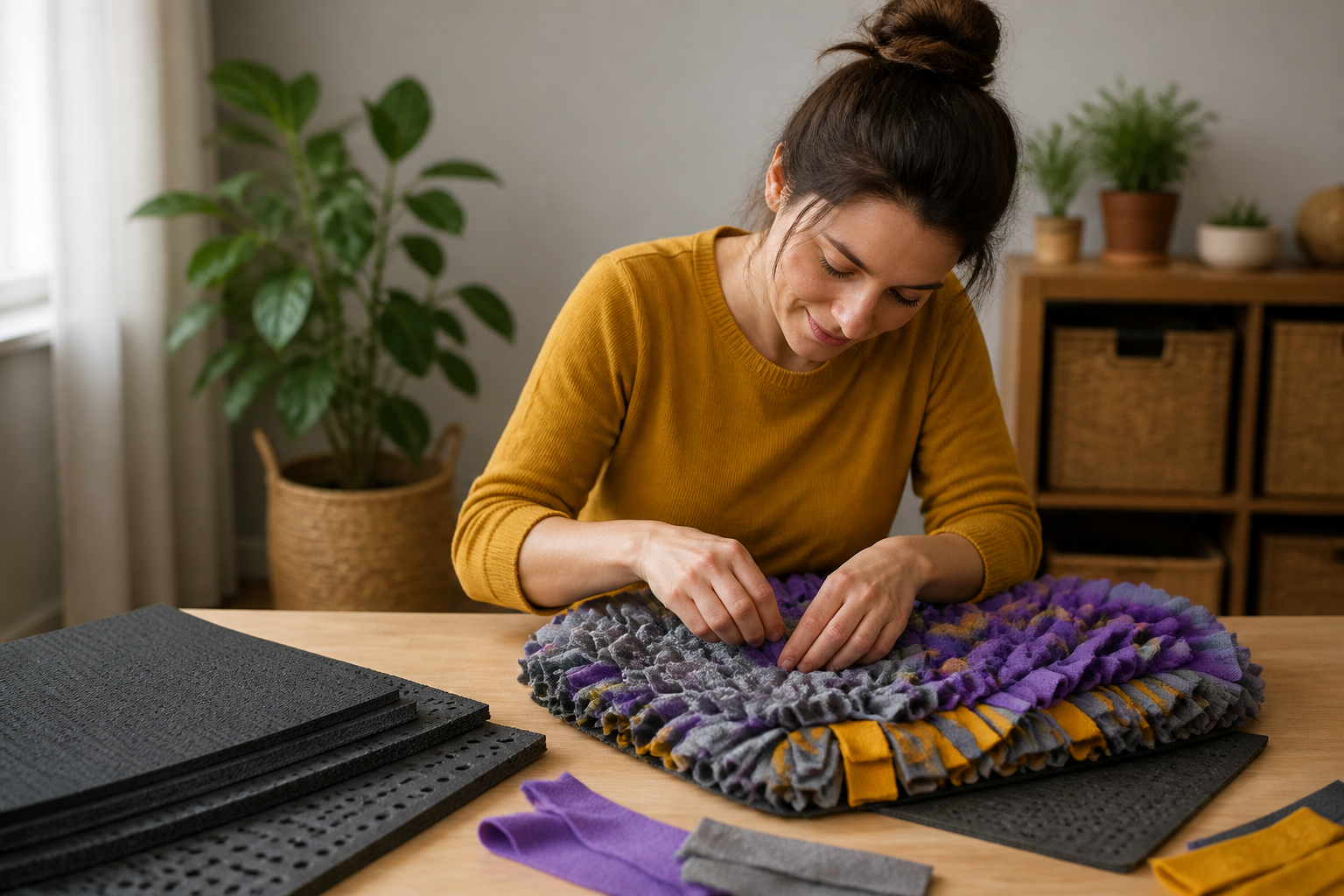
You will need a base mat. A rubber or plastic sink mat is the most common choice. These are usually found in the kitchen section of home goods stores. Look for one with plenty of holes. The holes should be large enough for you to thread fabric through but small enough that the mat remains sturdy. Some people use heavy-duty plastic garden mesh, but rubber sink mats are gentler on floors.
The second main component is fleece fabric. Fleece is the best choice because it does not fray when cut. It is also soft on your pet's nose and face. You can use scraps from other projects or buy a few yards of inexpensive fleece. Many pet owners like to use multiple colors to create a vibrant look. You will also need a sharp pair of fabric scissors or a rotary cutter and a cutting mat.
Key Takeaway: Use a rubber sink mat as your base and fleece for your strips. Fleece is safe because it will not unravel and is soft on sensitive noses.
Checklist for Supplies
- One rubber sink mat (approximately 12x15 inches)
- 1.5 to 2 yards of fleece fabric
- Sharp fabric scissors
- A ruler or measuring tape
- A handful of dry treats or kibble for testing
Preparing Your Fleece Strips
The most time-consuming part of this project is cutting the fabric. You want the strips to be long enough to tie easily but short enough to stand up once they are on the mat. If the strips are too long, they will just flop over and make it too easy to find the food.
Cut your fleece into strips that are roughly one inch wide. The length should be between six and eight inches. You do not need to be perfect with these measurements. Your dog or cat certainly won't mind if one strip is a half-inch longer than the others. If you are using a rotary cutter, you can fold the fabric several times to cut multiple strips at once. This will save you a lot of time.
If you have a very large dog, you might want slightly longer strips to create a deeper mat. For cats or small dogs, shorter strips work better. Once you have a large pile of strips, you are ready to start assembly. A standard sink mat usually requires between 150 and 200 strips to become fully dense.
Step-by-Step Instructions to Make a Snuffle Mat
Assembling the mat is a great activity to do while watching a movie. It is repetitive but very satisfying as you see the mat start to fluff up.
Step 1: Position your mat / Place the sink mat on a flat surface in front of you. Start at one corner so you can track your progress easily.
Step 2: Thread the first strip / Take a piece of fleece and push one end through the first hole. Thread the other end through the hole immediately next to it. Both ends should now be sticking up on the top side of the mat.
Step 3: Tie a knot / Tie the two ends together in a simple overhand knot. You do not need a double knot. The friction of the fleece will keep it secure. Pull the knot tight so it sits snugly against the rubber base.
Step 4: Continue the row / Repeat this process for every hole in the first row. You should have a line of fleece "fingers" sticking up.
Step 5: Fill the gaps / Once the first row is done, move to the second row. You should also tie strips between the rows. This means threading a strip through a hole in row one and a hole in row two. This ensures there are no bald spots where food could fall straight to the floor.
Step 6: Check the density / Periodically flip the mat over. You should see a grid of knots on the bottom. If you see any large gaps in the fleece on the top side, add a few more strips in those areas.
Bottom line: A dense mat is a better puzzle. Tying strips both horizontally and vertically ensures the food stays hidden in the fabric.
Introducing the Mat to Your Pet
When you first show the mat to your pet, they might not understand what it is for. Some dogs might try to pick it up and shake it. Others might try to chew the fleece. It is important to guide them during the first few sessions.
Start by placing a few high-value treats right on top of the fleece. Let your pet see you do this. Use a "find it" cue to encourage them to investigate. Once they realize there is food involved, they will start using their nose. As they get better at the game, start tucking the treats deeper into the strips. Eventually, you can sprinkle a whole meal across the mat and ruffle the fleece to bury the kibble. You can also browse our dog treats for small options to use during training and enrichment.
If your pet starts to bite or pull on the mat itself, gently interrupt the behavior. You want them to understand that the "game" involves sniffing, not shredding. Most pets pick this up quickly because the reward for sniffing is immediate.
Vet Tip: If you are using the mat to manage your pet's weight, remember to count the treats or kibble used as part of their daily caloric intake. For pets struggling with obesity or digestive issues, consult your veterinarian. Our pet pharmacy offers prescription weight management diets and supplements that can support your pet's health plan.
Maintenance and Safety
Like any pet toy, your snuffle mat will get dirty over time. Slobber and food crumbs can lead to bacteria growth or odors. Since you used a rubber mat and fleece, your DIY project should be washable.
We recommend hand washing the mat in a sink with warm water and a pet-safe detergent. Rinse it thoroughly to ensure no soap residue remains in the dense fabric. To dry it, roll it in a towel to squeeze out excess moisture and then let it air dry. Avoid the dryer, as high heat can warp the rubber or plastic base.
Always supervise your pet while they use the mat. While fleece is durable, a determined chewer could rip off a strip and swallow it. If the mat begins to fall apart or if your pet starts eating the fabric, take it away immediately.
- Inspect the mat for loose strips before every use.
- Check the rubber base for cracks or missing pieces.
- Store the mat out of reach when not in use to keep the "novelty" high.
- Wash the mat every week if it is used for daily meals.
Using the Mat for Different Life Stages
The beauty of a snuffle mat is its versatility. For puppies and kittens, it is a fantastic way to burn off energy. Young animals have short attention spans. Five minutes of nose work can be as tiring for a puppy as a twenty-minute walk. It also helps with socialization by keeping them occupied in new environments.
Senior pets often have mobility issues that prevent them from going on long adventures. A snuffle mat provides "low-impact" exercise. It keeps their minds sharp even if their joints are stiff. If your senior dog is on supplements for joint health, hiding a chewy supplement in the mat can make medicine time much more enjoyable.
Cats also benefit significantly from this type of enrichment. Indoor cats often lack the stimulation they would get from hunting. A snuffle mat mimics the act of searching through grass for prey. If you have a cat that wakes you up in the middle of the night for food, a snuffle mat hidden in another room can provide a midnight activity to keep them busy. For more feline enrichment ideas, browse our cat toys.
Advanced Enrichment Ideas
Once your pet is a snuffle mat expert, you can increase the difficulty. Try using different textures of fabric. You can add a few strips of denim or cotton among the fleece to change the "scent landscape." You can also hide the mat itself. Place the loaded mat under a chair or behind a door so the pet has to find the game before they can start.
If your pet is highly motivated, you can use two mats connected together. This creates a large foraging field. This is particularly useful for large breeds like Labradors or Shepherds who have a lot of energy to burn. Just ensure you are not overfeeding. If the mat gets bigger, the pieces of food should get smaller.
Key Takeaway: Keep the activity fresh by changing the treats used or moving the mat to different rooms in your house.
Addressing Fast Eating and Health
If you are specifically using a snuffle mat because your dog is a "scarfer," you are taking a great step toward better digestion. Fast eating is a common cause of gas and regurgitation. However, if the behavior is sudden or accompanied by other symptoms like weight loss, it is time for a checkup.
At BaxterBoo, we believe in a holistic approach to pet care. This means combining fun activities like nose work with professional medical guidance. If your pet’s eating habits are concerning, your vet can determine if there is an underlying metabolic issue. They may suggest a prescription diet. Our pharmacy carries a wide range of FDA-approved medications and therapeutic foods that can be delivered right to your door.
Benefits of Slowing Down
- Reduces the risk of choking and gagging.
- Lowers the chance of air ingestion (aerophagia).
- Improves nutrient absorption by allowing for better digestion.
- Helps pets feel more satisfied with smaller portions.
The Role of Enrichment in Training
Enrichment toys like the snuffle mat are not just for fun; they are powerful training tools. A dog that has had its mental needs met is much more likely to listen during a training session. If you are working on "stay" or "settle," the mat can serve as a high-value reward. For additional ideas, read The Ultimate Guide to Dog Boredom Busters.
You can also use the mat to help with "separation anxiety." Many dogs feel anxious the moment they see their owner grab their keys or put on their coat. By giving the dog a loaded snuffle mat right before you leave, you create a positive association with your departure. They become so focused on the treats that they don't have time to worry about you being gone.
Conclusion
Making a snuffle mat is one of the easiest and most effective ways to improve your pet's quality of life. It requires very little investment but pays off in a calmer, happier, and more satisfied dog or cat. We love seeing pet owners take an active role in enrichment. By following these steps, you can create a custom toy that fits your pet's specific needs. Whether you are managing a fast eater or just looking for a way to bond, this project is a winner.
Once you have finished your mat, consider joining the MVP Rewards programme to earn points on the treats and kibble you use to fill it. You can also explore our Training and Behavior section for more ideas on how to keep your pet's mind active and healthy.
FAQ
Can I wash my DIY snuffle mat in the machine?
We generally recommend hand washing to protect the rubber base and keep the knots tight. Some plastic mats can become brittle or warp in a washing machine or dryer. If you must use a machine, put the mat inside a pillowcase, use a cold, gentle cycle, and always air dry it.
What kind of treats are best for a snuffle mat?
Small, dry, and crunchy treats work best because they don't leave a messy residue on the fabric. You can also use your pet's regular dry kibble. Avoid using wet food, raw meat, or very greasy treats, as these will make the fleece difficult to clean and could attract bacteria.
Is a snuffle mat safe for cats?
Yes, cats often love snuffle mats as much as dogs do. It appeals to their natural hunting instincts. For cats, you can use high-quality dry cat food or even a little bit of dried catnip sprinkled among the strips to encourage them to play and explore. You can find more enrichment inspiration in 10 Genius Ways to Create Your Own Indoor Enrichment.
How long should I let my dog use the mat?
A snuffle mat session usually lasts as long as there is food to find, which is typically 5 to 15 minutes. It is a good idea to pick the mat up once they are finished. This prevents them from getting bored and starting to chew on the fabric strips or the rubber base out of frustration.