Save 15% on your 1st Autoship learn more

 Email us
 Live Chat
 FAQs
FAQs





Introduction
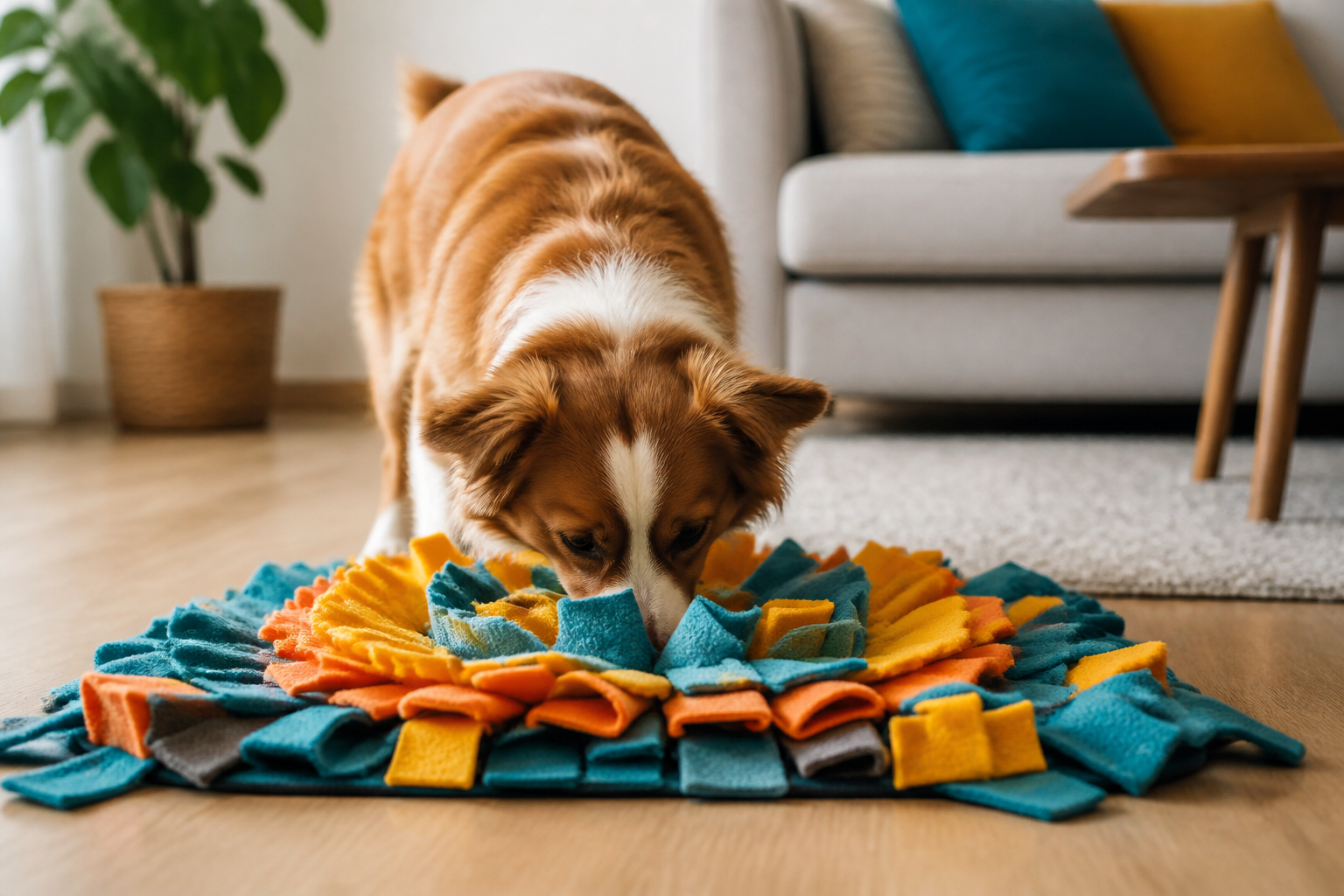
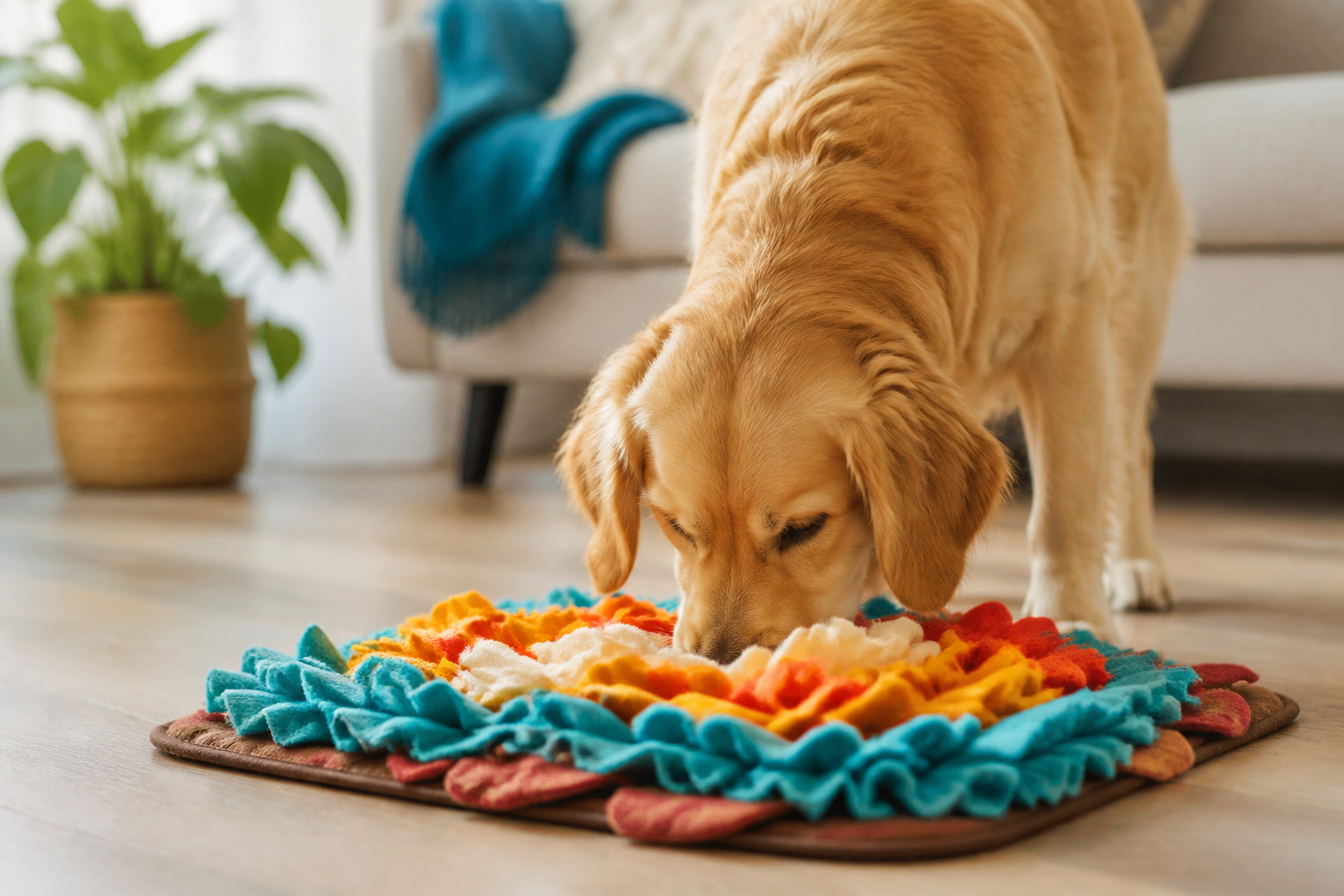
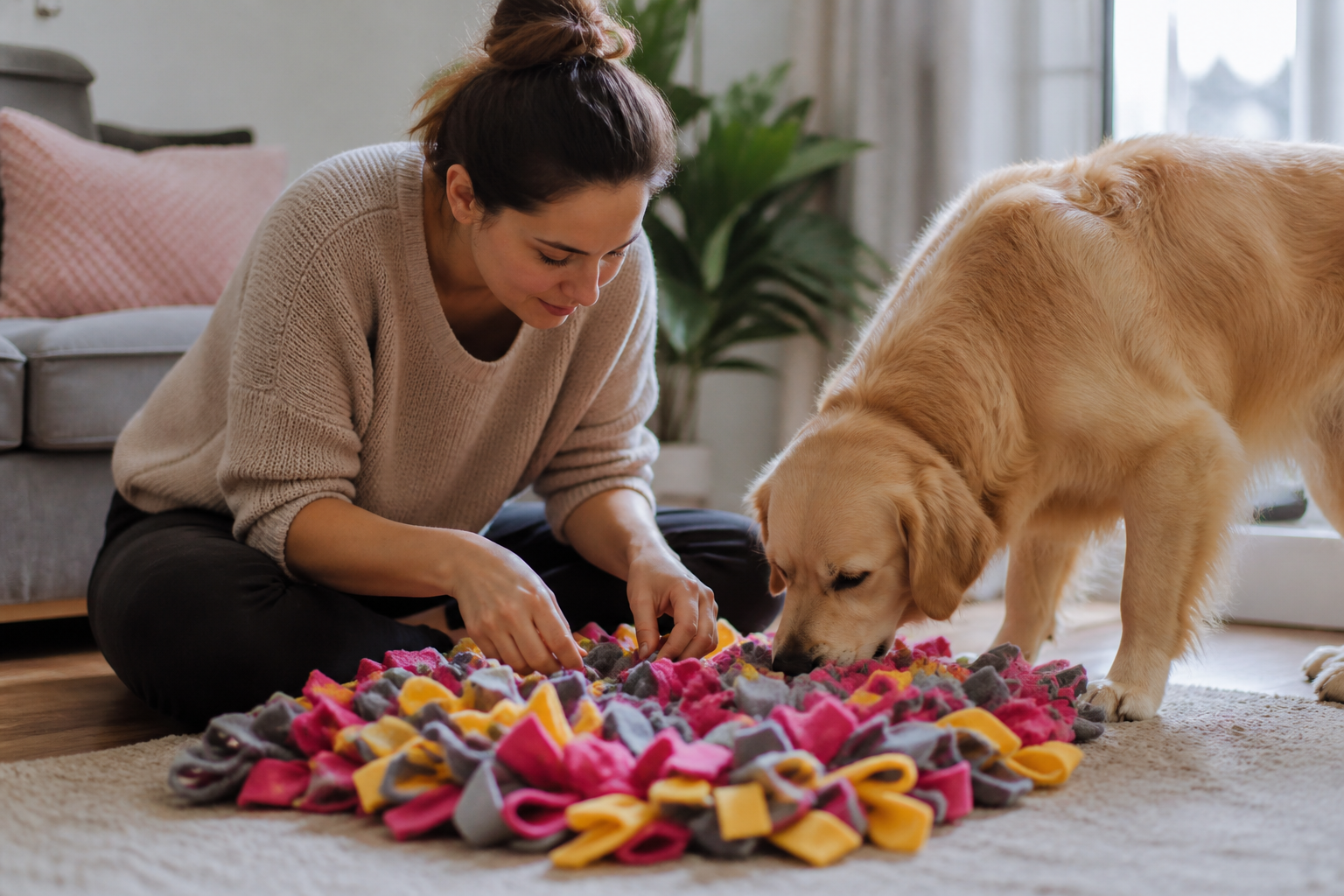
You are sitting on the living room floor watching your dog zoom around with too much energy for a rainy afternoon. You know a snuffle mat would keep those paws busy and that nose working. However, you do not have a sink liner or a rubber mat in your utility closet. At BaxterBoo, we believe that the best enrichment tools are often the ones you can build with simple materials you already have. This guide will show you how to create a durable, effective snuffle mat using only fabric. You will learn the specific steps to turn a few yards of fleece into a brain-challenging puzzle. This project is perfect for slowing down fast eaters and providing mental stimulation. By the end of this article, you will have a washable and safe toy ready for your pet.
The Benefits of a Fabric Base
Most DIY tutorials suggest using a heavy rubber sink mat as the foundation for a snuffle mat. While rubber is sturdy, it is not always the best choice for every household. Fabric bases offer several unique advantages that make them a superior option for many pet owners.
First, a fabric-based mat is entirely machine-washable. Rubber mats can become brittle in the wash or damage the drum of your machine. A mat made only of fleece can go straight into the laundry after a messy session with high-value treats. This keeps the toy hygienic and prevents the buildup of bacteria or old food smells.
Second, fabric bases are often safer for dogs who have a habit of chewing their toys. If a dog decides to gnaw on the corner of a snuffle mat, soft fleece is much kinder to their teeth than hard plastic or rubber. You also eliminate the risk of your dog swallowing small pieces of a rigid mat.
Finally, fabric mats are easier to store and travel with. You can roll up a fleece mat and tuck it into a suitcase or a small drawer. This makes it a great tool for keeping your dog calm in new environments or during hotel stays. For more ideas, explore these indoor enrichment activities for pets.
Key Takeaway: Fabric-based snuffle mats are easier to clean, safer for chewers, and more portable than those built on rubber grids.
Choosing the Right Materials
The success of your DIY snuffle mat depends heavily on the fabric you choose. You want something that is durable, soft, and easy to work with.
Why Fleece is the Best Choice
Fleece is the gold standard for DIY pet toys for several reasons. It does not fray when you cut it. This means you do not have to worry about sewing edges or dealing with loose threads that a dog might ingest. Fleece is also slightly elastic. This stretch makes it much easier to tie tight knots that will stay secure during a vigorous sniffing session.
We recommend using anti-pill fleece if possible. It holds its shape better over time and through multiple wash cycles. You can use old fleece blankets, fleece scraps from other projects, or buy a yard of new fabric from a craft store.
Tools You Will Need
You do not need a workshop full of tools for this project. Most of these items are likely already in your home.
- One yard of heavy fleece (or an old thick blanket)
- Sharp fabric scissors or a rotary cutter
- A ruler or measuring tape
- A fabric marker or chalk (optional)
- Tweezers (helpful for pulling strips through small holes)
Quick Answer: Use anti-pill fleece for your mat. It is durable, does not fray, and is safe for your dog's nose. You will need about one yard of fabric to create a standard 12-inch mat.
Method 1: The No-Sew Slit Method
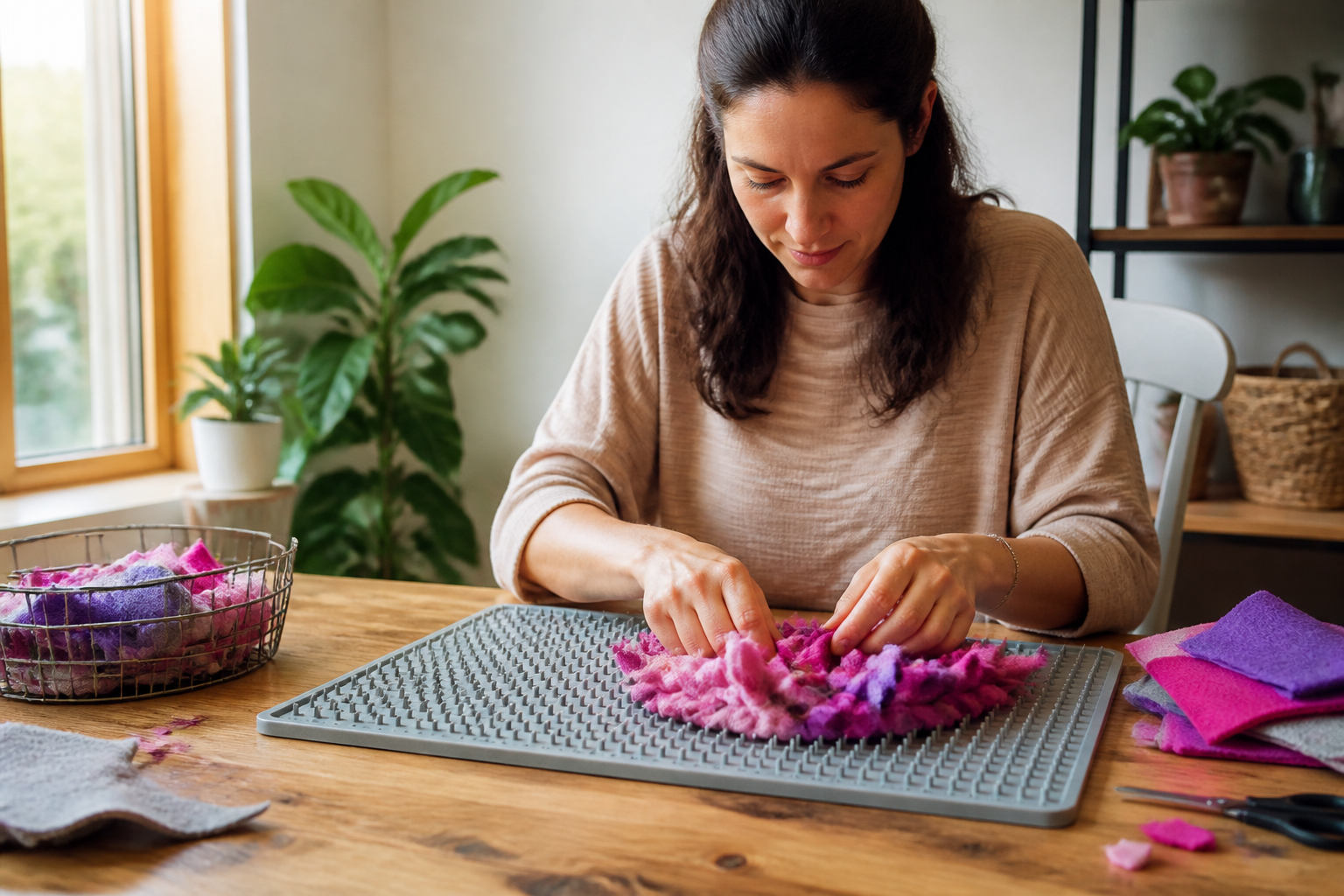
This is the most popular way to make a snuffle mat without a rubber mat. It uses a thick piece of fleece as the base. You will create your own grid by making small cuts in the foundation fabric.
Step 1: Prepare the Base
Cut a large square or rectangle from your fleece. A standard size is 12 inches by 12 inches. If you have a larger breed, you might want to go up to 18 inches. Cut a second piece of the same size. Layering two pieces makes the base more stable and prevents it from bunching up while your dog works.
Step 2: Create the Grid
Fold your base fabric in half. Use your scissors to make small, parallel snips along the fold. These snips should be about one inch apart. Make sure you do not cut all the way to the edges. When you unfold the fabric, you will see rows of small slits.
Repeat this process across the entire surface of the base. You want a grid of holes that covers the fabric. Space your rows about one inch apart.
Step 3: Cut the Snuffle Strips
Now you need to prepare the "grass" of your mat. Cut your remaining fleece into strips. These strips should be approximately one inch wide and six to seven inches long. For a 12-inch mat, you will likely need between 100 and 150 strips.
Step 4: Tie the Strips
Take one strip and thread it through two adjacent slits in your base. Pull the ends up so they are even on the top side of the mat. Tie a single, firm knot. You do not usually need a double knot with fleece because the fabric has enough grip to stay tied.
Continue this process until every slit has a strip tied through it. If you want a denser mat, you can tie multiple strips through the same slits or add more rows of holes.
Vet Tip: Always supervise your dog when introducing a new DIY toy. If your dog starts to chew or pull the strips out, intervene and redirect them to a proper chew toy.
Method 2: The Braided or Woven Method
If you want a mat that is even heavier and less likely to slide across the floor, you can use a woven approach. This method takes a little more time but results in a very professional finish.
Create a Sturdy Foundation
Instead of a single layer of fleece, braid long strips of fleece together to create a thick mat. You can then tie your snuffle strips into the gaps of the braid. This creates a heavy, padded toy that stays in place even on hardwood floors.
Weaving the Strips
You can also use a simple weaving technique. Cut long, wide strips for your base and lay them out vertically. Weave horizontal strips through them to create a fabric "mat." Once your woven base is the desired size, you can tie your shorter snuffle strips onto the intersections of the weave.
Key Takeaway: The slit method is faster, but a woven or braided base provides more weight and stability for enthusiastic sniffers.
Designing Your Mat for Difficulty
Not all dogs sniff the same way. You can adjust the design of your mat to match your dog's skill level.
For Beginners and Puppies
If your dog has never used a snuffle mat, make it easy. Use shorter strips (about five inches) and do not tie them too closely together. This allows the treats to sit near the surface. The dog will find them quickly and stay motivated.
For Expert Sniffers
If your dog is a pro, increase the challenge. Use longer strips (eight or nine inches) and tie them very densely. You can even tie strips in different directions to create "pockets" where kibble can hide deeper. This forces the dog to move the fabric around with their nose and paws.
Using Colors to Your Advantage
Dogs see colors differently than humans. While we might love a rainbow mat, dogs see blues and yellows most clearly. Using high-contrast colors can help a puppy see where the strips are, while a monochromatic mat might make them rely more heavily on their sense of smell.
How to Use Your Snuffle Mat for Maximum Enrichment
A snuffle mat is more than just a toy. It is a tool for mental health and behavioral management. You can find additional ideas in this guide to brain games for dogs.
Slowing Down Fast Eaters
If your dog inhales their food in seconds, they are at risk for digestive upset or bloat. Using a snuffle mat for mealtime is a fantastic solution. Instead of a bowl, scatter their kibble across the mat. It will take them ten to fifteen minutes to finish a meal. This slower pace is much better for their digestion.
Managing Anxiety and Stress
Sniffing is a naturally calming behavior for dogs. It lowers their heart rate and focuses their mind. If your dog gets stressed during thunderstorms or when guests arrive, bring out the snuffle mat. Engaging their nose can help them ignore external stressors.
Senior Dog Care
As dogs age, they may not be able to go on long walks or play intense games of fetch. A snuffle mat provides "low-impact" exercise. It keeps their brain sharp without putting stress on their joints. At BaxterBoo, we see many senior pet owners using enrichment mats to maintain quality of life for their aging companions.
Bottom line: A snuffle mat is a versatile tool that improves digestion, reduces anxiety, and provides safe mental exercise for dogs of all ages.
Cleaning and Maintenance
Because your mat will be filled with food and saliva, you must keep it clean.
Washing Instructions
One of the best things about a fabric-base mat is how easy it is to wash.
- Shake the mat outside to remove any leftover crumbs or hair.
- Place the mat in a mesh laundry bag. This protects the strips from getting caught in the machine's agitator.
- Wash on a gentle cycle with cold water.
- Use a pet-safe, scent-free detergent. Heavy perfumes can be overwhelming for a dog's sensitive nose.
- Air dry the mat or tumble dry on the lowest heat setting.
Inspecting for Wear
Every time you wash the mat, check the strips. Look for any that have come loose or been chewed. If a strip is hanging by a thread, remove it. Re-tie any knots that have loosened. Keeping the mat in good repair ensures it remains a safe toy for years.
Supplementing Enrichment with Quality Treats
The mat is only as exciting as the rewards you hide inside. For daily meals, standard kibble works perfectly. However, for training or special enrichment sessions, you may want something more enticing.
We recommend using small, dry treats that do not leave behind a greasy residue. Dehydrated meats or small crunchy biscuits are ideal. If your dog is on a restricted diet or has specific health needs, check with your veterinarian about appropriate food options.
For dogs managing weight issues, you can use the mat to make their diet food more interesting. Using a snuffle mat helps them feel more satisfied with smaller portions because the "hunt" provides a sense of accomplishment. Browse our dog treats category for options to use during enrichment sessions.
Key Takeaway: Use dry, low-residue treats to keep your mat clean, and consult your vet if you are using the mat for weight management or prescription diets.
Safety First: When to Supervise
While DIY snuffle mats are generally safe, they are not indestructible. Some dogs are "shakers" who will try to pick up the mat and whip it around to make treats fall out. Others are "shredders" who want to tear the fabric apart.
If your dog is a shredder, they may not be a good candidate for a fleece toy. Ingesting fabric can cause serious intestinal blockages. Always watch your dog the first few times they use the mat. Once they understand that the goal is to sniff, not to destroy, you can be more relaxed. However, never leave a dog alone with a snuffle mat if they have a history of eating non-food items.
Vet Tip: If you suspect your dog has swallowed fabric strips, watch for signs of lethargy, vomiting, or loss of appetite. Consult your veterinarian immediately if these symptoms appear.
Troubleshooting Common Issues
The Mat Slides Around
If your fabric mat is too light and slides across the floor, try placing it on a silicone feeding mat or a small piece of non-slip rug backing. You can also sew a piece of non-slip fabric to the bottom of your fleece base.
My Dog is Frustrated
If your dog starts pawing aggressively at the mat or barking, the challenge might be too hard. Move the strips aside so the treats are visible. Once they find a few easily, they will settle down and start using their nose.
Strips Falling Out
If strips are falling out of your no-sew mat, your slits might be too large. When you make your next mat, make the slits just wide enough to pull the fabric through. The tension of the base fabric is what holds the knot in place.
Why a DIY Mat is a Great Weekend Project
Making a snuffle mat is a rewarding way to spend an hour. It is a simple craft that provides months of entertainment for your dog. It also allows you to customize the size and color to match your home decor or your pet's personality.
Using the MVP Rewards program can help you save on the supplies and treats you need to fill your new mat. We love seeing how creative our customers get with their homemade enrichment toys. Whether you choose the simple slit method or a more complex woven design, your dog will appreciate the effort.
Conclusion
Creating a snuffle mat without a rubber mat is a practical solution for any pet owner who wants a washable, safe, and portable enrichment toy. By using a double-layered fleece base and the slit method, you can build a high-quality puzzle in less than an hour. These mats are excellent for slowing down fast eaters and providing a calming activity for anxious dogs. Remember to choose high-quality fleece, supervise your dog during use, and keep the mat clean with regular washing.
- Fleece is the best material because it is soft and does not fray.
- A fabric base is easier to machine wash than a rubber one.
- Snuffling is a natural behavior that reduces stress in dogs.
- Adjust strip length and density to change the difficulty for your pet.
Your next step is to gather your materials and start cutting. Once your mat is finished, visit our dog treats category to find the perfect healthy rewards to hide inside.
FAQ
Can I use fabrics other than fleece for a snuffle mat?
While you can use other fabrics, fleece is highly recommended because it does not fray when cut. If you use cotton or denim, the edges will unravel, creating long threads that can be dangerous if swallowed. Fleece also has a natural grip that helps knots stay secure without needing to be sewn.
How often should I wash my DIY snuffle mat?
You should wash your snuffle mat at least once a week if you use it daily. If you use high-value treats that are slightly moist, you may need to wash it more frequently to prevent odors and bacteria. Always shake out the mat and inspect it for loose strips before and after every wash cycle.
Is a snuffle mat safe for cats too?
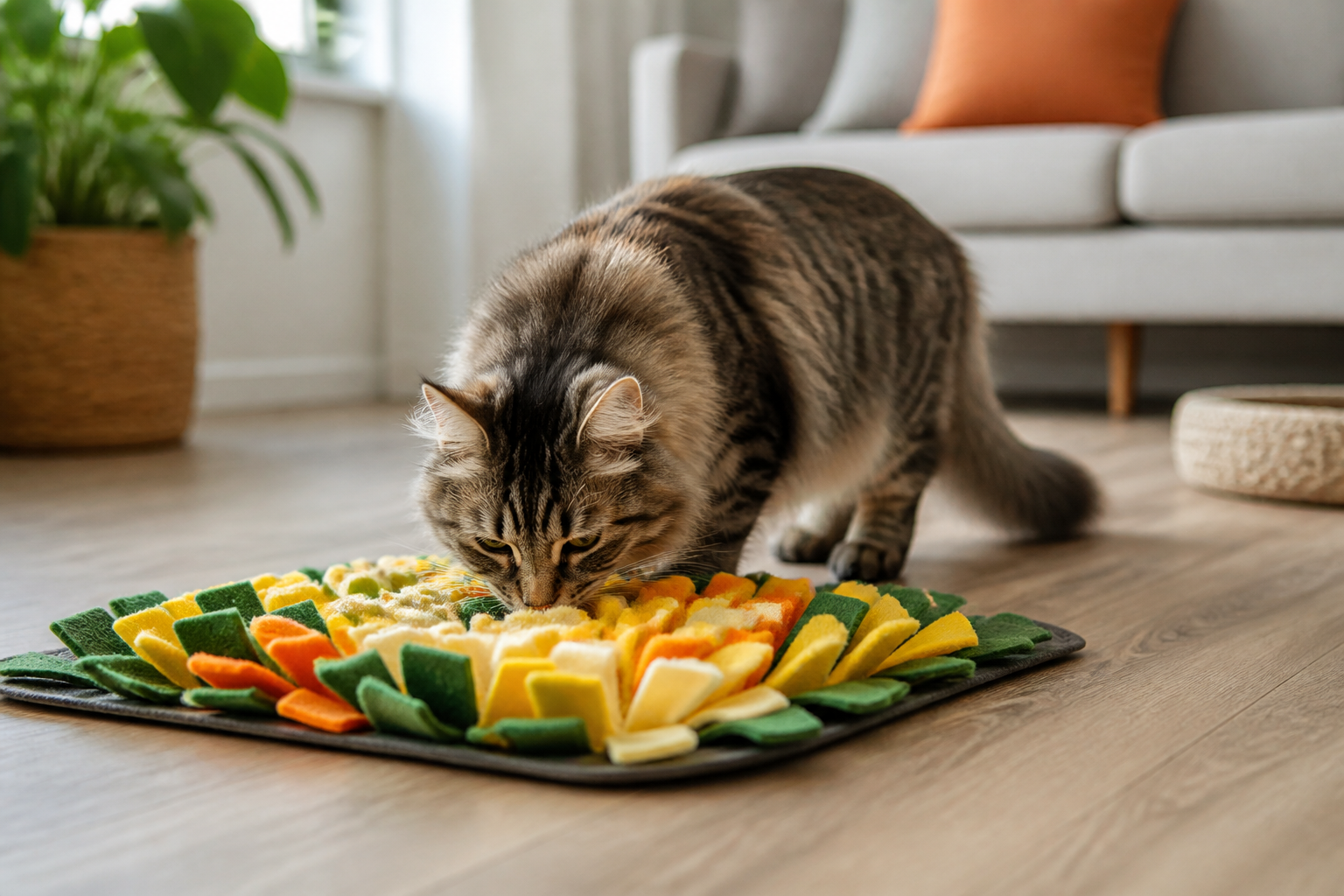
Yes, cats can benefit greatly from snuffle mats. Many cats enjoy foraging for their dry kibble or catnip-infused treats among the fleece strips. For cats, you may want to make the mat slightly smaller and use shorter strips that are easier for their smaller noses to navigate.
What should I do if my dog tries to eat the fleece strips?
If your dog attempts to chew or eat the fabric, remove the mat immediately. You can try to re-introduce it while keeping the dog on a leash or sitting right next to them to correct the behavior. If the dog continues to view the mat as a chew toy rather than a puzzle, a snuffle mat may not be the right enrichment tool for them.