
 Save 15% on your 1st Autoship learn more

 Email us
 Live Chat
 FAQs
FAQs





Introduction
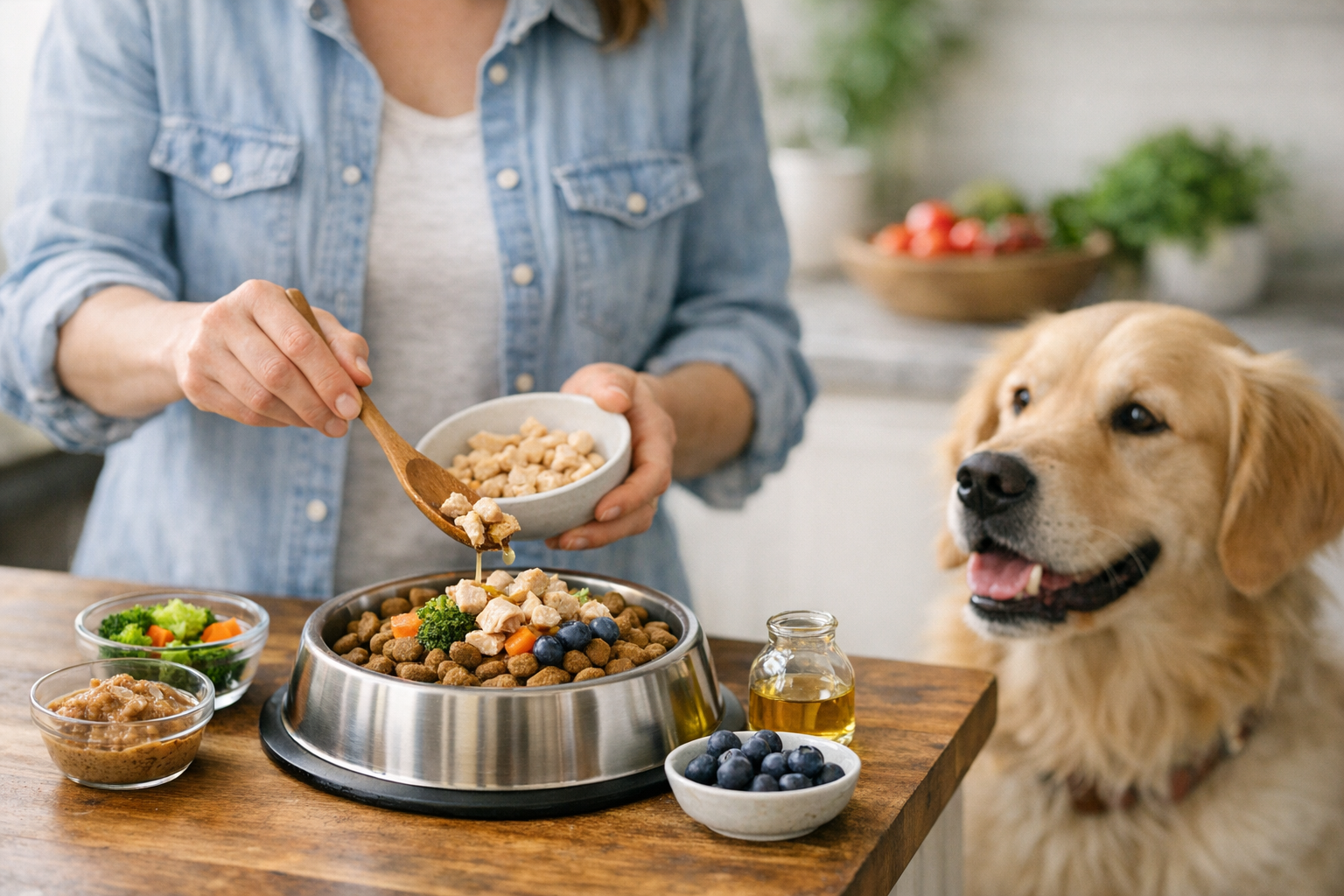
It is a familiar scene for many dog owners: you scoop out the usual kibble, set the bowl down with a cheerful call, and your dog walks over, takes a single sniff, and sighs before walking away. When a dog suddenly loses interest in their dinner, it can be frustrating and worrying. We have seen this countless times at BaxterBoo, where we help neighbors find the right balance between nutrition and palatability. This post covers practical ways to enhance the scent, texture, and flavor of dry food to get your dog excited about mealtime again. We will explore everything from simple pantry additions to high quality meal toppers and storage tips. Our goal is to help you transform a boring bowl of dry kibble into a nutritious, enticing meal that supports your dog's long term health.
If you want a good place to start comparing options, browse our dry dog food category.
Check the Freshness of the Kibble
Before you start adding fancy toppers or mixing in extras, the first step is to investigate the food itself. Dry dog food contains fats and oils that can go rancid over time. Once a bag is opened, exposure to oxygen, light, and moisture begins to degrade the quality of the ingredients. Most bags of kibble are only at their peak freshness for about two to three weeks after the seal is broken. If your dog is turning their nose up at a bag that has been open for a month or more, they might simply be detecting that the food has gone stale.
Proper storage is the best way to prevent this. We recommend keeping the kibble in its original bag and placing that entire bag inside an airtight container. The bags are designed to provide a barrier against oil seepage and oxidation. If you pour the food directly into a plastic bin, residual oils can stick to the sides and turn rancid, contaminating each new batch of food you buy.
You should also check the "best by" date on the packaging. While these dates are about quality rather than safety, food nearing the end of its shelf life may have lost its enticing aroma. If the food smells dusty, sour, or metallic, it is time to start a fresh bag.
Key Takeaway: Dry food starts to lose its aroma and nutritional value within weeks of opening. Store kibble in its original bag inside an airtight bin to keep it smelling fresh and tasting great.
For more storage advice, see our dry dog food freshness guide.
The Power of Hydration and Aroma
Dogs experience the world primarily through their noses. While humans have about six million olfactory receptors, dogs have up to 300 million. This means that if a food does not smell interesting, it probably does not taste interesting either. One of the easiest ways to make dry food more appealing is to activate its scent using moisture.
Warm Water
Adding a splash of warm water is the simplest trick in the book. The heat helps release the natural fats and aromas trapped in the kibble. It also creates a light gravy that coats the pieces. Let the food sit for a few minutes until it softens slightly. This change in texture can be especially helpful for senior dogs who might find very hard kibble difficult to chew.
Dog Safe Bone Broth
If water is not doing the trick, consider a high quality bone broth designed specifically for pets. Traditional grocery store broths often contain onions, garlic, and excessive salt, all of which can be harmful to dogs. Pet-safe bone broths are packed with collagen and amino acids that support joint health and digestion. Pouring a small amount over dry food adds a punch of savory flavor that most dogs find impossible to resist.
Goat's Milk or Kefir
For dogs with a taste for dairy, goat's milk is a fantastic option. It is often easier for dogs to digest than cow's milk and provides a boost of probiotics. A little bit of plain, unsweetened kefir can also work. These additions provide a creamy texture and a tangy scent that can mask the monotony of plain dry food.
Quick Answer: You can make dry dog food more appealing by adding warm water, pet-safe bone broth, or goat's milk. These liquids release the food's natural aromas and create a more interesting texture for picky eaters.
If you want a deeper look at this approach, read our guide to mixing dry dog food with water.
Incorporating Fresh Whole Foods
Adding fresh ingredients to a kibble-based diet is a great way to improve nutrition while keeping things interesting. Many experts suggest that replacing even a small portion of dry food with fresh, whole foods can have a significant impact on a dog's vitality.
Lean Proteins and Eggs
A bit of cooked chicken, turkey, or lean beef can transform a meal. Make sure any meat you add is unseasoned and free of bones. Eggs are another budget friendly way to add high quality protein. You can offer them scrambled or hard boiled. The sulfur and amino acids in eggs are great for a dog's coat, and the taste is a major motivator.
Steamed Vegetables
Vegetables add crunch, fiber, and a different flavor profile. Some dogs love the sweetness of carrots or the snap of green beans. If your dog is watching their weight, adding green beans is a classic way to help them feel full without adding many calories. Always steam or finely chop vegetables like broccoli or cauliflower to help your dog digest the plant matter more easily.
The 50 Percent Rule
Some owners choose to follow a strategy where they replace up to 50 percent of the daily kibble with fresh foods like meat, organs, and vegetables. This provides a diet closer to what a dog’s ancestors would have eaten. If you decide to go this route, it is important to ensure the overall diet remains balanced.
Step 1: Start small. / Add just a tablespoon of fresh food to the kibble to see how your dog reacts. Step 2: Monitor digestion. / Watch for any signs of loose stools or gas when introducing new ingredients. Step 3: Rotate options. / Change the type of fresh food weekly to keep your dog from getting bored.
If your dog likes a little extra variety, you can also explore our dog treats category.
High Quality Meal Toppers
If you do not have time to prep fresh food, meal toppers are a convenient alternative. At BaxterBoo, we carry a wide variety of toppers that are specifically formulated to entice picky eaters while providing a nutritional boost.
Freeze-Dried Raw Toppers
Brands like Stella and Chewy's or Vital Essentials offer freeze-dried raw nuggets that you can crumble over kibble. Because these are minimally processed, they retain a strong, meaty scent and flavor. They provide the benefits of a raw diet with the convenience of a dry product. You can even rehydrate them with a little water to create a chunky stew.
For more options, take a look at our freeze-dried food and topper collection.
Fish Oils and Salmon Oil
Adding a squirt of salmon oil or pollock oil serves two purposes. It makes the food smell intensely of fish, which many dogs love, and it provides essential omega-3 fatty acids. These fats support skin health, reduce inflammation, and help maintain a shiny coat. This is a great choice for dogs dealing with seasonal allergies or dry skin.
Canned Food Mix-ins
Mixing a spoonful of wet food into the dry kibble is a tried and true method. The key is to mix it thoroughly. If you just put a dollop on top, your dog might just lick off the wet food and leave the dry pieces behind. Stir it in until every piece of kibble is coated in the savory wet food.
Vet Tip: When adding toppers or fresh food, remember to reduce the amount of dry food you are feeding to prevent weight gain. Always consult your veterinarian before making major changes to your dog's diet, especially if they have underlying health conditions like kidney disease or pancreatitis.
If you want to compare mixed feeding styles, read our wet and dry food mixing guide.
Evaluating the Quality of the Kibble
Sometimes, a dog is picky because the food they are being offered simply does not taste very good. Not all kibble is created equal. Many budget brands rely heavily on cereal grains and fillers like corn or soy, which do not have much flavor.
High quality brands such as Farmina, Acana, and Orijen use fresh meats and animal fats as their primary ingredients. These premium foods naturally smell more like meat and less like grain. If your dog is consistently refusing their current brand, it might be worth transitioning to a higher protein, grain-free, or limited ingredient diet.
When switching brands, do so slowly over 7 to 10 days. Start by mixing 25 percent of the new food with 75 percent of the old food. Gradually increase the ratio of new food as long as your dog's stomach remains settled. This slow transition helps prevent digestive upset and allows your dog to get used to the new flavor profile.
Behavioral and Environmental Factors
Sometimes the problem is not the food, but the way it is being served. A dog's environment and the owner's habits can play a large role in how much they enjoy their meals.
The Treat Trap
If your dog is getting a lot of high value treats throughout the day, plain dry food is going to seem very boring by comparison. Think of it like a child who eats candy all afternoon and then refuses their broccoli at dinner. If you have a picky eater, try cutting back on treats for a few days. Make sure they are actually hungry when mealtime rolls around.
Stop Free-Feeding
Leaving a bowl of food out all day can lead to grazing, which often makes dogs less enthusiastic about eating. By switching to scheduled mealtimes, you utilize a dog's natural biological rhythm. Set the bowl down for 15 to 20 minutes. If they do not eat, pick it up and do not offer food again until the next scheduled meal. Most healthy dogs will learn quickly that they need to eat when the food is available.
Use Enrichment Toys
Some dogs find eating out of a bowl boring. Using a puzzle feeder or a treat-dispensing toy can turn mealtime into a rewarding game. The mental stimulation of "hunting" for their food can make the kibble more appealing because they have to work for it.
Bottom line: Creating a consistent feeding schedule and reducing midday snacks can help rebuild a dog's appetite for their regular meals.
If your dog needs more encouragement than kibble alone, our dog health category can be a helpful place to explore supportive options.
When Pickiness Is a Health Concern
While many dogs are just being selective, a sudden loss of appetite can also be a sign of a health issue. If your dog usually loves their food but suddenly stops eating, you should pay close attention.
Dental Pain
If your dog has cracked teeth, inflamed gums, or periodontal disease, crunching down on hard kibble can be painful. They might want to eat but find the physical act of chewing too difficult. In these cases, softening the food with warm water is a temporary fix, but a dental exam is necessary.
Digestive Issues and Allergies
Food sensitivities or chronic stomach upset can cause a dog to associate their food with feeling unwell. If you notice symptoms like vomiting, diarrhea, or excessive itching alongside their pickiness, it is time for a vet visit.
For dogs with chronic conditions or those who need a therapeutic diet, our pet pharmacy offers a wide selection of prescription pet foods. Through our partnership with Pet's Choice, we carry FDA-approved prescription diets from brands like Royal Canin and Farmina Vet Life. These foods are specifically formulated for conditions like urinary health, weight management, and skin sensitivities. Our pharmacy is a reliable resource for managing your dog's ongoing health needs with medications and specialized nutrition that require a veterinarian's oversight.
Cognitive Decline in Seniors
Senior dogs may experience a loss of appetite due to a declining sense of smell or cognitive changes. For these older pets, making the food extra smelly and easy to chew is vital. Supplements like Senilife can also support brain health in aging dogs, which may help improve their interest in daily activities, including eating.
Vet Tip: If your dog refuses to eat for more than 24 hours, or if the loss of appetite is accompanied by lethargy, vomiting, or changes in drinking habits, please contact your veterinarian immediately for a professional diagnosis.
Summary of Add-ins for Dry Food
| Add-in Type | Examples | Benefits |
|---|---|---|
| Liquids | Warm water, bone broth, goat's milk | Enhances aroma, eases chewing, adds hydration |
| Fresh Proteins | Scrambled eggs, boiled chicken, lean beef | Increases protein, improves flavor |
| Produce | Carrots, green beans, blueberries | Adds fiber and antioxidants |
| Fats/Oils | Salmon oil, pollock oil | Supports skin and coat, provides intense scent |
| Toppers | Freeze-dried raw, wet food mix-ins | Provides high-value flavor and texture |
Conclusion
Helping your dog enjoy their dry food does not have to be complicated or expensive. By focusing on freshness, adding enticing liquids like bone broth, or mixing in high quality toppers, you can make every meal something your dog looks forward to. Remember to check for any underlying health issues if the pickiness is sudden or severe. Whether you are upgrading to a premium kibble brand or just adding a splash of warm water, small changes can make a big difference in your dog's enthusiasm and overall health.
If you are ready to give your dog's bowl a boost, we invite you to explore our selection of toppers and high quality foods. Consider signing up for our Autoship programme to save on your first order and ensure you never run out of your dog's favorites. Plus, the MVP Rewards programme lets you earn back on every purchase. At BaxterBoo, we are here to support you in providing the best care for your pets every single day.
Key Takeaway: Variety and freshness are the enemies of pickiness. Use a rotation of safe toppers and proper storage to keep your dog's interest high.
FAQ
Is it okay to mix wet and dry dog food every day?
Yes, mixing wet and dry food is a safe and effective way to make meals more appealing. Just be sure to stir them together well so your dog does not just pick out the wet pieces. You should also adjust the total portions to ensure you are not overfeeding your dog.
Can I use human gravy to make my dog's food taste better?
You should avoid using standard human gravy because it often contains high levels of salt, fat, and ingredients like onions or garlic which are toxic to dogs. Instead, use a specialized pet bone broth or a little bit of warm water mixed with a spoonful of canned dog food to create a safe gravy.
Why does my dog suddenly hate their dry food?
There are several reasons for a sudden change, including the food going stale, dental pain, or a minor stomach upset. It could also be that they are getting too many high value treats and are holding out for something better. If the behavior continues or they seem ill, a vet visit is the best course of action.
How much water should I add to my dog's kibble?
A good rule of thumb is to add about a quarter cup of warm water for every cup of dry food. You want enough to create a bit of moisture and release the scent without turning the food into a soggy mush, unless your dog specifically prefers a softer texture. Let it sit for two to three minutes before serving.






