
 Save 15% on your 1st Autoship learn more

 Email us
 Live Chat
 FAQs
FAQs





Introduction
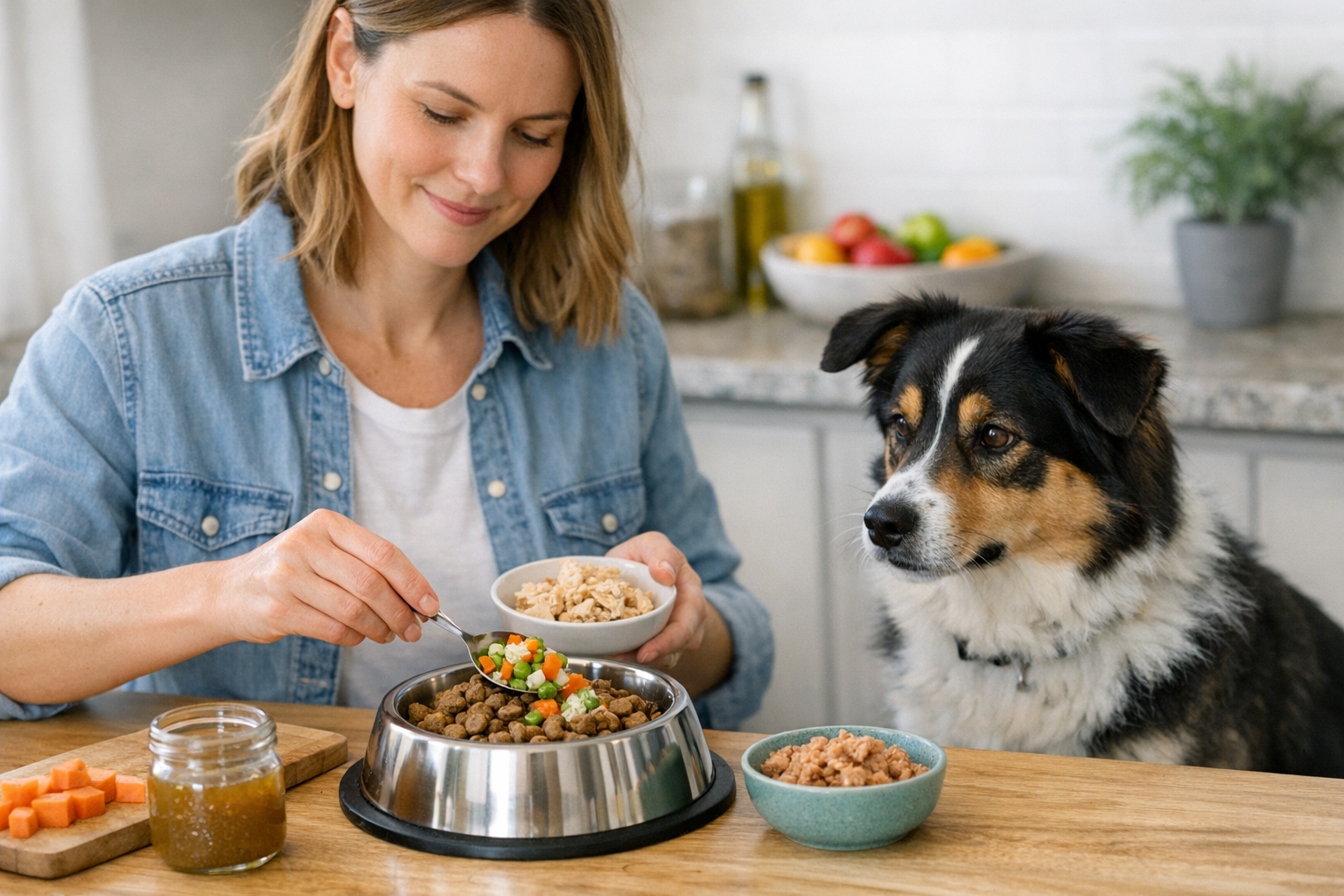
Your dog stands over the bowl, takes a single sniff, and walks away with a heavy sigh. This moment is frustrating for any pet owner who wants to ensure their companion is getting proper nutrition. While dry kibble is a practical and balanced choice, some dogs find the repetitive texture and mild aroma unappealing over time. At BaxterBoo, we know that mealtime should be the highlight of your dog's day. We have helped thousands of owners in our Vernon Hills warehouse and across the country find ways to excite even the most stubborn eaters. This guide covers practical, healthy ways to improve the flavor and texture of dry food using simple kitchen staples and expert-curated products from our dog food category. By understanding how to safely enhance kibble, you can ensure your dog looks forward to every meal.
Start with Freshness and Storage
Before you add a single topper to the bowl, you should check the quality of the food itself. Dry dog food contains fats and oils that can go rancid once the bag is opened. Most kibble stays at its peak flavor for about two to three weeks after the seal is broken. If the food smells "off" or like old paint, your dog is likely avoiding it for a good reason.
If you want a deeper look at storage basics, our guide on how long dry dog food stays fresh once opened is a helpful next read. Proper storage is the first step in maintaining palatability. Do not pour the food directly into a plastic bin. The plastic can leach chemicals into the food, and old fat residues at the bottom of the bin can spoil the new batch. Instead, keep the food in its original bag and place the entire bag inside an airtight container. This provides a double barrier against oxygen and moisture.
- Check the expiration date on the bag before every feeding.
- Keep the container in a cool, dry place rather than a warm garage.
- Wash your dog's bowl daily to remove old oils and bacteria.
Key Takeaway: Stale food loses its aroma and flavor. Maintaining freshness through proper storage is often the easiest way to make dry food more appealing.
The Magic of Warmth and Hydration
Dogs rely heavily on their sense of smell to determine if something is worth eating. Dry kibble has a very low moisture content, which means its aroma is locked away. Adding warm liquid is one of the most effective ways to release those meaty scents and soften the texture for senior dogs or those with dental sensitivity.
Using Warm Water
Adding a quarter cup of warm water to every cup of kibble creates a simple "kibble soup." The warmth brings out the fats and flavors in the food. You can serve it immediately or let it sit for five minutes until the water is absorbed and the food turns into a soft mash. This is particularly helpful for puppies transitioning to solid food or older dogs with missing teeth.
The Benefits of Bone Broth
If water does not do the trick, low-sodium bone broth is a fantastic alternative. It provides a massive boost of flavor and added hydration. You must ensure the broth is specifically formulated for pets or made without onions, garlic, or excessive salt. Humans often use these ingredients for flavor, but they are toxic to dogs.
You can explore our food topper category for pet-safe broths and liquid toppers that are rich in collagen and amino acids. These additions do more than just taste good. They support joint health and digestion while making the meal feel like a special treat.
Vet Tip: If you use store-bought broth, always check the label for "no added salt." Excessive sodium can strain a dog's kidneys and lead to dehydration.
Healthy Toppers for Instant Flavor
Meal toppers are a fast way to add variety without changing your dog's entire diet. These are concentrated bursts of flavor and nutrition that you can sprinkle or pour over the dry food.
Freeze-Dried Raw Boosters
Many owners find success with freeze-dried raw toppers from brands like Stella & Chewy's or Open Farm. These products provide the nutritional benefits of raw meat in a convenient, shelf-stable form. You can crumble the pieces over the kibble or mix them in so your dog cannot just pick out the "good parts." Since these are high in protein and calories, remember to reduce the amount of kibble slightly to maintain a healthy weight.
Fish Oils and Omega Fatty Acids
Adding a pump of salmon oil or pollock oil is another excellent way to increase palatability. Most dogs love the fishy scent and flavor. Brands like Zesty Paws offer high-quality oils that support skin and coat health. The oil coats each piece of kibble, making it slippery and flavorful.
- Salmon Oil: Rich in Omega-3 for a shiny coat.
- Green Juju Toppers: Whole-food additions for an antioxidant boost.
- NutriSource Toppers: Savory gravies designed for picky eaters.
If you want to browse more options from a brand that offers plenty of savory add-ins, our selection of NutriSource products is a smart place to start.
Bottom line: Toppers add variety and essential nutrients while making the base kibble smell much more enticing.
High-Protein Add-ins from Your Kitchen
You do not always need a specialized product to make a meal better. Several common human foods are safe and delicious additions to a dog's bowl.
The Power of Eggs
Eggs are a high-quality protein source that contains essential amino acids and fatty acids. You can offer them scrambled, hard-boiled, or even raw if you trust the source. One egg has about 70 calories, so for a small dog, half an egg is plenty. Never add butter, salt, or oil when cooking eggs for your pet.
Plain Yogurt and Kefir
A small dollop of plain, unsweetened yogurt can provide a creamy texture and beneficial probiotics. This is particularly useful for dogs with sensitive stomachs. Make sure the yogurt does not contain Xylitol, a common artificial sweetener that is deadly to dogs. Mix the yogurt thoroughly so the kibble is fully coated.
Lean Meats
If you have leftover unseasoned chicken breast, turkey, or lean beef, these make excellent mix-ins. Shred the meat into tiny pieces. This makes it harder for the dog to separate the meat from the kibble. This method is a great way to use up leftovers while rewarding your dog for finishing their meal.
Vegetables and Fruits for Texture
Some dogs enjoy a bit of crunch or sweetness in their bowl. Adding fresh produce can provide vitamins, minerals, and fiber without adding many calories. This is a great strategy for dogs who are on a weight management plan but still want a tasty meal.
Top Produce Picks
- Carrots: Provide a satisfying crunch and beta-carotene.
- Blueberries: Packed with antioxidants and easy to mix in.
- Green Beans: High in fiber and very low in calories.
- Sweet Potatoes: Must be steamed or boiled and mashed before serving.
Always introduce new vegetables slowly. Too much fiber at once can cause gas or loose stools. If your dog is managing a specific health condition like obesity or diabetes, we recommend checking with your veterinarian before adding significant amounts of produce. Our pharmacy carries prescription diets like Farmina Vet Life for dogs with specific nutritional needs, and we can help you manage these through our pet pharmacy.
When Picky Eating Signals a Health Issue
While many dogs are simply bored with their food, sudden picky eating can sometimes be a sign of an underlying medical problem. If your dog has always been a good eater and suddenly stops, it is time to investigate.
Dental Pain
If a dog has a cracked tooth, gum disease, or an abscess, crunching down on hard kibble can be incredibly painful. You might notice them dropping food, chewing on only one side of their mouth, or pawing at their face. In these cases, softening the food with warm water is a temporary fix, but a vet visit is necessary to address the pain.
Gastrointestinal Distress
Nausea or stomach upset will make any dog turn away from their bowl. If the picky eating is accompanied by vomiting, diarrhea, or lethargy, it is not a matter of flavor. It is a matter of health. Dogs with chronic allergies or sensitivities may also associate their food with feeling unwell.
Vet Tip: If your dog refuses to eat for more than 24 hours, or if they stop drinking water, consult your veterinarian immediately. A physical exam can rule out issues like kidney disease or dental infections.
Transitioning Your Dog to New Food
If you have tried toppers and liquids but your dog still refuses their kibble, it might be time to switch brands. Not all kibble is created equal. Some brands use higher meat content and fewer fillers, which naturally tastes better to dogs. Brands like Acana, Orijen, and Farmina focus on biologically appropriate ingredients that dogs naturally crave.
When you switch, do it slowly over seven to ten days.
- Days 1–3: Mix 25% new food with 75% old food.
- Days 4–6: Mix 50% new food with 50% old food.
- Days 7–9: Mix 75% new food with 25% old food.
- Day 10: Feed 100% new food.
A slow transition helps prevent diarrhea and gives your dog's digestive system time to adapt to the new nutrient profile. If your dog needs a specialized prescription diet for a health condition, remember that you can fulfill those orders through our pharmacy partnership. For repeat orders, our Autoship programme can help keep their food coming on schedule.
Using Toys and Enrichment
Sometimes, the problem is not the food, but the delivery. Dogs are natural foragers. Eating out of a static bowl can be boring. Using enrichment toys like a Kong or a slow feeder can turn mealtime into a game.
You can stuff a Kong with kibble mixed with a little bit of canned food or peanut butter and freeze it. This makes the dog work for their meal. The act of licking and chewing releases endorphins, which can make the food seem more rewarding. We offer a wide range of dog toys and treat-dispensing gear that can reinvigorate your dog's interest in their daily meals.
- Slow Feeders: Prevent gulping and add a challenge.
- Snuffle Mats: Encourage your dog to use their nose to find kibble.
- Interactive Balls: Drop kibble as the dog rolls the toy around.
The Role of Consistency and Routine
It is tempting to offer high-value treats or human "table scraps" when your dog refuses their kibble. However, this often trains the dog to hold out for something better. If they know that refusing their bowl leads to a piece of steak, they will continue to refuse the bowl.
Set a schedule with firm meal times. Put the bowl down for 15 to 20 minutes. If the dog does not eat, pick the bowl up and wait until the next scheduled meal time. A healthy dog will not starve themselves. Usually, once they realize that no other options are coming, they will return to their kibble. This approach requires discipline from the owner but is often the most effective way to correct behavioral pickiness.
If you are looking for a simple way to stay consistent with your dog's favorite meals, our MVP Rewards programme can add extra value to repeat purchases.
Conclusion
Making dry dog food tastier does not require a complete overhaul of your pet's diet. By focusing on freshness, adding healthy liquids like warm water or bone broth, and incorporating nutrient-dense toppers, you can transform a standard meal into something your dog truly enjoys. At BaxterBoo, we are committed to providing the expert-curated food, toppers, and supplements you need to keep your dog healthy and happy. Whether you are adding a pump of salmon oil or transitioning to a premium brand like Stella and Chewy's, small changes can lead to a much more enthusiastic eater.
- Check for food freshness and use airtight storage.
- Use warm liquids to release enticing aromas.
- Add safe, high-protein kitchen staples like eggs or yogurt.
- Utilize puzzle toys to make mealtime an engaging activity.
If your dog's lack of appetite persists despite these changes, please consult your veterinarian to rule out any medical concerns. For those managing ongoing health needs, our pharmacy is a reliable resource for prescription diets and medications. You can also explore our Autoship programme to keep favorite foods and toppers arriving on schedule.
Bottom line: A little creativity and the right toppers can turn a picky eater back into a dog that loves their dinner.
FAQ
Can I add water to my dog's dry food every day?
Yes, adding water to dry food is safe and often recommended. It helps with hydration and can make the food easier to digest, especially for dogs who eat too quickly. Just be sure to wash the bowl after every meal, as moistened kibble can grow bacteria more quickly than dry food.
Is it okay to mix wet food and dry food together?
Mixing wet and dry food is an excellent way to increase palatability. The wet food provides a strong aroma and a varied texture that most dogs find irresistible. If you do this, make sure to adjust the portions of both to ensure you are not overfeeding your dog.
What human foods are safe to mix into dog kibble?
Safe human foods include plain, unseasoned chicken or turkey, scrambled eggs, carrots, green beans, and blueberries. You should avoid anything containing onions, garlic, grapes, raisins, or Xylitol. Always introduce new foods in small amounts to monitor for any digestive upset or allergies.
Why did my dog suddenly stop eating their favorite dry food?
A sudden loss of appetite can be caused by the food going stale, dental pain, or an underlying health issue. Check the bag's expiration date first. If the food is fresh and your dog still refuses to eat for more than a day, or if they show other symptoms like lethargy, it is important to contact your veterinarian for a checkup.






