
 Save 15% on your 1st Autoship learn more

 Email us
 Live Chat
 FAQs
FAQs





Introduction
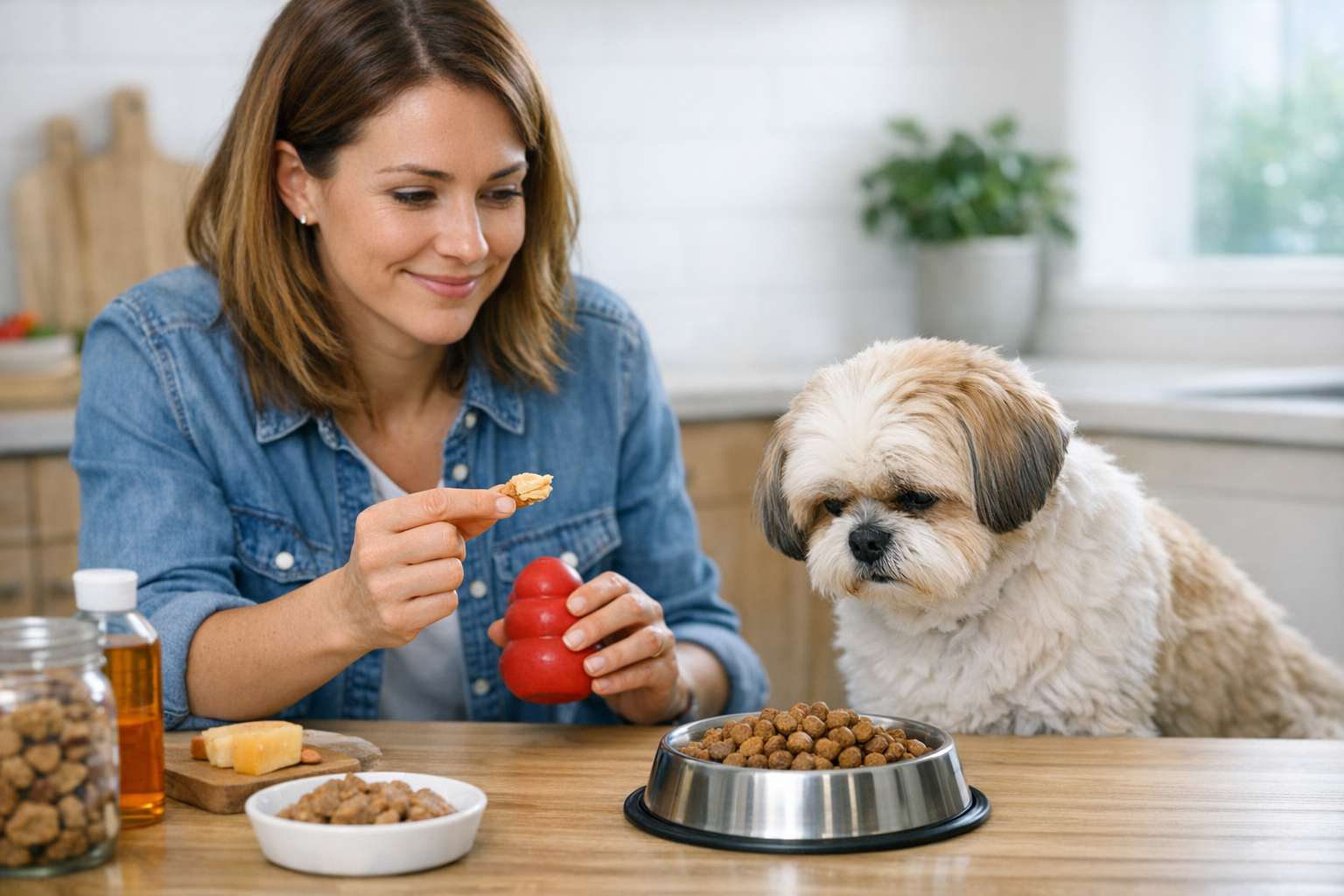
You have just filled the food bowl with high quality kibble. Your dog walks over, takes a single sniff, and then looks up at you with a sigh of disappointment. They might even walk away to sit by the dinner table, hoping for a piece of your steak instead. At BaxterBoo, we hear from frustrated pet parents every day who are dealing with this exact struggle. It is stressful when your dog refuses their meals, especially when you know they need those nutrients to stay healthy. This post covers why dogs develop a distaste for dry food and provides practical methods to get them back on track. We will look at medical reasons, behavioral habits, and easy ways to boost the flavor of every meal. Our goal is to help you turn mealtime from a battle of wills into a highlight of your dog's day.
Rule Out Medical Issues First
Before you assume your dog is just being stubborn, you must ensure they are not in pain. A sudden refusal to eat dry dog food is often the first sign of a physical problem. Dry kibble is hard. If a dog has a cracked tooth, inflamed gums, or dental disease, crunching down on that food can be painful. You might notice them drop food out of their mouth or paw at their face. If you suspect dental issues, a trip to the veterinarian is necessary to prevent infections.
Internal health also plays a significant role in appetite. Digestive disorders, kidney issues, or even simple nausea can make a dog avoid their bowl. Sometimes a dog associates their dry food with feeling unwell. If they had an upset stomach once after eating, they might avoid that specific bag of food in the future. Senior dogs often face a decline in their sense of smell and taste. If they cannot smell the food, they are much less likely to want to eat it.
Vet Tip: If your dog has not eaten for 24 to 48 hours, or if they are showing signs of lethargy and vomiting, contact your veterinarian immediately. They can rule out underlying conditions like gastrointestinal disease or organ dysfunction. Our pet pharmacy can help when your vet determines a prescription option is needed.
Common Health Culprits
- Dental Disease: Tartar buildup or broken teeth make chewing painful.
- Food Sensitivities: Allergies can cause stomach cramps that discourage eating.
- Age Related Decline: Older dogs lose sensory input and may need more aromatic food.
- Medication Side Effects: Some drugs can cause a temporary loss of appetite.
Breaking the Table Scrap Cycle
One of the most common reasons a healthy dog refuses dry food is that they are holding out for something better. Dogs are incredibly smart. If they know that refusing kibble eventually leads to a piece of chicken or a slice of cheese from your plate, they will wait. This is often called the scrap cycle. By giving in to those puppy dog eyes, you are accidentally training your dog to ignore their own nutrition.
Human food is much higher in salt, fat, and sugar than standard dog food. Once a dog gets a taste for these high value items, plain kibble seems boring by comparison. To fix this, you must be consistent. Stop all table scraps immediately. This includes "cleaning the plate" after you finish your meal. If your dog is filling up on human food, they simply will not be hungry enough to work for their dry kibble.
Key Takeaway: Consistency is the most important factor in correcting picky eating. If one person in the house gives in and feeds the dog from the table, the dog will continue to refuse their dry food.
Managing the Treat Trap
Treats are excellent for training, but they can easily ruin an appetite. Many pet owners do not realize how many calories they are giving away throughout the day. If your dog gets a biscuit every time they go outside, a chew toy in the afternoon, and a dental treat at night, they might be consuming half of their daily calories in snacks.
As a general rule, treats should never make up more than 10 percent of a dog's daily caloric intake. If your dog is being picky, cut out all treats for a few days. This forces them to rely on their main meals for energy. You can also use their dry kibble as training rewards. If they are hungry enough to work for the kibble during a training session, they are learning that the dry food has value by checking out our training treats collection.
The 30 Minute Feeding Rule
Leaving food out all day is a habit called free feeding. While convenient, it often contributes to picky eating. When food is always available, it loses its "value." It becomes a boring part of the environment rather than an exciting event. To make dry food more appealing, you need to create a sense of structure and urgency.
Set a strict schedule for meals. Put the bowl down and leave it for exactly 30 minutes. If your dog has not eaten it by then, pick the bowl up and put it away. Do not offer any food or treats until the next scheduled mealtime. Most healthy dogs will not starve themselves. Eventually, the natural drive of hunger will overcome their pickiness. They will learn that when the food is there, they must eat it, or it will disappear. If you want a convenient way to keep meals on schedule, our Autoship programme can help you stay stocked.
Steps to Implement a Feeding Schedule
Step 1: Set specific times. / Feed your dog at the exact same times every morning and evening to build a routine. Step 2: Limit the window. / Place the bowl down for 30 minutes and avoid hovering over the dog while they sniff it. Step 3: Remove the bowl. / If they do not eat, pick up the food and do not offer any snacks until the next meal. Step 4: Repeat the process. / Consistency will teach the dog that mealtime is not optional.
Enhancing the Aroma of Kibble
Dogs rely heavily on their sense of smell to decide what is edible. Dry kibble that has been sitting in a bag for a month loses much of its scent. If your dog is turning their nose up, you might just need to make the food smell more appetizing.
One of the easiest tricks is to add a small amount of warm water to the bowl. This softens the kibble and releases the fats and aromas trapped inside the bits. Make sure the water is warm but not hot. Let it sit for a few minutes until it creates a light gravy. You can also use low sodium chicken or beef broth. Just be sure the broth does not contain onions or garlic, as these are toxic to dogs.
Effective Toppers for Picky Eaters
- Warm Water or Broth: Increases aroma and hydrates the food.
- Canned Wet Food: Mixing in a tablespoon of high quality wet food can provide a texture change.
- Pumpkin Puree: A small amount of plain canned pumpkin (not pie filling) adds fiber and flavor.
- Freeze Dried Raw Bits: Products from brands like Stella & Chewy's or Vital Essentials can be crumbled over the top.
- Plain Greek Yogurt: A dollop of unsweetened yogurt provides probiotics and a creamy texture.
Note: If you use toppers, make sure to mix them thoroughly into the kibble. If you just put the topper on top, many dogs will lick off the "good stuff" and leave the dry food behind.
Proper Food Storage Matters
Sometimes the problem is not the dog or the brand. It is the freshness of the food. Once a bag of dry dog food is opened, the fats inside begin to oxidize and go rancid. This changes the taste and smell in a way that dogs find repulsive. If you buy a giant bag for a tiny dog, the food at the bottom of the bag might be stale by the time you reach it.
Store your dry food in its original bag inside an airtight container. The bags are designed to keep moisture out and oils in. Using a container helps prevent pests and keeps the food smelling fresh for up to six weeks. If your dog suddenly stops eating a brand they usually love, check the "best by" date. It is possible the bag has spoiled or was damaged during shipping. For a practical way to organize storage at home, browse our dog food storage collection.
The Role of Exercise in Appetite
A tired dog is a hungry dog. If your dog spends all day lounging on the couch, they might not have the caloric demand to feel truly hungry. Physical activity stimulates the digestive system and increases the body's need for fuel.
Try taking your dog for a brisk walk or a game of fetch about 30 minutes before mealtime. This allows their body to cool down but keeps their metabolism elevated. When they return home, their body will be primed to refuel. If you find that your dog is most active in the evening, consider making their evening meal their largest portion of the day.
Choosing the Right Kibble Size and Shape
Not all kibble is shaped the same, and this matters more than you might think. Small breed dogs often struggle with large, hard chunks of food. It can be exhausting for a five pound dog to chew through pieces designed for a Great Dane. Conversely, large dogs might find tiny kibble unsatisfying or may even swallow it whole, leading to digestive upset.
Many brands carried by us, such as Royal Canin or Farmina, offer breed-specific or size-specific formulas. These are engineered for the specific jaw strength and mouth size of different dogs. If your dog seems to struggle with the mechanics of eating, try a "small breed" formula with smaller, softer pieces.
Key Takeaway: The physical texture and size of kibble can be a barrier for some dogs. Matching the food size to your dog's breed type can improve their willingness to eat.
Using Enrichment and Puzzle Toys
Some dogs find eating from a standard bowl boring. In the wild, canines are scavengers and hunters who work for their food. Using a puzzle feeder or a toy like a Kong can turn mealtime into a game. This is especially helpful for high energy breeds or dogs that suffer from anxiety.
When a dog has to bat a ball around to get the kibble to fall out, they are using their brain. This engagement can actually make the food seem more rewarding. It also slows down fast eaters, which prevents bloating and gas. If your dog is ignoring their bowl, try scattering the kibble across a clean floor or hiding small piles around the house for them to find.
Transitioning to a New Brand
If you have tried every trick and your dog still refuses their food, it might be time to switch brands. Just like humans, dogs can have preferences for different proteins. A dog that hates chicken might thrive on a lamb or salmon based diet.
When you switch, do it slowly over seven to ten days. Start by mixing 25 percent of the new food with 75 percent of the old food. Every few days, increase the amount of new food. This prevents stomach upset and gives the dog time to adjust to the new flavor profile. We carry over 500 brands, including premium options like Orijen, Acana, and The Honest Kitchen, which often appeal to the most discerning palates.
When to Use Hand Feeding
Hand feeding should be used as a temporary tool, not a permanent solution. It can help rebuild a positive association with the food bowl. If your dog is nervous or recovering from a minor illness, sitting with them and offering a few pieces of kibble by hand can encourage them to start.
However, be careful not to create a habit where the dog only eats when you are holding the food. The goal is to get them interested enough to move toward the bowl. Once they start eating from your hand, slowly move your hand closer to the bowl until they are eating directly from it.
Creating a Calm Feeding Environment
The location of the food bowl can impact a dog's appetite. If the bowl is in a high traffic area, like a busy kitchen hallway, a nervous dog might feel too vulnerable to eat. Other pets in the house can also cause "resource guarding" stress. Even if there is no fighting, a dog might feel watched by another pet, which makes them walk away from their food.
Try moving the bowl to a quiet corner or a separate room. If you have multiple dogs, feed them in different areas or even in their crates. This allows each dog to focus on their food without feeling like they have to watch their back. A calm environment leads to better digestion and a more relaxed eating pace.
Quick Answer: To make a dog eat dry food, establish a strict 30-minute feeding window and eliminate all table scraps. You can also enhance the food's appeal by adding warm water or a high-quality topper to increase the aroma.
Summary of Success Strategies
Helping a picky eater requires a combination of patience and a bit of "tough love." While it is tempting to keep adding more treats and human food to the bowl, this usually makes the problem worse in the long run. Focus on creating a consistent routine and ensuring the food itself is fresh and aromatic.
- Check for dental pain or mouth injuries.
- Stop all table scraps and limit treats to 10% of calories.
- Use a strict 30-minute window for feeding.
- Add warm water or broth to boost the scent.
- Ensure the food is stored in an airtight container.
- Increase daily exercise to stimulate hunger.
Bottom line: Most healthy dogs will return to their dry food once they realize that no better options are coming and that their meals are only available for a limited time.
Conclusion
Managing a picky eater is one of the most common challenges for dog owners, but it is a hurdle you can overcome. By ruling out medical issues and being firm with your feeding routine, you can help your dog appreciate their kibble again. Remember that you are providing the nutrition they need to live a long, active life. Whether you need to try a new protein source like salmon or beef, or you want to add a nutritious topper, we have the selection to help. At BaxterBoo, we are committed to helping you find the right products for your dog's unique needs. You can explore our wide variety of premium dry foods or browse our pet pharmacy for prescription options if your vet suggests a specialized diet. You can also earn more value through the MVP Rewards programme. Keeping your dog healthy starts with a full bowl and a happy pup.
FAQ
How long can a healthy dog go without eating?
A healthy dog can typically go for a few days without eating as long as they are still drinking water. However, you should never let a dog go more than 48 hours without food before consulting a veterinarian. If your dog is a puppy or has an existing health condition, you should seek advice much sooner, usually within 24 hours.
Can I mix wet food with dry food every day?
Yes, mixing wet and dry food is a great way to encourage a picky eater. Wet food provides extra hydration and a stronger aroma that makes the kibble more enticing. Just be sure to adjust the total amount of food you are giving to avoid overfeeding and unwanted weight gain.
Why does my dog eat treats but not their dry food?
Most treats are designed to be extremely palatable and are often higher in fats and sugars than daily kibble. Your dog may be holding out for these "high value" snacks because they prefer the taste. If your dog eats treats but refuses their meal, it is usually a behavioral sign of picky eating rather than a total loss of appetite.
Will my dog eventually get tired of the same dry food?
While some dogs happily eat the same food for years, others do experience "palate fatigue." If your dog has been on the same recipe for a long time and suddenly loses interest, they might just want a new flavor. You can try a rotational diet where you switch proteins—such as moving from chicken to lamb—every few months to keep them interested.






