
 Save 15% on your 1st Autoship learn more

 Email us
 Live Chat
 FAQs
FAQs





Introduction
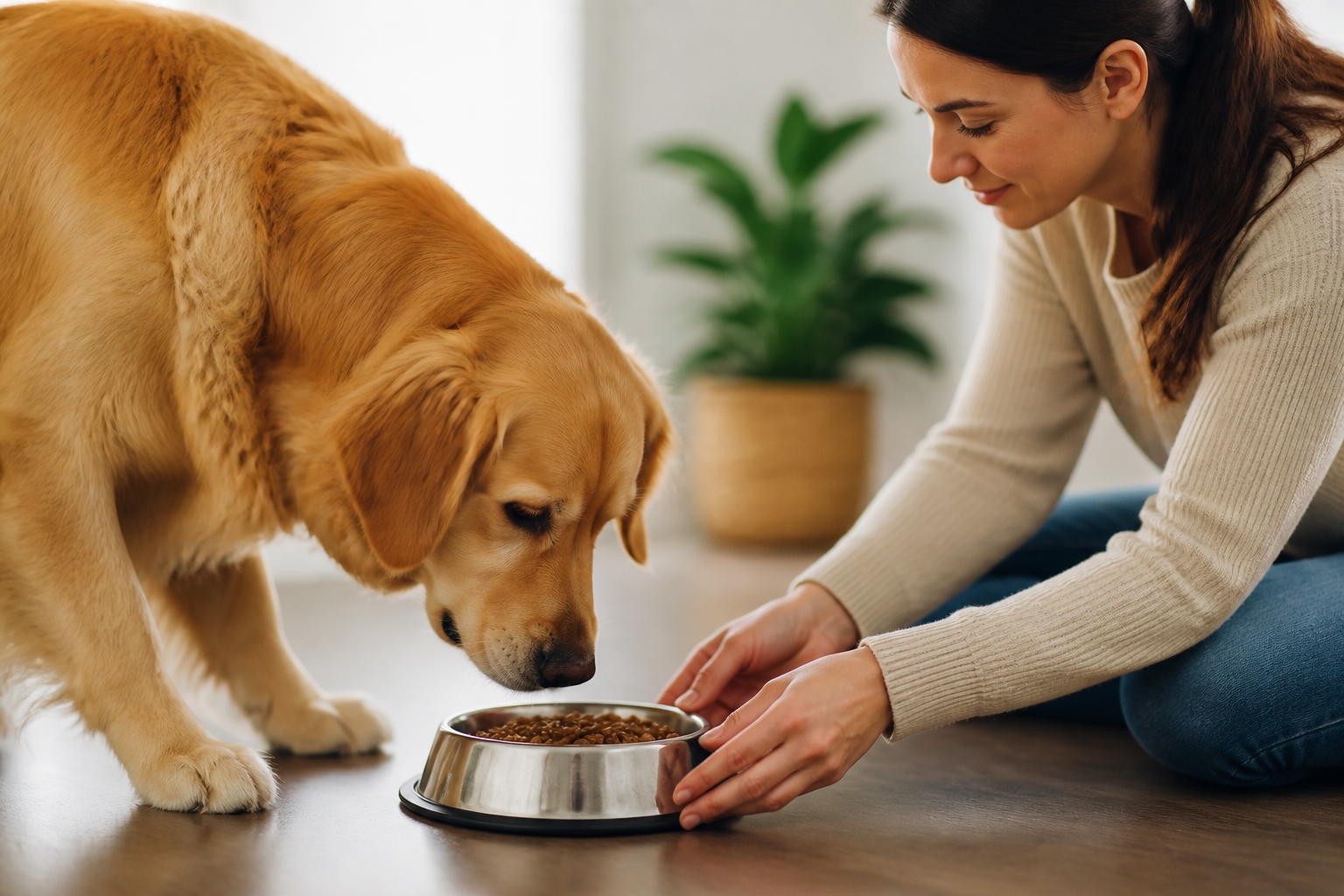
It is a common scene for many pet owners. You pour a fresh bowl of high-quality kibble, set it down with a smile, and your dog simply walks away. Maybe they give it a disinterested sniff before heading to the kitchen to beg for scraps. Watching your dog refuse to eat is stressful. You worry about their nutrition and wonder if they are feeling okay. At BaxterBoo, we talk to pet owners every day who are navigating this exact struggle. Whether your dog has suddenly turned their nose up at a long-time favorite or you are trying to transition a picky eater to a new brand, there are practical steps you can take. This guide covers how to identify the cause of their pickiness and sensory tricks to make dry food more appealing. With the right approach and a bit of patience, you can help your dog enjoy their meals again.
Ruling Out Medical Issues First
Before you assume your dog is just being stubborn, you must rule out underlying health problems. A sudden loss of appetite is often the first sign that something is wrong. Dogs may stop eating if they are in pain or feeling nauseous. If your dog was a great eater and suddenly stopped, a trip to the veterinarian is the most important first step.
Dental health is a major factor in kibble refusal. Dry dog food is hard and crunchy. If your dog has a cracked tooth, inflamed gums, or periodontal disease, biting down on kibble can be painful. They might want to eat but find the physical act of chewing too difficult. You may notice them dropping food or only eating from one side of their mouth.
Gastrointestinal issues can also make a dog wary of their bowl. If a specific food makes them feel bloated or gives them an upset stomach, they will eventually associate that food with discomfort. Chronic conditions like kidney disease or liver issues can also dull a dog’s appetite.
Vet Tip: If your dog refuses food for more than 24 hours or shows signs of lethargy, vomiting, or diarrhea, contact your veterinarian immediately. They can check for dental pain or internal issues that require medical treatment or a prescription diet.
Checking the Freshness of the Kibble
Sometimes the problem is not the dog or the brand, but the specific bag of food. Dry dog food contains fats and oils that can go rancid over time. Once a bag is opened, the clock starts ticking. Most kibble stays fresh for about two to three weeks if stored properly. If the bag has been sitting open for a month or more, it likely smells "off" to your dog. For more storage guidance, read our post on how long dry dog food stays fresh once opened.
Oxygen, heat, and moisture are the enemies of fresh dog food. If you store the food in a warm garage or a damp basement, it will spoil much faster. Always check the "Best By" date on the packaging before you buy.
To keep food fresh, keep the kibble in its original bag and place the entire bag inside an airtight container. The bags are designed to provide a barrier against oxygen. Also, remember to wash your dog's bowl daily. Leftover oils from the previous meal can turn rancid and make the next serving smell unappealing.
Freshness Checklist
- Check the expiration date on the bag.
- Smell the food for any sour or paint-like odors.
- Ensure the storage container is airtight.
- Wash the food bowl with soap and water after every meal.
- Buy smaller bags if you have a small dog to ensure the food is used quickly.
Using Warmth to Boost Aroma
A dog's sense of smell is significantly more powerful than their sense of taste. If they cannot smell their food, they are much less likely to be interested in eating it. Dry kibble straight from the bag does not have a very strong scent. You can change this by adding a little bit of heat.
Warmth releases the aromas of the fats and proteins in the food. You can add a splash of warm water to the bowl and let it sit for a few minutes. This creates a soft texture and a warm gravy that smells much more enticing.
Do not use boiling water, as it can destroy some of the heat-sensitive vitamins in the food. Aim for a temperature that is warm to the touch but not hot. Some owners use a microwave for a few seconds, but you must be careful to stir the food thoroughly to avoid hot spots that could burn your dog's mouth.
Quick Answer: To make dry food more appealing, add a small amount of warm water or low-sodium broth to the bowl. This softens the texture and releases enticing aromas that encourage picky dogs to eat.
The Power of Healthy Toppers and Mix-ins
If plain kibble is not doing the trick, adding a topper can provide the incentive your dog needs. Toppers add variety in texture and a concentrated burst of flavor. At BaxterBoo, we carry a wide range of dog food toppers and broths designed specifically for this purpose.
You do not need to add a lot to see results. A tablespoon of wet food or a sprinkle of freeze-dried raw pieces can be enough to get them started. Brands like Stella and Chewy’s or The Honest Kitchen offer meal mixers that are packed with protein and designed to be crumbled over dry food.
Natural options from your kitchen can also work. A small spoonful of plain, unsweetened yogurt or canned pumpkin (not pie filling) can add moisture and flavor. If you use broth, ensure it is specifically made for dogs or is a low-sodium version without onions or garlic.
Key Takeaway: Toppers like freeze-dried raw bits, bone broth, or a small amount of wet food can jumpstart a dog's appetite without completely replacing their dry diet.
Establishing a Strict Feeding Routine
Inconsistent feeding habits often lead to picky behavior. If you leave food out all day, known as free-feeding, the food becomes boring. It loses its smell and its value. To a dog, a bowl that is always there is not worth getting excited about.
Switch to a scheduled feeding routine. Put the bowl down for exactly 15 to 20 minutes. If your dog does not eat, pick the bowl up and do not offer food again until the next scheduled mealtime. This teaches your dog that food is a limited resource.
It may feel difficult to take the food away, but a healthy dog will not starve themselves. Most will realize by the second or third meal that they need to eat when the food is available. During this training period, it is vital to stop all treats and table scraps. If your dog knows they can get a piece of chicken or a biscuit later, they will hold out and refuse their kibble.
Steps for a Successful Feeding Routine
Step 1: Set a specific time for breakfast and dinner.
Step 2: Place the bowl in a quiet, low-traffic area.
Step 3: Leave the bowl down for 20 minutes.
Step 4: Remove any uneaten food until the next scheduled meal.
Step 5: Eliminate all treats and human food between meals.
The Impact of Exercise on Appetite
Sometimes a dog refuses to eat simply because they are not hungry. If a dog spends most of their day lounging on the couch, they are not burning many calories. Physical activity naturally stimulates the digestive system and increases the body's demand for fuel.
Try taking your dog for a brisk walk or having an active play session about 30 minutes before mealtime. This "work" mimics the natural hunting and foraging behavior of their ancestors. Once they have burned some energy, they are much more likely to settle down and focus on their food bowl.
Exercise also helps with mental stimulation. A bored dog may become picky as a way to get attention. By providing plenty of physical and mental outlets, you reduce their stress and help them regulate their appetite more effectively.
Switching to a Higher Quality Kibble
Not all dry dog foods are created equal. If your dog consistently refuses a specific brand, it might be because the ingredients are not particularly appetizing. Many lower-priced foods rely heavily on fillers like corn and wheat, which do not have the same nutritional pull as real meat.
Consider switching to a premium brand with meat as the first ingredient. Brands like Farmina, Orijen, or NutriSource use high-quality animal proteins and fats that naturally smell and taste better to dogs. Some dogs also have a preference for certain protein sources. If they are bored with chicken, they might find a beef, lamb, or fish-based recipe more interesting.
When you switch foods, do it slowly over seven to ten days. Mix a small amount of the new food with the old food, gradually increasing the ratio. This prevents stomach upset and gives your dog time to adjust to the new flavor.
Bottom line: Upgrading to a kibble with high meat content and fewer fillers can often solve pickiness by providing a more naturally flavorful meal.
When to Consider a Prescription Diet
If your dog's pickiness is linked to a chronic health condition like kidney disease, urinary issues, or severe allergies, they may need a specialized diet. These foods are formulated with specific nutrient levels to manage illness. Because these diets are sometimes less palatable than standard food, getting a dog to eat them can be a challenge.
Our pharmacy at BaxterBoo offers a variety of prescription pet foods through our partnership with Pet's Choice. These include brands like Farmina Vet Life and Royal Canin. If your vet has prescribed a specific diet, you can easily fulfill that need through us.
Prescription foods often come in both wet and dry versions. If your dog is struggling with a dry prescription kibble, ask your vet if you can mix in the canned version of the same formula. This keeps the nutritional balance intact while making the meal much more enticing.
Using Food Puzzles and Toys
For some dogs, the problem is not the food, but the delivery. Eating out of a plain silver bowl can be boring for a high-energy or highly intelligent dog. They may prefer to "hunt" for their food.
Food puzzles and enrichment toys, like those made by Kong, can turn mealtime into a game. You can stuff the kibble inside a toy or use a slow-feeder mat. This engages their brain and makes the act of eating more rewarding. Explore our interactive dog toys for enrichment options.
For many dogs, the challenge of getting the food out of the toy makes the food itself seem more valuable. This is especially helpful for puppies who are easily distracted or for dogs who tend to ignore their bowl in favor of looking for something more exciting to do.
Managing Senior Dog Needs
As dogs age, their senses often dull. A senior dog may not be able to smell their kibble as well as they once did, or they may be dealing with the early stages of cognitive decline. Senior dogs are also more prone to joint pain, which can make standing over a bowl on the floor uncomfortable.
Try using an elevated feeder to bring the food closer to their mouth. This reduces the strain on their neck and front joints. You can also look for senior-specific kibble that is designed to be easier to chew and more aromatic.
If your senior dog has lost interest in food, it is a good idea to discuss supplements with your vet. We carry several options for joint and cognitive support, such as Cosequin or Senilife, in our dog healthcare category, which can help your dog feel better and more interested in their daily routine.
Vet Tip: For older dogs, weight loss can be dangerous. If a senior pet stops eating, it is vital to have their blood work checked by a veterinarian to rule out age-related organ issues.
The Role of Consistency and Patience
The most important thing to remember when dealing with a picky eater is consistency. It is very easy to fall into the trap of "presents" at the dinner table. If you start adding steak, cheese, and chicken every time they refuse their bowl, you are effectively training them to wait for the better stuff.
Stay calm and stick to the plan. If they don't eat, they don't eat. As long as they are healthy and at a good weight, missing a meal or two will not hurt them. Your goal is to build a long-term habit where they understand that the food in the bowl is their primary source of nutrition.
Our MVP Rewards program is a great way to stay stocked up on the foods and toppers you need while earning points back on every purchase. If you find a brand or topper that works, you can set it up on Autoship so you never run out, ensuring your dog's routine remains steady.
Bottom line: Your dog's eating habits are a reflection of the environment and routine you provide; staying firm with a schedule is the best way to end pickiness.
FAQ
Why did my dog suddenly stop eating dry food?
A sudden refusal to eat kibble can be caused by several factors, including dental pain, an upset stomach, or the food going stale. It can also happen if the dog has recently received too many treats or table scraps, leading them to hold out for better options. If the change is sudden and accompanied by other symptoms like lethargy, a vet visit is necessary to rule out illness.
Can I add human food to my dog's kibble to make them eat?
While some human foods like plain pumpkin, unsweetened yogurt, or boiled carrots are safe and can entice a dog to eat, you should avoid seasoned or fatty scraps. Adding too much "people food" can lead to obesity and may actually worsen picky behavior. If you use toppers, ensure they are dog-safe and do not exceed ten percent of your dog's daily calorie intake.
Is it okay to leave dry food out all day?
Free-feeding is generally discouraged for picky eaters because it makes the food seem less valuable. When food is always available, the dog never experiences the natural peak of hunger that encourages them to eat a full meal. Switching to scheduled mealtimes and removing the bowl after twenty minutes is a much more effective way to manage a dog's appetite.
How can I tell if my dog's food is stale?
Fresh kibble should have a mild, nutty, or meaty scent. If the food smells sour, metallic, or like old paint, the fats have likely gone rancid. You should also check for a change in texture; stale kibble may feel slightly soft or greasy to the touch. To maintain freshness, always store the food in its original bag inside an airtight container in a cool, dry place.






