
 Save 15% on your 1st Autoship learn more

 Email us
 Live Chat
 FAQs
FAQs





Introduction
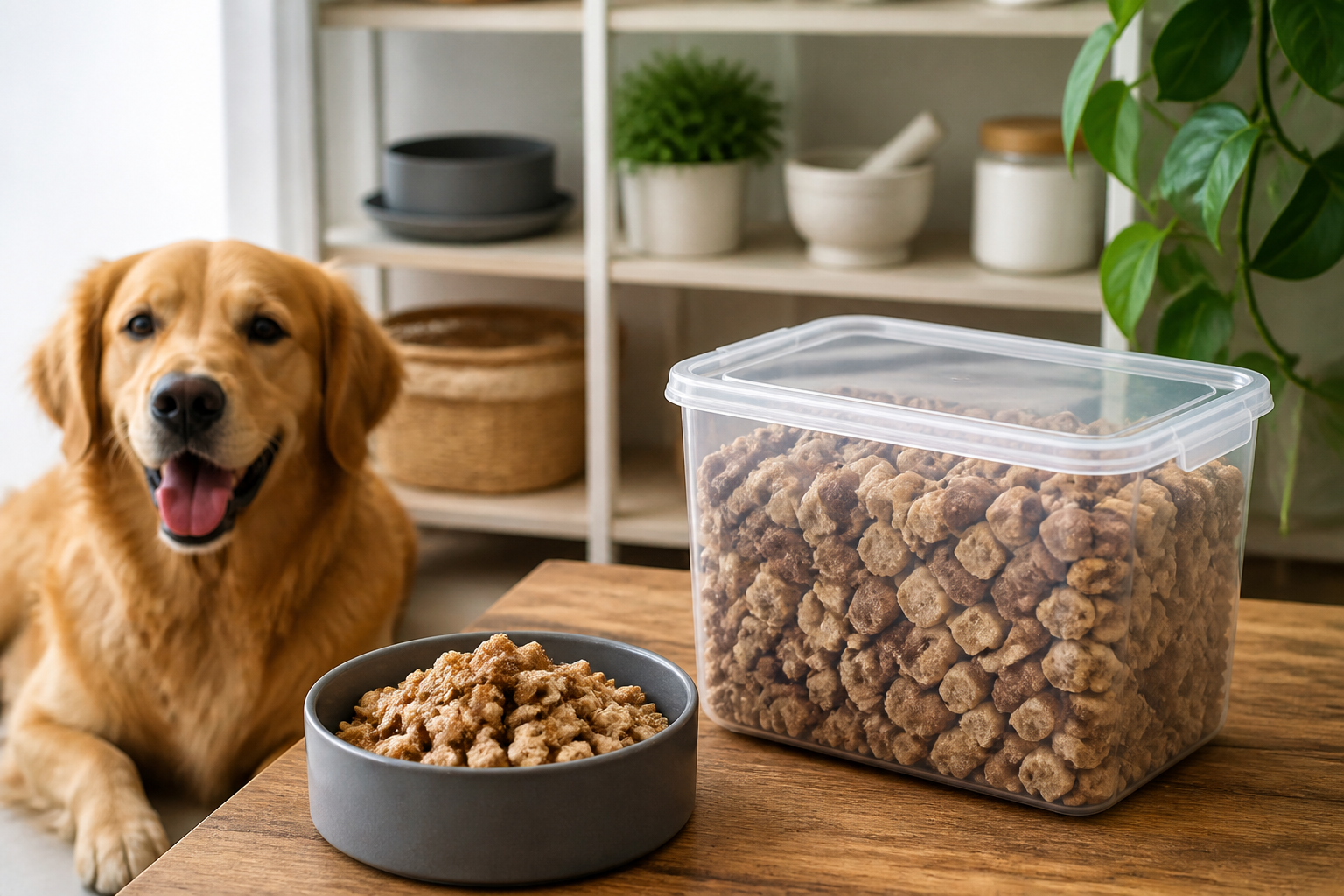
You just brought home a new bag of premium freeze dried raw food for your dog. You know these nuggets are packed with high quality protein and essential nutrients. They offer the benefits of a raw diet with the convenience of a shelf stable product. However, improper storage can quickly ruin your investment. At BaxterBoo, we want to help you make the most of every meal you serve. This means understanding how heat, light, and moisture affect the integrity of freeze dried food. Proper storage keeps the food safe and ensures the vitamins and minerals stay intact. This guide will walk you through the best practices for keeping your dog's food fresh from the first scoop to the last.
Understanding Freeze Dried Raw Food
Freeze drying is a unique process that removes almost all moisture from raw ingredients. It involves freezing the food and then using a vacuum to turn ice directly into vapor. This process preserves the cellular structure of the meat and vegetables. It keeps the enzymes and nutrients alive without needing heavy preservatives. Because the moisture is gone, bacteria cannot grow easily. This makes the food shelf stable for a long time if it remains dry.
The texture of these foods is usually light and porous. This makes them very good at absorbing liquids. While this is great for rehydrating the food at mealtime, it is a risk during storage. If the food sits in a humid room, it will pull moisture from the air. This can lead to mold or bacterial growth. Understanding this "thirst" for moisture is the first step in proper storage. For more information about available formulas, explore our freeze dried pet food hub.
The Three Enemies of Food Storage
To keep freeze dried raw dog food fresh, you must fight three main enemies. These are air, light, and moisture. Each one breaks down the food in a different way.
Air and Oxidation
When oxygen hits the fats in dog food, they begin to oxidize. This process makes the fats go rancid. Rancid fats do not just taste bad. They can also cause digestive upset and lose their nutritional value. Freeze dried food often has a high fat content because it uses real meat. Keeping the air out is vital for preserving those healthy omega fatty acids.
Light and Nutrient Loss
Many vitamins are sensitive to light. Riboflavin and certain fat soluble vitamins can break down when exposed to UV rays. If you store food in a clear container on a sunny counter, the quality drops. The food might look the same, but it is no longer providing the full spectrum of nutrition your dog needs.
Moisture and Spoilage
Moisture is the most dangerous enemy. Freeze dried food is processed to have a moisture content of around three to five percent. If that level rises, the environment becomes friendly for microbes. Salmonella and Listeria are concerns with any raw product. Keeping the food bone dry keeps these risks at bay.
Key Takeaway: The goal of storage is to create a barrier against air, light, and moisture to prevent oxidation and bacterial growth.
The Importance of Original Packaging
Many owners are tempted to pour the food into a large plastic bin. We usually recommend keeping the food in its original bag. Most high quality brands like Stella and Chewy's or Open Farm use specialized packaging. These bags are often lined with foil or other barriers specifically designed to block out oxygen and light.
If you pour the food into a bin, you lose that extra layer of protection. You also lose important information. The bag contains the lot number, the expiration date, and the calorie count. If there is ever a product recall, you will need that lot number.
If the original bag has a high quality zipper seal, use it. Squeeze as much air out as possible before zipping it shut. If the zipper is flimsy, you can fold the top down tightly and use a heavy duty bag clip.
Quick Answer: The best way to store freeze dried raw dog food is in its original bag, tightly sealed, and placed inside a secondary airtight container. This provides a double barrier against moisture and air while keeping important label information handy.
Choosing the Best Storage Containers
If you prefer using a container for organization, there are specific types that work best. Not all plastic bins are created equal. Some plastics are porous and can leach smells or chemicals into the food over time.
- Glass Containers: Large glass jars with airtight gaskets are excellent. Glass is non-porous and easy to sanitize. However, since glass is clear, you must keep it inside a dark pantry to block light.
- Stainless Steel: This is a professional grade option. It blocks all light and does not absorb odors. Look for bins with a locking lid and a silicone seal.
- BPA-Free Plastic: If you use plastic, ensure it is food grade and BPA-free. Look for "airtight" models that have a rubber seal around the lid.
When using a container, it is still best to put the entire bag inside. This prevents the oils from the food from coating the walls of the container. If you do pour the food directly into a bin, you must wash the bin thoroughly with hot, soapy water every time it is empty. Old oils can sit in the corners and go rancid, contaminating the new bag of food.
Temperature and Environment Matters
Where you put the food is just as important as what you put it in. Many people store dog food in the garage or a laundry room. These are often the worst places for food quality.
Garages experience extreme temperature swings. Heat speeds up the oxidation of fats. A bag of food stored in a hot garage will go rancid much faster than one in a climate controlled house. High heat can also cause "sweating" inside the bag if there is any residual moisture.
Laundry rooms and areas near the dishwasher are often very humid. Since freeze dried food is a magnet for moisture, this can lead to softened nuggets or mold. The ideal spot is a cool, dark pantry or a kitchen cabinet that is not next to the oven or the refrigerator's exhaust vent. You can also review how to keep dog food dry outside for additional storage considerations.
Handling Rehydrated Food Safely
One of the best things about freeze dried raw food is how it transforms when you add water. However, the moment you add moisture, the storage rules change completely. Once water is added, the food is no longer shelf stable. It is now fresh, raw meat.
If your dog does not finish their rehydrated meal, you cannot leave it out. Bacteria can begin to grow at room temperature within a short window. Most experts recommend picking up any uneaten rehydrated food after 30 minutes.
If you want to prep meals in advance, you can store rehydrated food in the refrigerator. Use a sealed container to prevent the food from drying out or smelling up the fridge. Generally, rehydrated raw food should be used within 24 to 48 hours. If you have not used it by then, it is safer to toss it. For more serving guidance, read our freeze-dried dog food feeding guide.
Vet Tip: If your dog frequently leaves food behind or has a sudden change in appetite, consult your veterinarian. Persistent pickiness can sometimes signal an underlying health issue. Our pharmacy for dogs offers a variety of prescription diets and health supports through our partnership with Pet's Choice if your dog has specific medical needs.
Signs That the Food Has Gone Bad
Even with the best storage, it is important to check the food before every feeding. You should know the signs of spoilage. Use your senses to evaluate each new bowl.
- The Smell Test: Freeze dried raw food usually has a mild, meaty scent. If the bag smells sour, musty, or like old paint, the fats have likely gone rancid.
- Texture Changes: The nuggets should feel dry and slightly brittle. If they feel soft, spongy, or damp, moisture has entered the bag. This food should be discarded.
- Visible Mold: This is an obvious sign to stop use immediately. Mold can be white, fuzzy, or dark spots on the food.
- Color Fading: Significant changes in color can indicate that the food has been exposed to too much light or heat, leading to nutrient breakdown.
If your dog suddenly refuses a food they normally love, take a close look at the bag. Dogs have a much stronger sense of smell than we do. They might detect rancid fats before we can.
Hygiene and Handling Tips
Because freeze dried food is technically raw meat, you should handle it with care. The freeze drying process reduces risk, but it does not eliminate it entirely. Proper hygiene keeps everyone in your household safe.
Step 1: Wash your hands. Use warm water and soap before and after handling the food. Step 2: Use a dedicated scoop. Do not use a coffee mug or a human kitchen tool. A stainless steel or BPA-free plastic scoop is easy to clean. Step 3: Clean the bowls daily. Do not simply "top off" the bowl. Wash the dog's bowl with hot, soapy water after every meal to prevent bacterial buildup. Step 4: Keep the storage area clean. Wipe down the pantry shelf or the outside of the storage bin regularly to remove dust and crumbs.
Storage for Travel and Outdoor Adventures
Freeze dried food is a favorite for hikers and travelers because it is so light. When you are on the road, storage becomes a bit more challenging. You might be dealing with a hot car or a damp tent.
For short trips, use small, airtight bags. Silicone reusable bags are excellent for travel. They provide a strong seal and are very durable. If you are hiking, keep the food in the center of your pack to insulate it from the heat of the sun. Avoid leaving the food in a parked car on a summer day. The internal temperature of a vehicle can rise to dangerous levels in minutes, which will quickly degrade the quality of the meal.
If you are camping in an area with wildlife, remember that freeze dried food has a scent that animals can find. Use a bear canister or a scent proof bag if necessary. Even though it is "dry," it is still meat.
Managing Large Quantities and Bulk Buying
Buying in bulk is a great way to save money. We see many customers use the Frequent Buyer Program or Autoship to keep costs down. However, buying too much at once can lead to storage issues.
Check the expiration dates on the bags. Freeze dried food usually has a long shelf life, but it is not infinite. It is best to use a bag within 30 to 60 days of opening. If you have a small dog and a very large bag, the food might be exposed to air too many times before it is finished. In this case, smaller bags might be a better choice for freshness.
If you do buy a large bag, you can transfer some of it into a smaller "daily use" container. This allows you to keep the main bulk of the food sealed and away from the air. You only open the large bag once a week to refill your smaller container. This reduces the total oxygen exposure for the majority of the food.
Bottom line: Minimize the number of times you open the main bag to keep the bulk of the food as fresh as possible.
When to Consult a Professional
While storage is about food quality, your dog's diet is about their overall health. If you are unsure if a raw diet is right for your pet, talking to a vet is the best move. They can help you determine if your dog's specific nutritional needs are being met.
If your dog has a history of pancreatitis or a compromised immune system, your vet might have specific instructions for food handling. At our pharmacy, we help owners manage chronic conditions through specialized foods and medications. If you find that your dog is not thriving on a standard diet, we can work with your vet to provide prescription options through Pet's Choice.
Next Steps for Your Dog's Diet
Properly storing your dog's food ensures they get the most out of every bite. It protects your budget and your dog's health. By keeping the food in its original bag and stored in a cool, dry place, you prevent the most common causes of spoilage.
- Check your pantry today to ensure the storage spot is away from heat and humidity.
- Ensure your storage bins have an airtight seal.
- Clean your dog's food bowls and scoops regularly.
To keep your supply consistent and fresh, consider our Autoship program. This allows you to receive smaller, fresher bags on a regular schedule so you never have to worry about food sitting in the pantry too long. You can also earn rewards on your purchases through our MVP Rewards program. For those looking for the best brands like Stella and Chewy's or Vital Essentials, our dog food category has a wide selection ready to ship.
FAQ
Can I store freeze dried dog food in the freezer? You can store unopened bags in the freezer to extend their shelf life, but it is usually not necessary. If you store an opened bag in the freezer, you must be very careful about moisture. Every time you take the bag out, condensation can form inside, which might cause the food to become soggy or spoil faster.
How long does freeze dried dog food last once opened? Most manufacturers recommend using the food within 30 to 60 days of opening for peak freshness. While it may technically be safe for longer if kept perfectly dry, the fats will begin to oxidize and the flavor will diminish. Always check for a "best by" date on the packaging as a primary guide.
Do I need to refrigerate freeze dried dog food? You do not need to refrigerate the food while it is in its dry, shelf stable state. Refrigerators are high humidity environments, which can actually be bad for freeze dried products. Only put the food in the refrigerator after you have added water or broth to rehydrate it.
Is it okay to mix old food with new food in the same storage bin? We do not recommend mixing different batches of food in the same container. The crumbs and oils from the older batch can go rancid and spoil the new food faster. Always finish one bag and wash the container thoroughly before adding a fresh bag of food.






