
 Save 15% on your 1st Autoship learn more

 Email us
 Live Chat
 FAQs
FAQs





Introduction
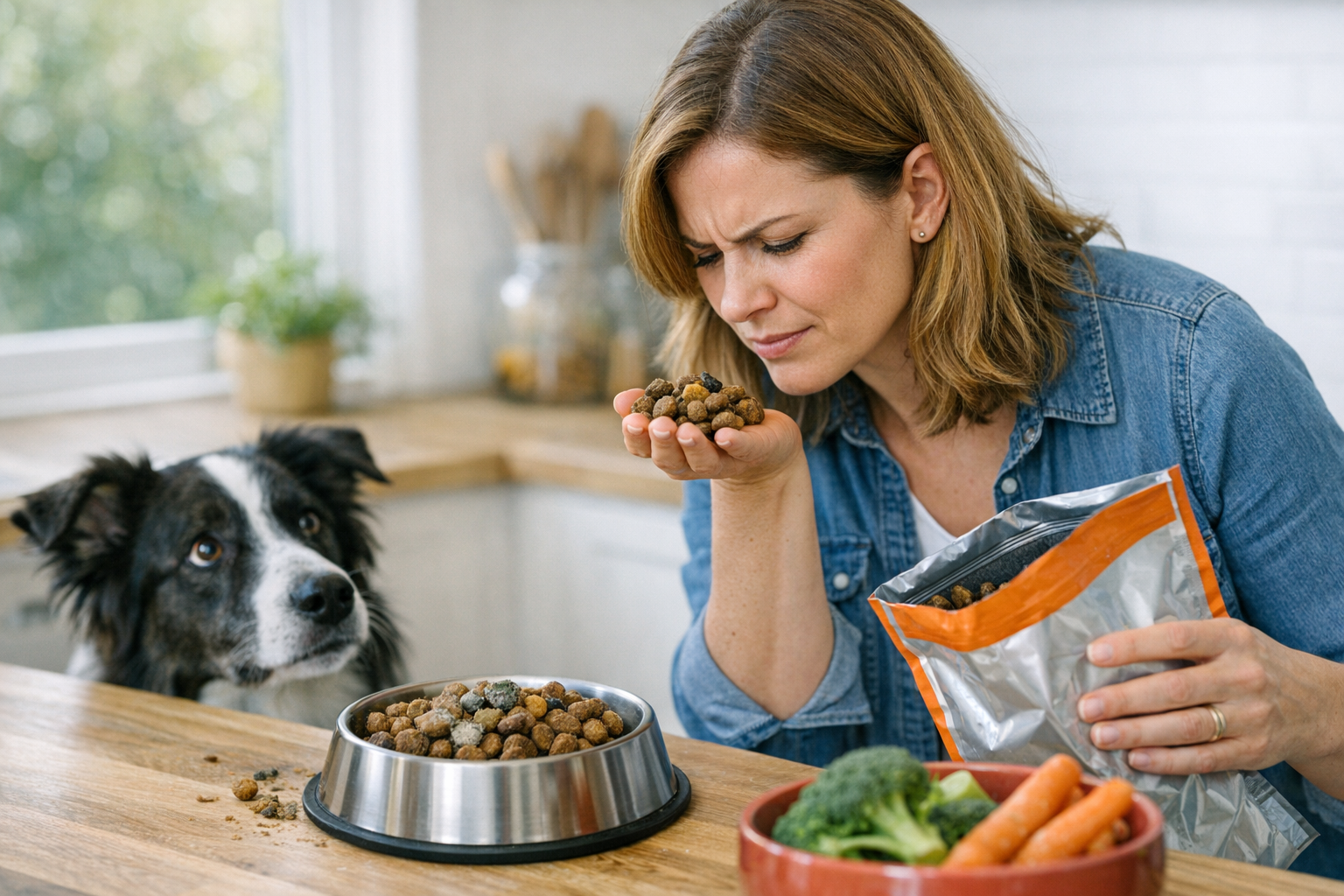
You are standing over the food bowl and notice your dog is sniffing the kibble longer than usual. They might take a single bite and walk away or look up at you with a confused expression. This moment of hesitation often signals that something is wrong with the meal. At BaxterBoo, we know that keeping your pet healthy starts with the quality of the food in their bowl. While dry dog food is designed to be shelf stable, it does not stay fresh forever. Factors like heat, moisture, and air can turn a premium bag of kibble into a health hazard. This article covers how to spot the physical signs of spoiled food and why your dog's behavior is your best diagnostic tool. Understanding these signs helps you protect your dog from digestive upset and nutritional deficiencies.
Quick Answer: You can tell dry dog food is bad if it has a sour or metallic odor, visible mold, or an oily texture. If your dog suddenly refuses to eat or shows signs of lethargy and vomiting after a meal, the food is likely spoiled.
The Role of Oxidation and Rancidity
Dry dog food contains fats and oils that provide essential energy and support skin health. These fats are often sprayed onto the outside of the kibble during the manufacturing process. When these fats are exposed to oxygen, a chemical process called lipid oxidation begins. This process breaks down the fat molecules and leads to rancidity.
Rancidity is the most common way that dry dog food goes bad. It does not always happen because the food is old. It can happen to a brand new bag if the seal was compromised or if the food was stored in a hot environment. Foods with high levels of unsaturated fats, such as those containing fish oils, are more prone to this type of damage.
When fats turn rancid, they lose their nutritional value. Even worse, they can produce harmful compounds that interfere with your dog's gut bacteria. This can lead to chronic digestive issues if the spoiled food is fed over a long period.
Key Takeaway: Oxidation is the primary cause of spoilage in dry dog food. It happens when air and heat break down the fats sprayed on the kibble.
Using Your Senses to Detect Spoilage
Your dog has a much better sense of smell than you do. However, you can still catch major signs of spoilage if you know what to look for. Before you fill the bowl, take a moment to inspect the food.
The Smell Test
Fresh kibble usually has a mild, grainy, or meaty scent. When the fats in the food turn rancid, the smell changes significantly. You might notice a sour or "off" odor. Some owners describe the smell of spoiled kibble as being similar to old paint, chemicals, or wet cardboard. If the bag smells like a dusty attic or has a sharp, stinging scent, it is time to throw it out.
Visual Changes and Mold
Mold is a clear indicator of spoilage. It typically grows when moisture gets inside the bag. Look for fuzzy spots that are white, green, or black. You should also look for "clumping." If the kibble is sticking together in large chunks, moisture has definitely entered the container.
Keep in mind that mold can sometimes be hidden at the bottom of the bag. If you find any mold at all, the entire bag must be discarded. Mold spores can spread through the bag even if you do not see them on every piece of kibble.
Texture and Consistency
Fresh dry food should be crunchy and firm. If the kibble feels soft, damp, or crumbles easily between your fingers, it has likely absorbed too much humidity. This change in texture often precedes mold growth. You might also notice an excessively oily film on your hands after handling the food. While some high quality brands like our selection of Stella & Chewy's products or our selection of Orijen products are naturally richer, a change in the usual oiliness of your specific brand is a red flag.
Why Your Dog Refuses to Eat
Your dog’s nose is their most powerful tool for survival. If they refuse to eat a food they usually love, do not assume they are just being picky. They may be detecting the early stages of rancidity or mold that you cannot smell yet.
If your dog sniffs the bowl and walks away, try offering a small piece of a different treat or a different bag of food. If they eat the replacement but ignore the kibble, the kibble is likely the problem. Never force or coax a dog to eat food they are actively avoiding. Their instincts are often protecting them from toxins or bacteria.
Vet Tip: If your dog stops eating suddenly, it could be a sign of spoiled food or an underlying health issue. Consult your veterinarian if the refusal lasts more than 24 hours or is accompanied by vomiting.
The Dangers of Feeding Spoiled Food
Feeding bad food is more than just a matter of poor taste. It can lead to immediate and long term health problems. The most common reaction is acute gastrointestinal distress. This usually presents as:
- Vomiting shortly after eating
- Diarrhea or loose stools
- Excessive gas and bloating
- Abdominal pain or guarding of the stomach
Beyond digestive upset, spoiled food can cause more serious issues. Moldy food can contain mycotoxins, which are poisonous substances produced by certain types of fungi. Ingesting mycotoxins can lead to tremors, seizures, and liver damage.
Furthermore, if the food has lost its nutritional integrity due to oxidation, your dog may develop vitamin deficiencies. Over time, this can lead to a dull coat, low energy levels, and a weakened immune system. Our pet pharmacy offers a range of prescription diets through our partnership with Pet's Choice if your vet recommends a specific therapeutic food for recovery.
Inspecting for Pests and Infestations
Pests are attracted to the fats and proteins in dog food. If the bag is not sealed correctly, insects or rodents can find their way inside.
Common Food Pests
- Pantry Moths: Look for small webs or cocoons inside the bag or around the rim. You might also see small, maggot-like larvae.
- Grain Beetles: These are tiny, dark insects that crawl through the kibble.
- Storage Mites: These are nearly invisible to the naked eye. However, if you see a fine, tan colored "dust" at the bottom of the bag that seems to move, it could be a mite infestation.
- Rodent Evidence: Check the outside of the bag for chew marks. Inside, look for droppings or a distinct urine smell.
If you find any signs of pests, the food is contaminated and unsafe. Pests can carry bacteria and parasites that are harmful to both pets and humans.
Bottom line: Any sign of insects or rodents means the food is contaminated and must be thrown away immediately.
Proper Storage to Prevent Spoilage
How you store your dog’s food is just as important as the quality of the food itself. Most owners make the mistake of pouring the kibble directly into a plastic bin. While this looks neat, it can actually accelerate spoilage.
Keep it in the Original Bag
The bags used by premium brands are highly engineered. They are designed to keep out moisture and prevent fats from seeping through. Many bags also have specialized linings that help prevent oxidation. We recommend keeping the kibble in its original bag. Fold the top down tightly and use a heavy duty bag clip to seal it.
Use a Secondary Container
If you want to use a storage bin for organization or to keep out pests, place the entire bag inside the bin. This gives you two layers of protection. It also keeps the plastic of the bin from absorbing oils that can go rancid and contaminate the next batch of food. For more options, our dog food storage solutions can help keep kibble fresher between meals.
Environmental Controls
Store the food in a cool, dry place. The temperature should ideally stay below 80 degrees Fahrenheit. Avoid storing food in the garage, near a water heater, or under the kitchen sink. Heat and humidity are the biggest enemies of shelf stability.
Cleaning Your Containers
If you do pour food directly into a container, you must wash it between every single bag. Use hot, soapy water and dry it completely before adding new food. Leftover oils from the previous bag will quickly turn rancid and spoil the fresh food you just bought.
Understanding Expiration Dates
Pet food manufacturers usually print a "best by" or "use by" date on the packaging. This date is an estimate of how long the unopened food will remain nutritionally complete and fresh.
The Difference Between Unopened and Opened
An unopened bag of dry food can last 12 to 18 months from the date it was made. However, once you break the seal, the clock starts ticking much faster. Most experts recommend using a bag of kibble within six to eight weeks of opening. Even if the "best by" date is a year away, the food will not stay fresh for a year once it is exposed to air.
Why the Date Matters
As food sits past its expiration date, vitamins like A and E begin to break down. These vitamins are essential for vision and immune function. Feeding expired food means your dog might be getting the calories they need but missing the vital micronutrients required for long term health.
Shopping Habits for Freshness
It is tempting to buy the largest bag available to save money. However, if you have a small dog, that 40 pound bag might sit open for three months. By the time you reach the bottom, the food will likely be stale or rancid. At BaxterBoo, we suggest buying a size that your dog can finish within six weeks. If you need more guidance on portions, our dry dog food category is a helpful place to compare bag sizes and formulas.
When to Contact Your Veterinarian
If you suspect your dog has eaten spoiled food, monitor them closely. A single episode of mild diarrhea might resolve on its own once the food is replaced. However, certain symptoms require immediate professional help.
Watch for:
- Persistent vomiting that prevents the dog from holding down water.
- Blood in the stool or very dark, tarry stools.
- Severe lethargy or a refusal to move.
- Visible tremors or loss of coordination.
Your vet may need to perform blood work to check for toxins or prescribe medications to settle the stomach. If your pet has a sensitive stomach, you might need a prescription diet to help them recover. Our pet pharmacy can help you find the right prescribed support once you have a vet's authorization.
Key Takeaway: Early intervention is vital if your dog shows signs of poisoning or severe dehydration from spoiled food.
A Step-by-Step Inspection Routine
To ensure your dog always gets a fresh meal, follow this simple routine every time you open a new bag and once a week thereafter.
- Step 1: Check the "Best By" date. / Ensure the food is within its recommended shelf life before opening the bag.
- Step 2: Inspect the seal. / Look for any punctures or tears in the packaging that might have let air or pests inside.
- Step 3: Perform a smell test. / Stick your nose in the bag and check for sour, metallic, or chemical odors.
- Step 4: Look for visual changes. / Examine the top layer of kibble for mold, clumping, or unusual oiliness.
- Step 5: Monitor the bowl. / Pay attention to how your dog reacts to the first few meals from a new bag.
For ongoing feeding guidance, our how much dry food to feed a dog guide is a useful next read if you are trying to keep portions and freshness in balance.
Summary of Storage Best Practices
| Storage Factor | Best Practice | What to Avoid |
|---|---|---|
| Container | Original bag with a clip | Pouring directly into plastic bins |
| Location | Cool, dark pantry | Garages or laundry rooms |
| Duration | Use within 6-8 weeks | Keeping open for 3+ months |
| Cleaning | Wash bins between bags | Adding new food on top of old dust |
Buying for Quality and Freshness
Choosing the right food involves more than just checking the ingredients. It also means buying from a retailer that manages inventory carefully. At BaxterBoo, we pride ourselves on being a specialty hybrid retailer. We operate a real warehouse in Vernon Hills, Illinois, where we handpick every product. Since we have been in business since 2006, we understand how to manage our stock so that the food reaching your door is as fresh as possible.
We carry over 500 trusted brands, including our selection of NutriSource products, our selection of Acana products, and our selection of Farmina products. These brands use high quality preservatives like mixed tocopherols (Vitamin E) rather than harsh chemicals. While natural preservatives are healthier for your dog, they do require more careful storage.
To make sure you never run out of fresh food, consider our Autoship programme. This allows you to receive smaller, more frequent deliveries. It ensures the food is always within that optimal six week freshness window. Plus, you can pair it with the MVP Rewards programme to earn points on eligible purchases.
Key Takeaway: Freshness is a combination of how the retailer handles the food and how you store it at home.
Conclusion
Knowing how to tell if dry dog food is bad is a fundamental skill for every pet owner. By using your senses and watching your dog's behavior, you can catch spoilage before it causes a health crisis. Remember that the original packaging is your best defense against oxidation. Keep your food in a cool, dry place and try to use it within six to eight weeks of opening. If you ever doubt the freshness of a bag, the safest choice is to throw it away. Your dog's health and happiness are worth the extra caution. For the best selection of fresh, high quality kibble, explore our dry dog food category. You can also sign up for our MVP Rewards programme to earn points on every purchase of your favorite brands.
FAQ
Can I still feed my dog food that is just one month past its expiration date?
It is generally not recommended to feed your dog expired food. While it might not be immediately toxic, the nutritional value begins to decline, and the risk of rancid fats increases. If the food smells off or your dog hesitates to eat it, you should discard it immediately.
Why does my dog's food smell like old paint?
A smell similar to paint or varnish is a classic sign of rancidity. This happens when the fats and oils in the kibble are exposed to oxygen and heat. If you notice this chemical scent, the food has oxidized and is no longer safe or healthy for your dog to eat.
Is it safe to just scoop out the moldy parts of the dog food?
No, it is never safe to scoop out visible mold and feed the rest of the bag. Mold produces microscopic spores that can spread throughout the entire container before you can see them. These spores can produce harmful mycotoxins that cause serious illness or liver damage.
Does keeping dog food in a garage make it go bad faster?
Yes, storing dog food in a garage is one of the fastest ways to spoil it. Garages are subject to extreme temperature swings and high humidity, both of which accelerate the oxidation of fats and the growth of mold. It is best to store kibble in a climate controlled area like a kitchen pantry.






