Save 15% on your 1st Autoship learn more

 Email us
 Live Chat
 FAQs
FAQs





Introduction
It is a rainy Tuesday afternoon and your high-energy dog is pacing by the door with a ball in their mouth. You cannot get outside for a long walk, and the usual game of indoor fetch is not quite cutting it. At BaxterBoo, we know that mental exercise is just as important as physical activity for a happy pup. A snuffle mat is one of the simplest tools to keep a dog’s brain busy by encouraging their natural foraging instincts. This post covers exactly how to introduce this puzzle toy, which treats work best, and how to keep the mat clean. Using a snuffle mat correctly turns a standard meal into a rewarding game that tires out a dog more than a trek around the block.
What is a Snuffle Mat?
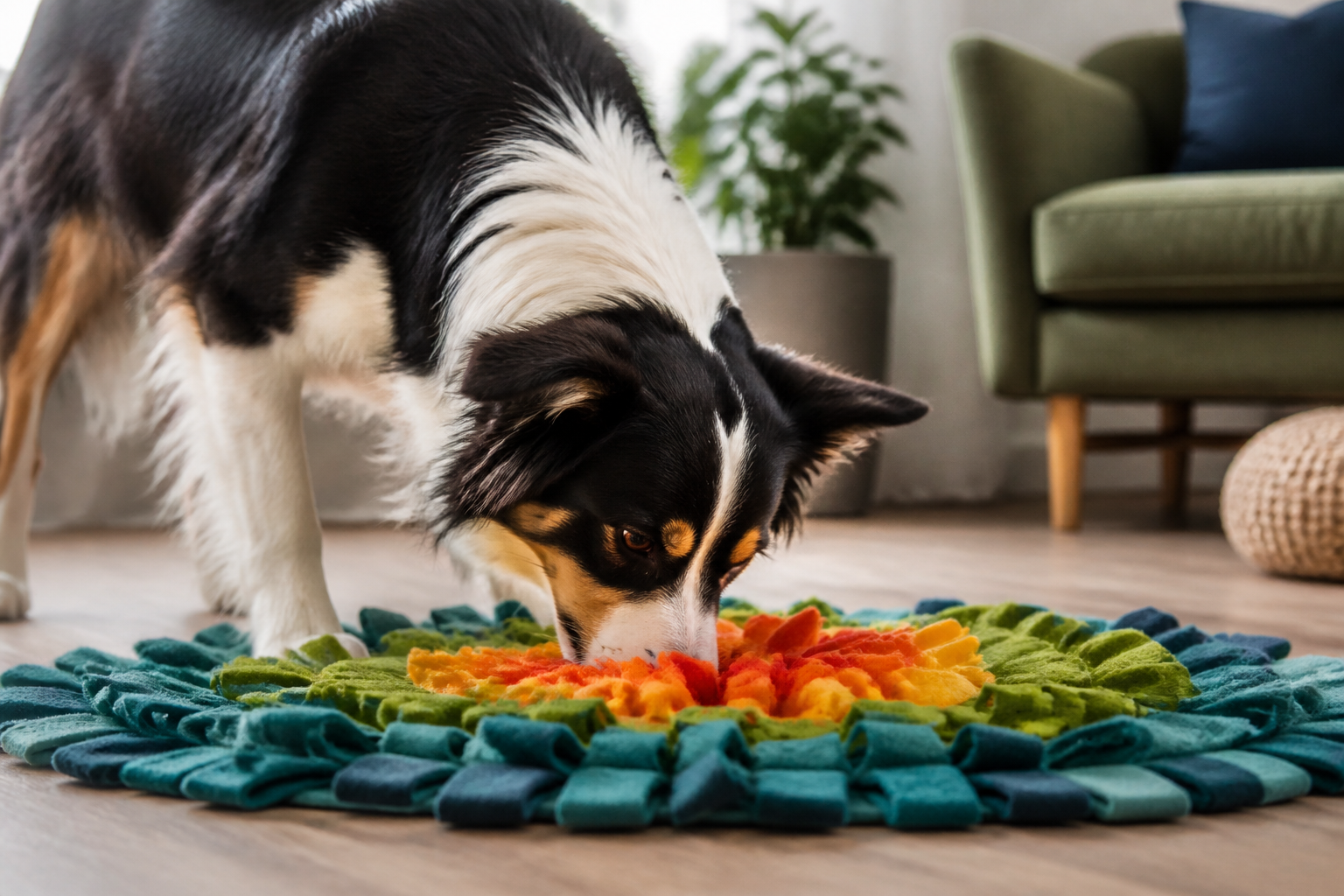
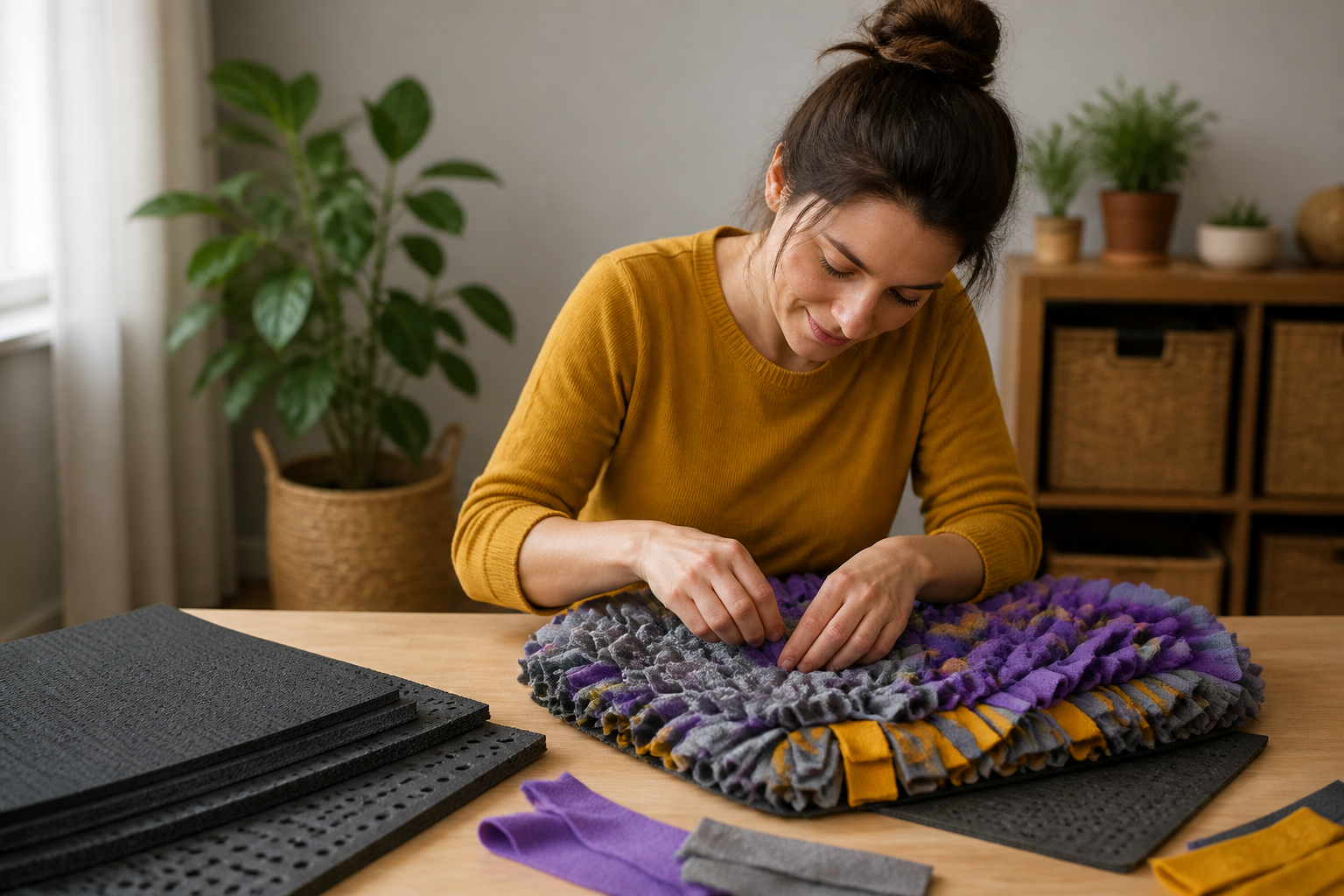
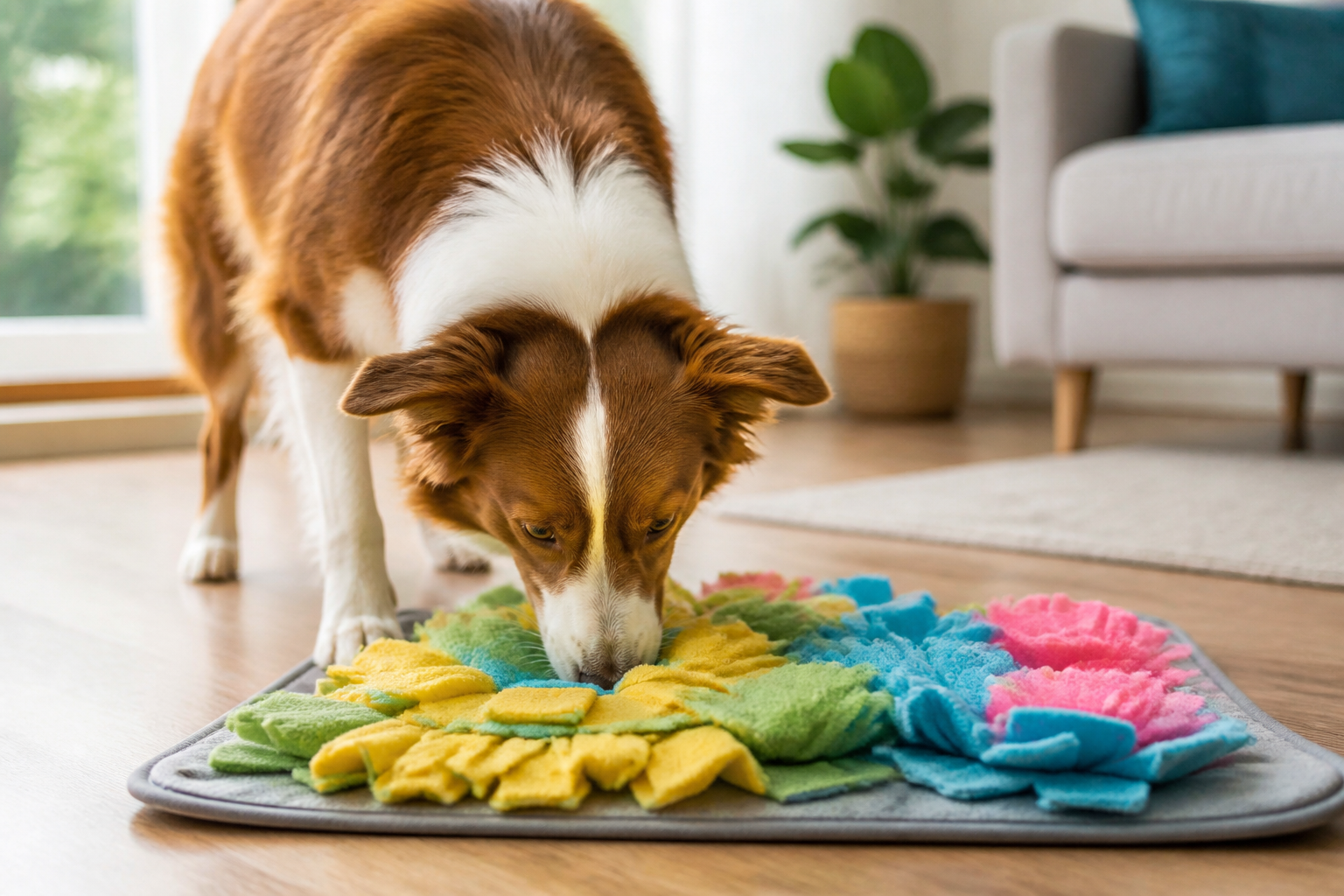
A snuffle mat is a fabric-based enrichment toy designed to mimic the tall grass or forest floor. It usually consists of a sturdy rubber or plastic base with hundreds of fleece strips tied through the holes. These strips create deep folds, pockets, and layers where you can hide dry food or treats.
Dogs experience the world primarily through their noses. While humans rely on sight, a dog's sense of smell is their most powerful tool for processing information. When a dog "snuffles," they are using their brain to solve a scent-based puzzle. This activity triggers the release of dopamine, which helps them feel calm and satisfied. It is a productive way to redirect energy that might otherwise go toward chewing on your shoes or barking at the window.
How to Introduce the Mat to Your Dog
If you simply drop a fully loaded mat in front of a dog who has never seen one, they might get frustrated. Some dogs will try to pick up the mat and shake it to get the treats out. Others might try to chew the fleece strips. A gradual introduction ensures they understand the game is about sniffing, not destruction.
Step 1: Start on the Surface
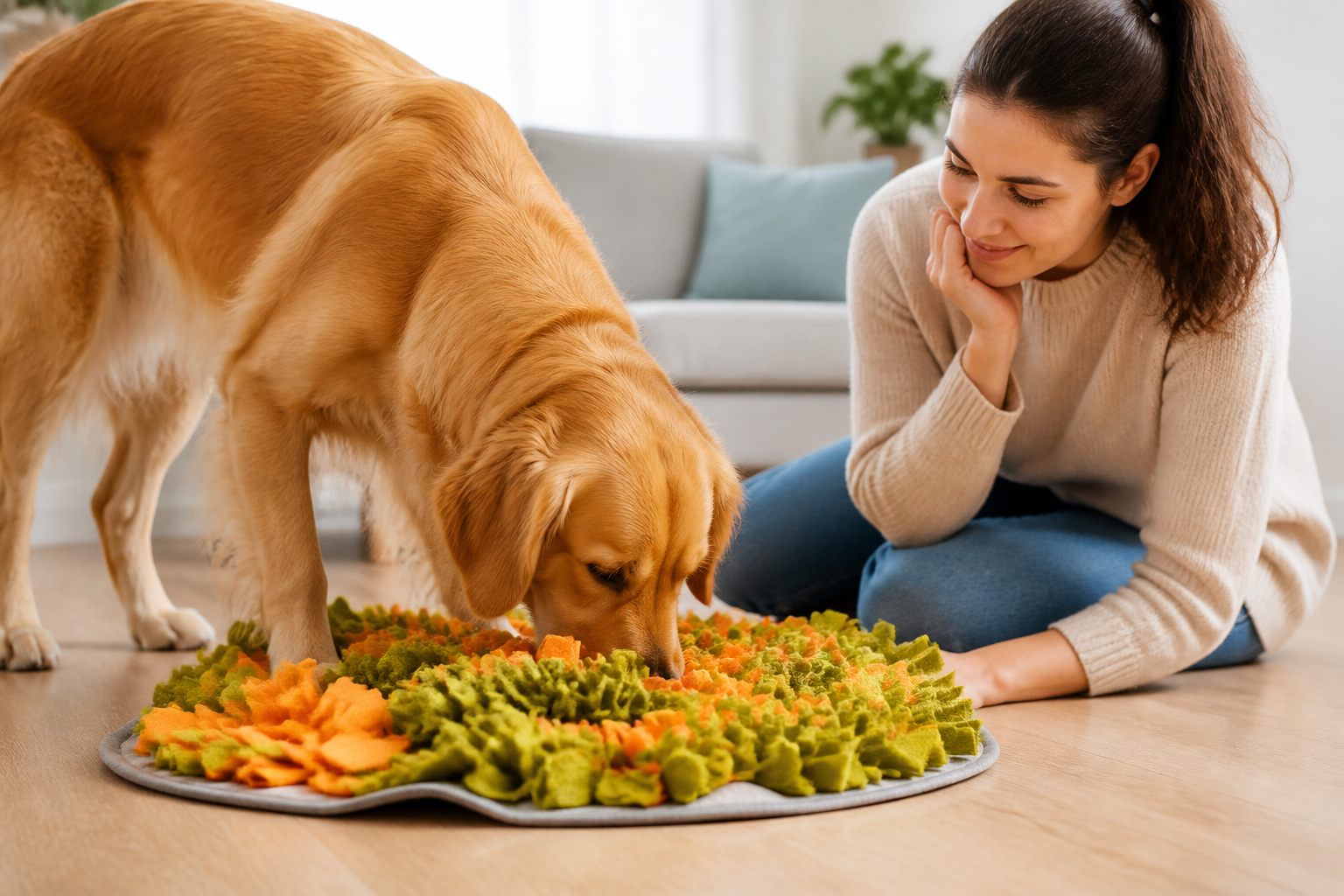
For the first few sessions, do not hide the treats deep inside the folds. Place five or six high-value treats right on top of the fleece. Let your dog see you put them there. Use a release cue like "find it" or "go snuffle" and let them eat the visible treats. This builds immediate confidence and associates the mat with a reward.
Step 2: Shallow Hiding
Once your dog understands that the mat holds food, start tucking the treats slightly under the first layer of fleece. They should still be able to see parts of the treat. Your dog will have to use their nose to nudge the fabric aside. If they start to paw at the mat or try to bite it, gently redirect them and show them the treat with your finger.
Step 3: Increasing the Difficulty
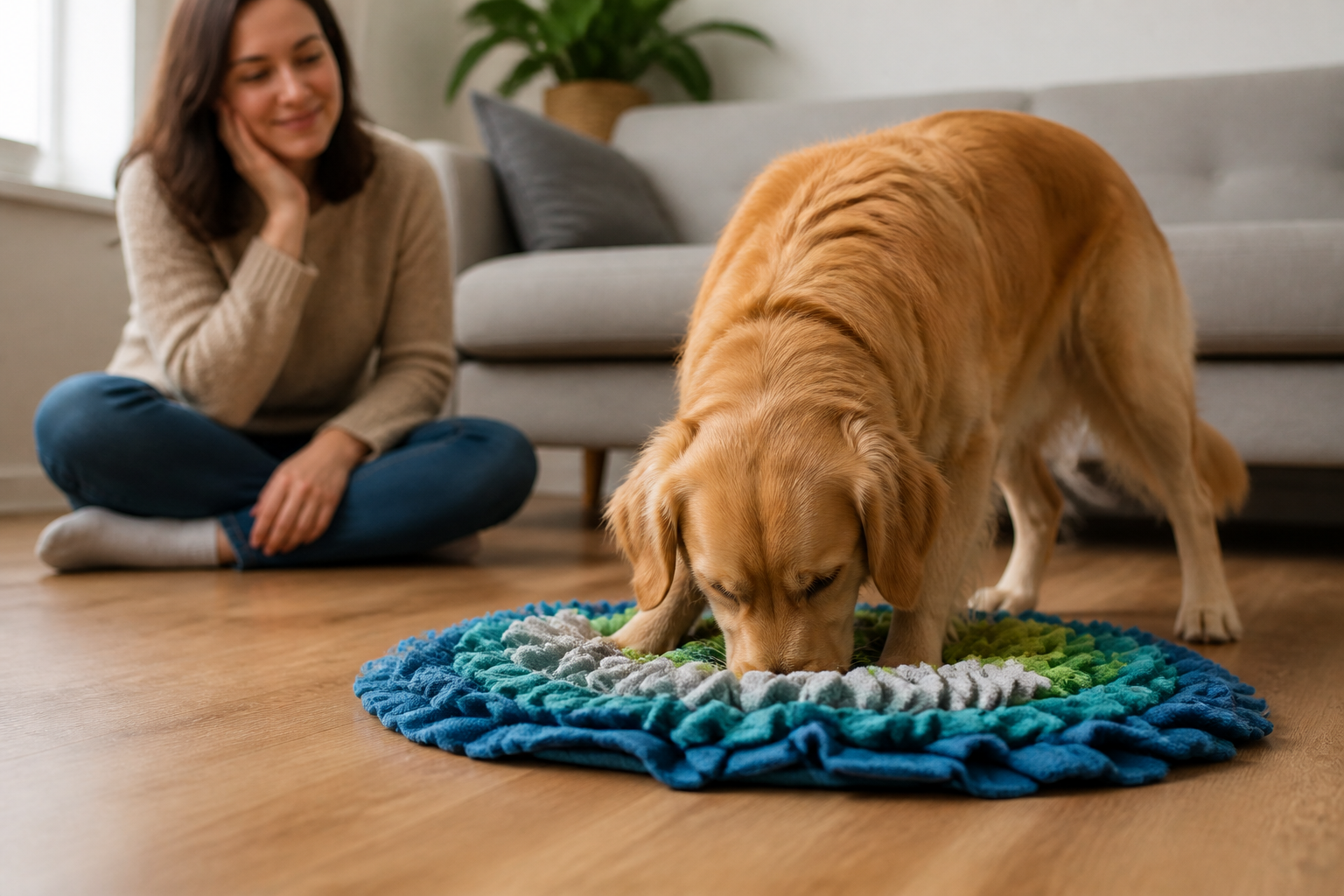
As your dog becomes a pro, you can hide the treats deep at the base of the strips. You can even fold the fleece over the treats or bunch the fabric together. This requires the dog to work harder and spend more time sniffing. A session that used to take two minutes might now take ten.
Step 4: Supervised Completion
Always stay with your dog while they use the mat. Once they have found all the treats, pick the mat up and put it away. This prevents the dog from turning the mat into a chew toy once the food is gone. It also keeps the toy "special" so they remain excited for the next session.
Vet Tip: If your dog is a heavy chewer, monitor them closely to ensure they do not swallow the fleece strips. Ingesting fabric can cause serious intestinal blockages. If your dog prefers to shred rather than sniff, a rubber puzzle toy might be a safer alternative for unsupervised time.
Choosing the Best Treats and Food
The success of a snuffle mat session depends heavily on what you put inside it. You want something that smells enticing but will not make a mess.
Dry Kibble for Mealtimes
If your dog eats their dinner in thirty seconds flat, use the snuffle mat for their entire meal. This is a great way to slow down "scarf and barf" eaters. Using their regular kibble ensures they do not get too many extra calories while still providing mental stimulation.
High-Value Training Treats
For a special enrichment session, use small, smelly treats. Brands like Stella & Chewy's or The Honest Kitchen offer freeze-dried options that crumble slightly, leaving a scent trail throughout the mat. The stronger the smell, the more engaged your dog will stay.
Items to Avoid
Never use wet food, peanut butter, or greasy treats in a fleece snuffle mat. These substances will soak into the fabric and create a breeding ground for bacteria. They are also nearly impossible to get out without a deep wash. Save the messy treats for silicone lick mats or rubber toys like a Kong.
Key Takeaway: Only use dry, non-greasy foods in your snuffle mat to maintain hygiene and prevent the fabric from becoming a soggy mess.
Benefits of Using a Snuffle Mat
Beyond just being a fun game, snuffle mats provide several health and behavioral benefits. Our team at BaxterBoo often recommends them for dogs who need a little extra help settling down.
Slowing Down Fast Eaters
Eating too quickly can lead to digestion issues or a dangerous condition called bloat. Because a snuffle mat forces a dog to find each individual piece of kibble, it naturally extends mealtime. What was a thirty-second meal becomes a ten-minute activity, giving the stomach time to signal to the brain that it is full.
Reducing Anxiety and Stress
Sniffing is a self-soothing behavior for dogs. It lowers their heart rate and helps them focus on a singular task. This is particularly helpful for dogs with separation anxiety or those who are stressed by loud noises like thunderstorms.
If your dog manages chronic anxiety, mental enrichment is a vital part of a holistic care plan. Our pet pharmacy offers a variety of calming medications and supplements. Pairing medical support with a relaxing activity like snuffling can significantly improve your dog's quality of life.
Physical Limitations and Recovery
If your dog is recovering from surgery or is a senior dog with limited mobility, they still need to burn energy. A snuffle mat allows them to get a "workout" while standing still or lying down. It provides the exhaustion of a walk without the impact on their joints.
For more ideas that support low-impact mental stimulation, explore brain games for dogs.
Bottom line: Snuffle mats are a versatile tool for weight management, anxiety reduction, and senior dog care.
Cleaning and Maintaining Your Mat
Because your dog is putting their nose and mouth all over the fabric, snuffle mats can get dirty quickly. Saliva and food dust build up in the fibers, which can lead to odors or mold if left uncleaned.
Regular Shaking
After every use, take the mat outside and give it a vigorous shake. This removes any leftover crumbs or debris that might attract pests. It also helps fluff up the fleece strips so they are ready for the next time you hide treats.
Machine Washing
Most high-quality snuffle mats are machine washable. Use a gentle cycle with cold water and a pet-safe, unscented detergent. It is often helpful to place the mat inside a pillowcase or a mesh laundry bag. This prevents the fleece strips from getting tangled or caught in the machine's agitator.
Drying Procedures
Air drying is the best way to preserve the life of the mat. Hanging it up allows air to circulate through all the strips. If you must use a dryer, use the lowest heat setting possible. High heat can melt the adhesive on the base or make the fleece fibers brittle and scratchy.
- Shake out the mat after every single session.
- Wash the mat at least once every two weeks.
- Always check for loose strips or torn fabric before giving it to your dog.
Troubleshooting Common Problems
Not every dog takes to a snuffle mat immediately. Some might find it confusing, while others might find it too easy.
The Dog Flips the Mat
If your dog figures out they can just flip the mat over to dump the treats, you may need a mat with a heavier base or suction cups. You can also try placing the mat on a non-slip rug. If the behavior continues, go back to Step 1 and reward them only when their nose is on the fabric.
The Dog Loses Interest
If your dog walks away, the treats might not be smelly enough. Try mixing in a few pieces of freeze-dried liver or a high-smell treat from Zesty Paws. You should also ensure you are not making it too hard too fast. If they cannot find the food, they will give up.
The Dog Tries to Pee on the Mat
Some dogs see a soft, shaggy surface and think it is a great place to mark. If this happens, immediately pick up the mat and clean it with an enzymatic cleaner. Supervise them more closely next time and only put the mat down when they are clearly in "work mode" rather than "potty mode."
Why Mental Enrichment Matters
A bored dog is often a destructive dog. When we do not give our pets a job to do, they find their own jobs. Usually, those jobs involve digging up the garden or barking at the mail carrier. Using a snuffle mat provides a constructive outlet for their energy.
At BaxterBoo, we believe that enrichment should be accessible and easy to implement. You do not need a massive backyard or hours of free time to satisfy your dog's needs. Ten minutes with a snuffle mat can be more exhausting for a dog's brain than a two-mile run. It challenges their cognitive abilities and rewards their persistence.
For additional indoor ideas, read 10 indoor enrichment activities for pets.
Summary of Best Practices
To get the most out of your snuffle mat, consistency is key. Make it a part of your daily routine, whether it is for breakfast or a mid-afternoon snack.
- Supervise every session to prevent chewing or ingestion of fabric.
- Use dry, smelly treats to keep the mat clean and the dog engaged.
- Start easy and gradually increase the difficulty as your dog learns.
- Wash regularly to keep the mat hygienic and smelling fresh.
- Put it away when the session is over to maintain its value.
If you are looking for more ways to support your dog’s health, consider the MVP Rewards programme. You can earn points on every purchase of treats and enrichment toys to use toward future orders. For dogs with ongoing health needs, our pharmacy provides a convenient way to manage prescriptions alongside your regular shopping.
For more enrichment options, browse our dog toys and consider adding repeat-purchase essentials to our Autoship programme.
Key Takeaway: Successful snuffling relies on proper introduction, high-smell rewards, and consistent supervision to ensure a safe and tiring brain workout.
FAQ
Can I use a snuffle mat for my cat?
Yes, many cats enjoy foraging for dry kibble or freeze-dried treats in a snuffle mat. It is especially helpful for indoor cats who need extra environmental enrichment to prevent boredom and weight gain. Make sure the mat is a size that fits your cat's snout comfortably.
How often should I let my dog use a snuffle mat?
Most dogs can use a snuffle mat once or twice a day. Many owners use it for every meal to slow down their dog's eating. Just be sure to monitor the condition of the mat and ensure your dog remains interested in the activity.
What if my dog is not food motivated?
If your dog does not care about treats, a snuffle mat might not be the best tool for them. You can try extremely high-value items like dried fish or specialized training treats to see if that sparks interest. If they still ignore it, they might prefer a toy-based enrichment game like fetch or tug.
Is it okay to leave my dog alone with a snuffle mat?
It is generally not recommended to leave a dog alone with a fabric toy. Even the most well-behaved dog might decide to chew the mat if they get frustrated or bored. Always pick the mat up once the treats are gone and store it out of your dog's reach.